
Level 1 sweep and inspection to the NFPA 211 annual standard - flue, crown, cap, and flashing checked and photographed
Chimney sweep logs do not sweep chimneys. They loosen some creosote - which then falls where a brush and vacuum still have to collect it.
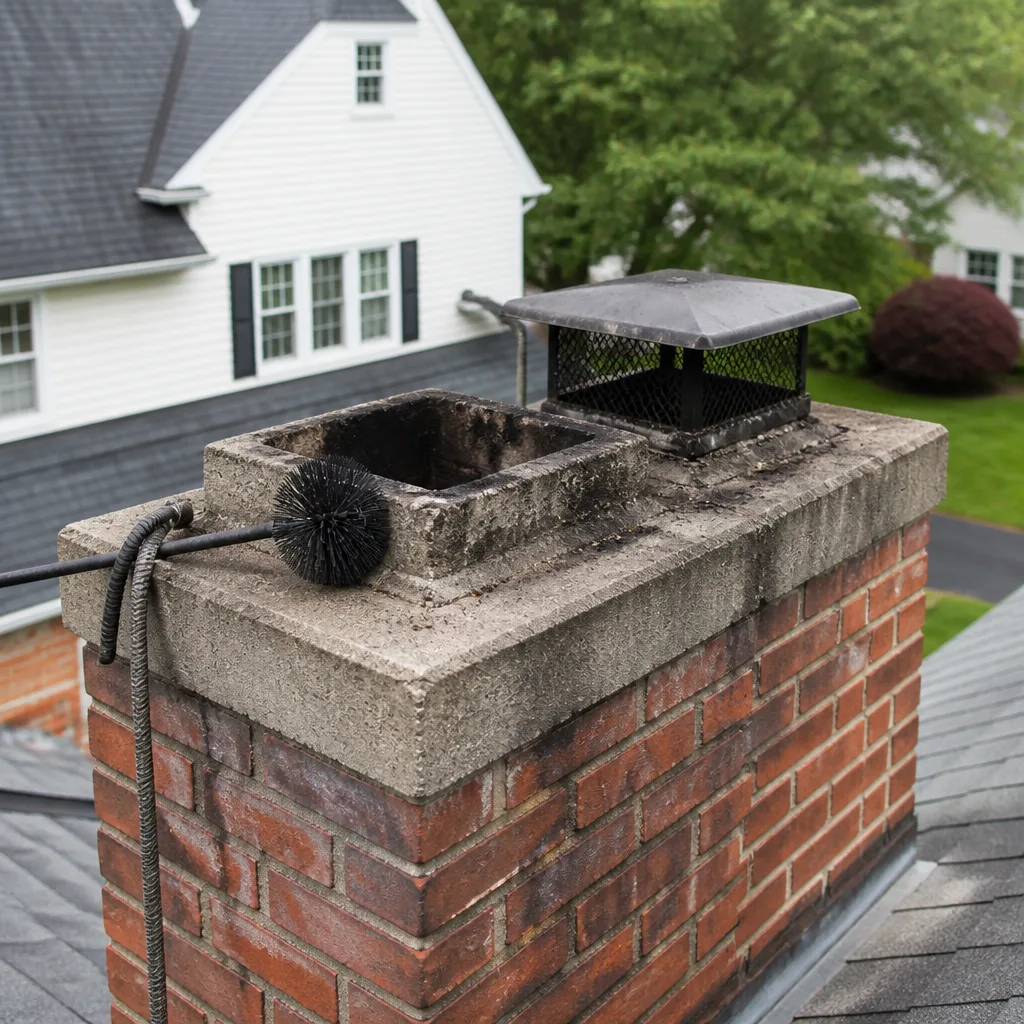
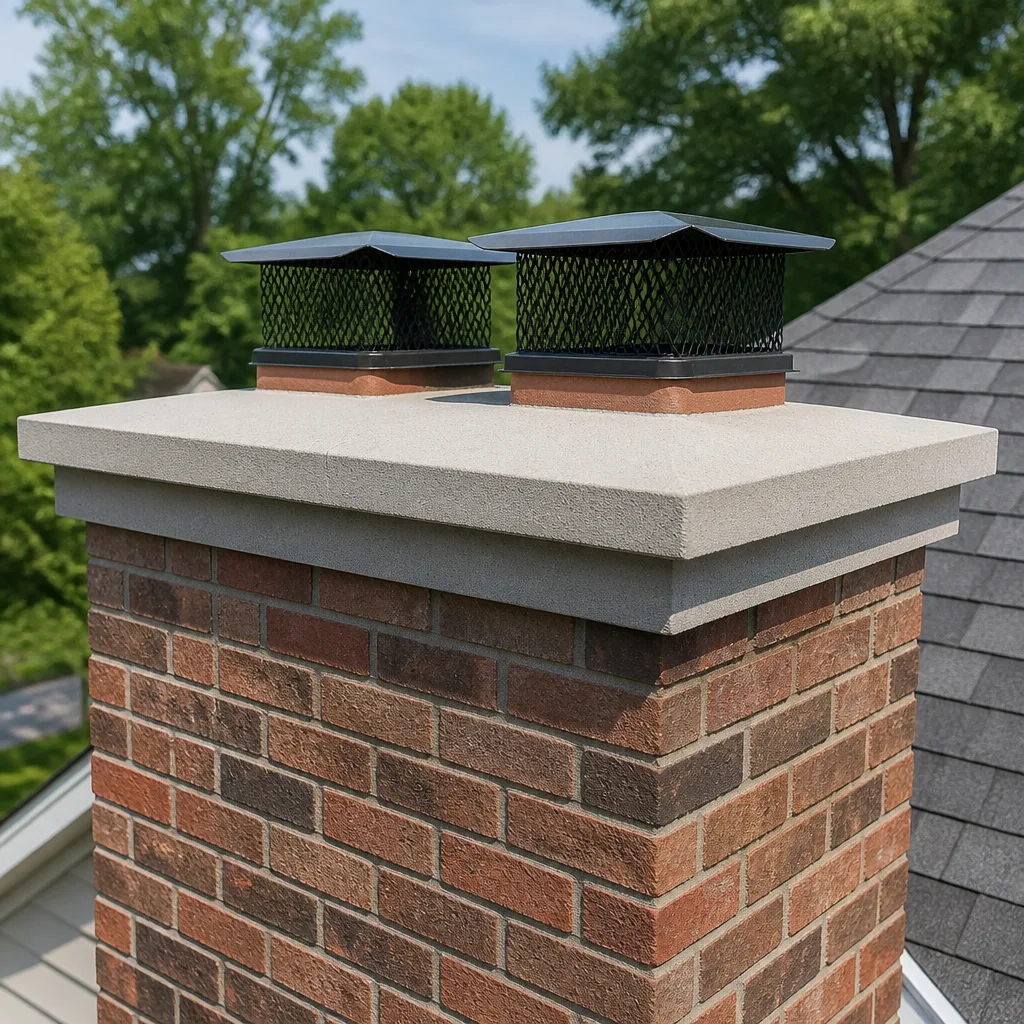
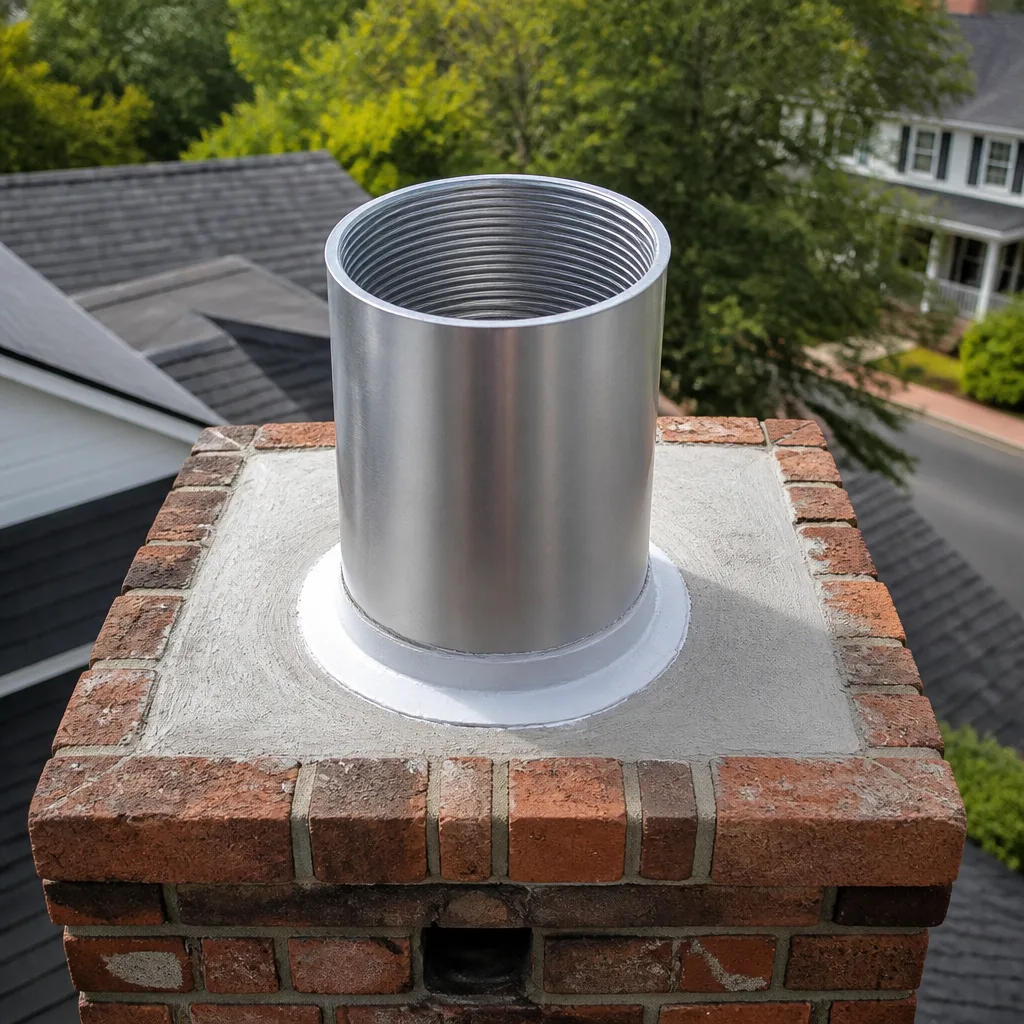
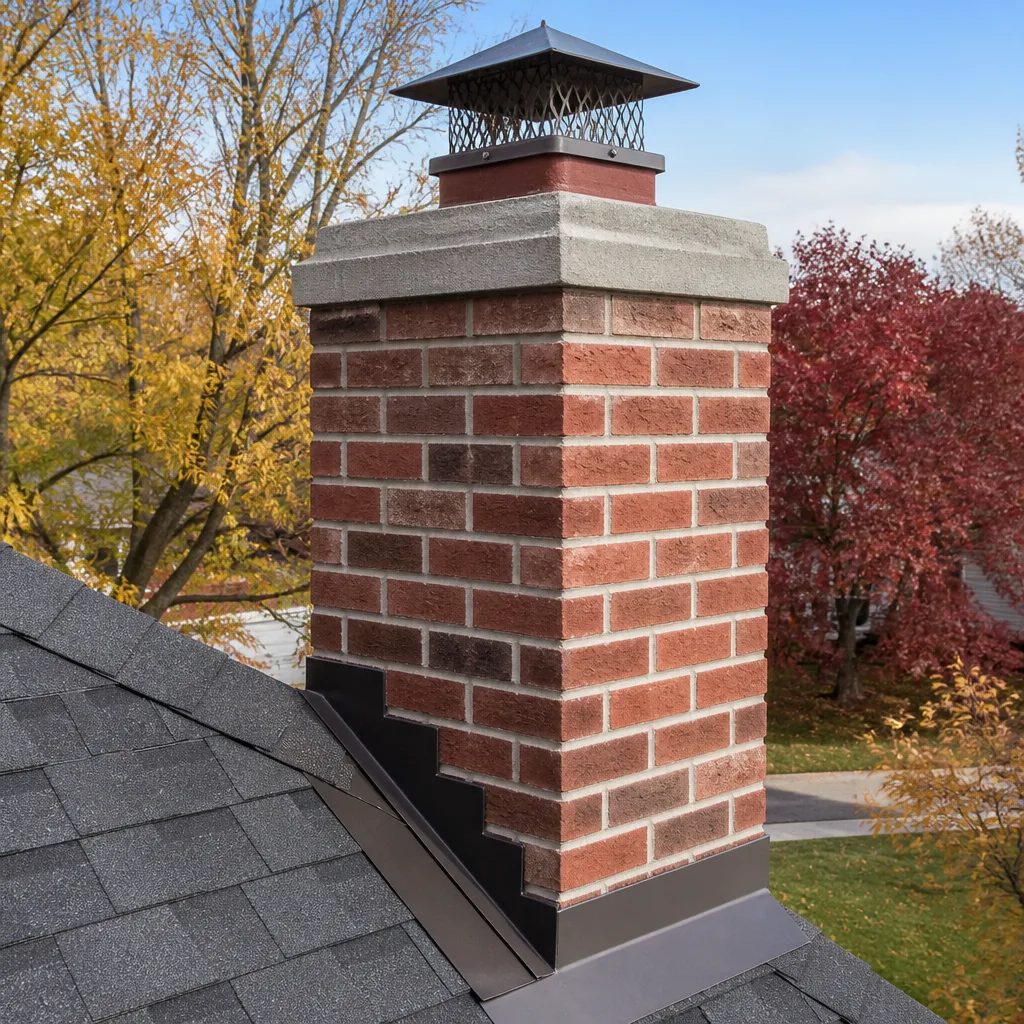
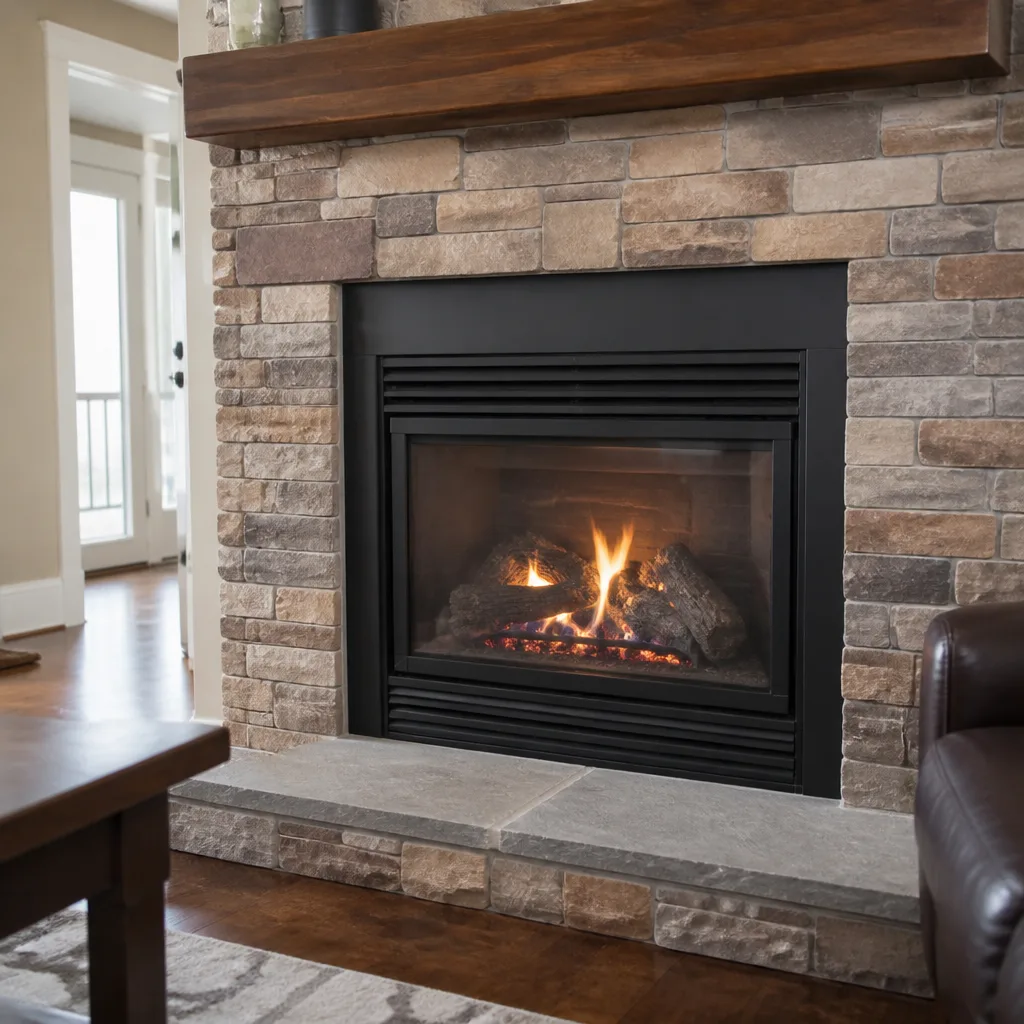
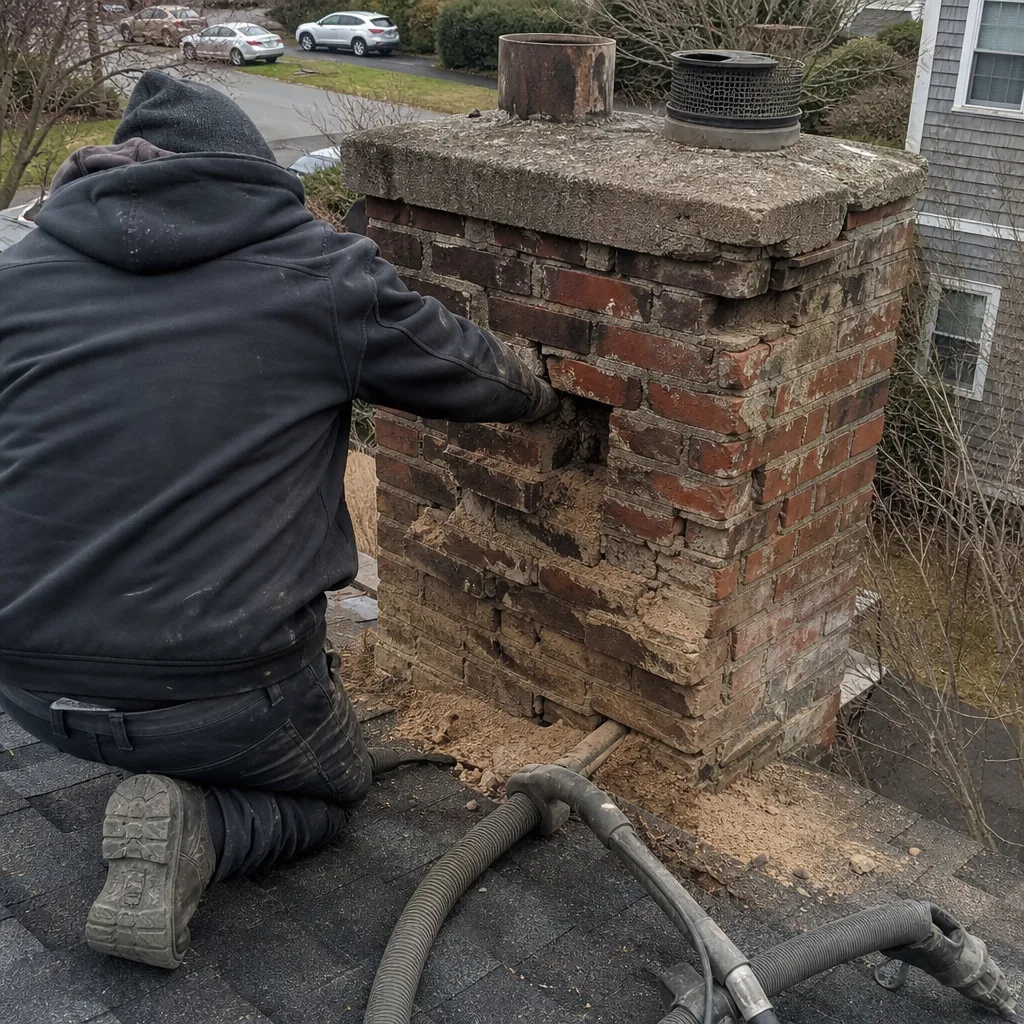 Before
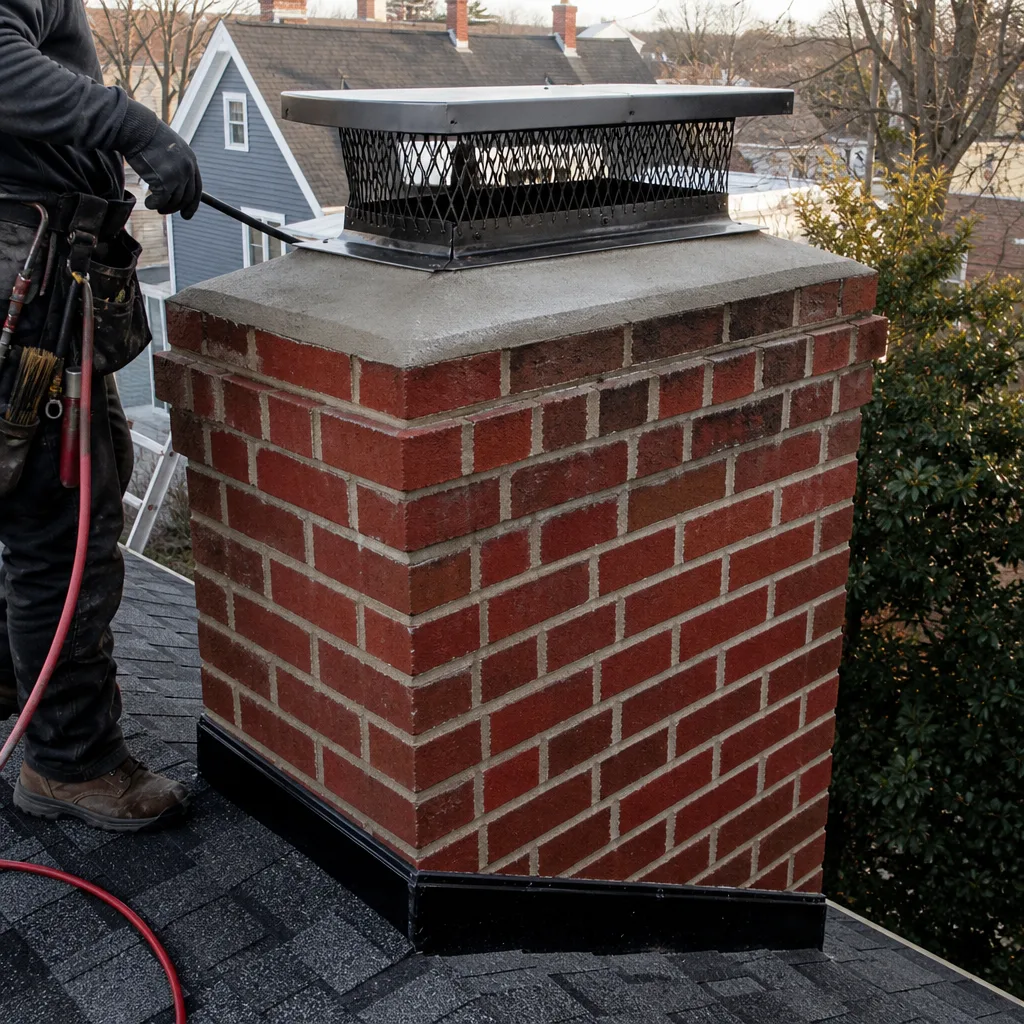 After
After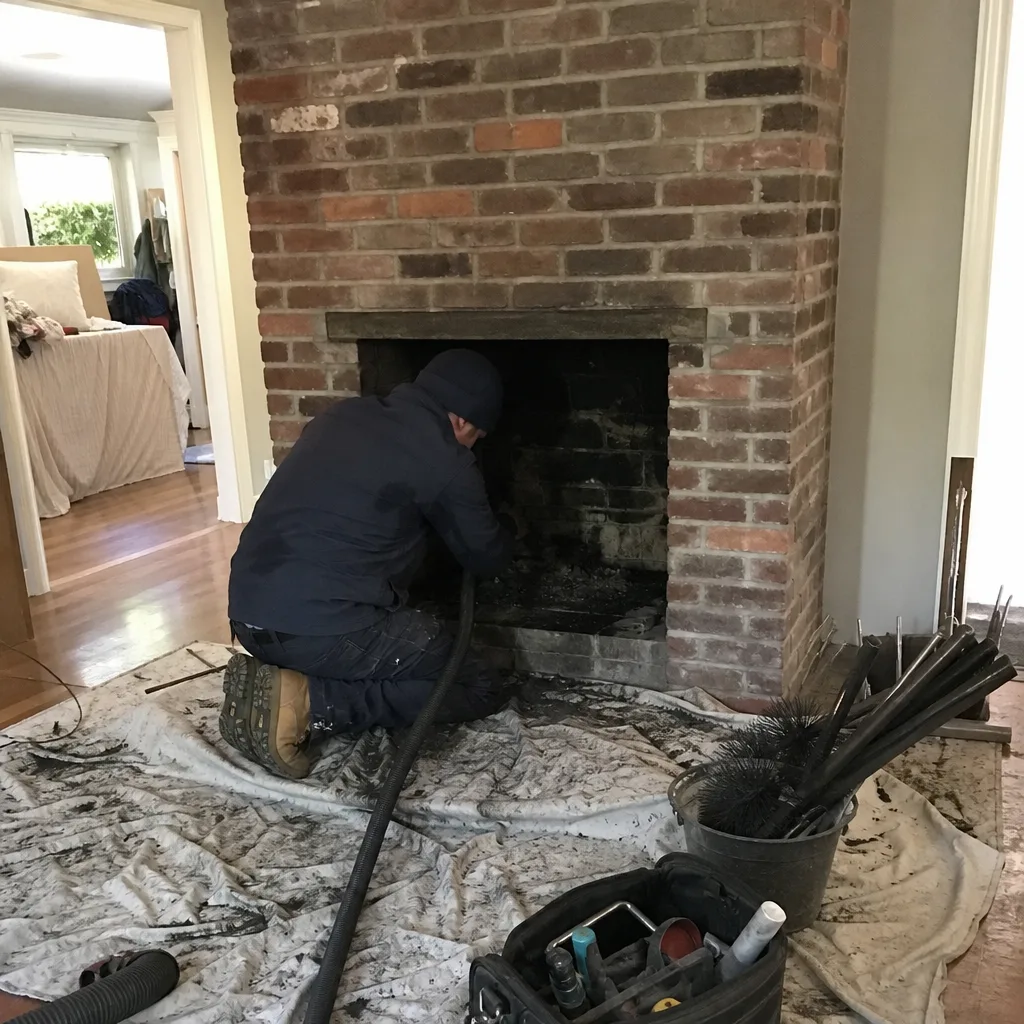 Before
 After
After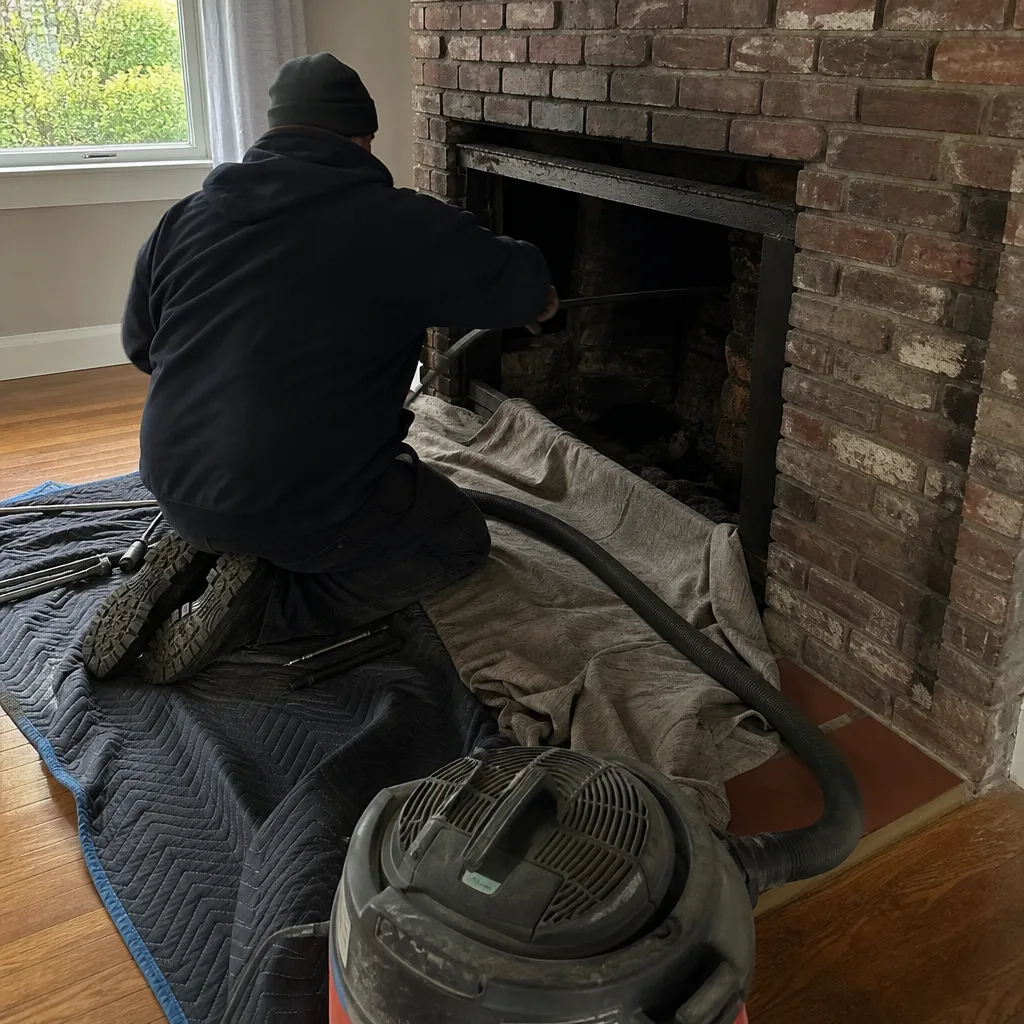 Before
 After
AfterDuraFlex Chimney Cleaning & Sweep in Boston: What to Know First
We clean and inspect DuraFlex chimney systems across Boston, and the work typically takes 90 minutes to two hours from roof access to final photo record. A standard DuraFlex sweep and Level 2 camera inspection runs $289-$389, depending on flue height, creosote classification, and whether we’re working on a single-flue or multi-flue setup. You’ll have a written price before we touch the ladder, and a photo record of your flue when we’re done.
This page is for Boston homeowners who have a DuraFlex liner, DuraFlex 316Ti or 304 stainless system, or a DuraFlex reline job from a previous owner and want an independent service provider who knows the product. Call (857) 567-8887 for a written quote. We’re an independent DuraFlex service provider, not a manufacturer-authorized dealer, which means we tell you what the flue shows us, not what a warranty brochure says.
How DuraFlex Products Fail - and How We Fix Them
- DuraFlex 316Ti smooth-wall liners: pitting at the seam welds from sulfur-rich wood smoke. Boston burns a lot of oak and maple, and wood with higher sulfur content produces acidic condensate. On 316Ti alloy, that acid tends to concentrate at the welded seam, creating pinholes that a flashlight inspection misses entirely. Our camera scan shows the pitting as dark speckling along the seam line. If the pitting is superficial, a thorough mechanical cleaning and a change in burn habits solves it. If it’s through-wall, we quote a sectional replacement before it becomes a flue gas leak.
- DuraFlex 304 alloy liners: corrosion from gas appliance condensate, not wood smoke. If a previous owner switched from wood to a gas insert but never changed the liner, the 304 stainless will corrode from the inside out. Gas exhaust is cooler and wetter than wood exhaust, and the condensate pools at the bottom of the flue. We see this on Dorchester triple-deckers all the time: a 304 liner that looked fine from the top, but the bottom three feet have scale buildup like a rusty pipe. The fix is often a 316Ti or AL29-4C replacement section, depending on the appliance type.
- DuraFlex Pro connectors: crushed sections from roof traffic or wildlife. The flexible corrugated sections can deform if a chimney sweep used the wrong brush type, or if a raccoon decided the flue was a nice place to nest. We find crushed Pro connectors in maybe one out of every eight DuraFlex systems we inspect in Boston. A crushed section restricts draft and creates a creosote trap. We replace the damaged section with factory-spec DuraFlex Pro, and we document the before and after with camera stills.
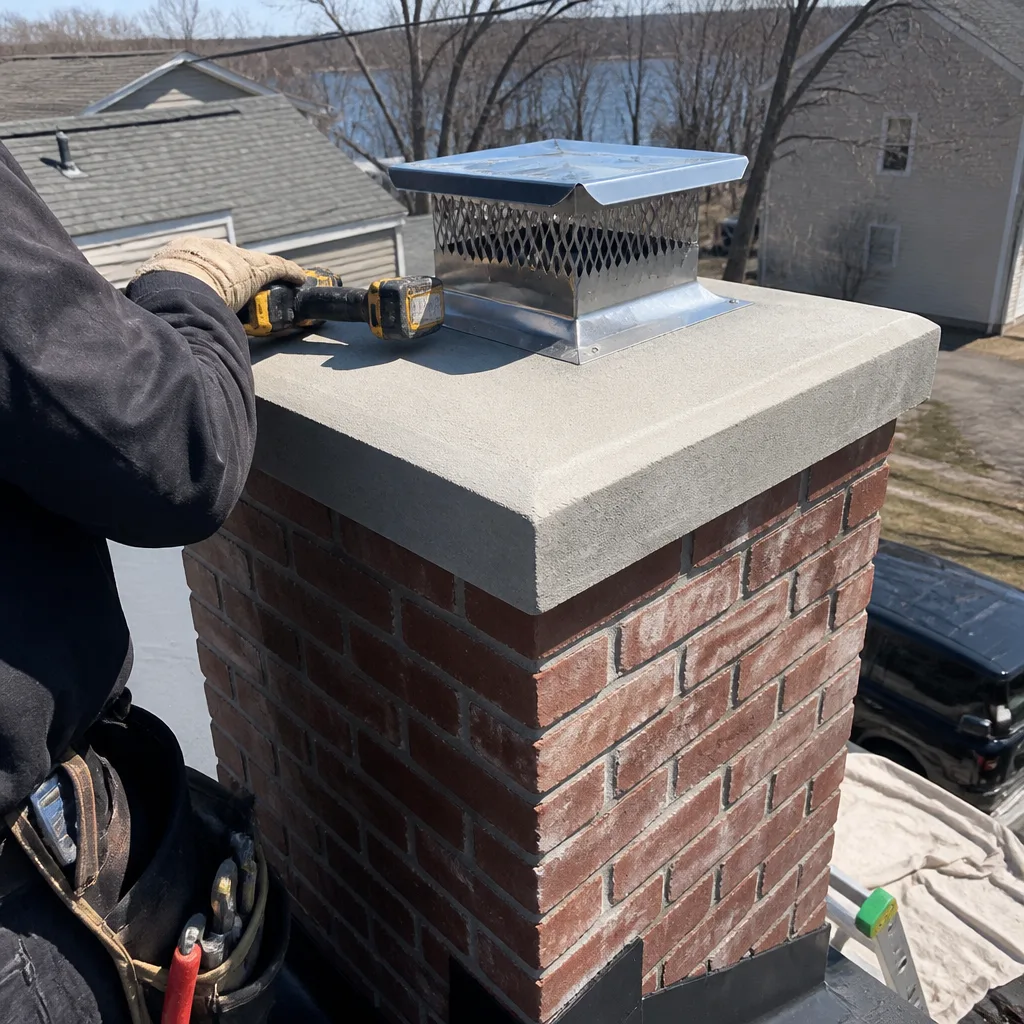
- DuraFlex terminations: rain cap missing, and the liner top pulling away from the flue tile. This one is pure Boston weather: freeze-thaw cycles work the termination cap loose, then wind catches it and it ends up in the yard. Without the cap, rain gets into the flue and accelerates corrosion. We re-secure the termination, replace the cap if it’s gone, and check the top plate seal. Clause 4 of the Haven Standard means you get a photo of the termination from the roof before we call it done.
- DuraFlex tee-body cleanouts: debris accumulation at the bottom of the liner run. On systems with a tee body and cleanout door at the base, creosote and soot fall during cleaning and collect in the tee. If the cleanout door is rusted shut or the tee is buried behind a basement wall, that debris just sits there. We open the cleanout, vacuum it out, and check the tee-body connection points. If the door itself is rusted beyond use, we replace the door and gasket with a DuraFlex-compatible part.
Our DuraFlex Chimney Cleaning & Sweep Process
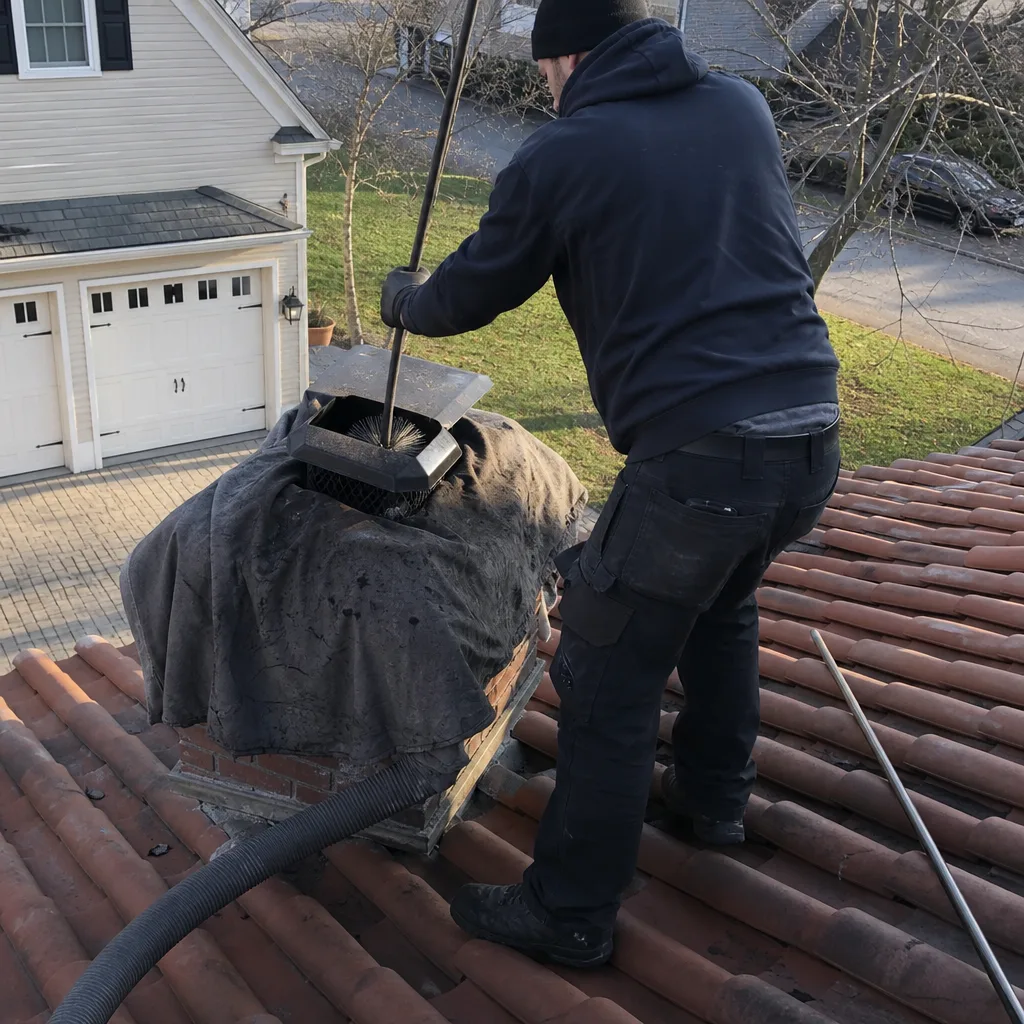
Every DuraFlex job in Boston follows the same six steps, and you see the evidence at each stage.
- 1
Call and written quote. You reach us at (857) 567-8887. We ask about your chimney’s height, what you burn, and when it was last swept. We give you a written price by text or email before we schedule anything. No “call for a quote.” The price is the price.
- 2
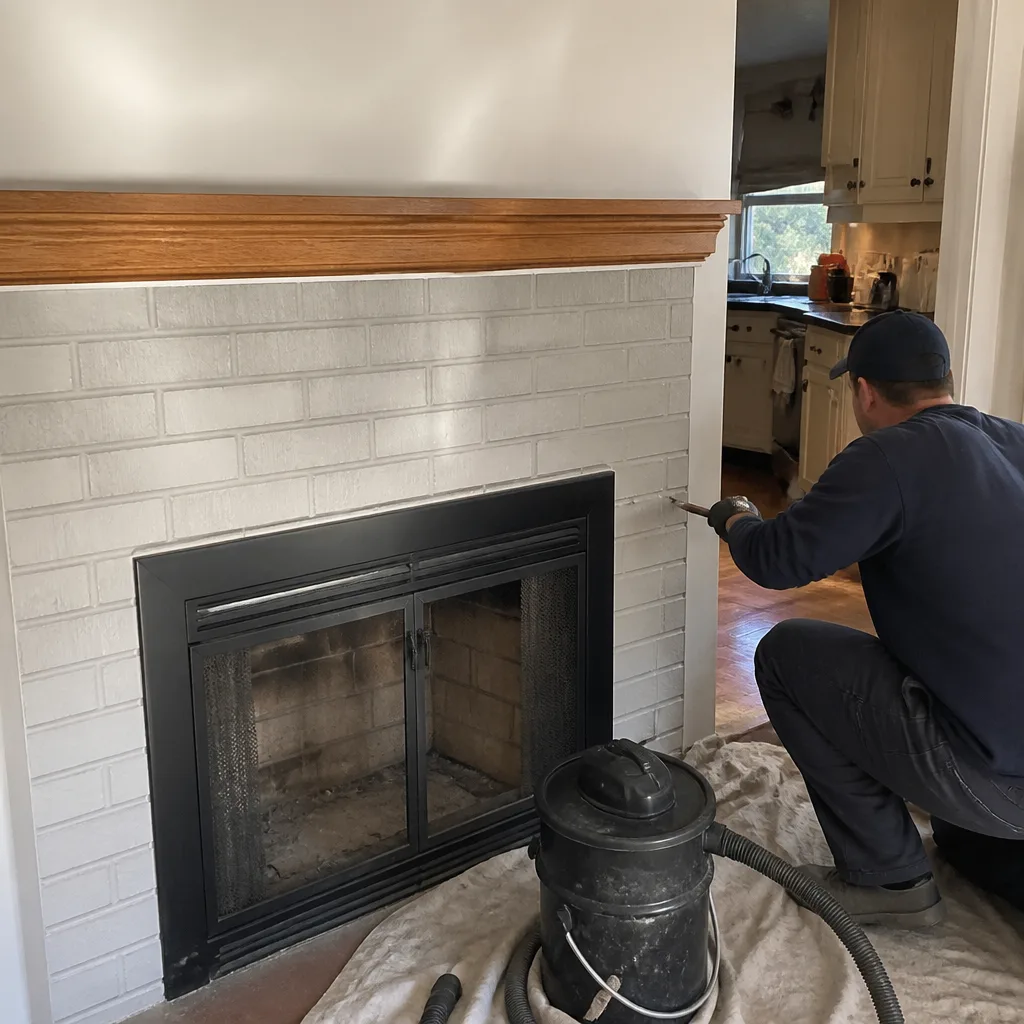
Arrival and roof access. Our tech arrives in a marked vehicle, introduces themselves by name, and sets up roof access. We protect the work area with drop cloths and run a HEPA vacuum at the fireplace opening.
- 3
Camera-scan inspection before cleaning. We send the camera down the full flue length before any brush touches the liner. We record the creosote classification, liner condition, seam integrity, and any blockages or animal activity. You see the footage on our tablet.
- 4
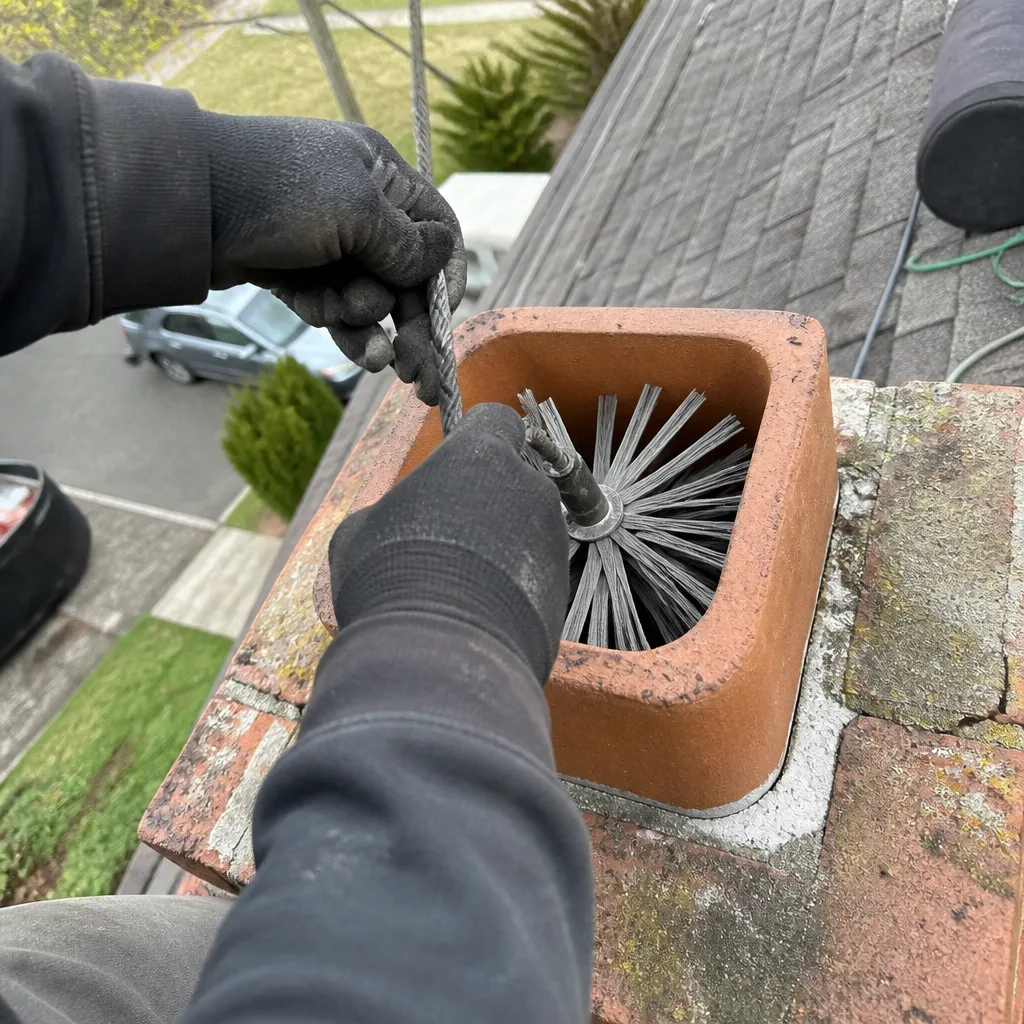
Mechanical cleaning matched to your DuraFlex system. We use poly or flexible rods with the appropriate brush for your liner diameter. For DuraFlex smooth-wall systems, we avoid steel brushes that can scratch the alloy surface. For corrugated sections, we use a brush that matches the corrugation profile. The cleaning is thorough but not aggressive; our job is to remove creosote, not abrade the liner.
- 5
Post-clean camera scan and photo record. We run the camera again after cleaning. You get still images of the clean flue, the termination cap, and any areas of concern. If we found pitting, corrosion, or damage, you get those images too, with measurements noted. Clause 4 of the Haven Standard requires this photo record on every visit, and we’ve been doing it since 2009.
- 6
Written scope and warranty. If we recommend follow-up work, you get a written scope with the exact repair or replacement described, the materials specified (DuraFlex or equivalent), a firm price, and the 365-Day Done Right Promise in writing. If we recommend nothing, you get a clean bill of health with the photos to prove it.
BeforeAfterWhat DuraFlex Chimney Cleaning & Sweep Costs in Boston
Here’s what we charge for the common DuraFlex scenarios in Boston, with the price on the page like it should be.
- Standard DuraFlex sweep with Level 2 camera inspection: $289-$349 for a single-flue system up to 35 feet. Multi-flue or taller systems run $349-$389.
- Heavy creosote removal (Class III or glazed): $399-$499. This involves rotary or chemical treatment and takes longer. We may recommend a follow-up sweep in 6-8 weeks depending on severity.
- Tee-body cleanout and debris removal: $75-$150 add-on if the cleanout needs opening and vacuuming beyond the standard sweep.
- Rain cap or termination replacement: $180-$320 installed, depending on DuraFlex cap size and roof access difficulty.
- Sectional liner replacement (if damage is found): $850-$1,800, depending on length, diameter, and whether we’re working from the top or through the cleanout. We quote this on-site with the camera images to back it up.
What moves the price: flue height, roof pitch and access difficulty, creosote classification, and whether the system has never been cleaned since installation. We never add surprise charges on the invoice. If we recommend additional work during the visit, you get a written scope and price, and you decide before anything else happens. Call (857) 567-8887 for an exact quote. Estimates are free, and they’re in writing.
Why Boston Homeowners Call Level Two Chimney Boston for DuraFlex Work
Because the camera doesn’t guess. Neither do we. Corrine Halstead built this crew on a simple practice: show the customer what the flue actually looks like, state the measurement or condition in plain terms, and give the price before asking for a signature. We’ve inspected and cleaned more than 38,000 chimneys since 2009, every one with a written price before work started and a documented photo record when it was done. Our techs are background-checked and uniformed, their license numbers are on the page, and you get a text when they’re on the way.
We work on DuraFlex systems every week across Boston, from Back Bay brownstones to the triple-deckers along Dorchester Avenue. When a DuraFlex liner needs something beyond a sweep, we already know what we’re looking at, and if the fix calls for a different product, we install HeatShield and Gelco systems too. That matters because we’re not going to sell you a liner replacement when a repair is the right call. And everything we do is backed by the 365-Day Done Right Promise: if it’s not done right, we make it right.
FAQs
Once a year, or every 25-30 fires if you burn regularly. DuraFlex liners hold up best when creosote doesn’t sit on the alloy surface. In Boston, where heating season runs long and shoulder-season fires are common, an annual sweep with a camera inspection is the standard. Call (857) 567-8887 and we’ll get you scheduled.
No, provided the cleaning uses brushes and methods appropriate for the liner type. We use poly or flexible brushes on DuraFlex smooth-wall systems and match the brush to the corrugation profile on Pro sections. Abrasive or oversized steel brushes can scratch the alloy and accelerate corrosion, which is why we don’t use them on this product. We document our cleaning methods in the photo record, so your warranty documentation stays accurate.
The camera tells you. We look for pinhole pitting at the seam welds on 316Ti, bottom-section corrosion on 304 from gas condensate, crushed or deformed Pro connectors, and failed terminations. If the damage is limited to a section, we repair that section. If the liner is corroded through in multiple places or the alloy has thinned significantly, replacement is the honest call. We show you the images and write the scope either way. Bring us a competitor’s written quote and we’ll give you a free second opinion on it.
Yes, but it takes longer and may require a Class III creosote treatment. Glazed creosote doesn’t brush off; it has to be broken down chemically or with rotary tools designed for the purpose. We assess the deposit class during the pre-clean camera scan and tell you what we’re dealing with before we start. In Boston homes where a liner sat unused for years, we’ve found everything from bird nests to collapsed sections; the camera sees it all. Call (857) 567-8887 for a written quote.
You get camera stills of the flue before and after cleaning, a written creosote classification, a written scope if follow-up work is recommended, and the 365-Day Done Right Promise in writing. The photo record is yours to keep. Clause 4 of the Haven Standard has required this documentation on every job since 2009, and we don’t skip it.
Written by Corrine Halstead, Owner, Level Two Chimney Boston at Level Two Chimney Boston, serving Boston and nearby areas.