
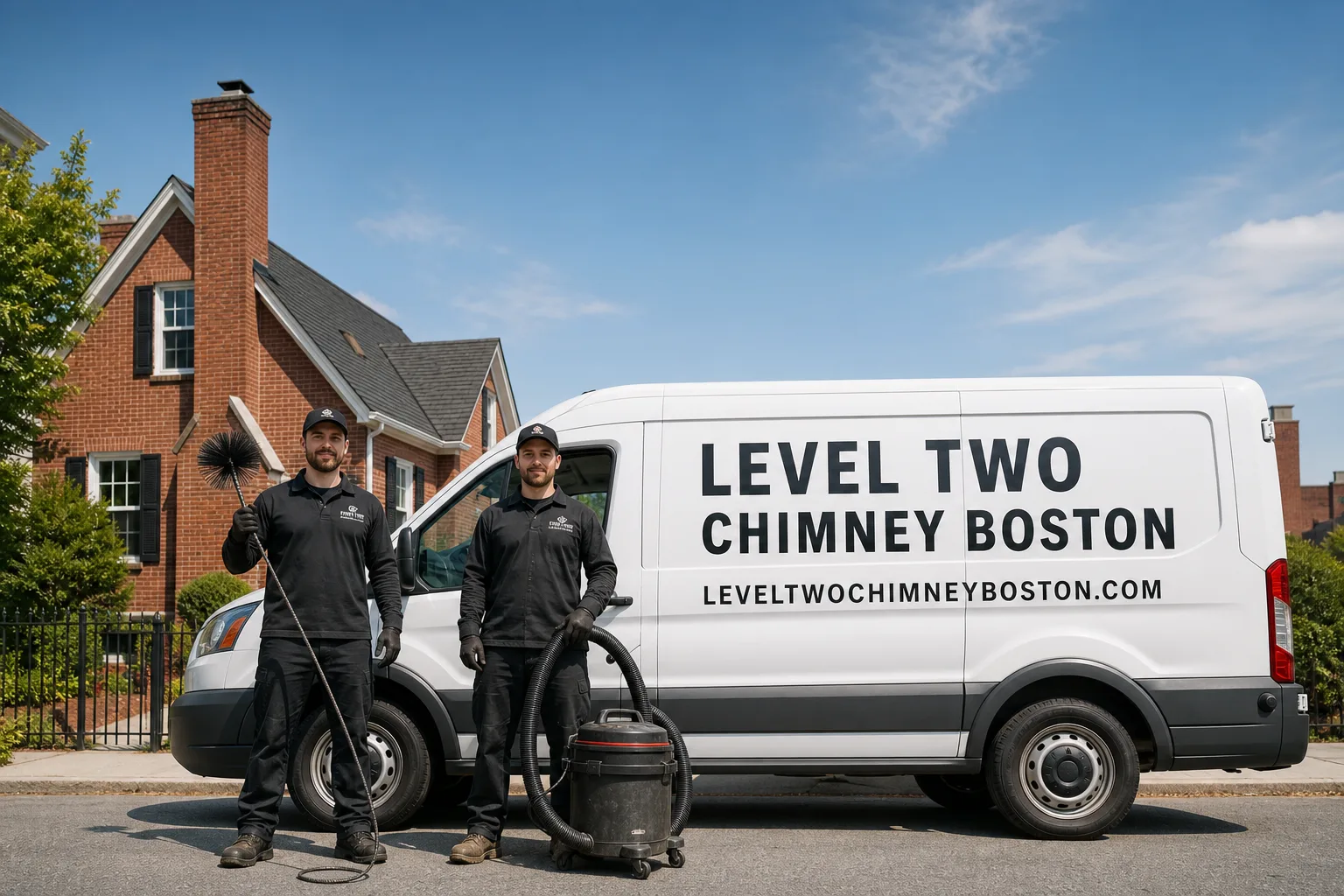
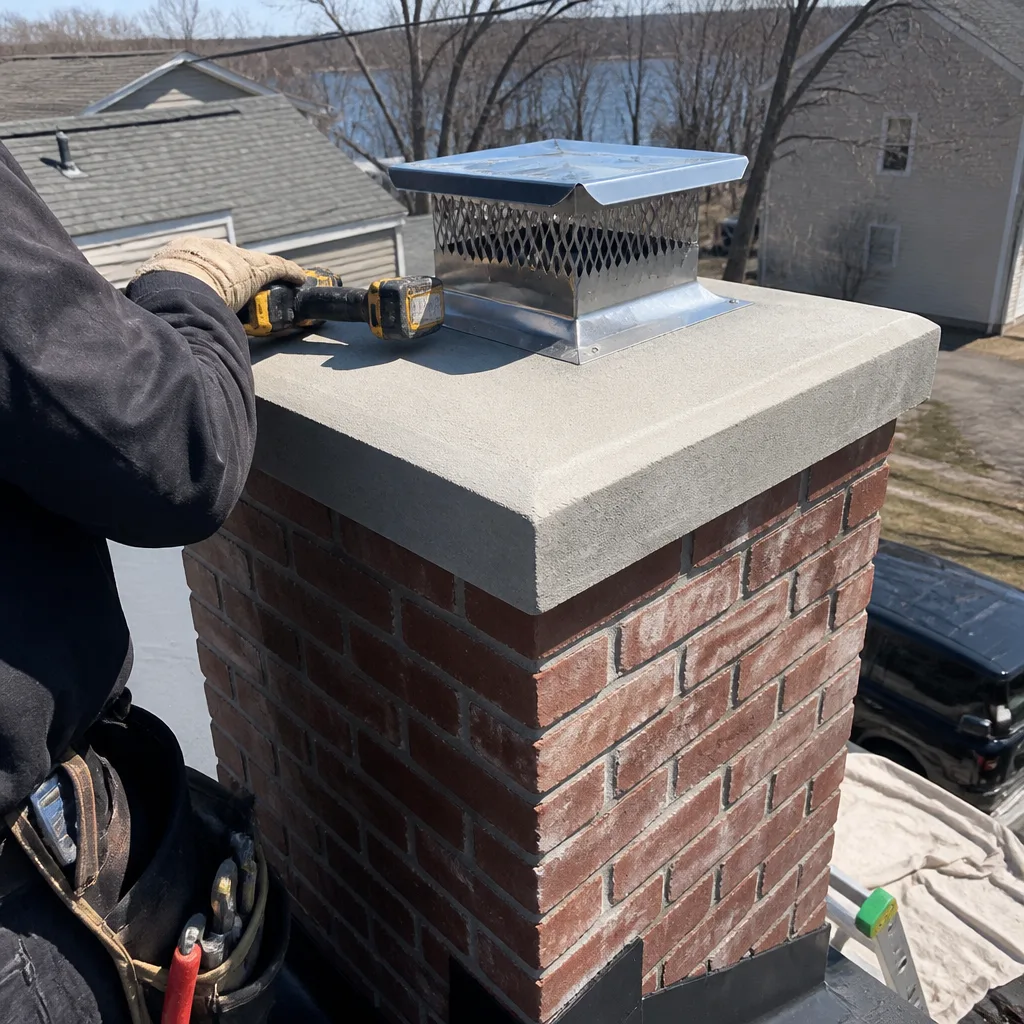
Level 1 sweep and inspection to the NFPA 211 annual standard - flue, crown, cap, and flashing checked and photographed
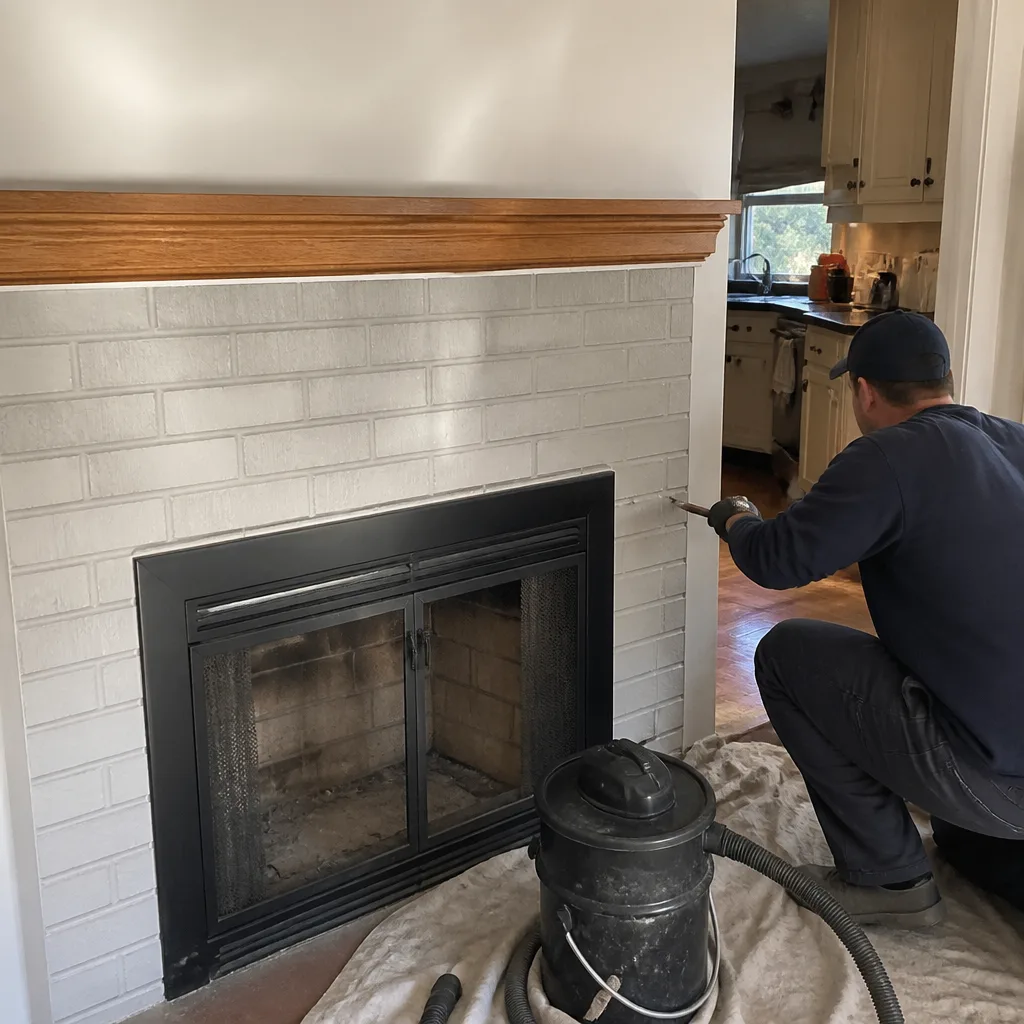
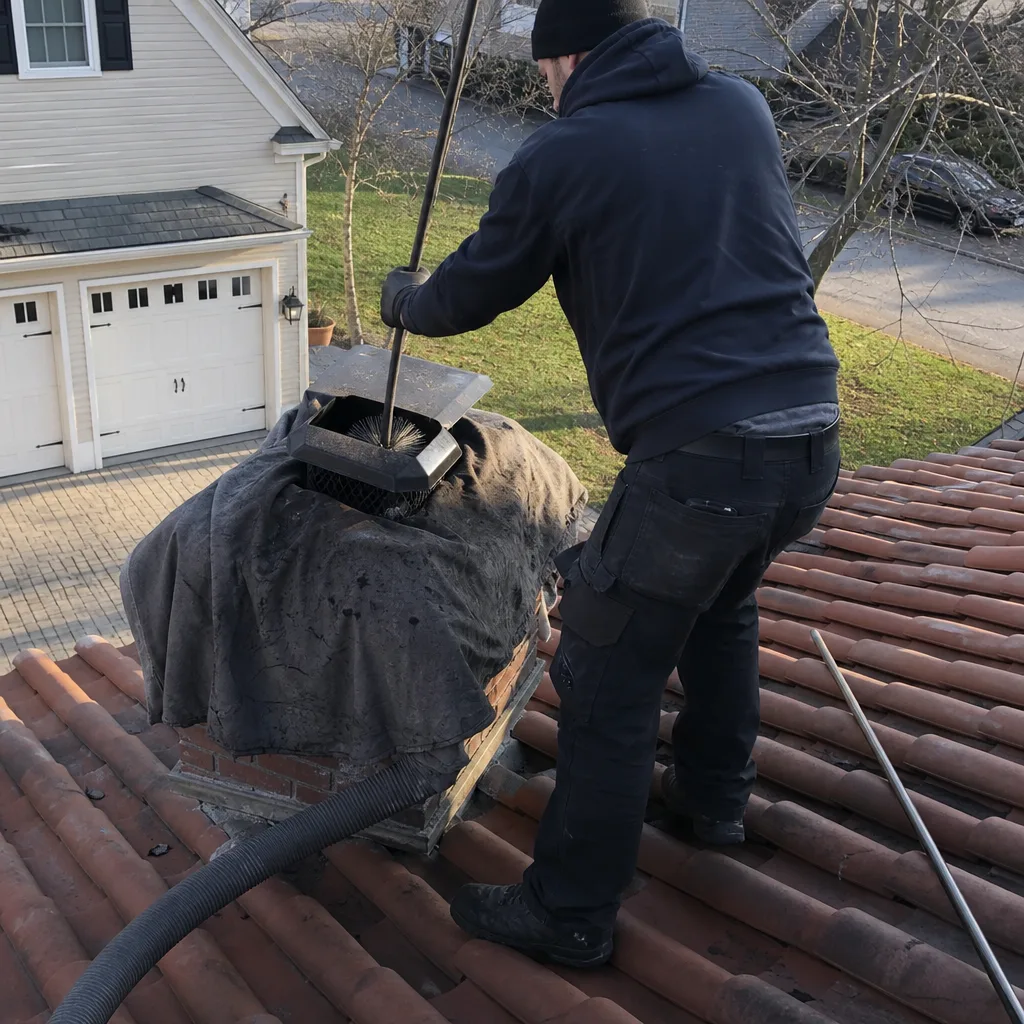
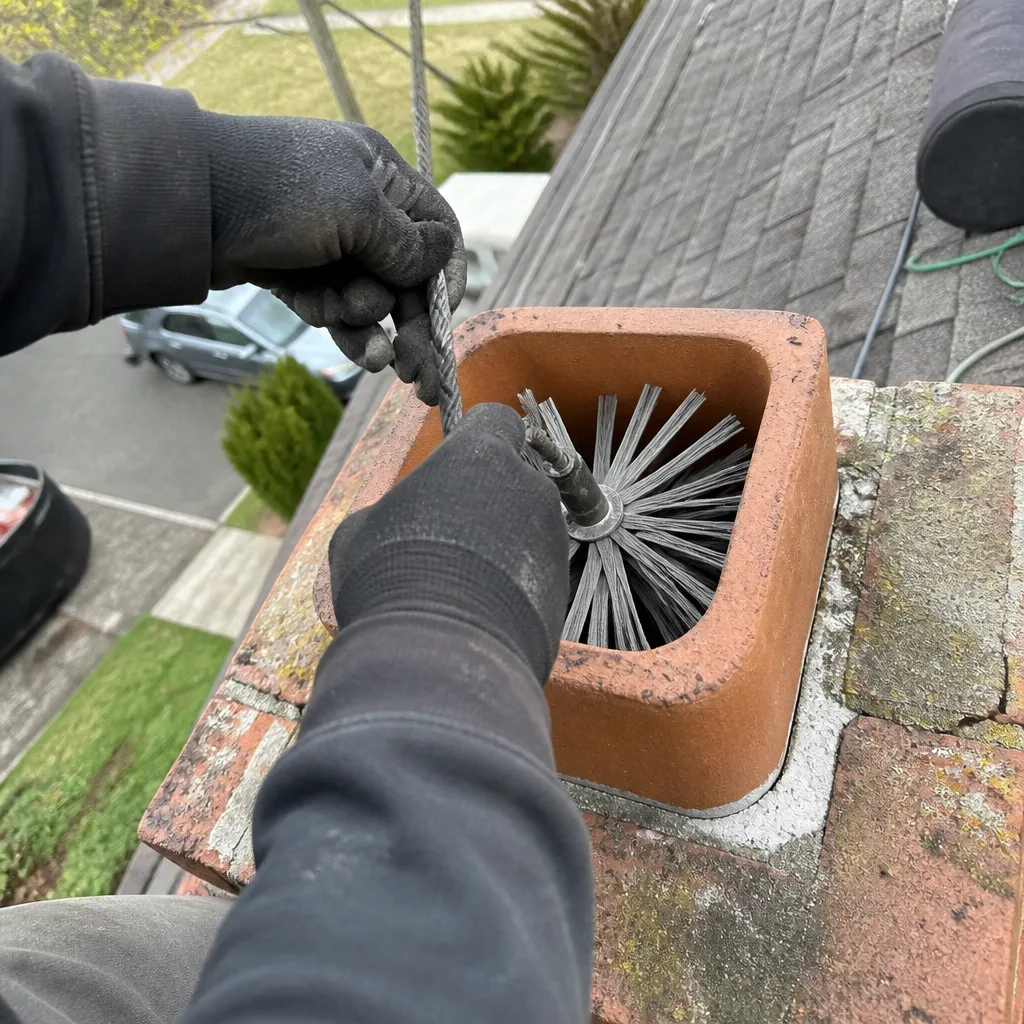
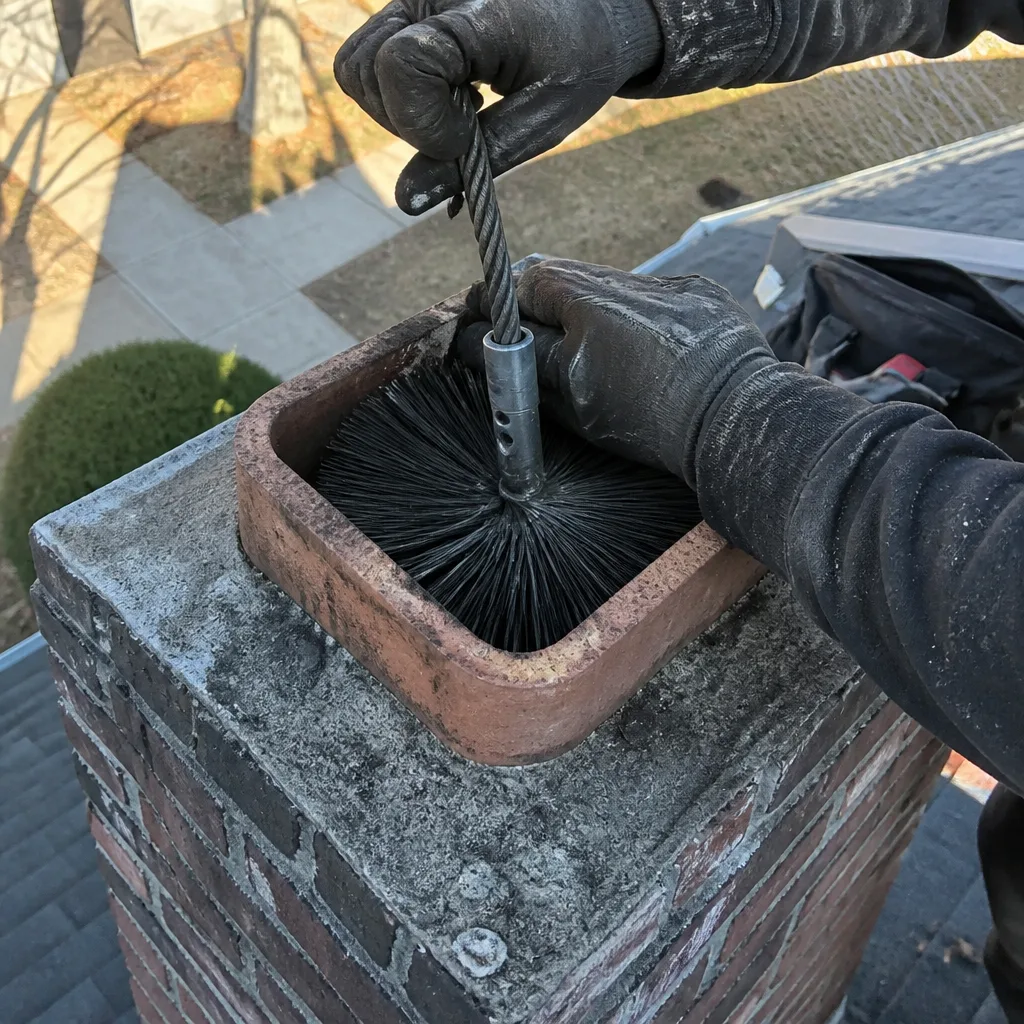
Chimney sweep logs do not sweep chimneys. They loosen some creosote - which then falls where a brush and vacuum still have to collect it.
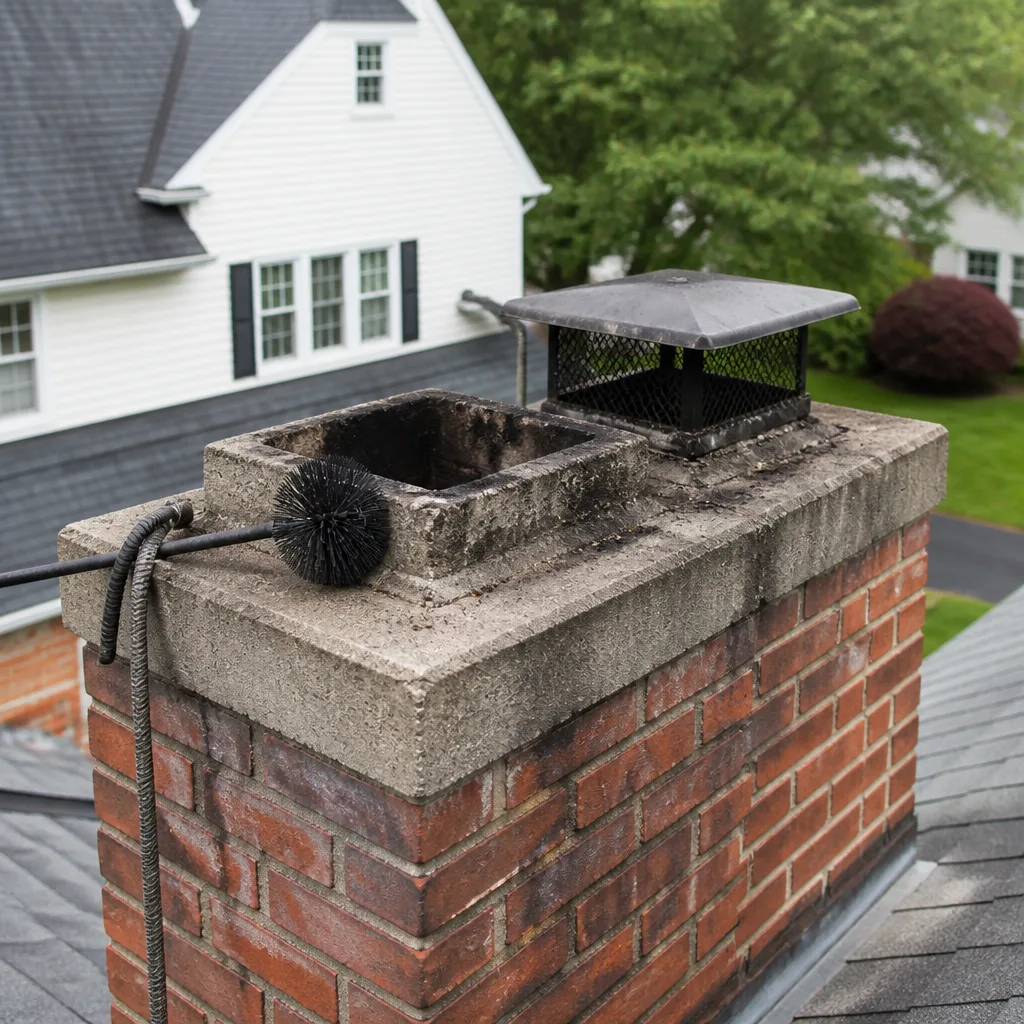
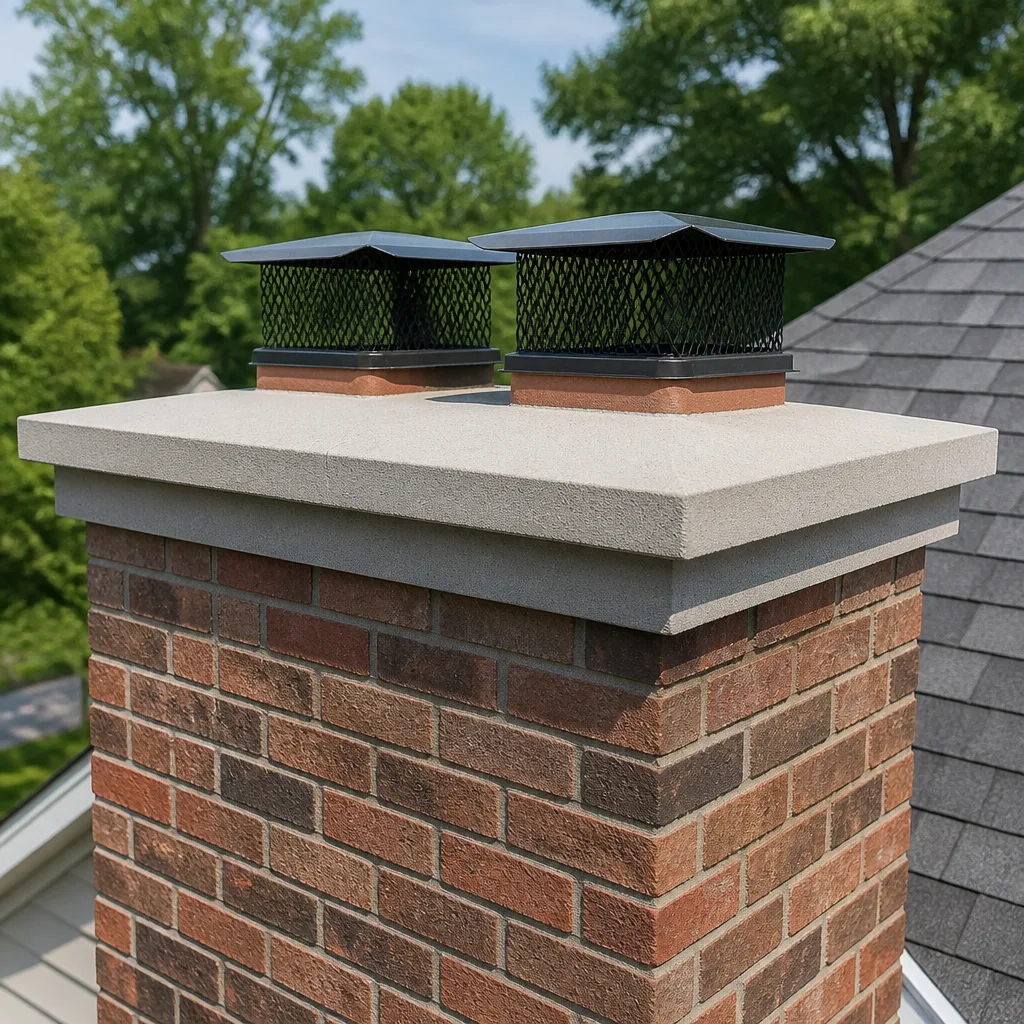
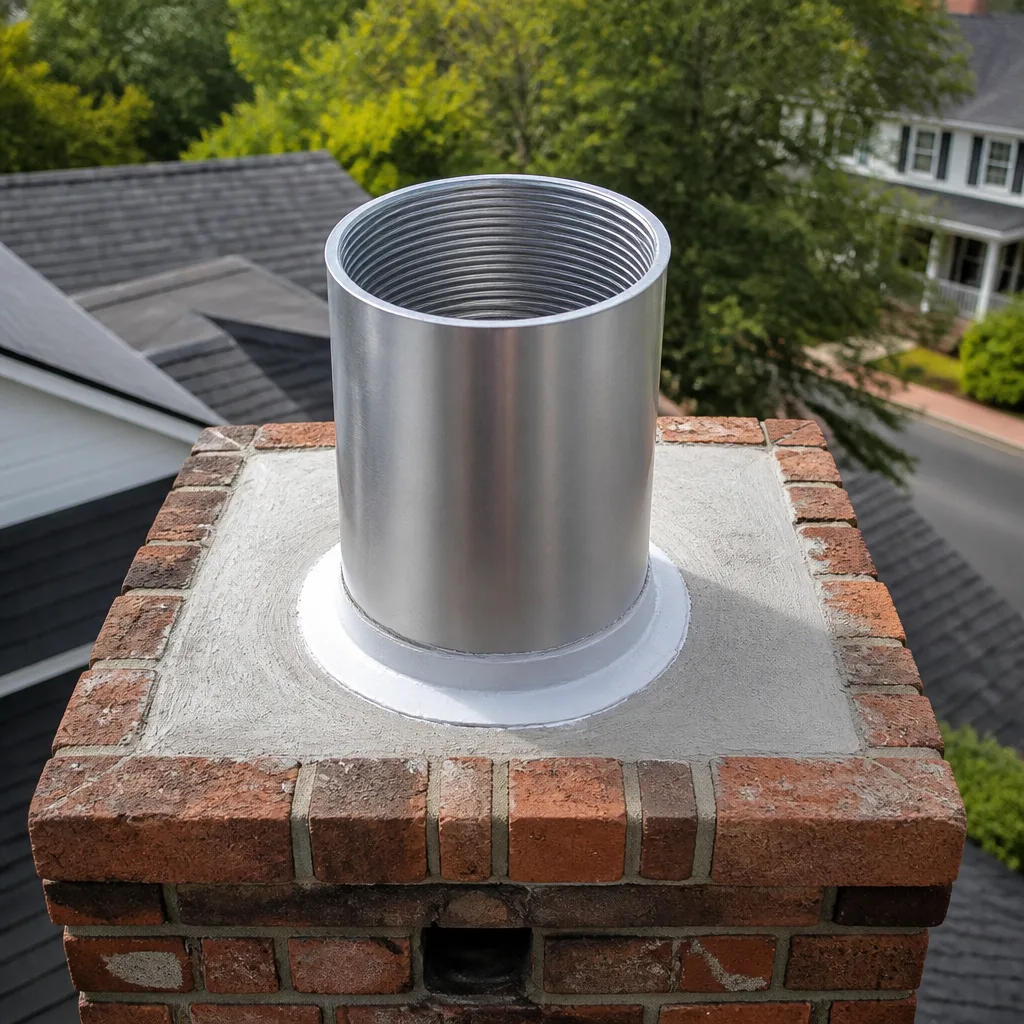
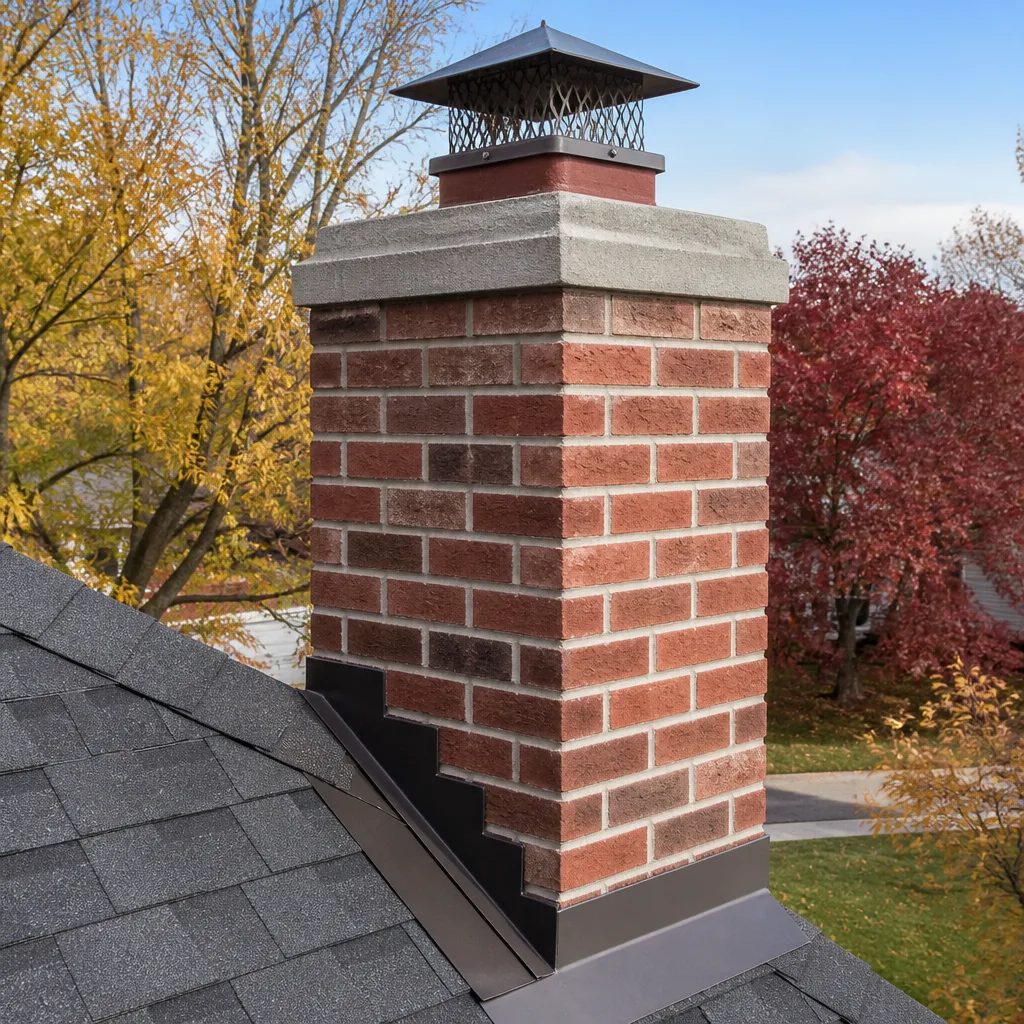
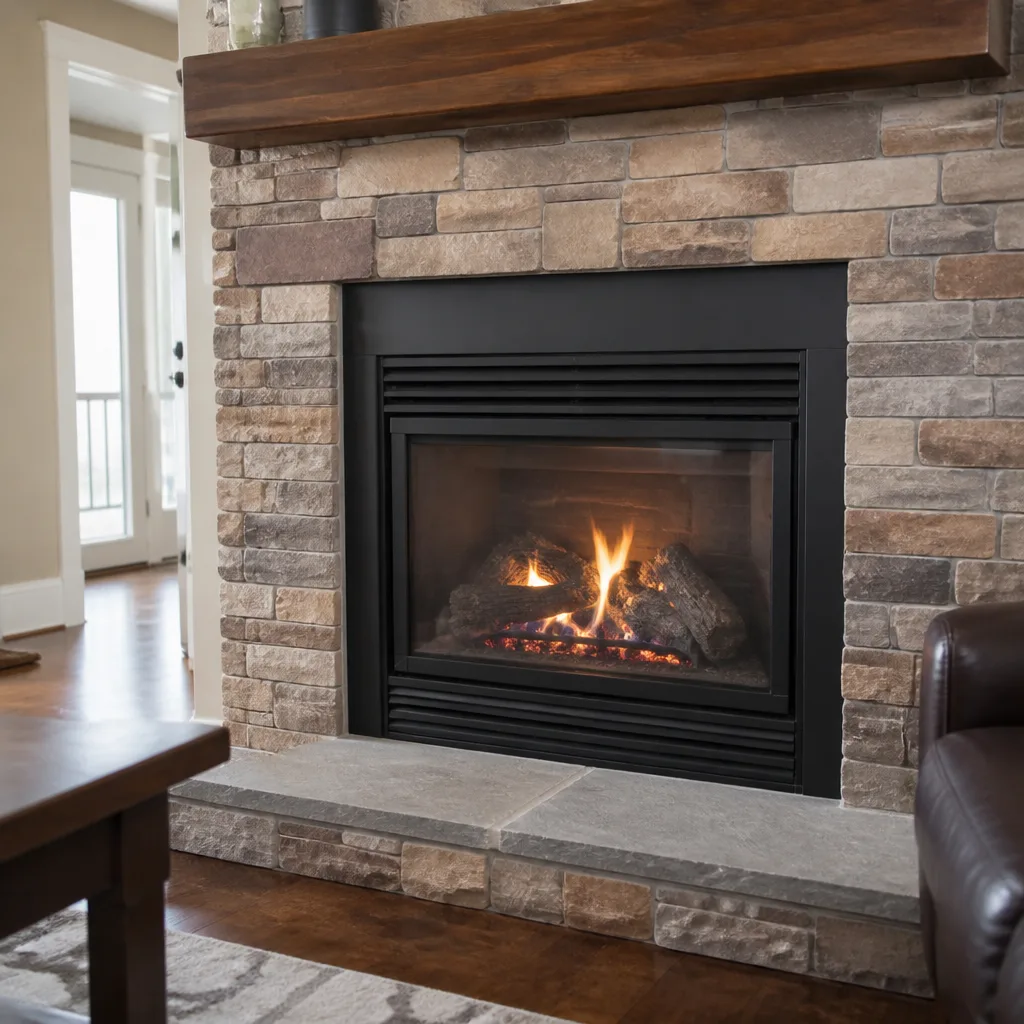
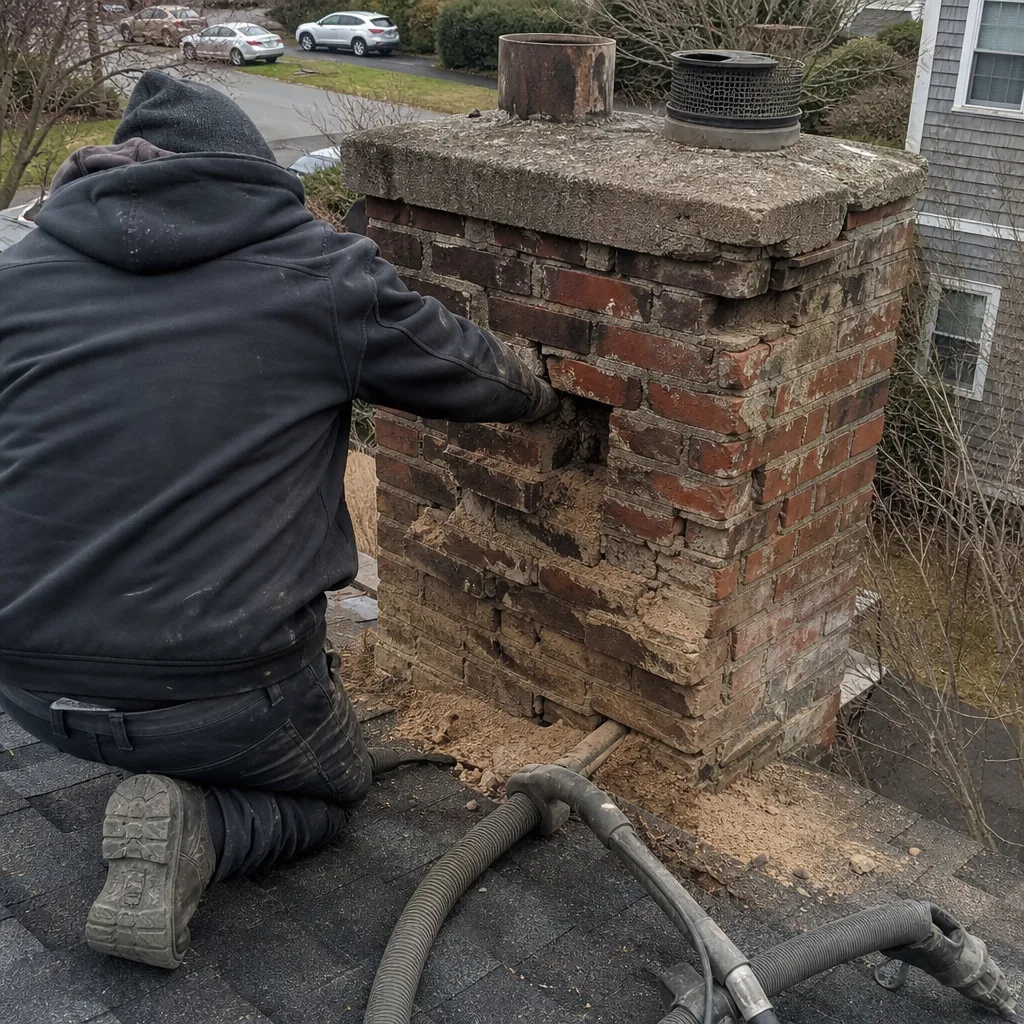 Before
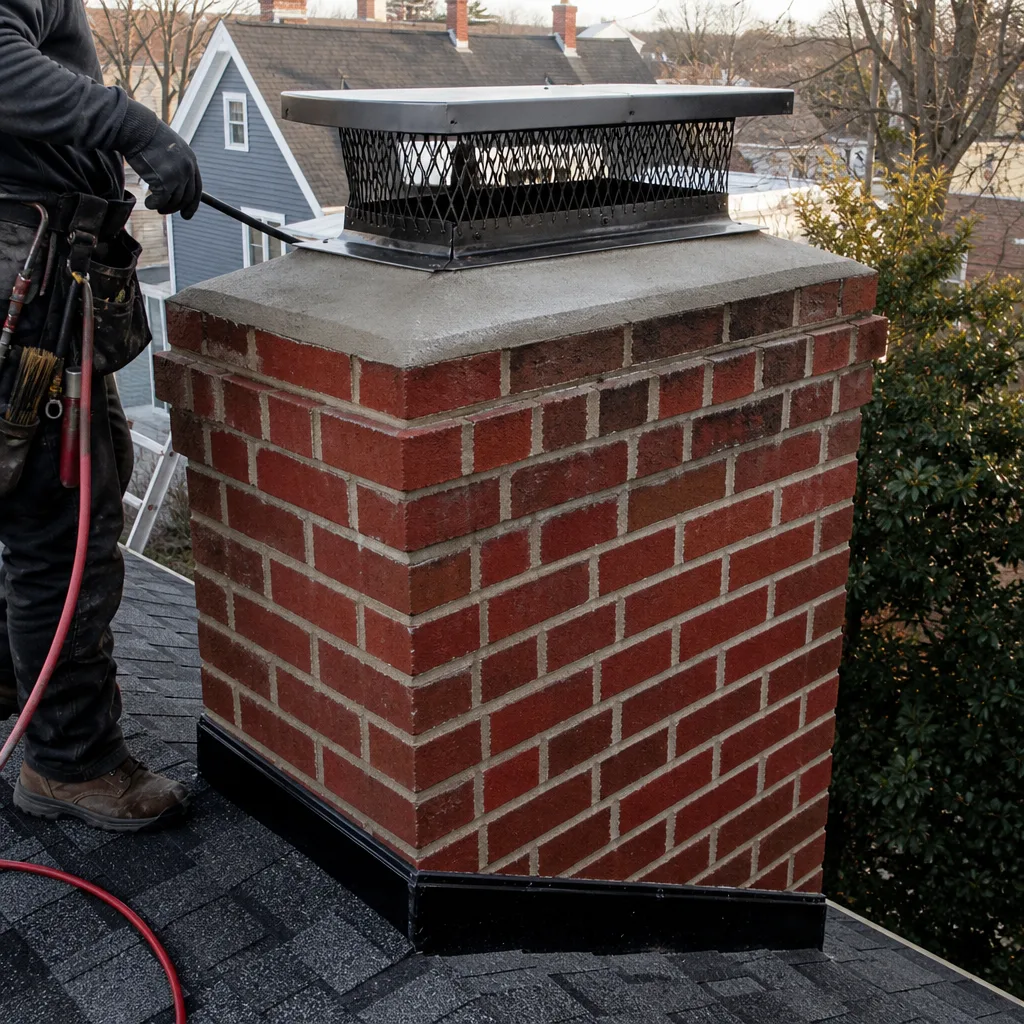 After
After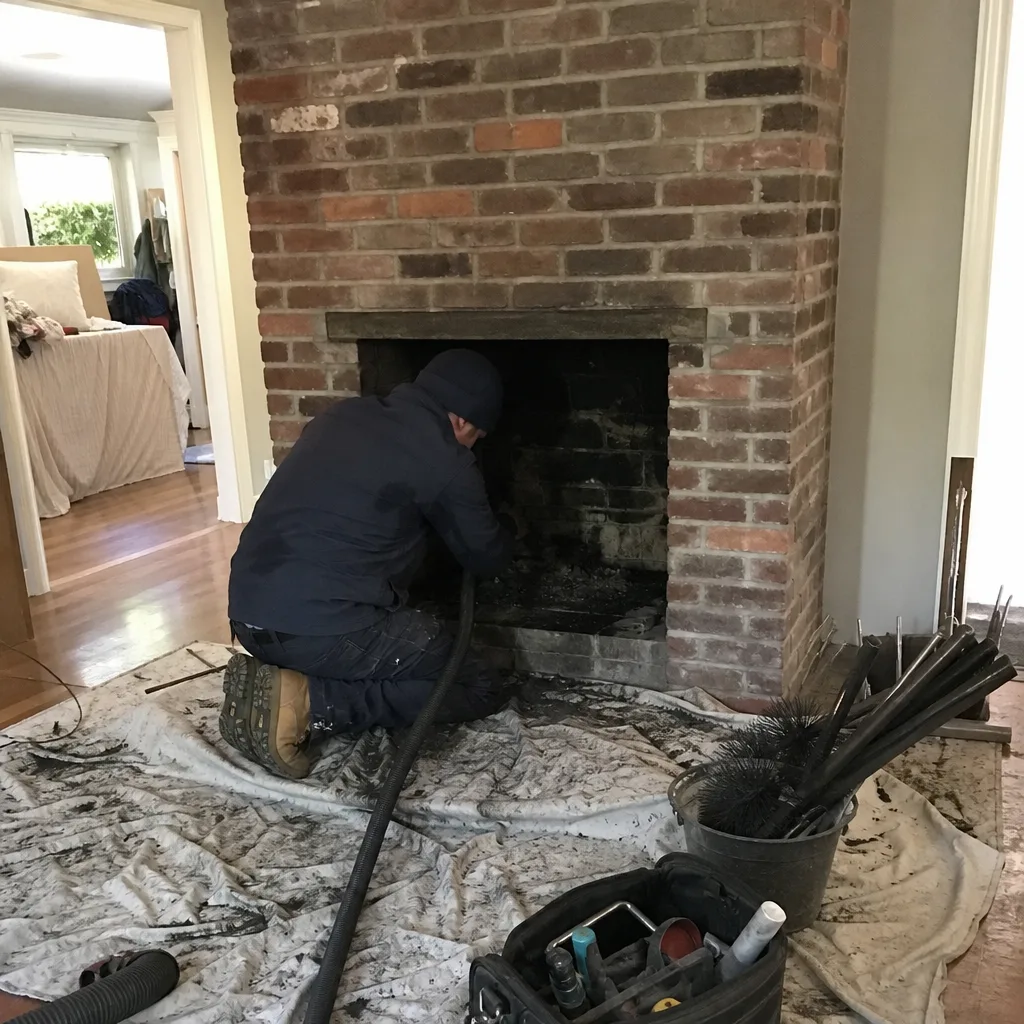 Before
 After
After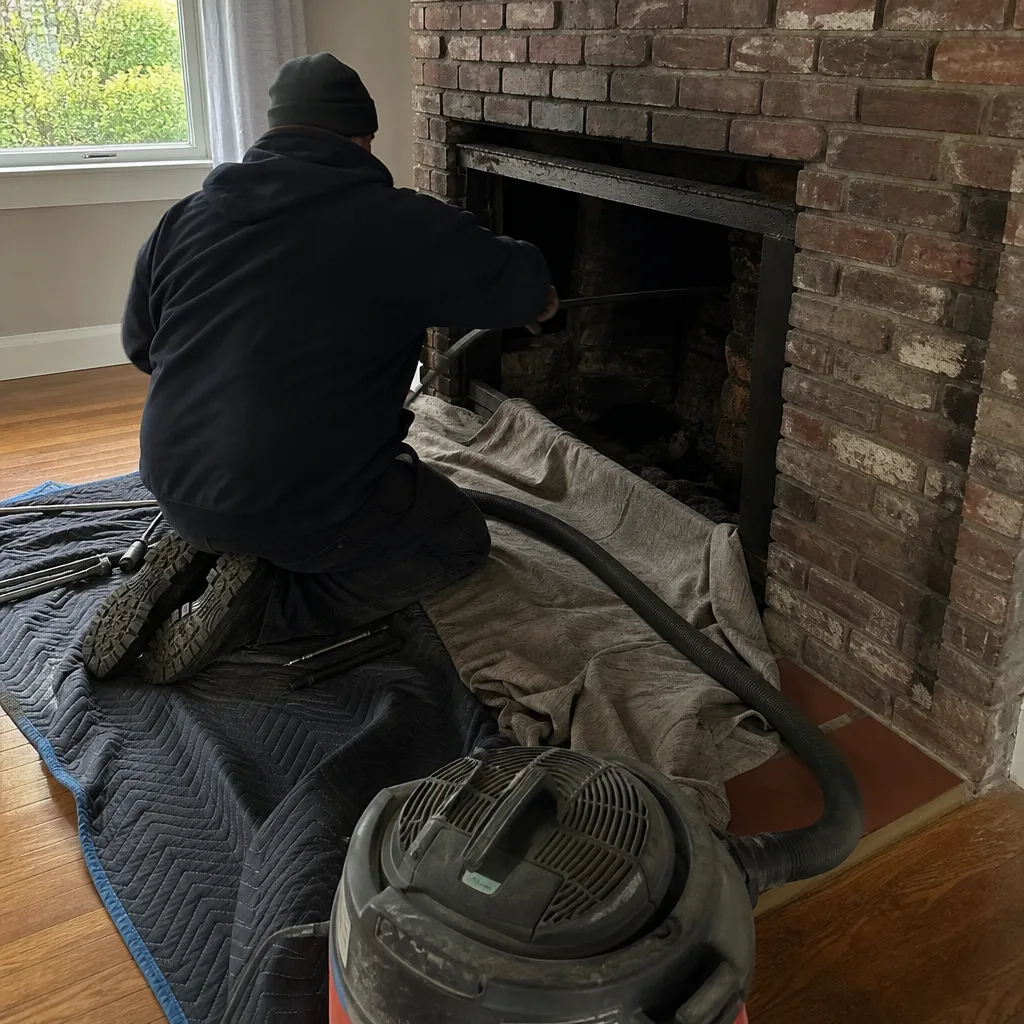 Before
 After
AfterTrusted Chimney Liner & Rebuild for Boston Homeowners
A failed flue liner is not a maintenance item you can postpone. It is the only barrier between combustion gases and the wood framing of your house, and in Boston’s housing stock, where a third of the homes were built before 1940, we pull liners that look intact from the top but have separated at the mid-flue joint where no one has looked in decades. Level Two Chimney Boston has inspected and cleaned more than 38,000 chimneys since 2009, and our camera-scan documentation on every single job means you’ll see exactly what we see before anyone touches a brick or drops a liner. Corrine Halstead, who runs our Boston operation, sets the rule plainly: nothing gets recommended without photographic evidence you can hold in your hand. If you live in the city limits or just outside, call (857) 567-8887 for a written estimate before burning season starts.
What Our Chimney Liner & Rebuild Service Includes
Stainless Steel Liner
A stainless steel liner is a continuous alloy sleeve that runs from the appliance connection at the bottom of the flue to the termination at the top, giving combustion gases one uninterrupted path out of the house. You need one when the original clay tile liner is cracked, spalling, or missing sections, or when you’re converting an old fireplace to a gas or wood insert and the existing flue is oversized for the new appliance. Level Two Chimney Boston sizes every stainless liner to the exact appliance and flue dimensions using NFPA 211 calculations, sources material through Haven’s buying network to keep the price honest, and photographs the full installation from connector to cap so the record is complete before we leave.
Flexible Liner
A flexible liner is a continuous, corrugated stainless steel tube that bends through existing flue offsets without tearing out masonry, which is why it’s the standard choice for relining historic Boston chimneys with crooked or stepped flues. It’s appropriate when the existing terra cotta tiles are intact enough to serve as a chase but the flue is no longer airtight at the joints. We pull flexible liner from brands like DuraFlex and Famco, spec the proper alloy for your fuel type (wood, gas, or oil), and insulate where code and clearance calculations require it.
Liner Replacement
Liner replacement means removing the failed liner, whether clay tile or a degraded metal sleeve, and installing a new one sized to the appliance it serves. You generally know you’re a candidate when a camera scan shows vertical cracks, missing mortar joints between tiles, or a liner that has shifted out of alignment in the flue. Our crew handles complete replacement without tearing down the chimney in most cases, and we’ll show you the before and after footage side by side so the condition isn’t something we describe; it’s something we prove.
Partial Rebuild
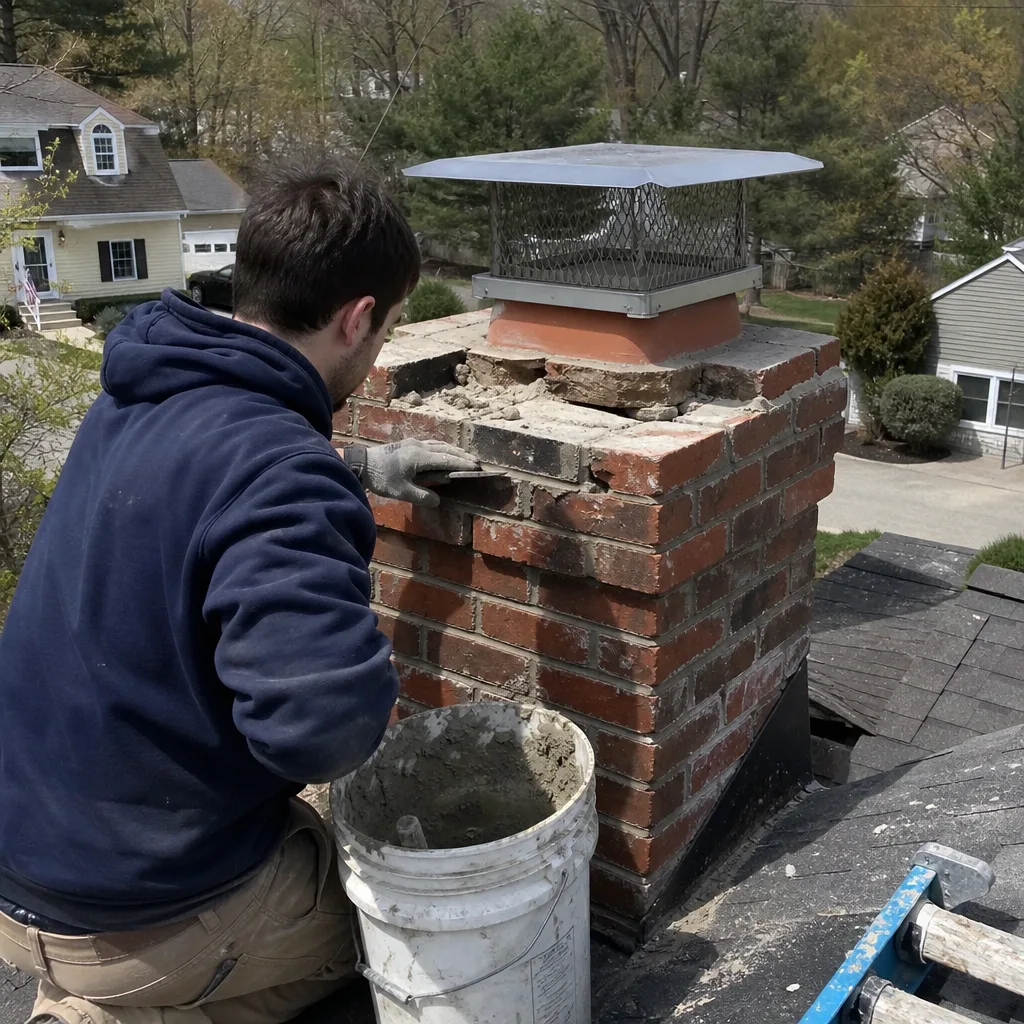
A partial rebuild addresses the upper portion of the chimney: the crown, the top three to five courses of brick, and sometimes the flue tile above the roofline, where freeze-thaw cycles in Boston have done the most damage. You need it when the mortar has washed out, bricks are spalling (the face is popping off), or the crown is cracked and letting water into the masonry. We rebuild the damaged section with a proper concrete crown, new flue tile or liner, and a bond break so expansion doesn’t crack the crown again, then we seal the repair to blend with the existing brick.
Full Chimney Rebuild
A full rebuild means taking the chimney down to the roofline, or in severe cases to the foundation, and reconstructing it with new brick, new mortar, a new liner, and a new crown. This is the call when the structural masonry itself is compromised: leaning, extensively spalled brick, or mortar so soft you can scrape it out with a flathead screwdriver. It’s the biggest job we do, and it’s also the one where our written scope and photo documentation matter most, because you should never approve that work without seeing exactly what failed and why.
Liner Repair
Liner repair covers the smaller fixes that extend the life of an otherwise serviceable liner: repointing joints between clay tiles, patching a cracked section with a refractory material, or sealing a minor gap at the smoke chamber connection. We’re honest about when repair is a reasonable option and when it isn’t, and the litmus test is simple: if a camera scan shows the liner can be made airtight and structurally sound for a defensible number of years, we’ll say so. If it can’t, we’ll show you the frame that tells the story.
What happens when you call
- 1
A real person answersNo phone trees - you reach a local pro.
- 2
You get an upfront price rangeHonest numbers before anyone is dispatched.
- 3
A background-checked tech heads outLicensed & insured, dispatched right away.
- 4
You approve before work beginsNothing starts until you say go.
Brands We Service for Chimney Liner & Rebuild
We install and work with materials from manufacturers we trust, and that trust is built on repeat performance in Boston’s wet, freeze-thaw climate. HeatShield is our go-to for cerfractory flue sealant when the liner is cracked but the surrounding masonry is sound; it’s a ceramic coating applied inside the existing flue that restores a continuous, insulated surface without tearing out the old liner. We’ve specified it for hundreds of Boston row houses where the flue runs through a party wall and opening the masonry isn’t practical.
Gelco and Olympia Chimney supply much of the hardware we use daily: caps, flashings, chase covers, and termination components. When we install a Gelco cap on a rebuilt crown or set an Olympia Chimney liner kit, we’re choosing parts we’ve seen hold up through New England winters without rusting out or backing off in wind. Whether you have a liner from one of these brands already installed, or you need a new one spec’d for your house, we can assess it, service it, and stand behind the work.
BeforeAfterSigns You Need Chimney Liner & Rebuild Right Now
- White staining (efflorescence) on the exterior brick. Water is moving through the masonry, carrying salts to the surface as it evaporates. It doesn’t mean the chimney is about to fall, but it does mean the crown, the flashing, or the mortar joints are already failing, and in Boston’s climate, the next freeze-thaw cycle will widen whatever gap is letting the moisture in.
- Chunks of clay tile in the firebox after a fire. That’s not creosote, that’s the liner itself spalling off in pieces. When a flue tile cracks and drops a fragment, the path for smoke and gases is no longer continuous, and that’s the exact condition that lets heat reach the framing around the chimney.
- Strong odor from the fireplace even when it’s not in use. A healthy flue drafts air up and out continuously; when you smell last month’s fire on a humid July day, downdrafting is pulling flue gases back into the living space. It’s unpleasant, and it’s also a sign the liner or the cap is no longer doing its job.
- Crumbling mortar joints with gaps you can fit a coin into. Mortar joints are the chimney’s gasket. When the joint is gone, water gets in, bricks loosen, and the masonry’s structural integrity starts counting down. On Boston’s old brick chimneys, this is the precursor to a partial or full rebuild.
- Visible cracks in the flue tile on a camera scan. If you’ve had a chimney cleaned and the tech said the liner looked fine without putting a camera in the flue, you got a flashlight look, not an inspection. A proper NFPA 211 Level 2 scan will document cracks, gaps, and separations, and Level Two Chimney Boston does this on every visit as standard practice under Haven Standard Clause 4.
How Much Does Chimney Liner & Rebuild Cost in Boston?
What changes the price: flue height and liner diameter, the condition of the existing masonry, roof pitch and access, whether the old liner needs full removal or can be chased over, and whether code requires insulation or a specific alloy for your fuel type. What shouldn’t change the price is surprise. We deliver a written scope, written warranty, and written price before any work starts, as Haven Standard Clause 1 requires, and if you have another company’s written quote, we’ll do a free second opinion on it. You’ll know what you’re paying and why before anyone gets on a ladder.
Chimney Liner & Rebuild Near Boston - Our Service Area
Level Two Chimney Boston works across the metro, and most of our liner and rebuild jobs happen within a 30-minute drive of the city. We regularly service homes in Quincy, Cambridge, Milton, Newton, Winchester, Waltham, Wakefield, Norwood, Peabody, Reading, and Burlington, with the same camera-scan documentation and written pricing on every job no matter the zip code. If you’re outside that ring, call anyway; we’ll tell you honestly whether we can get to you. For more on what we do in a specific city, see our page on Chimney Liner & Rebuild in Quincy or Chimney Liner & Rebuild in Cambridge.
Serving Boston, MA - Our Local Coverage Area
We’re based in the Boston area and offer Chimney Liner & Rebuild - Boston services, so we know this community well. Use the map below to see our service coverage - if you’re nearby, we can almost certainly help.
Frequently Asked Questions - Chimney Liner & Rebuild in Boston
What is chimney liner and rebuild?
A chimney liner is the continuous interior sleeve, usually stainless steel or clay tile, that contains your flue gases and protects the surrounding masonry and framing from heat and corrosion. A liner and rebuild job in Boston usually means either installing a new liner in an existing chimney or rebuilding the masonry itself because the brick and mortar have degraded past the point of repair. The level of work needed is determined by a camera scan against the NFPA 211 Level 2 standard, which is exactly what Level Two Chimney Boston performs on every visit.
How long does chimney liner or rebuild work take?
A straightforward stainless steel or flexible liner replacement is usually one day on site, start to finish. A partial rebuild of the upper courses and crown typically takes two to three days, depending on access and the cure time for the mortar. A full chimney rebuild from the roofline up can take five to seven working days, and during that time we protect the opening, keep the work area sealed, and send you photo updates so you can see progress without being home.
How much does chimney liner and rebuild cost in Boston?
In Boston, a stainless steel liner replacement typically runs $2,200 to $4,500 for a single story, a flexible liner $3,800 to $6,500 for two stories, a partial rebuild $3,500 to $7,200, and a full rebuild from the roofline up $9,000 to $20,000 or more depending on access and height. These are ranges based on jobs we’ve actually completed in the city, not national averages. You’ll get a written price before we start, and if you have a competitor’s written quote, bring it to us for a free second opinion. Call (857) 567-8887 to schedule an estimate.
Do you service HeatShield, Gelco, and Olympia Chimney products?
Yes. We install and service HeatShield cerfractory liner sealant, Gelco caps and termination parts, and Olympia Chimney liner kits, along with components from DuraFlex, Famco, and Copperfield. If you have an existing liner or cap from one of these manufacturers, our techs see it regularly, and we keep the common parts on the truck rather than ordering and making you wait a week.
Do you handle emergency chimney liner issues?
If the issue is actively dangerous, like smoke backing into the house or visible fire risk, our phone line is answered by a live person around the clock at (857) 567-8887, and we’ll talk you through what to do over the phone before we schedule the visit. What we won’t do is pretend every chimney problem is an emergency to get you to book. If you can safely wait, we’ll say so, and we’ll quote you a written price for the work so you can plan it.
What kind of warranty comes with the work?
Every liner or rebuild job we do is backed by the 365-Day Done Right Promise: if it’s not done right, we make it right. Beyond that, the specific material warranty varies by manufacturer and product, and it’s spelled out in writing before you approve anything, because under Haven Standard Clause 1, the written warranty is part of the written scope. We don’t offer verbal assurances that evaporate later.
How do I prepare for a liner or rebuild appointment?
For a liner installation, clear the area in front of the fireplace and move anything fragile back at least eight feet, because we’ll be running tools in that zone. For a partial or full rebuild, we’ll need roof and ladder access, so parking a car out of the ladder line and letting us know about any roof-mounted antennas or satellite dishes ahead of time saves a trip. You don’t need to be home for the whole job; we’ll photograph everything, but we do need a signature on the written scope before any work begins.
Schedule Your Chimney Liner & Rebuild Service in Boston Today
If your chimney has been telling you something is wrong, or your last inspection didn’t involve a camera, call Level Two Chimney Boston at (857) 567-8887. We’ll schedule your written estimate, put a camera down the flue, and hand you a photo record with a priced scope, before any work is approved. Our home page has more on how we’ve done this for 38,000-plus chimneys since 2009, and Corrine Halstead and the crew are ready when you are.
Written by Corrine Halstead, owner of Level Two Chimney Boston, serving the Boston metro area since 2009.