
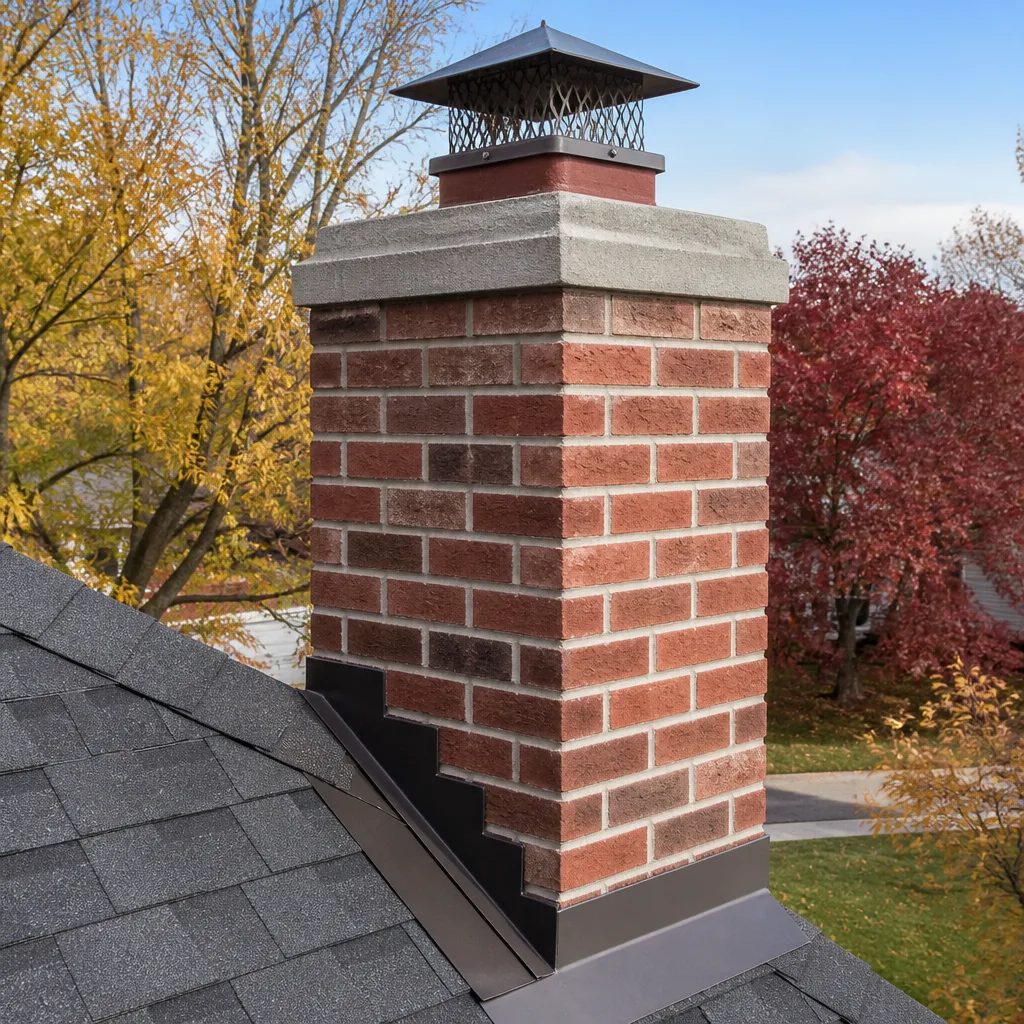
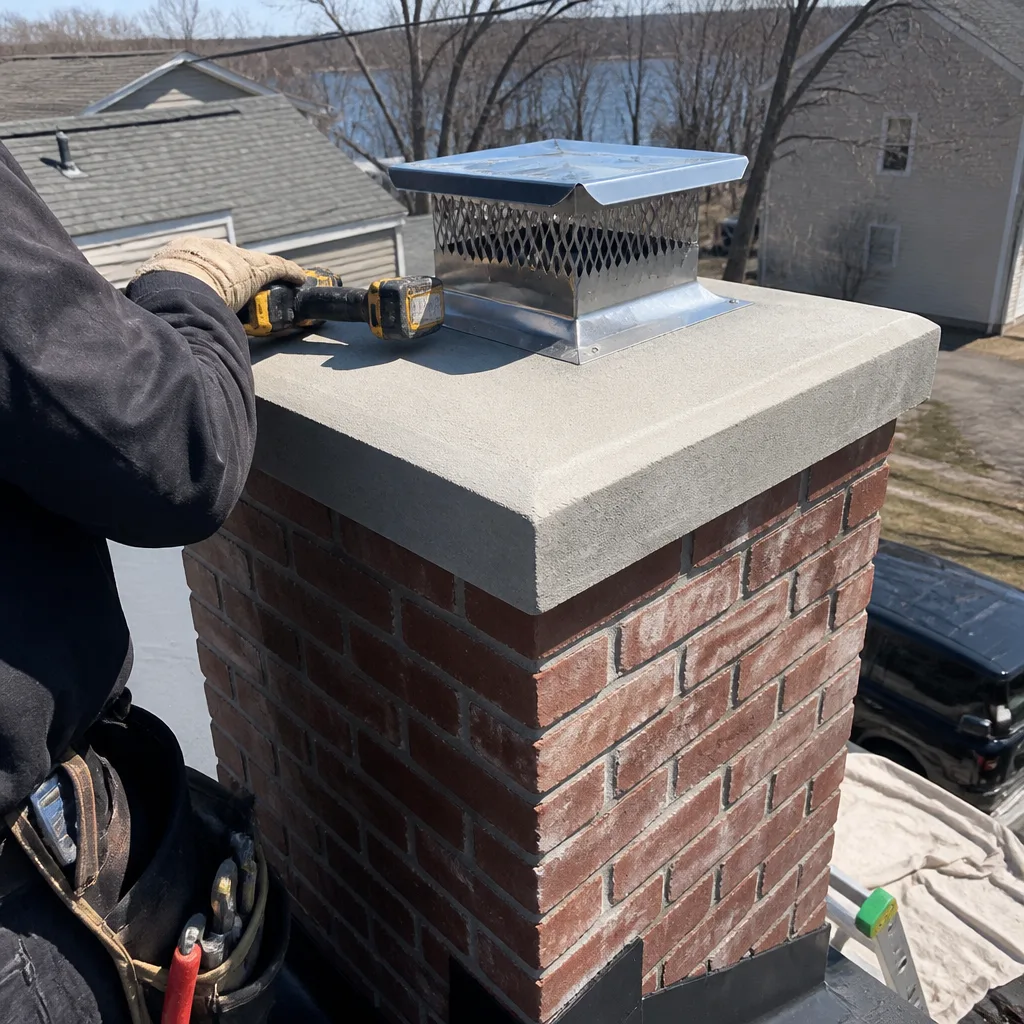
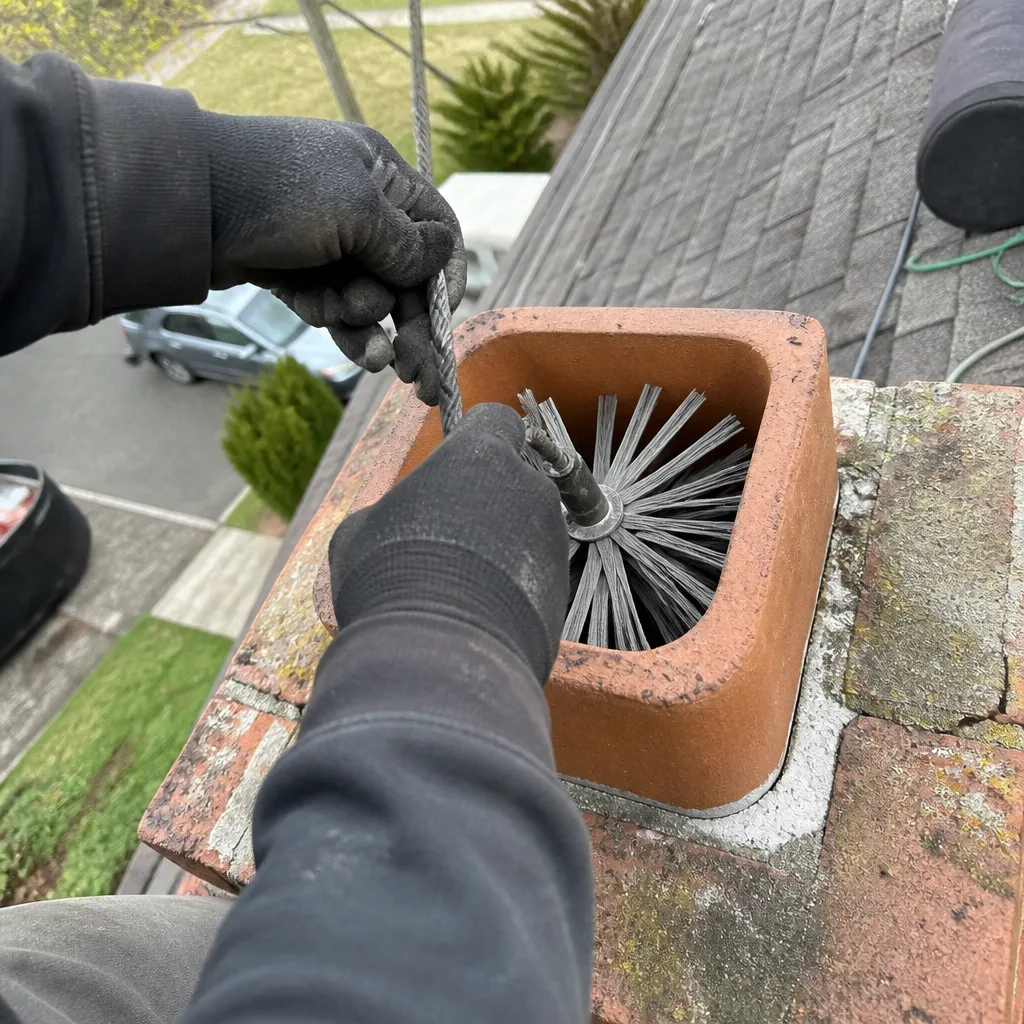
Level 1 sweep and inspection to the NFPA 211 annual standard - flue, crown, cap, and flashing checked and photographed
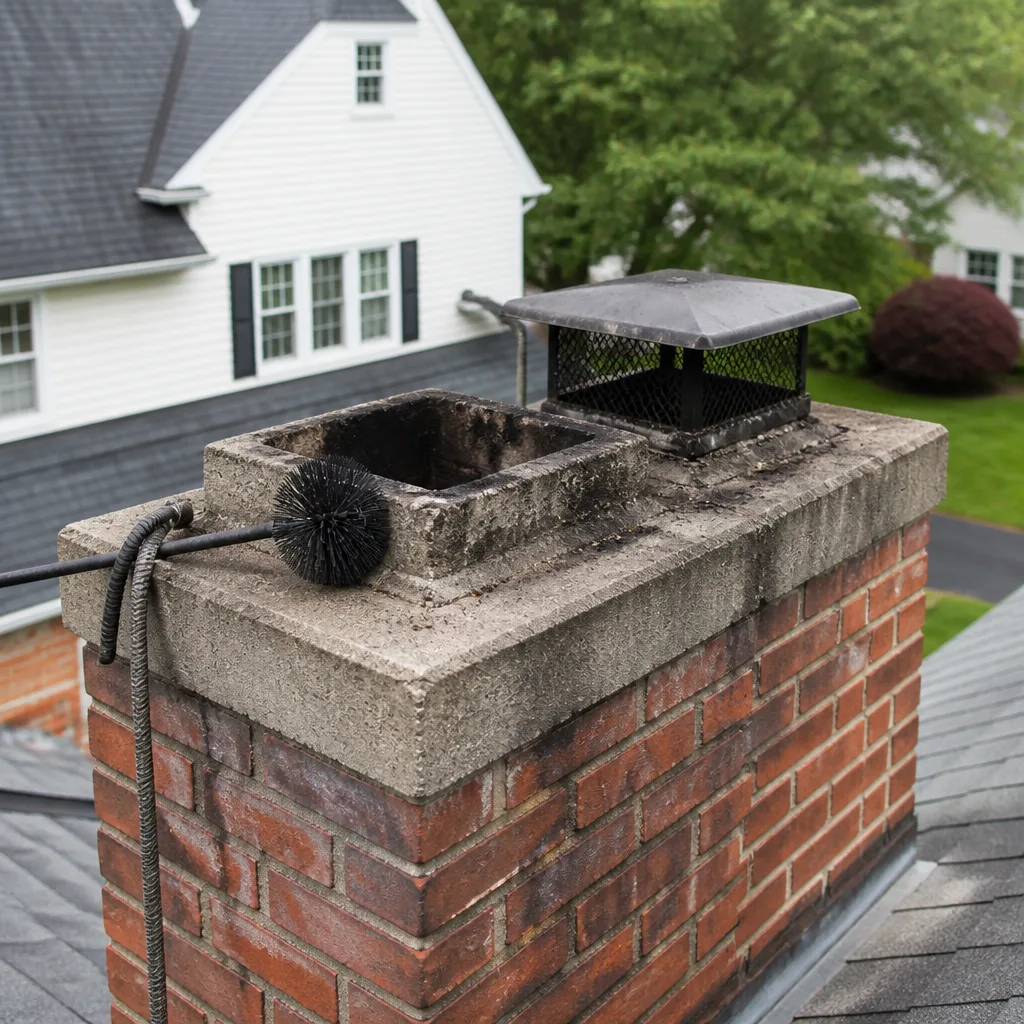
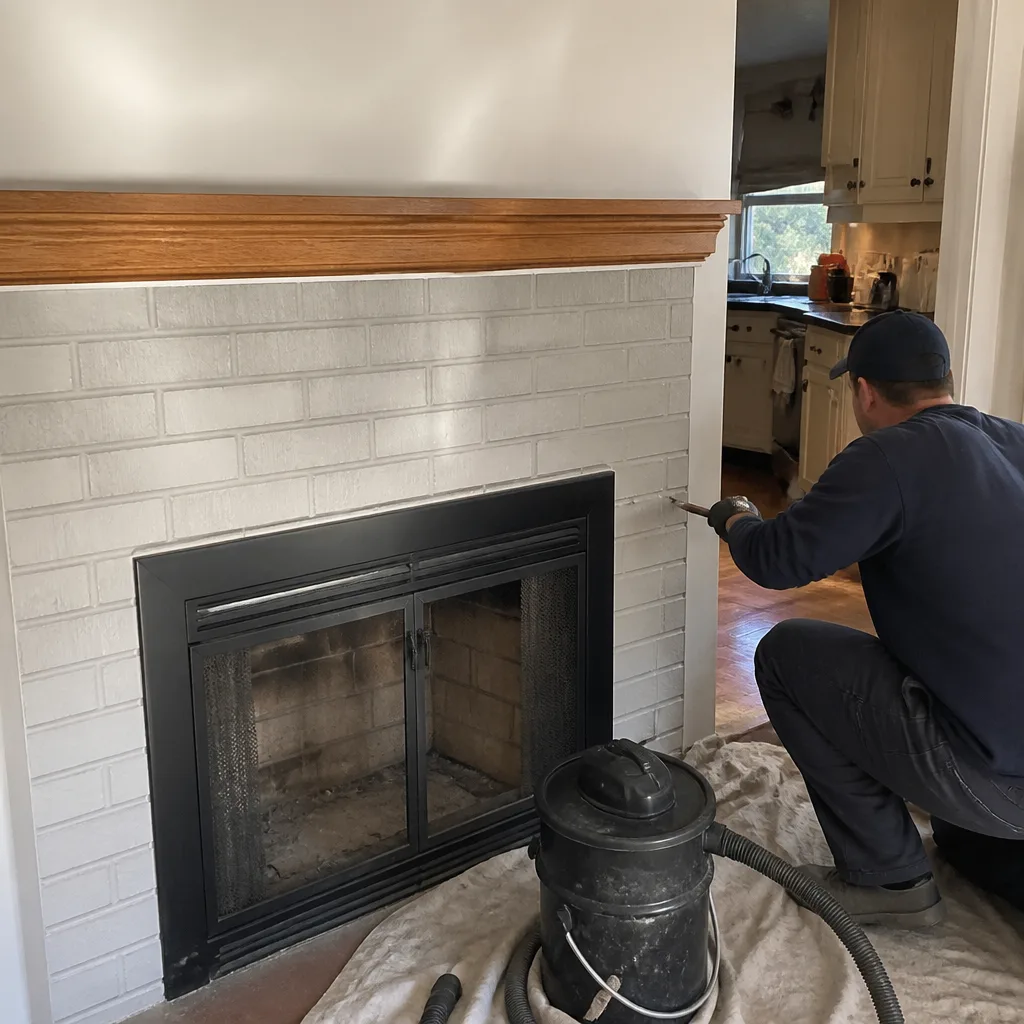
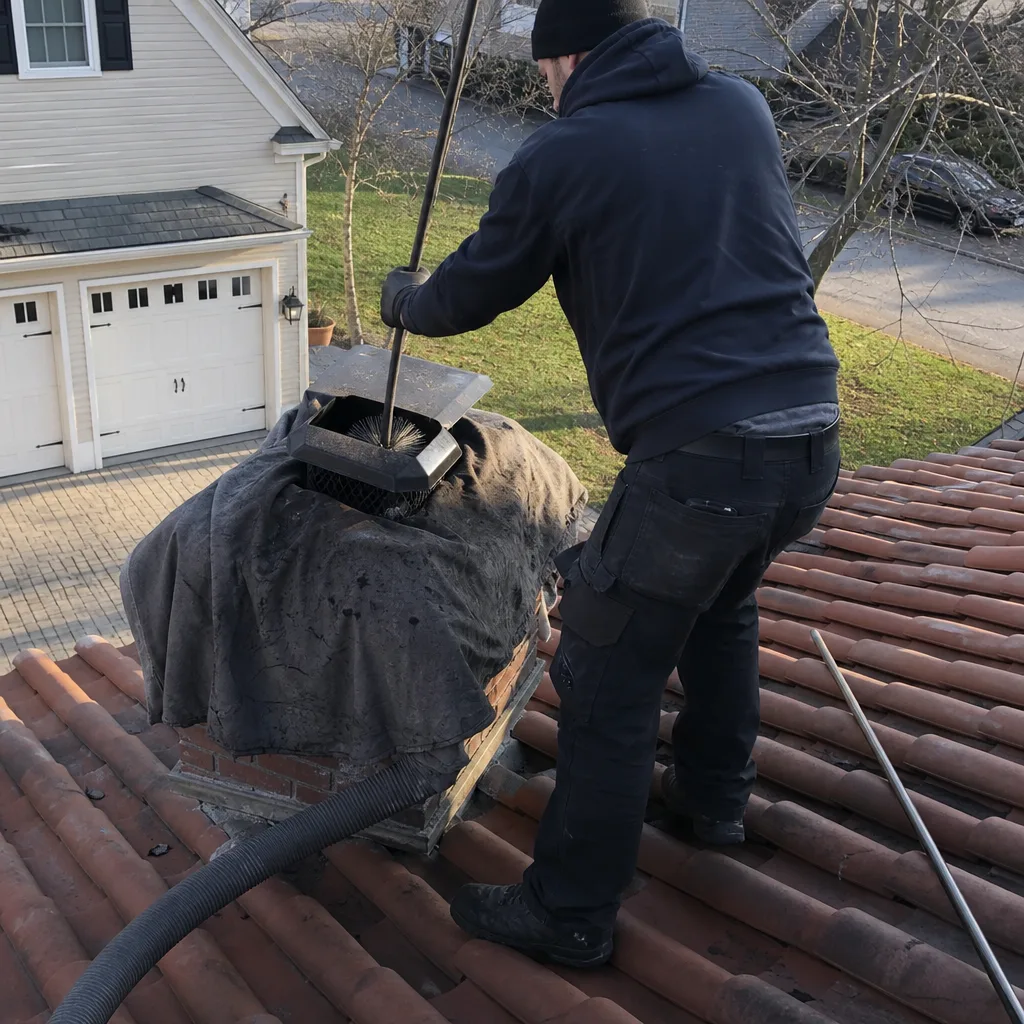
Chimney sweep logs do not sweep chimneys. They loosen some creosote - which then falls where a brush and vacuum still have to collect it.
 Before
 After
After Before
 After
After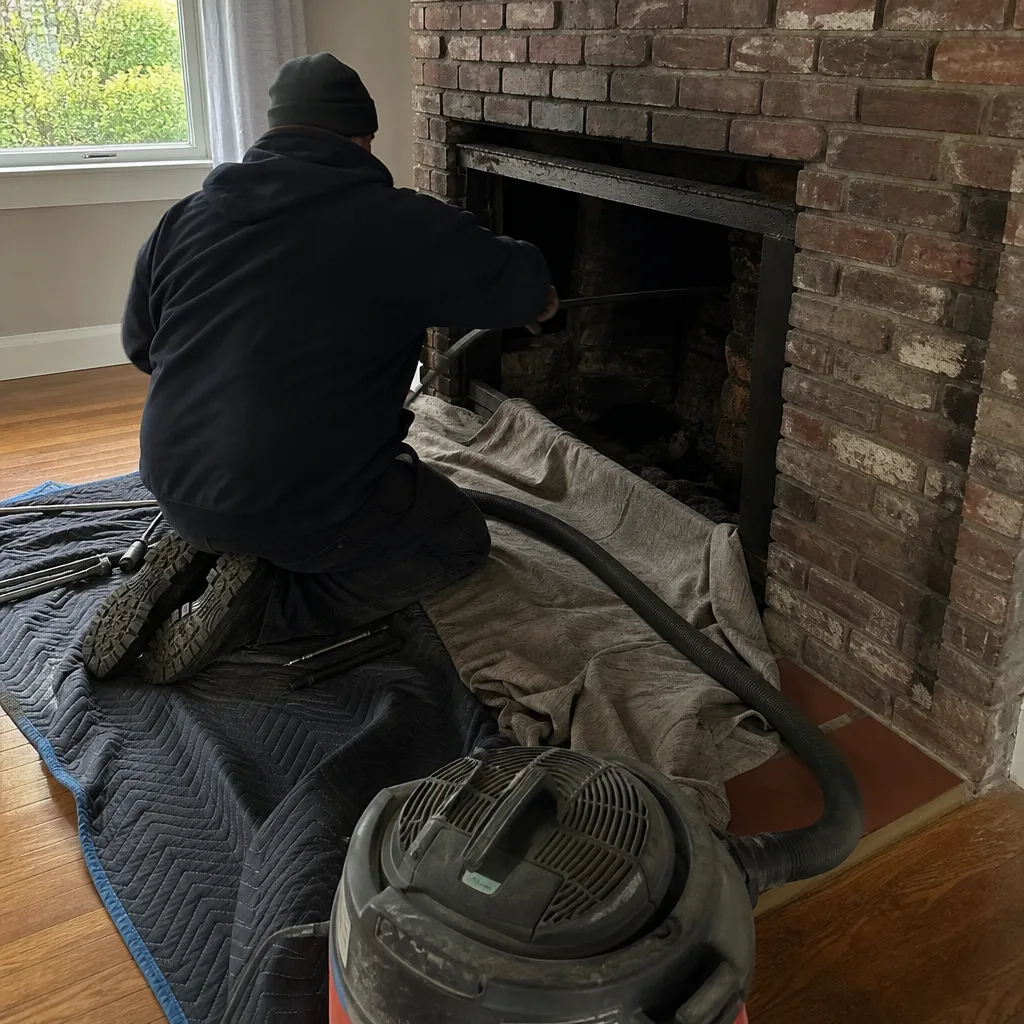 Before
 After
AfterGelco Flue Liner Replacement: The Boston Owner’s Guide
A Gelco flue liner replacement in Boston typically runs $2,400 to $4,800 installed, depending on liner diameter, flue height, and whether we’re relining the full run or a section. We stock Gelco-compatible stainless liners on our trucks for most common sizes, so a swap is usually a one-day job once we confirm measurements. Most owners discover the liner has failed during a Level 2 inspection, when the camera shows corrosion, cracks, or separation at the joints. Some find out the harder way: water staining on the ceiling near the chimney, or a smell that won’t leave even after the fire’s been out for days.
Which Gelco Models This Applies To
Gelco liners come in two alloy grades that matter for Boston chimneys: standard 316L stainless for wood-burning and gas flues, and a heavier 316Ti alloy for oil-fired systems where acidic condensate eats through thinner metal. If your flue was installed before 2010, it’s likely the first generation of Gelco’s flex liner, which used a lighter wall thickness and a crimped seam that’s more prone to separating at the connection points over two decades of Boston’s freeze-thaw cycles.
The liner itself carries identifying tags at the top connection plate. On Gelco, you’re looking for a stamped code that starts with either “GF” (flex) or “GR” (rigid section), followed by the diameter in inches. If the tag’s gone, which happens often on older Boston rooflines, we measure the flue interior from the crown and match the new liner to the appliance’s BTU output, not just the old pipe diameter. A gas furnace with a 6-inch outlet doesn’t necessarily need a 6-inch liner. Undersizing was a common install error in the 1990s, and it’s one of the first things our camera reveals.
We install OEM Gelco when the homeowner’s insurance or warranty documentation requires it. In most replacement cases, a quality aftermarket liner from DuraFlex or Olympia matches the spec at 15 to 20 percent less, and we’ll show you both prices in writing before anything gets ordered. Level Two Chimney Boston is independently owned and not affiliated with Gelco, so our recommendation isn’t tied to their catalog.
Signs Your Gelco Flue Liner Replacement Is Failing
- Water in the firebox after rain. A liner that’s split at the seam or pulled away from the top plate lets rain run straight down the flue interior. If you find a shallow puddle in the firebox on a dry morning, the liner’s often the leak path, not just the crown.
- Draft problems that came on gradually. A liner with a separated joint pulls smoke up half the flue, then lets it stall. You’ll notice the fire is harder to start, and the room smells like last night’s fire by morning.
- Visible flakes or rust at the cleanout door. This is liner material failing from the inside. Short flue sections, broken pieces, or a gritty rust pile at the base of the flue means the stainless has oxidized through.
- The carbon monoxide detector near the fireplace goes off intermittently. A cracked liner can’t contain combustion gases. Even a small opening at a joint is enough to push CO into wall cavities or living space during certain wind conditions.
- You can see light through the flue walls during an inspection. Our camera shows pinhole light bleeding through a corroded liner at night or overcast inspections. It’s the clearest possible indication the liner has lost structural integrity.
BeforeAfterReplacement Cost & What’s Included
A full Gelco liner replacement in Boston lands between $2,400 and $4,800 installed. At the lower end, you’re looking at a shorter single-story flue with good access and a straightforward pull-and-drop. At the higher end, we’re dealing with a three-story triple-decker on Dorchester Avenue with a steep roof, a masonry flue that needs prep work, or a liner that’s cemented into place and requires breaking out the old section before install.
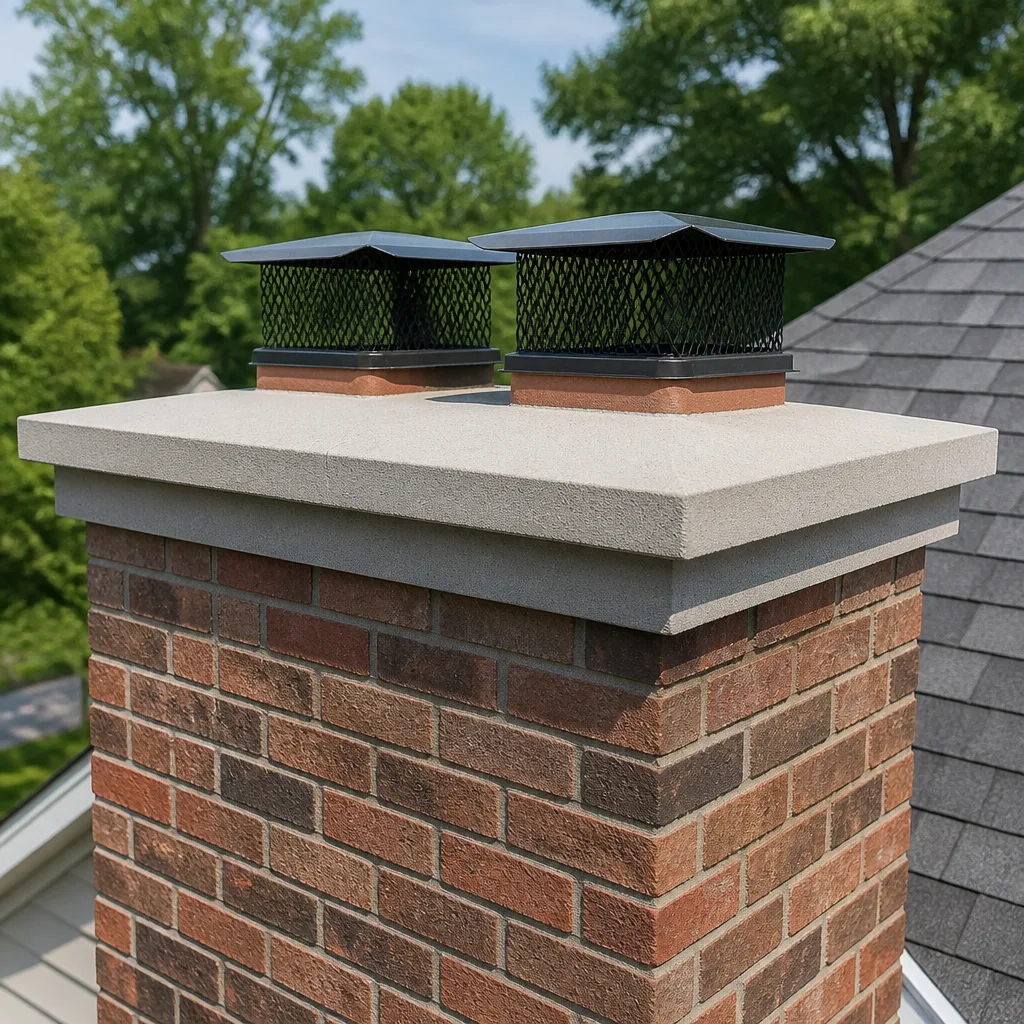
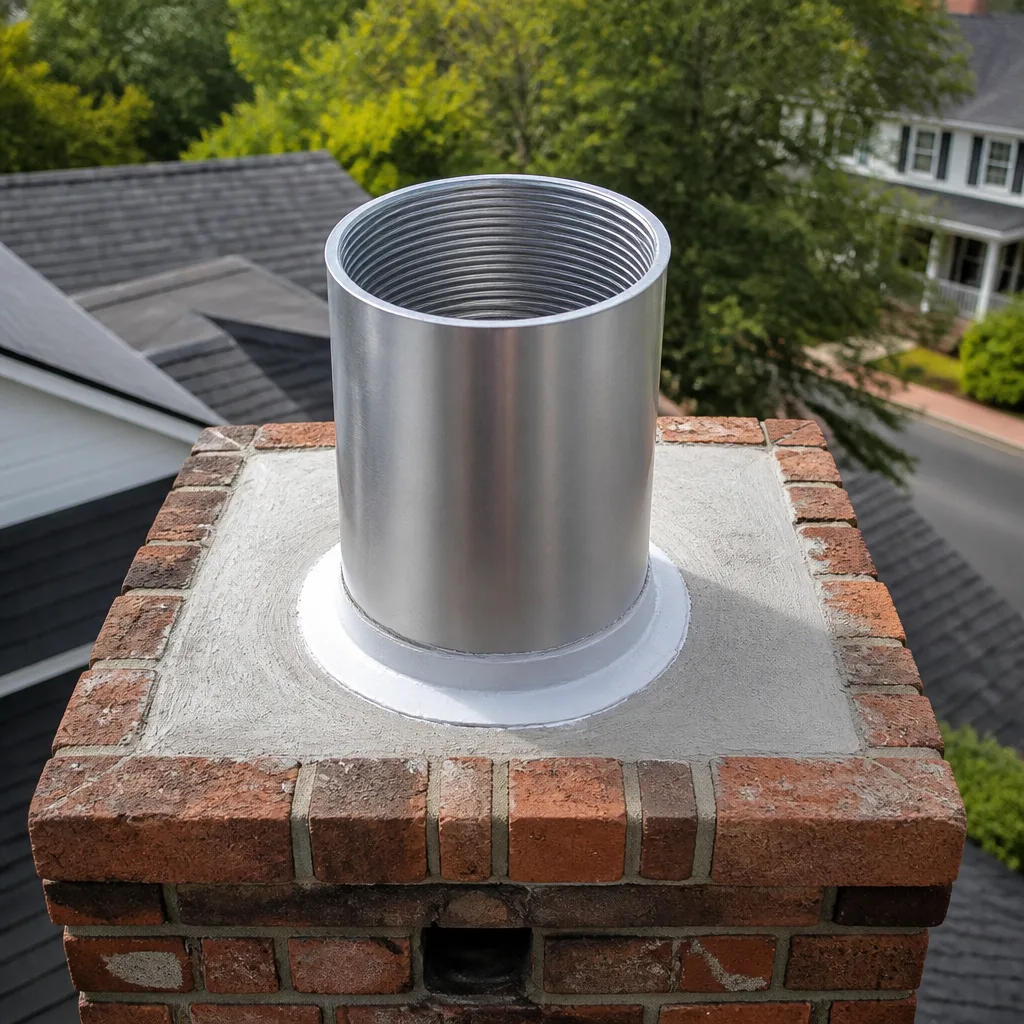
Every replacement includes the liner, top plate, rain cap, connector to the appliance, and the full sweep of the flue before the new liner goes in. We don’t install a new liner over old creosote. We also pull permits where Boston code requires them. The written quote shows the parts cost, the labor, and the permit fee as separate line items. The work carries our 365-Day Done Right Promise: if anything about the install isn’t right, we make it right within a year.
A camera scan before and after is standard on every replacement, and you get the photo record from both passes. If we’re putting a liner into a flue that had a fire, we’ll document the tile condition before the new liner covers it. That record matters if you ever sell the house.
DIY or Call Us?
You can check the cleanout door for rust flakes and look for water in the firebox. Those are safe homeowner observations. What you shouldn’t do is pull a liner yourself. A flex liner under tension can snap back when the top connection releases, and the edges of split stainless are sharp enough to send you to urgent care. If the liner has separated mid-flue, the section above it can drop without warning while you’re working. That’s a serious injury, not a scratch.
The other reason we recommend a pro for this is measurement. A liner that’s even 2 inches short of the top plate will leak exhaust into the chimney chase. A liner that’s too narrow chokes the draft and voids the appliance warranty. We’ve fixed enough DIY liner installs in Beacon Hill and South Boston to know that a $300 savings on labor often becomes a $900 repair six months later. If you suspect your Gelco liner is failing, call (857) 567-8887 and we’ll camera-inspect it before quoting anything. The inspection shows you exactly what we’re seeing.
The camera doesn’t guess. Neither do we.
FAQs
A Gelco stainless liner in greater Boston typically lasts 15 to 25 years, depending on fuel type and how often the flue was swept. Oil-fired systems run hotter and more acidic, which cuts the lifespan toward the lower end. In our experience on pre-1920 Boston chimneys, a liner that’s past year 18 is showing measurable thinning at the seams, and we recommend replacing it before it fails outright. Call (857) 567-8887 for a camera inspection if your liner is in that range.
Small pinholes and minor joint separations at the top connection can sometimes be patched with a stainless wrap or a resizing connector at the crown. But once the liner shows corrosion through more than 20 percent of its diameter, or splits at a mid-flue seam, replacement is the honest fix. A patch on a stretched liner buys you a season, not a decade. We’ll show you the camera footage either way and give you a written price for both options.
Most Gelco liner replacements in Boston are completed in one day, typically 4 to 7 hours depending on roof access and whether we’re removing an old liner that’s cemented in place. If masonry prep is needed around the smoke chamber or crown, expect a second day for that work. We’ll tell you before we start, in writing.
Yes. Our Boston trucks carry common Gelco and Gelco-compatible stainless liner diameters in 5.5, 6, 7, and 8 inches in both 316L and 316Ti alloy. If your flue requires a diameter we don’t have on hand, we source it from our local supplier network and typically have it within two business days. We also stock DuraFlex and HeatShield products for cases where a Gelco replacement isn’t the best match.
If you’ve got a Gelco liner that’s failing or you’re seeing water, rust, or draft issues in your Boston chimney, call (857) 567-8887. We’ll schedule the camera inspection, write up exactly what needs to happen, and hand you the price before any work begins. Estimates are free, and the written quote is yours to keep whether or not you hire us.
Written by Corrine Halstead, Owner, Level Two Chimney Boston at Level Two Chimney Boston, serving Boston and nearby areas.