
Level 1 sweep and inspection to the NFPA 211 annual standard - flue, crown, cap, and flashing checked and photographed
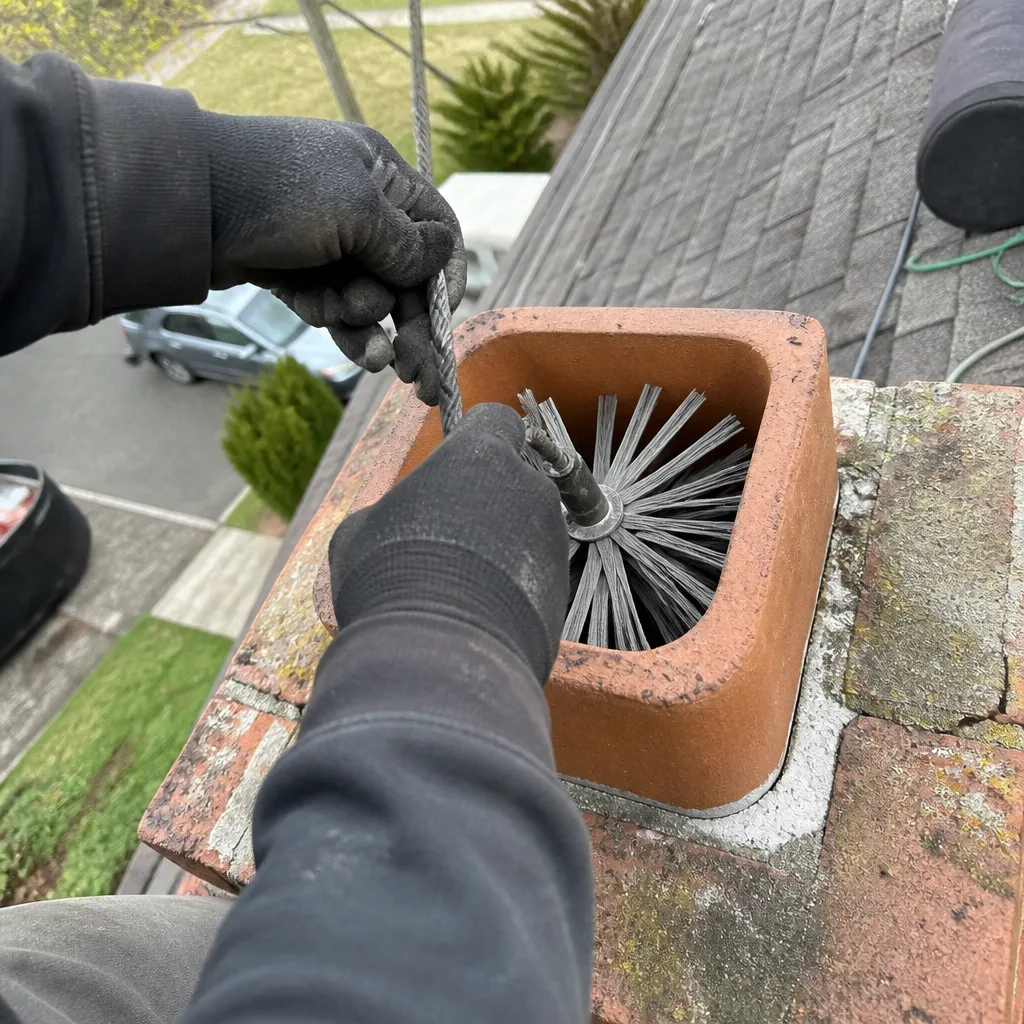
Chimney sweep logs do not sweep chimneys. They loosen some creosote - which then falls where a brush and vacuum still have to collect it.
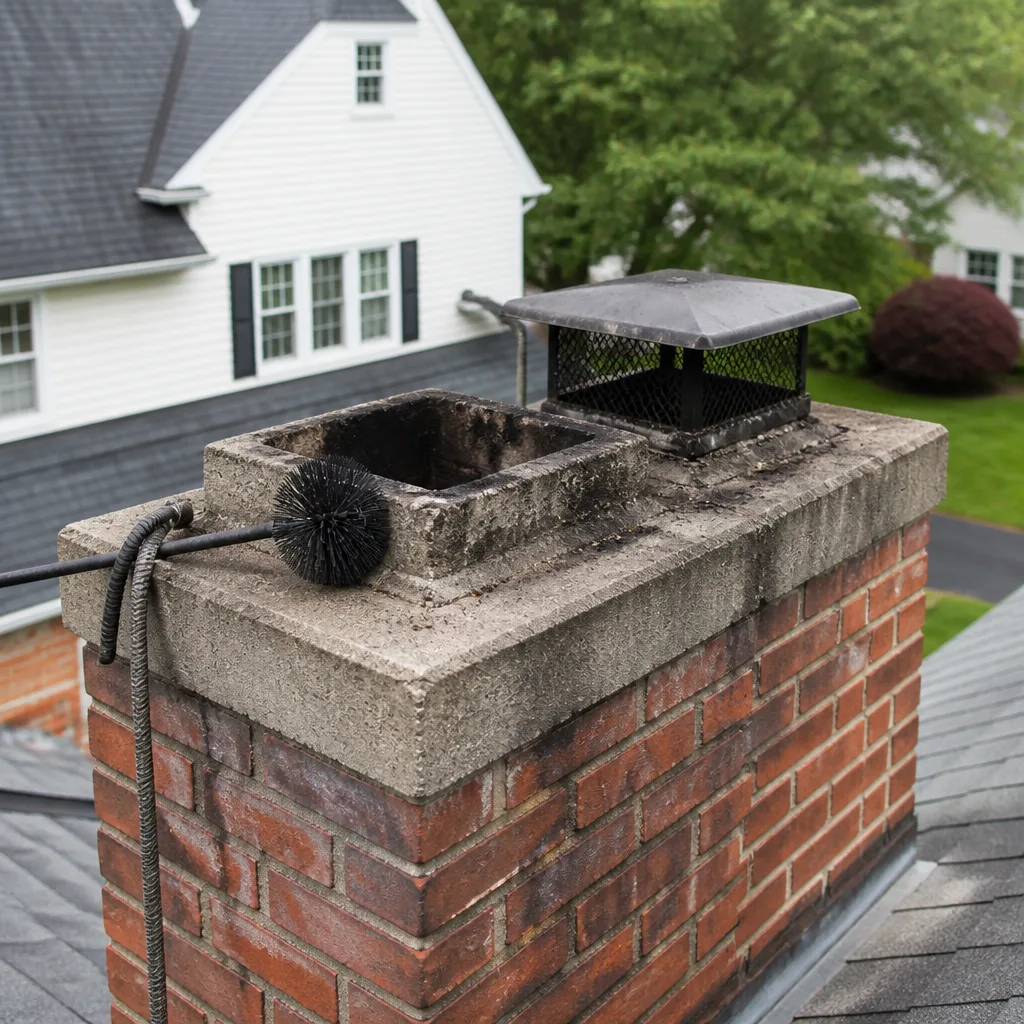
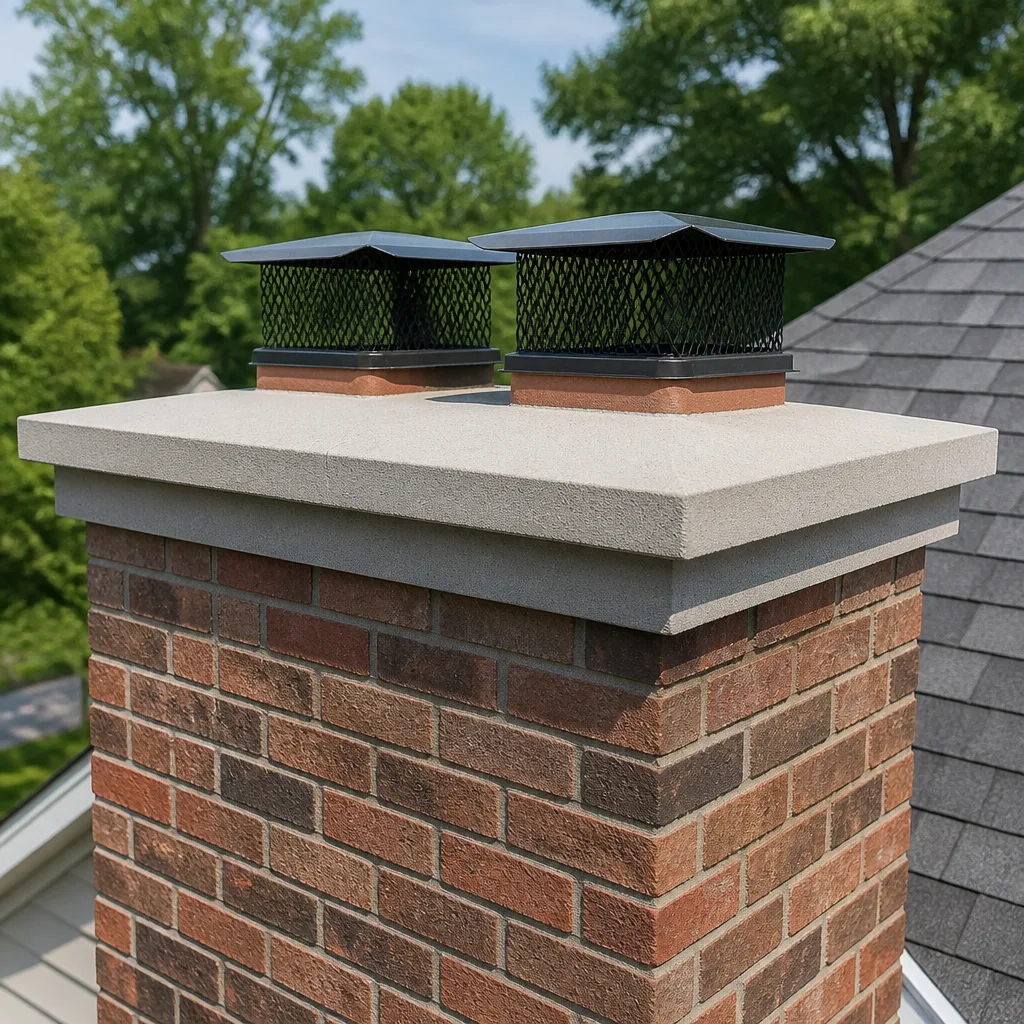
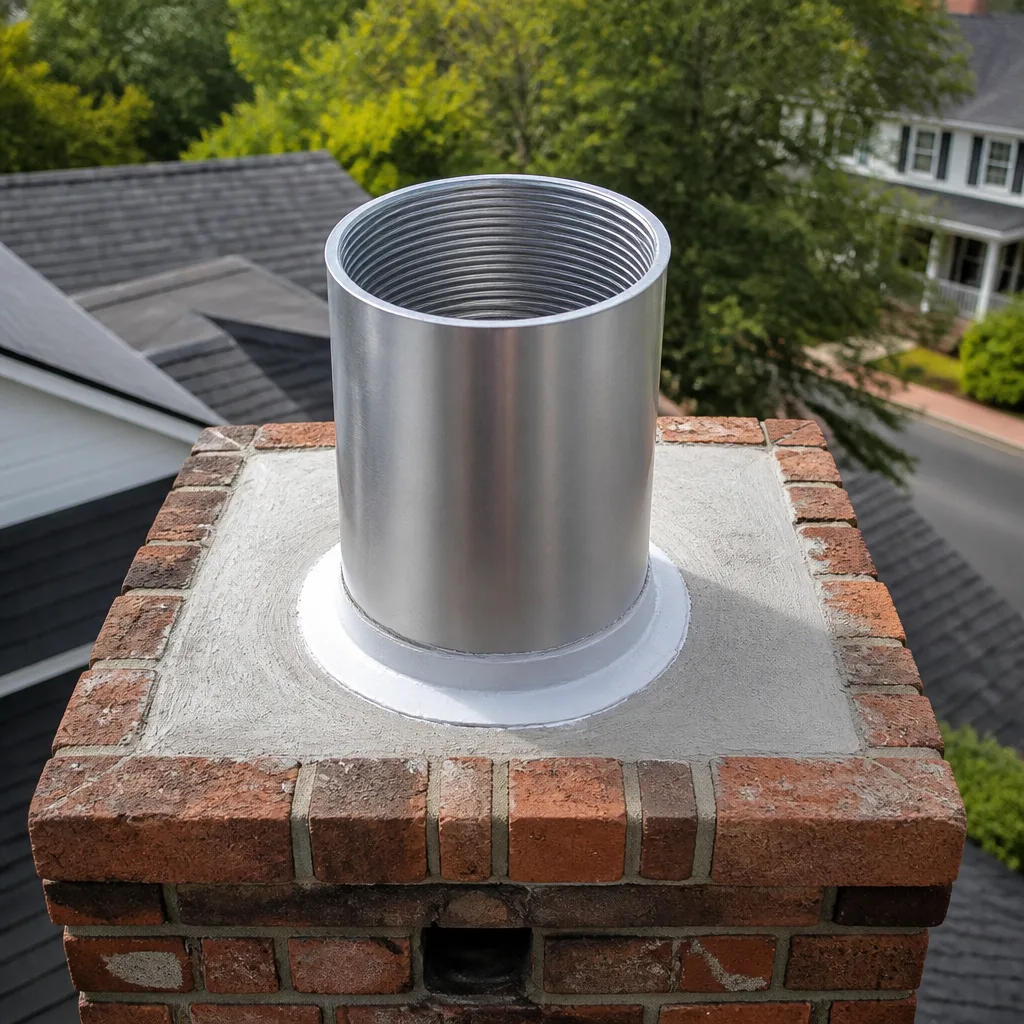
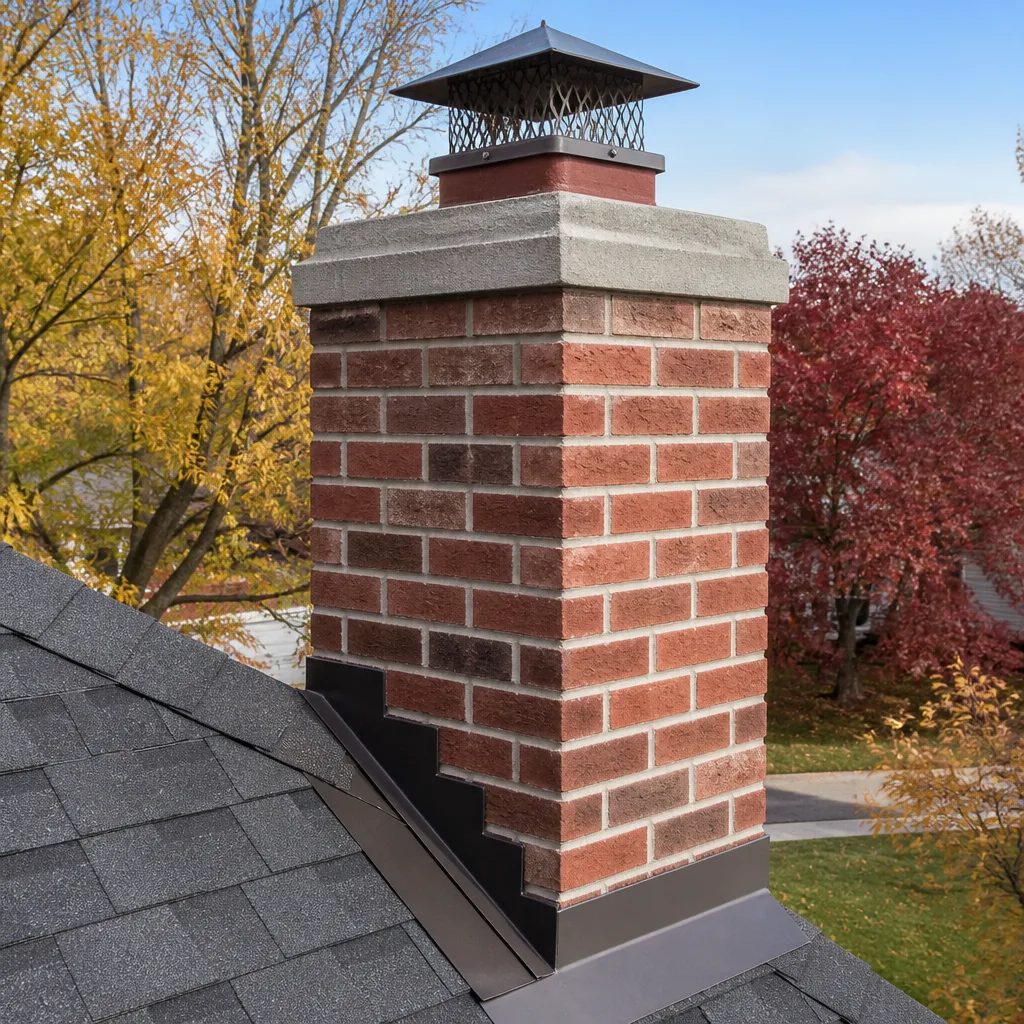
 Before
 After
After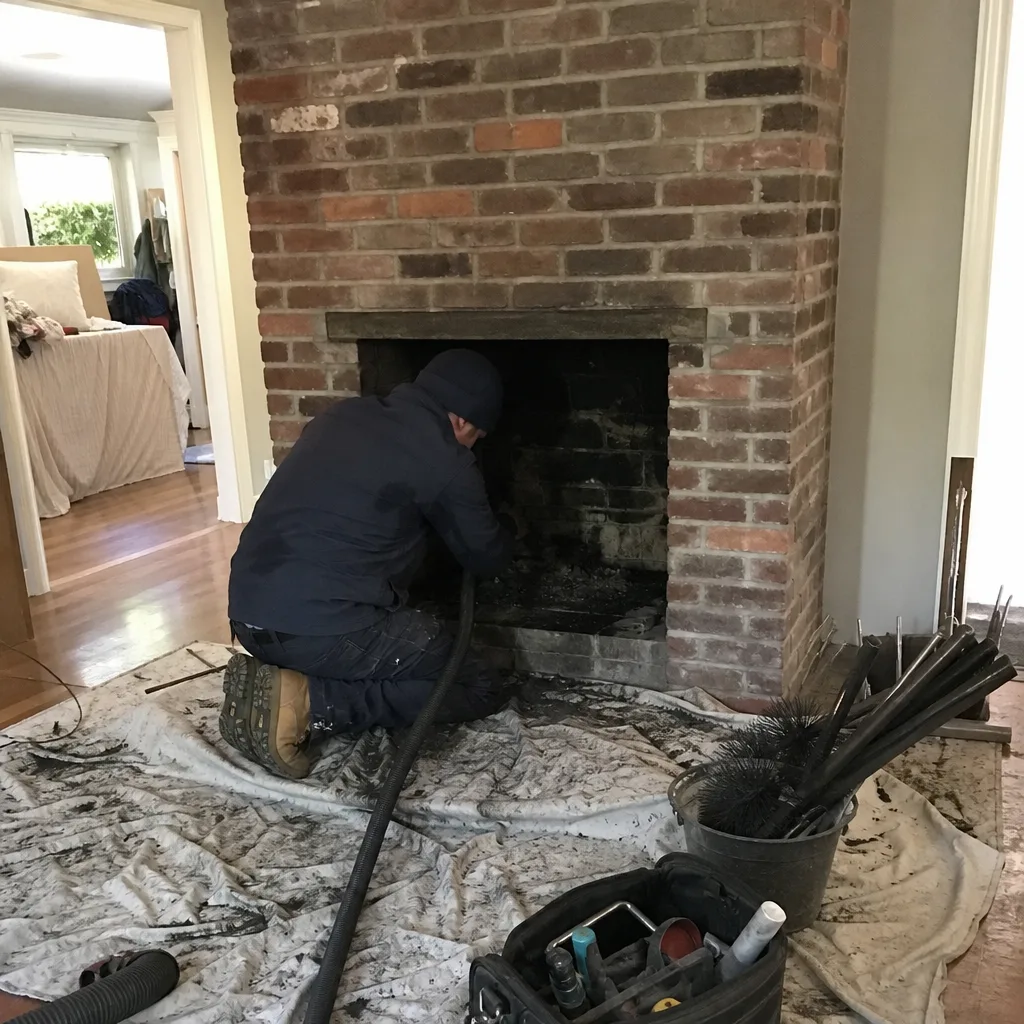 Before
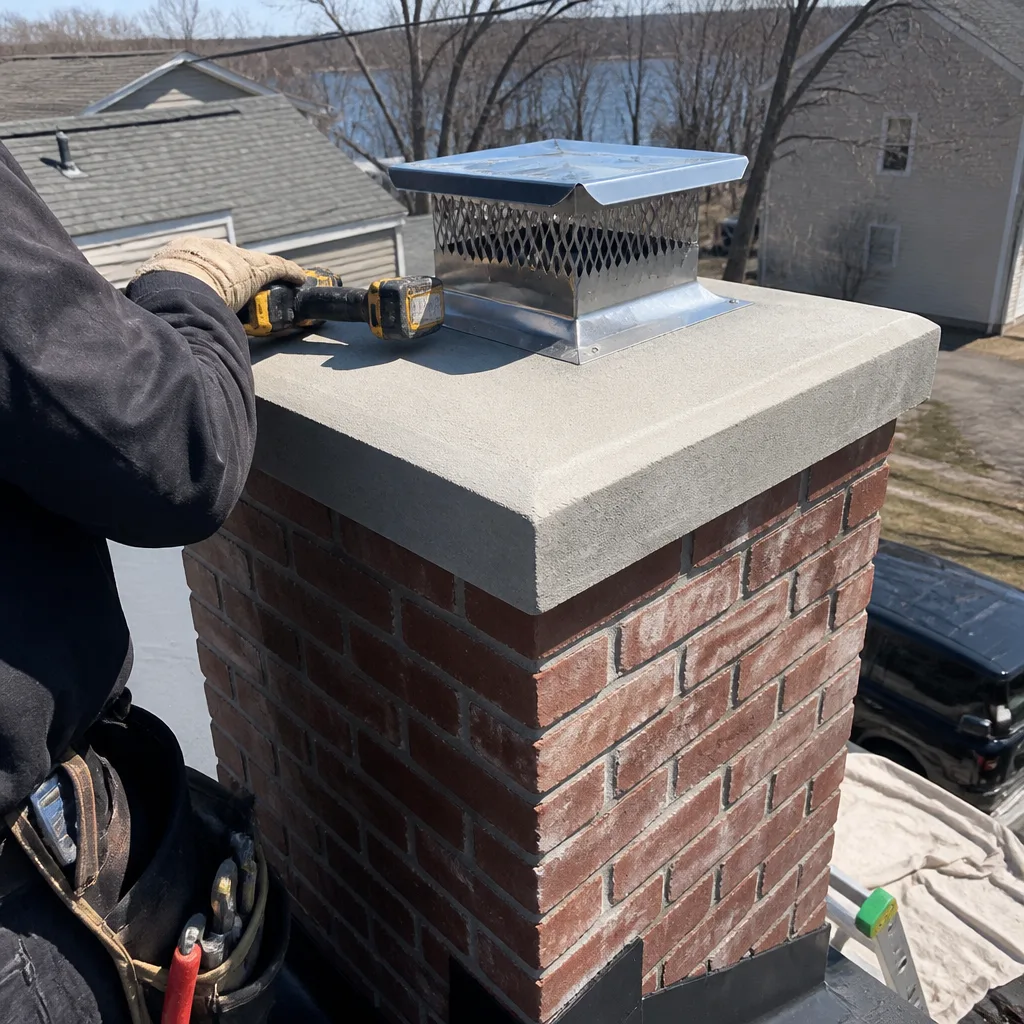 After
After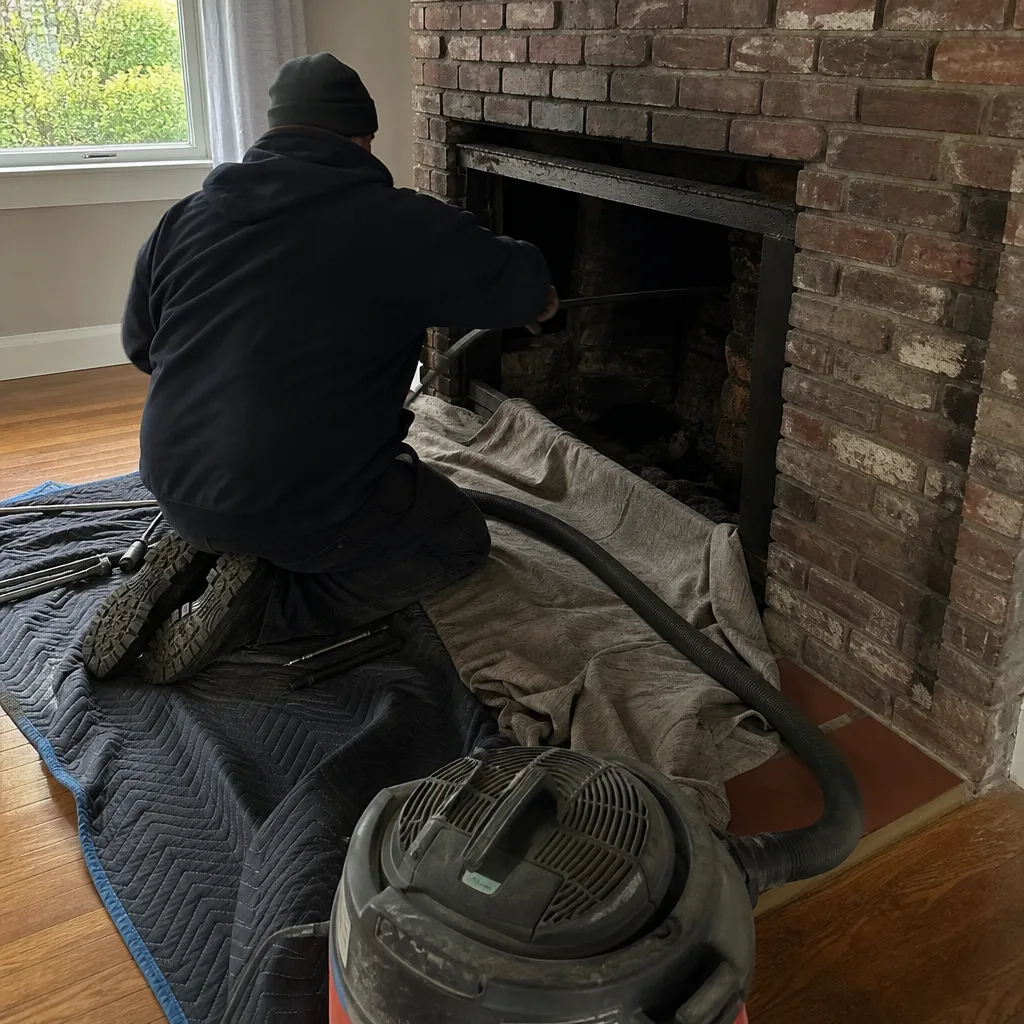 Before
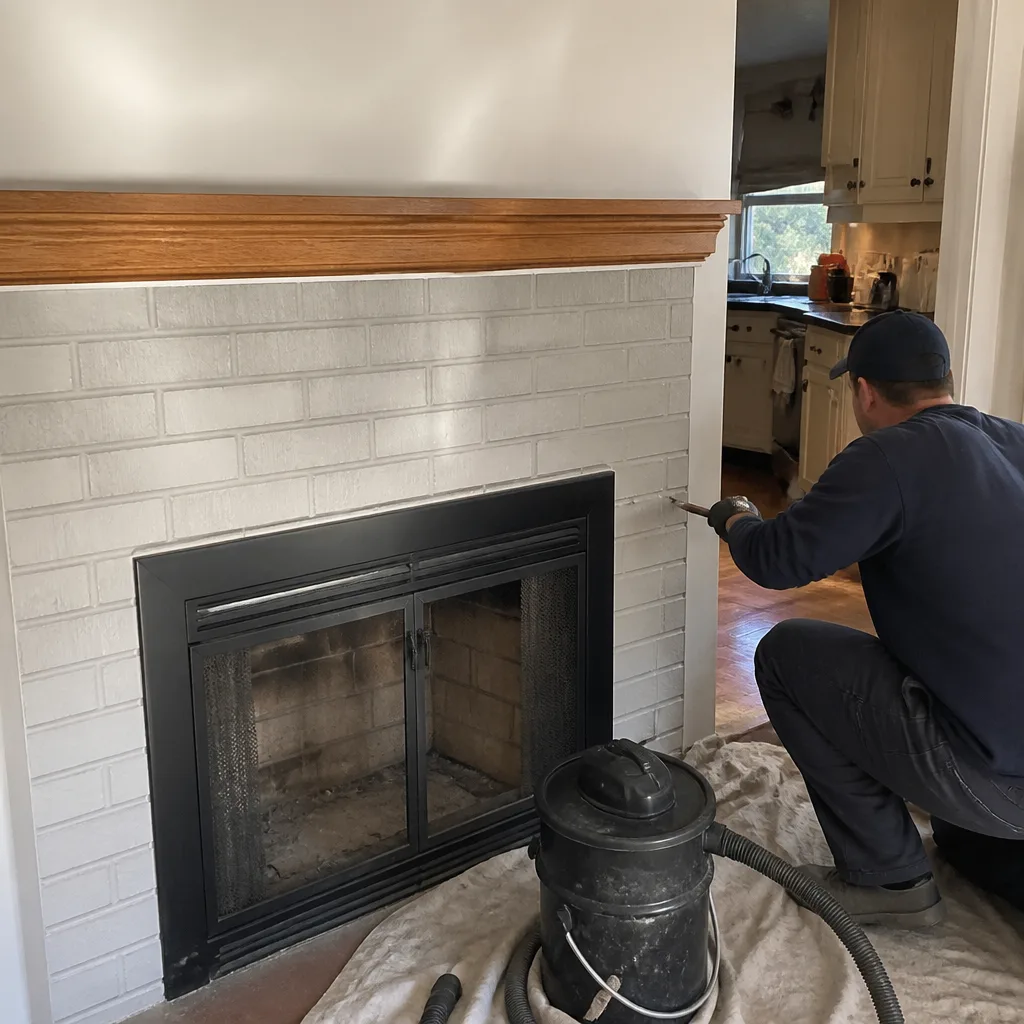 After
AfterFamco Flue Liner Replacement: The Boston Owner’s Guide
A Famco flue liner replacement in Boston typically runs $2,100 to $4,800 installed, depending on the liner diameter, the flue length, and whether the old liner needs to be pulled through a damaged or offset flue. We stock Famco-compatible stainless steel liner components on our trucks and can usually schedule a liner swap within three to five business days. Most Boston homeowners don’t discover their Famco liner has failed until a Level 2 camera inspection shows a crack, a separated seam, or corrosion that’s been quietly venting carbon monoxide into the chase or living space.
The usual path here is a furnace or boiler that’s been running fine for years, then a routine inspection or an odd smell prompts a camera scan. What the camera shows is a liner that’s no longer carrying flue gases the full height of the chimney. Famco liners fail the same way every stainless liner fails eventually: condensation eating at the weld seams on the interior, or the liner pulling apart at a corroded seam after years of heating and cooling cycles in New England weather.
The fix is straightforward. We measure the existing liner, verify the appliance draft with a diagnostic, and write you a fixed price for the replacement before any work starts. No phone-call estimates. The camera doesn’t guess. Neither do we.
Which Famco Models This Applies To
Famco has produced flue liner and venting components for decades, and the parts vary by liner diameter, wall thickness, and whether the liner is rigid, flexible, or a hybrid. The most common Famco liners we pull out of Boston chimneys are 4-inch, 5-inch, 6-inch, and 7-inch diameter flexible stainless liners used for gas furnaces, boilers, and water heaters. Some are smooth-wall. Some are corrugated. The model numbers typically appear on a label affixed to the liner near the appliance connection, though years of heat often make that label unreadable, which is why we rely on caliper measurements and visual seam inspection rather than just the sticker.
The Famco-specific gotcha for Boston owners: many of these liners were installed without a proper rain cap or top plate, which means rainwater has been running down the outside of the liner for years. The liner itself might look fine on the inside, but the exterior corrosion at the top plate or the lower connection joint is frequently where the failure begins. That’s a compatibility issue more than a brand issue, but it matters for replacement because the new liner needs a correctly sized famco-compatible top plate and cap, not just a generic part from a hardware shelf.
OEM versus aftermarket matters less for Famco liners than it does for gas valves or control boards. The liner itself is a passive component, and a quality 316L or 304 stainless liner from a manufacturer like Olympia Chimney or DuraFlex performs equivalently, provided the diameter, wall thickness, and connection hardware match the existing appliance. We keep Famco-compatible connectors, top plates, and caps in stock, and we also carry equivalents from DuraFlex, HeatShield, and Gelco when the original part is no longer manufactured. Level Two Chimney Boston is an independent service provider, not affiliated with Famco.
Signs Your Famco Flue Liner Replacement Is Failing
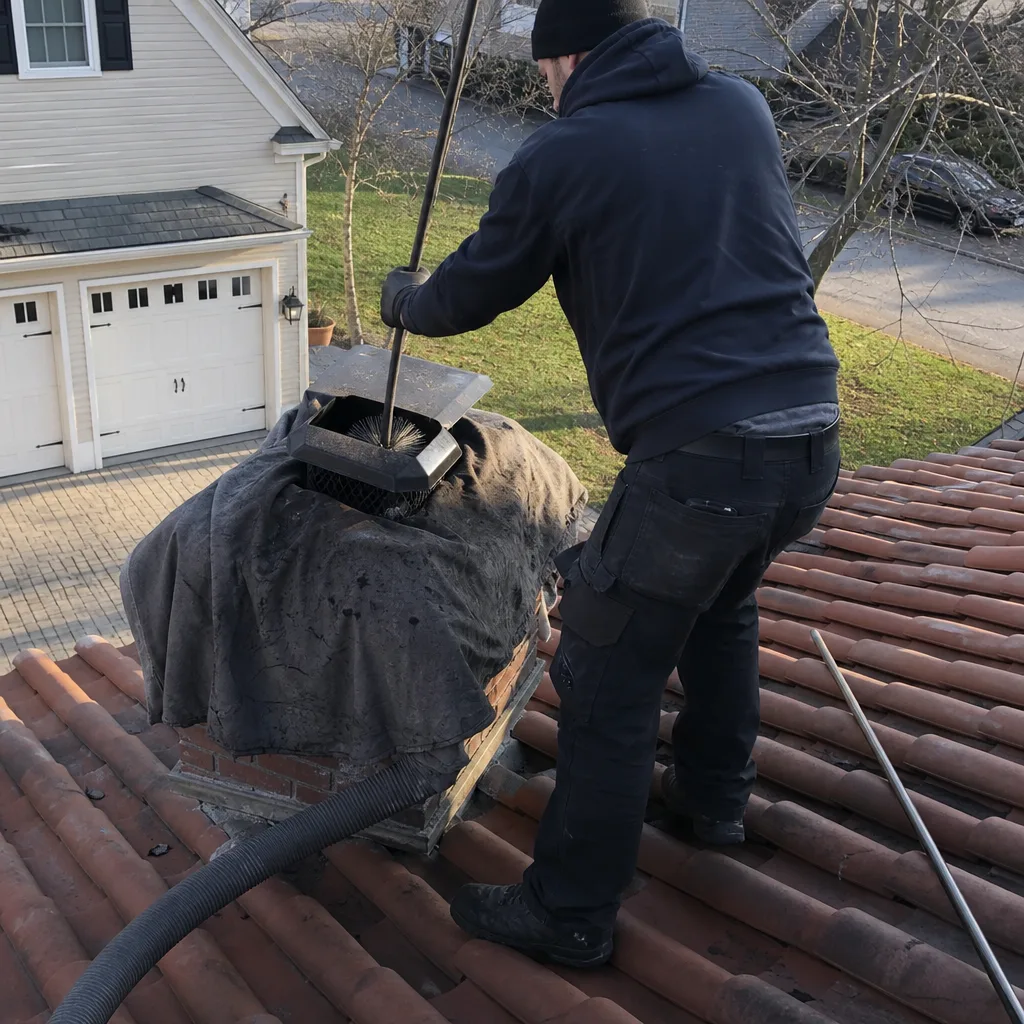
Most of these symptoms show up long before a visible problem. If any of them are present in a Boston home, a camera scan is the next step.
- Rust streaks or staining on the exterior chase or at the top of the chimney. Water entry at the top plate is the most common root cause. Condensation inside the liner plus rainwater from a failed cap accelerates corrosion at the seams, and that corrosion eventually opens a path for flue gas to escape into the chase.
- A smell of exhaust near the furnace or boiler, especially on cold mornings. A cracked or separated liner lets flue gas back-draft into the mechanical room instead of venting up the chimney. This is the one symptom that should trigger an immediate inspection, not a wait-and-see approach, because the gas is carbon monoxide.
- Visible flaking or spalling on the chimney crown or brick near the top. When a liner fails, hot acidic flue gas condensate often attacks the masonry from the inside. The liner is supposed to protect the brick. Once it fails, the brick becomes the flue wall, and brick is not gas-tight.
- Unexplained soot on the furnace cabinet or around the water heater. Incomplete drafting from a restricted or damaged liner pushes combustion byproducts back into the house. Soot at the appliance means the draft path is compromised, and in Boston’s older triple-deckers along Dorchester Avenue, we see this regularly in flues that were never properly sized for high-efficiency appliances.
- A liner that looks “wet” or shows a green or white powdery residue on the interior during a camera scan. That’s acidic condensate byproduct. It means the liner is running colder than it should, usually because the appliance is short-cycling or the liner is oversized for the appliance, and the resulting condensation is eating the liner from the inside.
BeforeAfterReplacement Cost & What’s Included
Expect to pay between $2,100 and $4,800 for a Famco flue liner replacement in Boston. The range is driven by four things: liner diameter, flue length, whether the old liner needs to be cut out in sections rather than pulled in one piece, and whether the top plate, cap, or transition connector needs to be replaced at the same time. A simple 5-inch liner on a single-story flue is at the low end. A 7-inch liner on a three-story triple-decker with an offset flue and a failed top plate is at the high end.
Every replacement includes a camera-scan inspection before work starts, a written scope with the exact liner size and material spec, and a written warranty on parts and labor. Clause 4 of the Haven Standard requires a photo record on every job, so you walk away with before-and-after camera images of the liner, the top plate, and the connection at the appliance. The price we quote is the price you pay, and it’s delivered in writing before anyone touches your chimney.
We also offer a Free Second Opinion on any written estimate. If another company has quoted you a Famco liner replacement, bring us the paperwork and we’ll go through it line by line.
DIY or Call Us?
You can check three things yourself without touching the liner: the visible condition of the top plate and cap from ground level, the appliance draft by holding a lit match or incense near the draft hood when the furnace or boiler is running, and the furnace cabinet for soot or rust streaks. Checking is safe. Replacing is not.
Pulling and installing a flue liner means working from a ladder on a Boston roofline, frequently in rain or snow, while pulling a 30 to 40 pound stainless steel liner up through a flue that may have sharp masonry offsets. One wrong move at the roofline is a hospital visit. One wrong liner diameter means carbon monoxide leaking into the chase. This is the part of the job where DIY costs more than it saves. If you suspect your Famco liner has failed, call (857) 567-8887 and we’ll schedule a camera scan and a written quote.
FAQs
A properly installed stainless liner should last 15 to 25 years in Boston’s climate, but water entry at the top plate or acidic condensate from a high-efficiency appliance can cut that to 10 years or less. The biggest variable is whether the liner was sized correctly for the appliance and whether the cap and top plate are sealed. We see Boston liners fail in as little as eight years when a cheap cap was installed or the top plate was never sealed.
If the failure is localized and caught early, such as a small seam separation near the top plate, a patch or a short section replacement is sometimes possible. But most of the failures we see in Boston involve corrosion that’s spread along a foot or more of the liner, and patching that just moves the failure point up or down the flue. The honest answer: if the camera shows a split or heavy corrosion, replacement is the only way to restore a gas-tight flue path.
A standard liner swap takes four to six hours on site. That includes the camera scan before work starts, pulling the old liner, installing the new liner with the top plate and cap, and running a draft test at the appliance to confirm the system vents correctly. Larger liners on taller chimneys can stretch to a full day. Most Boston jobs are completed in one visit.
We stock Famco-compatible connectors, top plates, caps, and the most common liner diameters in 4, 5, 6, and 7 inches on our trucks. If you need a non-standard size or a specific connector for an unusual Famco model, we can usually source it within two business days. We also carry equivalent liners from DuraFlex, HeatShield, and Gelco, so the job rarely waits on a part.
Written by Corrine Halstead, Owner, Level Two Chimney Boston at Level Two Chimney Boston, serving Boston and nearby areas.