
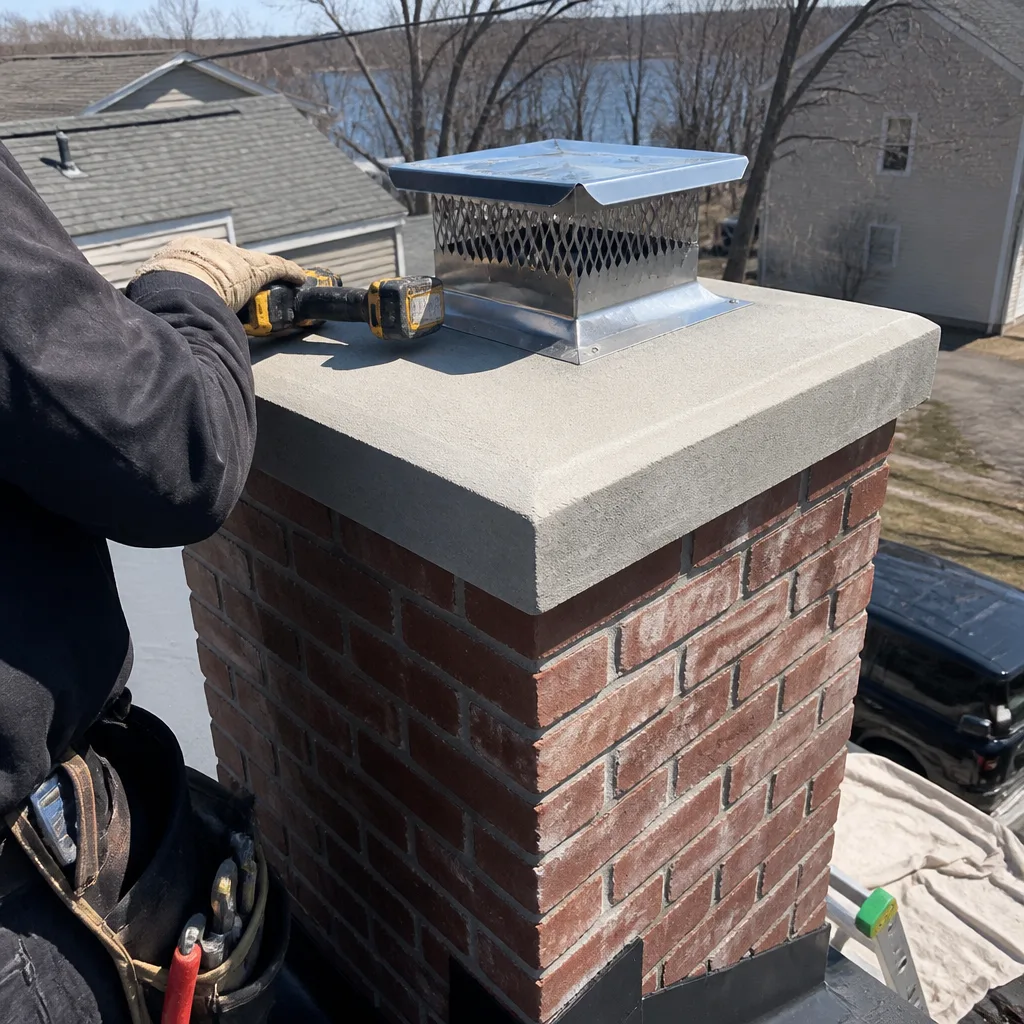
Level 1 sweep and inspection to the NFPA 211 annual standard - flue, crown, cap, and flashing checked and photographed
Chimney sweep logs do not sweep chimneys. They loosen some creosote - which then falls where a brush and vacuum still have to collect it.
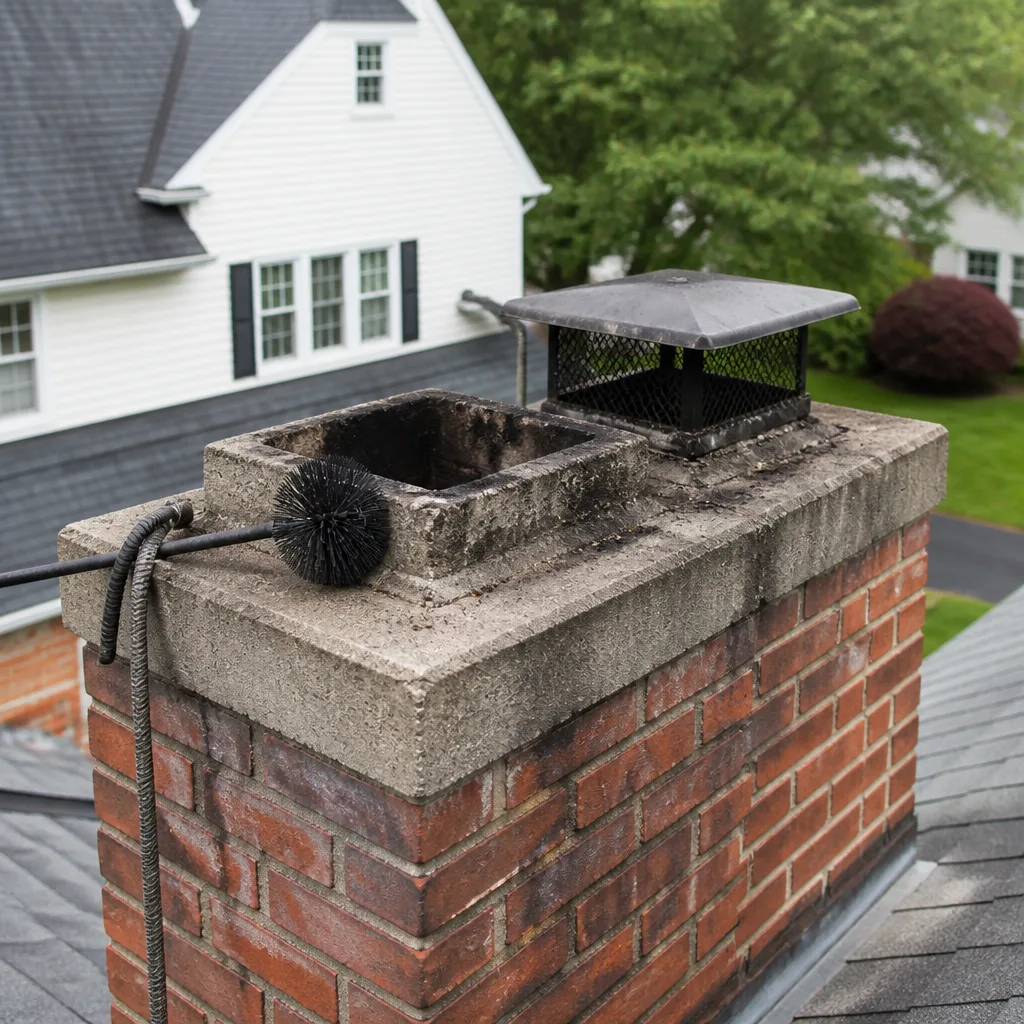
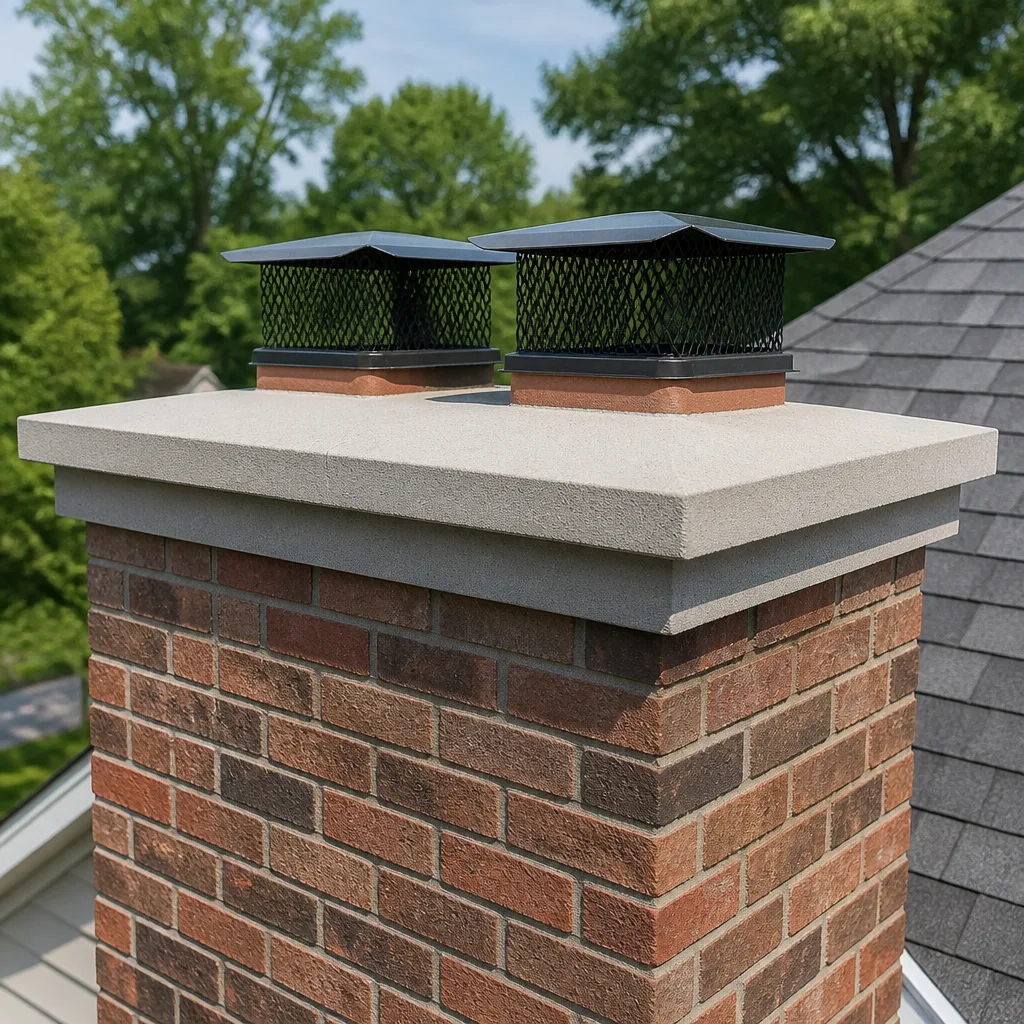
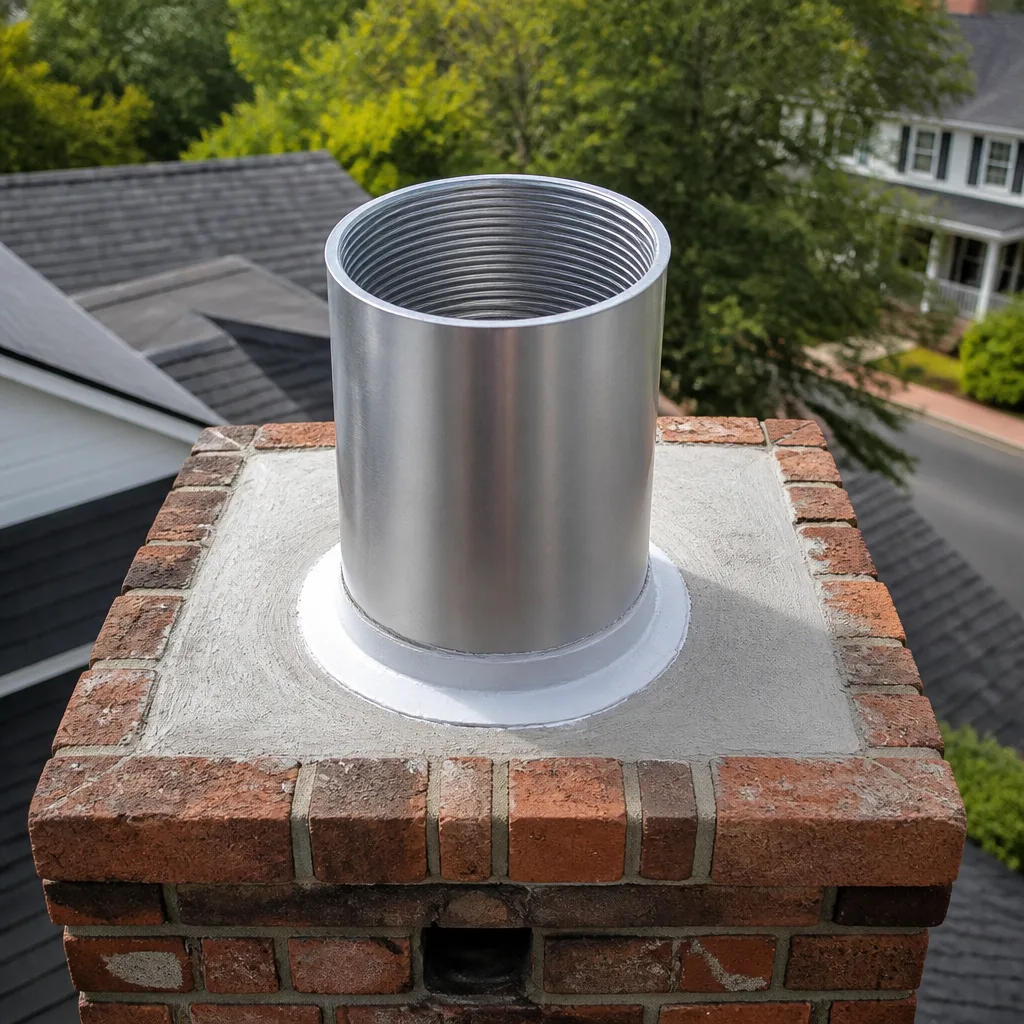
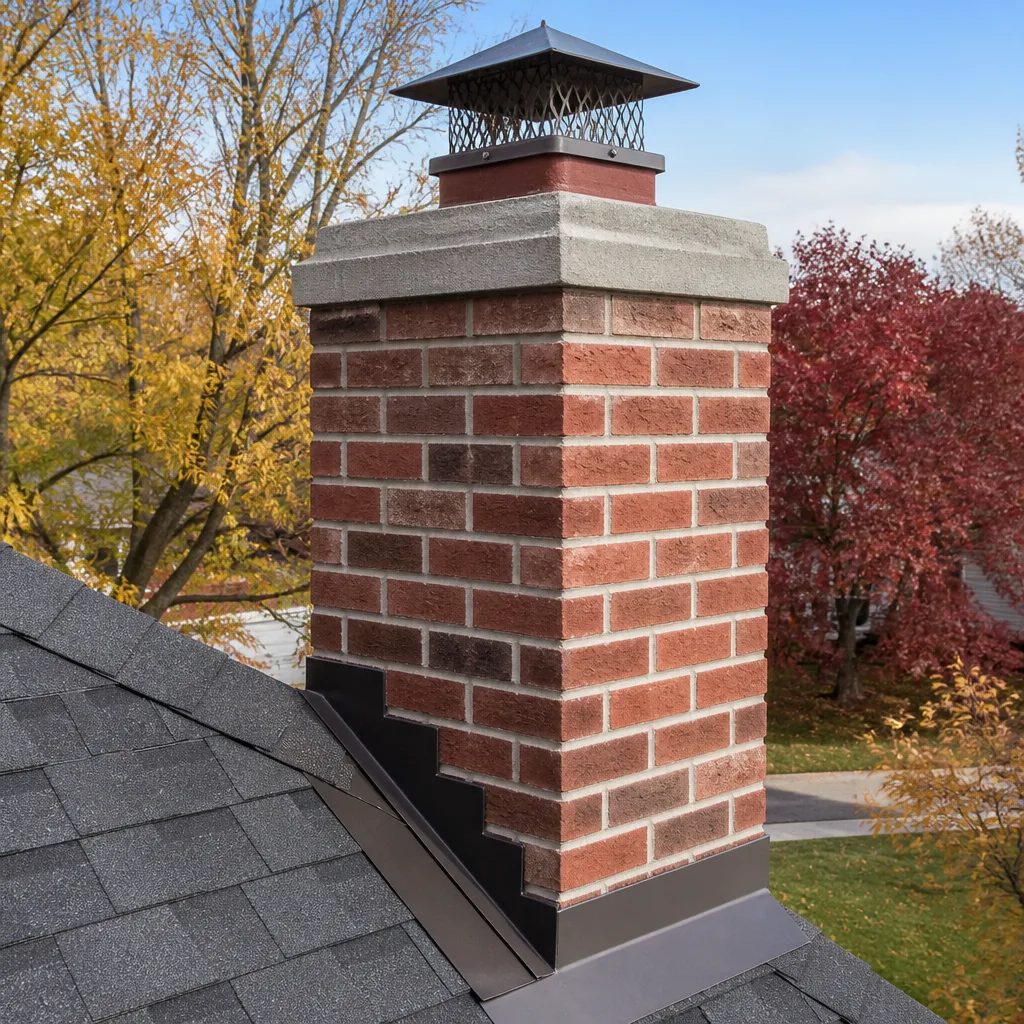
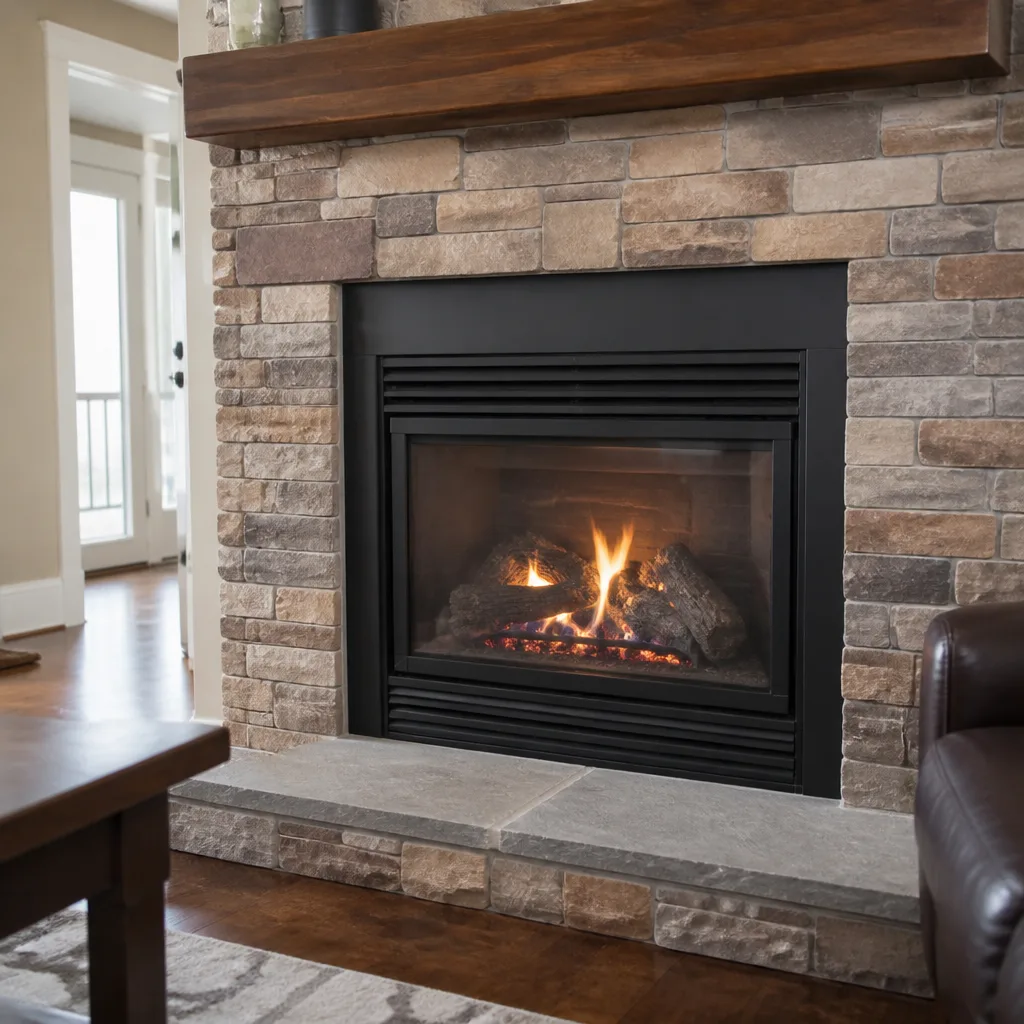
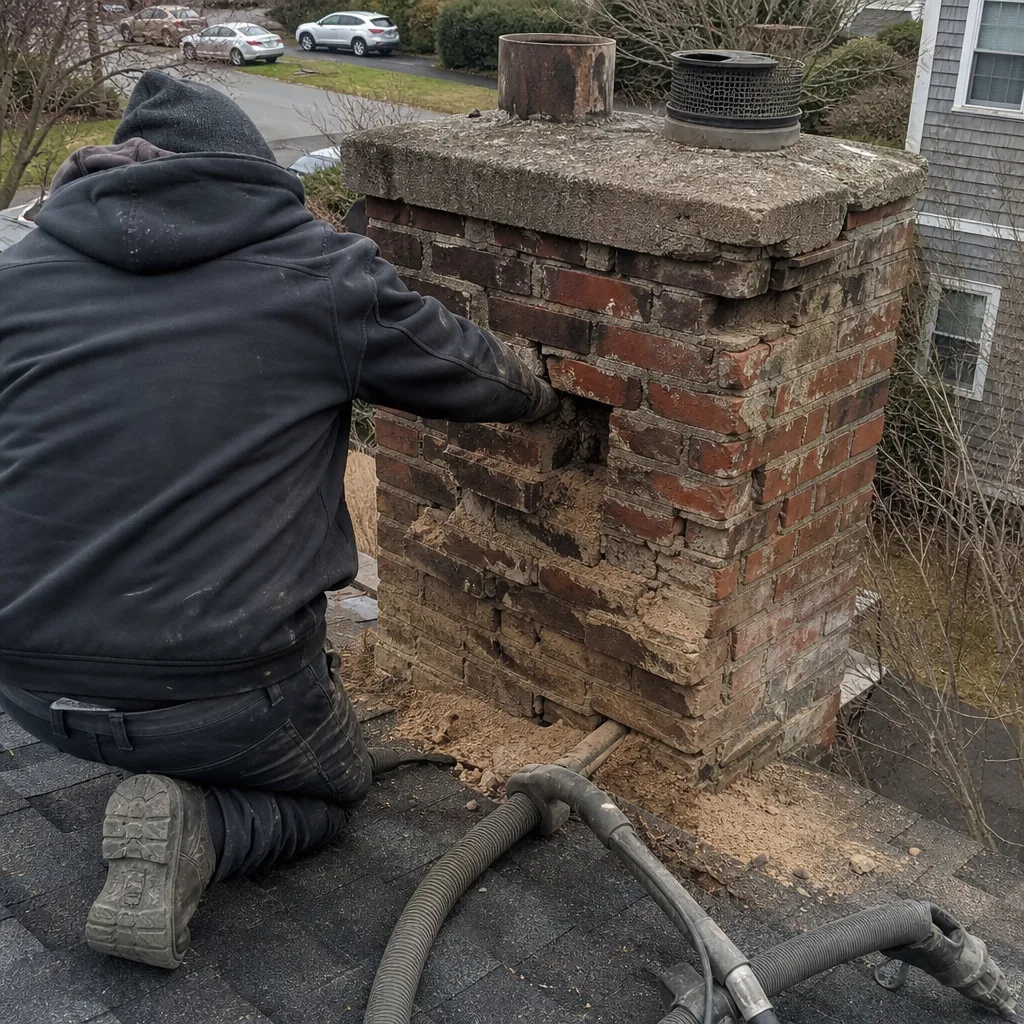 Before
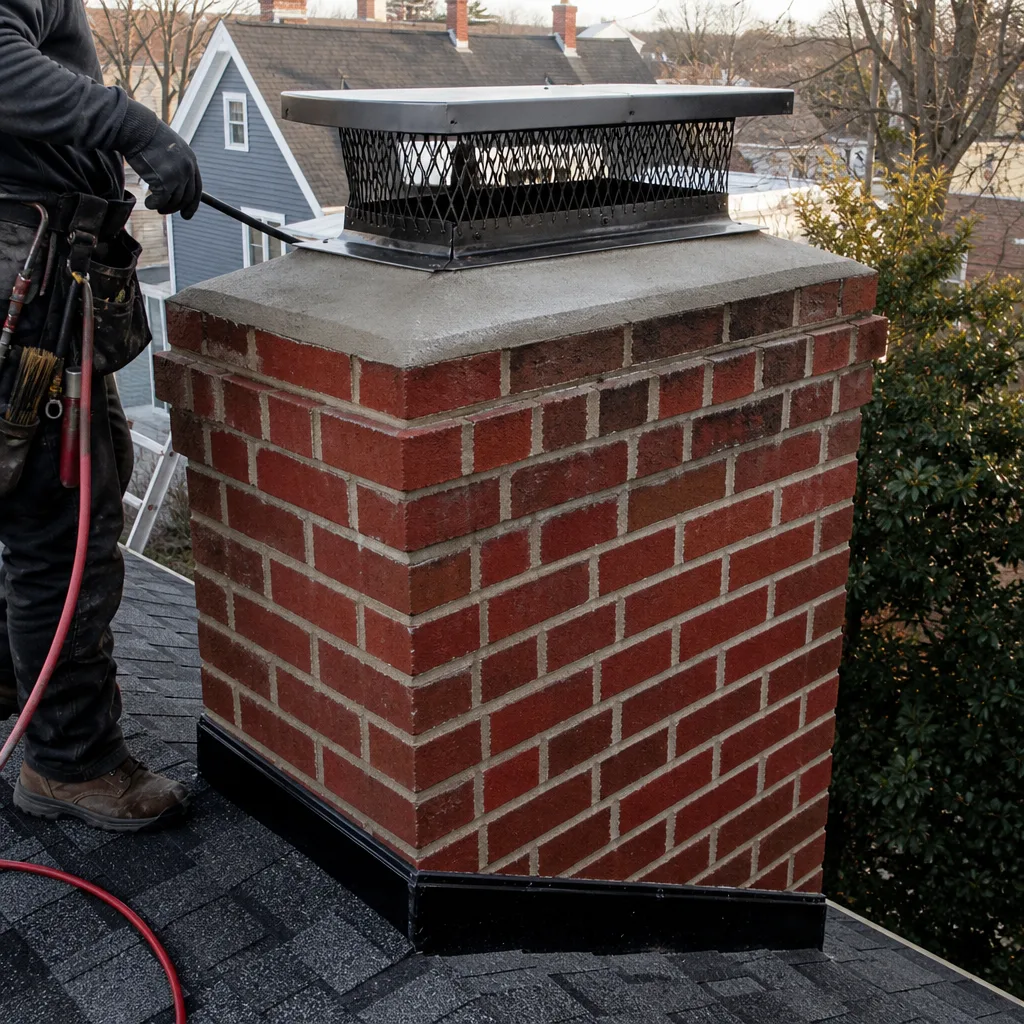 After
After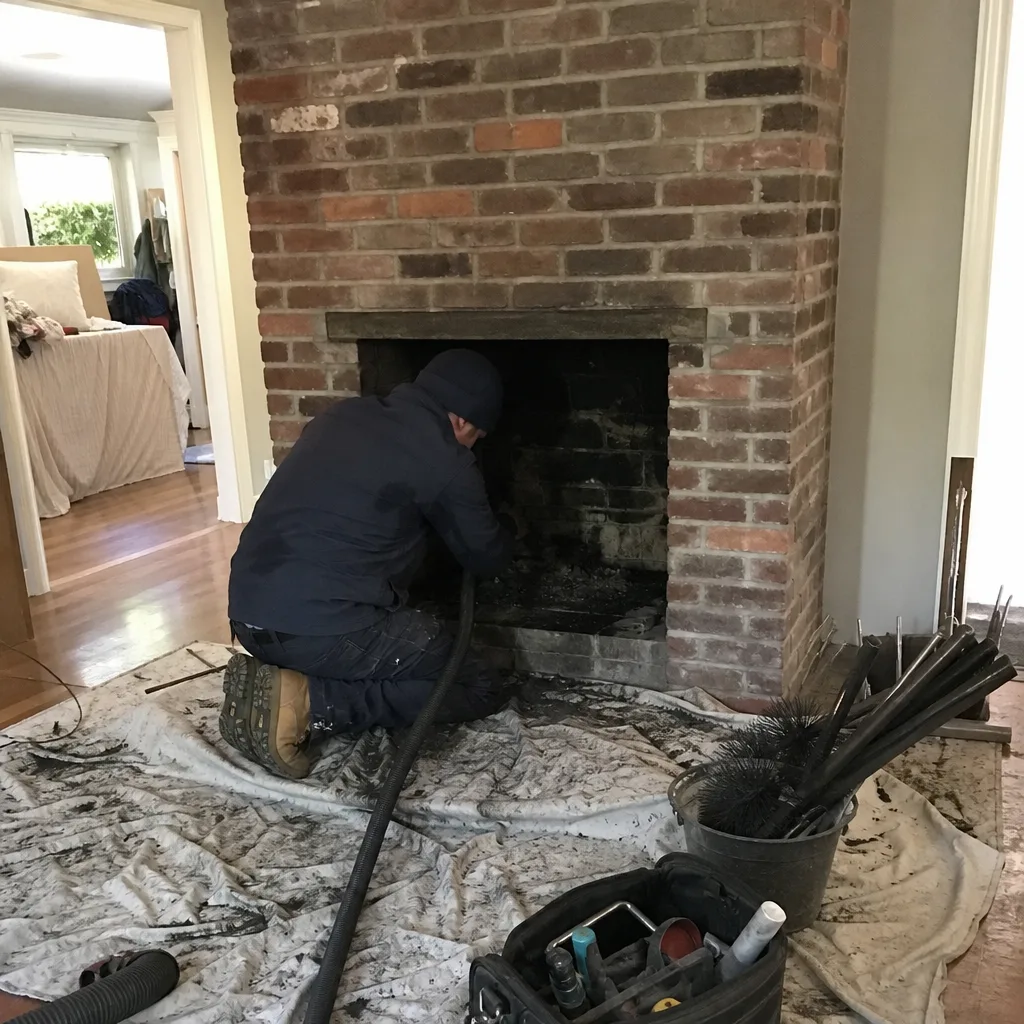 Before
 After
After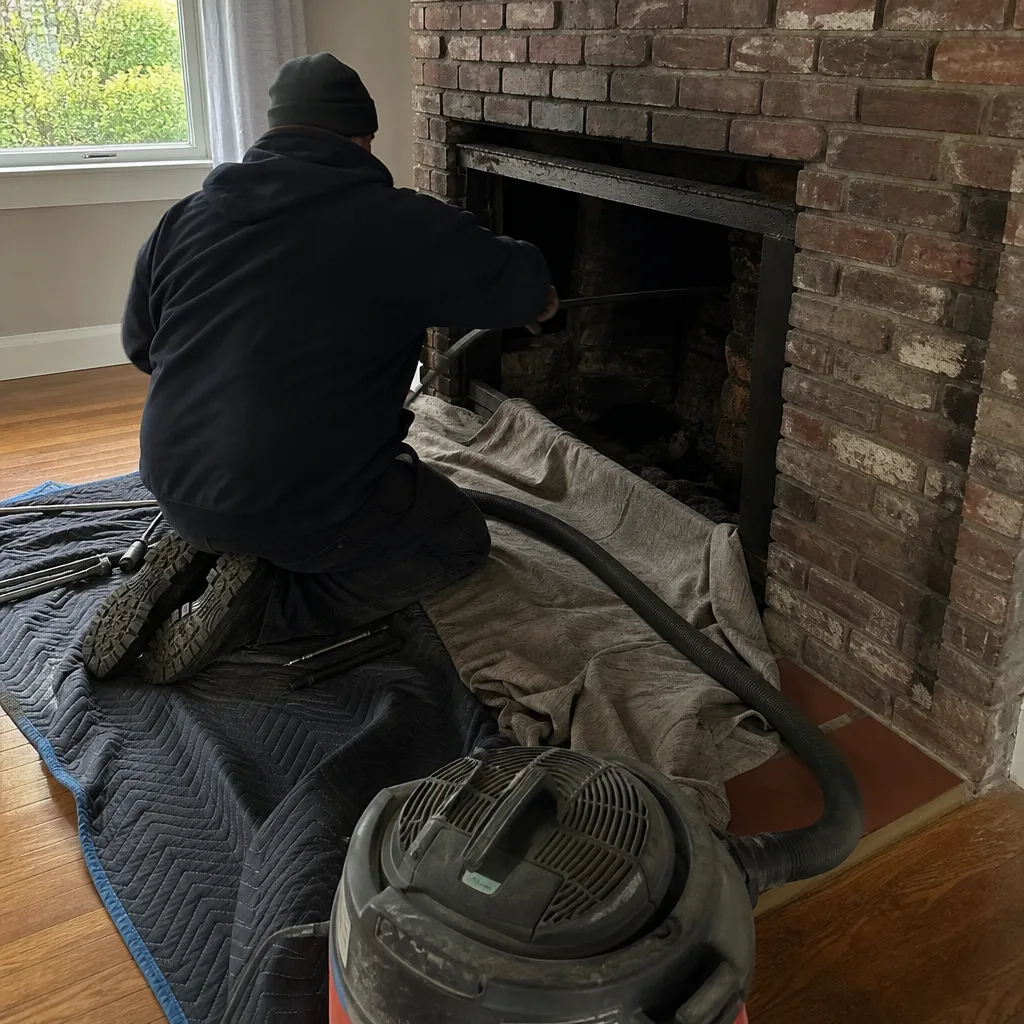 Before
 After
AfterSoot Removal in Boston, MA
Soot removal in Boston typically runs $149 to $349, depending on flue length, fireplace type, and how much buildup has accumulated since your last cleaning. Most appointments are completed in under two hours, and every visit includes a written price before anyone touches your chimney, a camera-scan inspection of the flue liner, and a documented photo record when the work is done.
If your firebox walls are coated black, smoke is backing into the room, or you haven’t had your Annual Sweep in over a year, soot buildup is the most likely culprit. At Level Two Chimney Boston, we’ve cleared soot from more than 38,000 chimneys since 2009 – every one of them under the Haven Standard, which means a written scope and written price delivered before work starts, not after our tech is already in your living room. Give us a call at (857) 567-8887 and we’ll get you a quote on the spot.
Soot removal is part of our broader Chimney Cleaning & Sweep in Boston service. If it turns out you’re dealing with more than routine soot – third-degree creosote glaze, a cracked flue tile, a failed smoke chamber – we’ll document exactly what we find and tell you plainly what it costs to fix before we proceed.
When You Need Soot Removal
Soot is a fine, powdery carbon byproduct of incomplete combustion. It’s lighter than creosote and easier to remove, but it accumulates fast – especially in Boston’s older triple-decker and brownstone stock, where chimneys often serve multiple appliances or were retrofitted from coal to gas decades ago. Here’s when to call us.
- Black streaking on the firebox walls or smoke shelf. A thin black film is normal after one or two fires. A thick, chalky or oily coating that flakes when you touch it means soot has built up past the point a homeowner should try to address on their own.
- Smoke entering the room during a fire. Partial soot blockages narrow the flue opening and disrupt draft. In Boston’s tighter row houses – particularly in South End and Jamaica Plain – even a modest restriction can push smoke into the living space instead of up and out.
- A persistent burnt or musty smell even when the fireplace isn’t in use. Soot absorbs moisture, and in Boston’s humid shoulder seasons (April-May and October-November), a damp flue starts to smell. That odor usually means there’s enough buildup to warrant a proper cleaning.
- You’ve recently had a chimney fire or noticed heavy discoloration on the exterior crown. High heat can convert soot into harder Class II or Class III creosote. If discoloration appears above the flue opening after a fire event, a Level 2 camera inspection is warranted before you light another fire.
- It’s been more than 12 months since your last sweep. NFPA 211 recommends annual inspection and cleaning for any chimney in regular use. Boston’s winter heating season runs roughly November through March – five solid months – so a full year without a sweep is common and correctable.
- You’re buying or selling a home. Real estate transactions in Boston’s tighter markets – Brookline, Newton, Roslindale – increasingly require a Level 2 chimney inspection as a condition of sale. Soot removal is often the first and least expensive item on that checklist.
Our Soot Removal Process
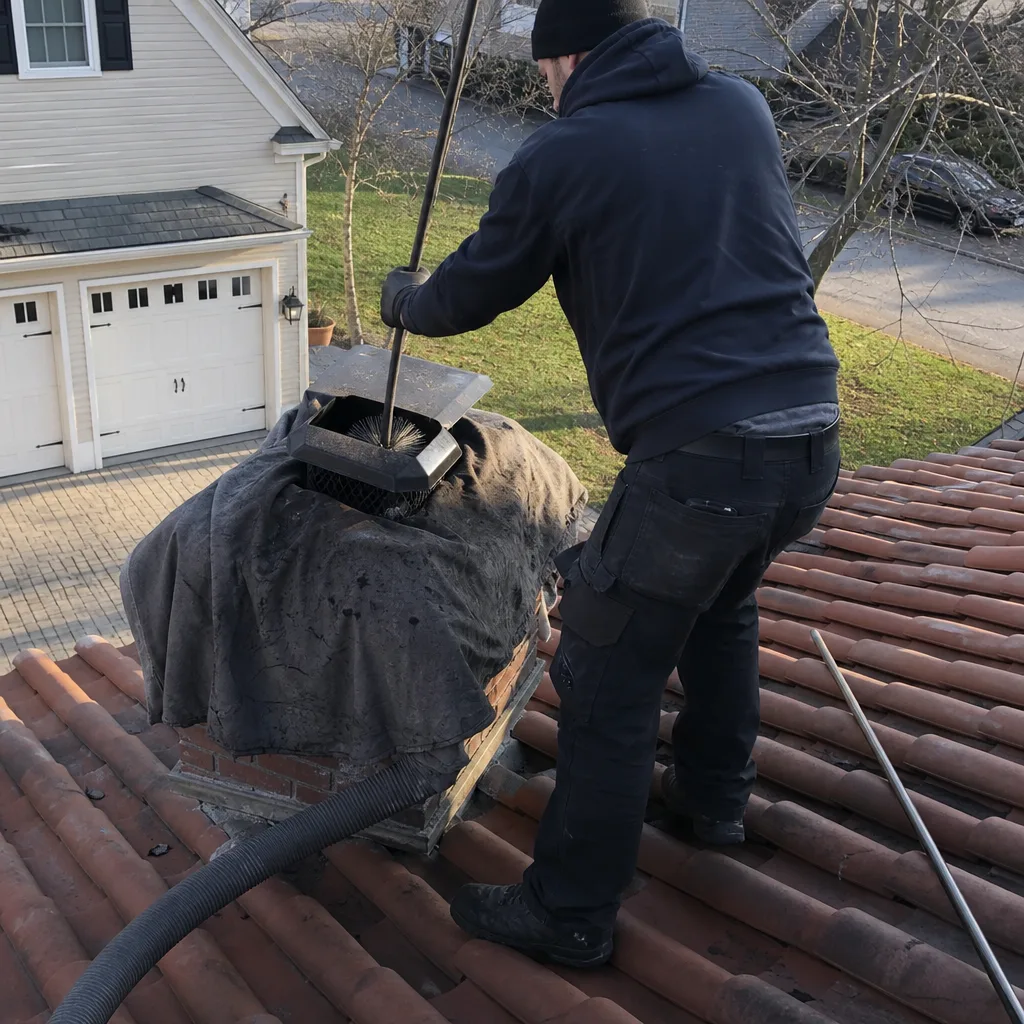
We don’t send a tech with a brush and a flashlight and call it done. Every soot removal appointment at Level Two Chimney Boston follows a documented process that starts with what we find and ends with written proof of what was done. Here’s how it works, step by step.
- Written price before any work starts. When our technician arrives – uniformed, background-checked, and announced by a text when they’re on the way – the first thing you receive is a written price and written scope. No surprises, no add-ons after the fact. This is Haven Standard Clause 1: have it in writing.
- Pre-cleaning camera inspection of the flue liner. Before we touch a brush, we run the camera down the flue. This tells us exactly what we’re dealing with: the soot depth, whether there’s any creosote layering beneath it, and the condition of the flue tiles. In Boston’s pre-1940 masonry chimneys – common across Dorchester and Hyde Park – we frequently find damaged terra cotta liner sections that need to be documented before cleaning disturbs the surrounding debris.
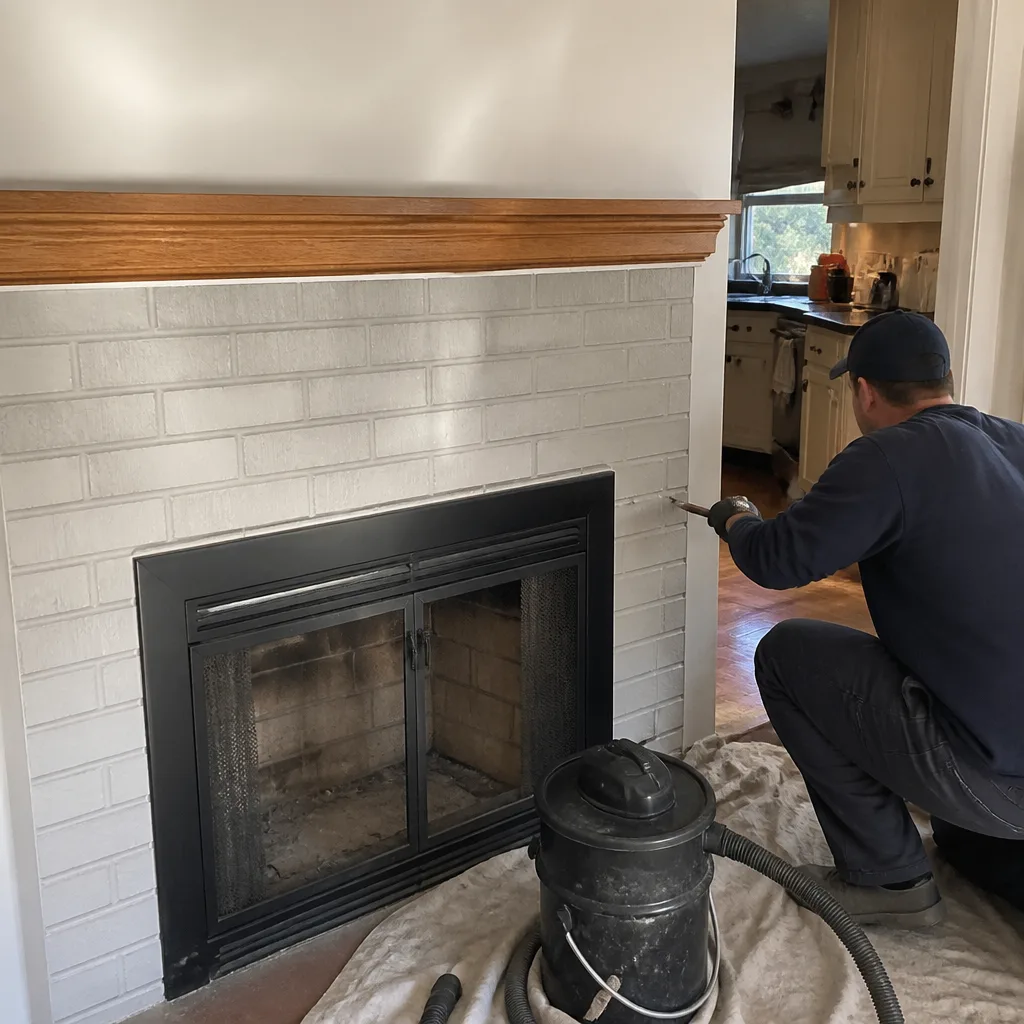
- Protective setup inside the home. We lay drop cloths, seal the firebox opening with a negative-pressure dust barrier, and connect HEPA-filtered vacuums before the brushes go in. Soot is fine enough to coat everything in a room if the setup isn’t right. We’ve cleaned chimneys in enough Back Bay condos to know that your white plaster walls are not a forgiven sin.
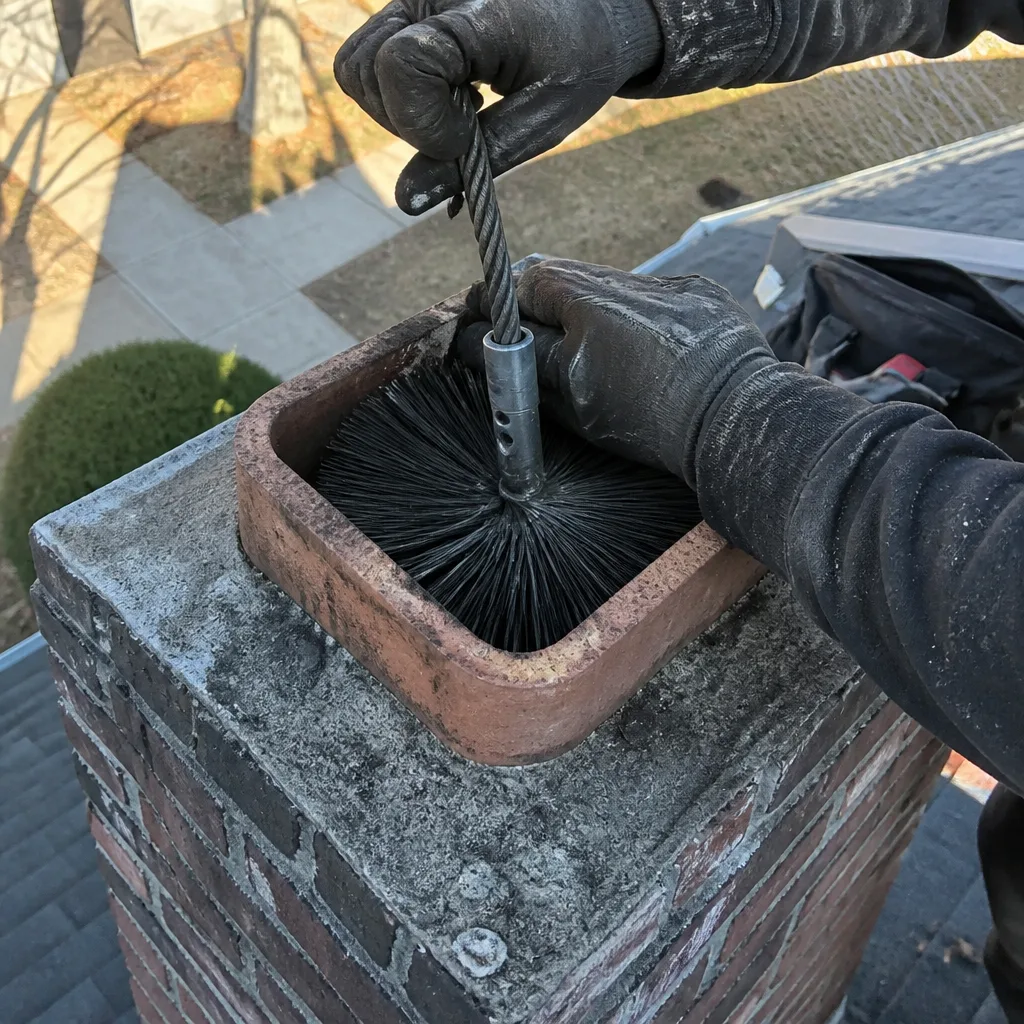
- Brush and vacuum cleaning, flue to smoke chamber. We work top-down using brushes sized to your specific flue – round, square, or rectangular – pulling soot from the flue liner walls, smoke shelf, and smoke chamber. The smoke chamber is where soot packs the hardest in parging-free brick chimneys; we clear it completely, not just the visible sections. For stubborn buildup, our technicians use chemical soot-loosening agents sourced through Haven’s supply network, including products from Olympia Chimney, before the final brush pass.
- Post-cleaning camera inspection and photo documentation. Once the flue is clear, we run the camera again. You get before-and-after images showing the liner condition, the smoke shelf, and the firebox. That photo record is included on every visit under Haven Standard Clause 4 – it’s not an optional add-on, and it doesn’t cost extra.
- Written summary and 365-Day Done Right Promise. Before we leave, you get a written summary of what was found, what was removed, and the current condition of the liner and firebox components. Every job is backed by our 365-Day Done Right Promise: if it’s not done right, we come back and make it right, no argument.
BeforeAfterSoot Removal Pricing in Boston
Soot removal in Boston costs $149 to $349 for most residential chimneys. That range covers the camera inspection, the cleaning itself, and the documented photo record. Here’s what moves the number up or down.
| Scenario | Typical Price Range |
|---|---|
| Single fireplace, light to moderate soot (cleaned within 18 months) | $149 – $199 |
| Single fireplace, heavy soot or partial creosote layering | $199 – $279 |
| Gas fireplace or insert flue – soot from incomplete combustion | $149 – $229 |
| Two-story or tall flue (common in Boston’s Victorian row houses) | $229 – $299 |
| Heavy buildup with smoke chamber parging needed | $299 – $349+ |
| Level 2 camera inspection (bundled with cleaning) | Included |
What affects your price most: flue height, the degree of buildup, and whether the smoke chamber requires additional attention. Boston’s triple-deckers in Dorchester and Roxbury frequently have taller-than-average flues because the chimney serves multiple floors – those take longer to clean properly.
If you have a written estimate from another company, bring it to us. We offer a free second opinion on any written estimate, and we’ll tell you exactly what the competing quote covers versus what ours does. A price that doesn’t include a camera scan or a post-job photo record isn’t the same service, even if the dollar amount looks similar.
Call (857) 567-8887 for a free estimate. We’ll give you a number before we schedule, and that number won’t change when the technician arrives.
Why Boston Chimneys Build Soot Faster Than You’d Expect
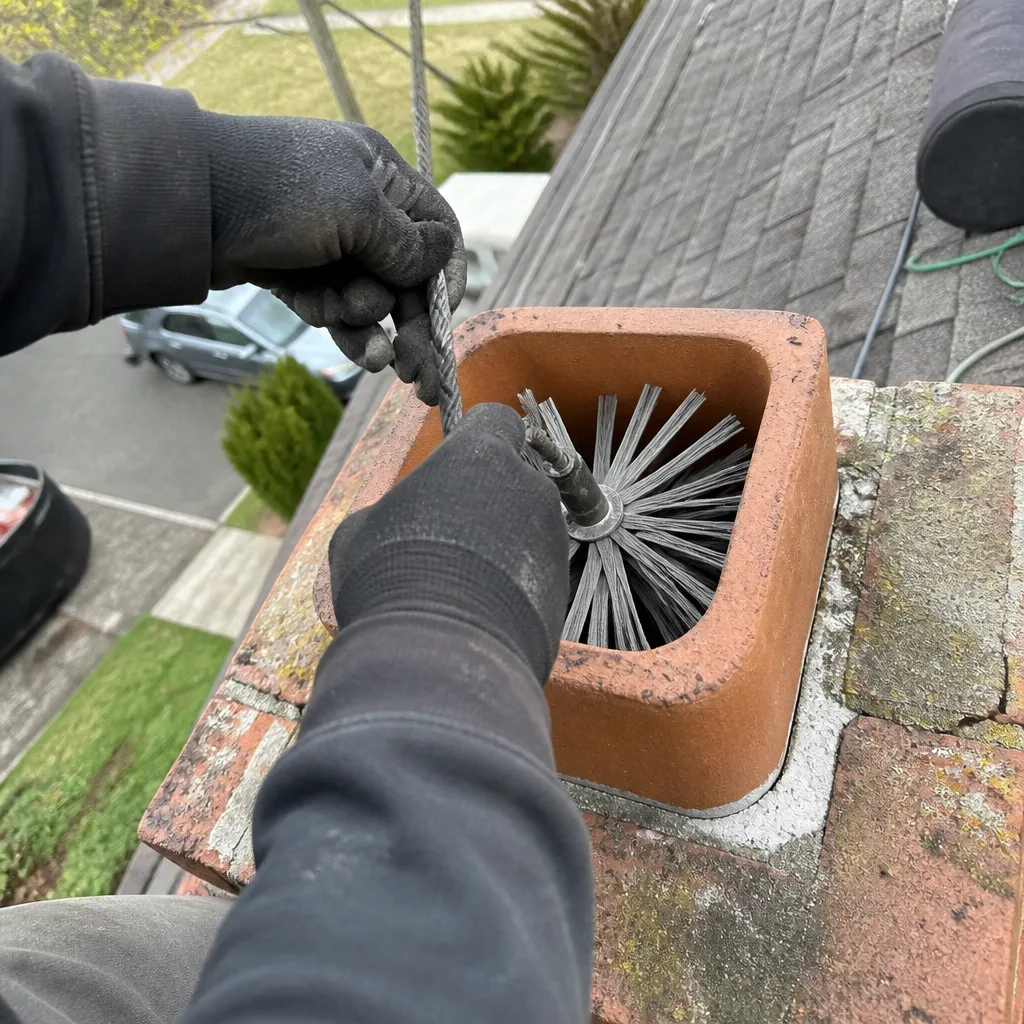
Boston’s climate creates specific conditions that accelerate soot accumulation. The city averages about 44 inches of precipitation annually, including significant freeze-thaw cycling between November and March. That moisture enters aging masonry flues through cracked crowns and missing caps – both common on Boston’s older housing stock – and creates a damp interior surface where soot sticks faster and dries harder than it would in a sealed, dry flue.
Short, cold fires are the other Boston problem. In a mild stretch of October or March, homeowners light a fire for an hour and let it die. Incomplete combustion at lower temperatures produces more soot per cord of wood than a sustained, hot fire. In neighborhoods like West Roxbury and Roslindale, where wood-burning fireplaces are still the primary supplemental heat source for a lot of older capes and colonials, we see this pattern constantly – a firebox that looks lightly used but has a smoke shelf packed with fine soot from dozens of short burns.
Unseasoned or green wood makes it worse. If the wood splits haven’t had at least six months to dry, they burn cool and release more particulate. We’re not here to lecture anyone on firewood, but it’s a real factor in why some chimneys need cleaning twice a season.
Soot vs. Creosote: What the Difference Means for Your Chimney
Soot is light, powdery, and relatively easy to remove. Creosote is a different animal. It forms when the volatile gases in wood smoke condense on cooler flue surfaces, and it progresses through three classifications under NFPA 211 standards.
- Class I creosote: Dusty, flaky deposits – essentially the same texture as heavy soot. Removed with standard brushing.
- Class II creosote: Harder, shiny, tar-like buildup that has begun to harden on the flue wall. Requires chemical treatment before mechanical removal.
- Class III creosote: Dense, glazed carbon that is extremely difficult to remove and a serious fire hazard. Remediation at this stage involves chemical rottenstone agents and, in severe cases, flue relining.
When we run the camera before cleaning, we’re looking specifically for creosote layering beneath the surface soot. If we find it, we tell you plainly – Class, location, and what it costs to address – before the job scope changes. That’s not an upsell tactic; it’s what the camera is for.
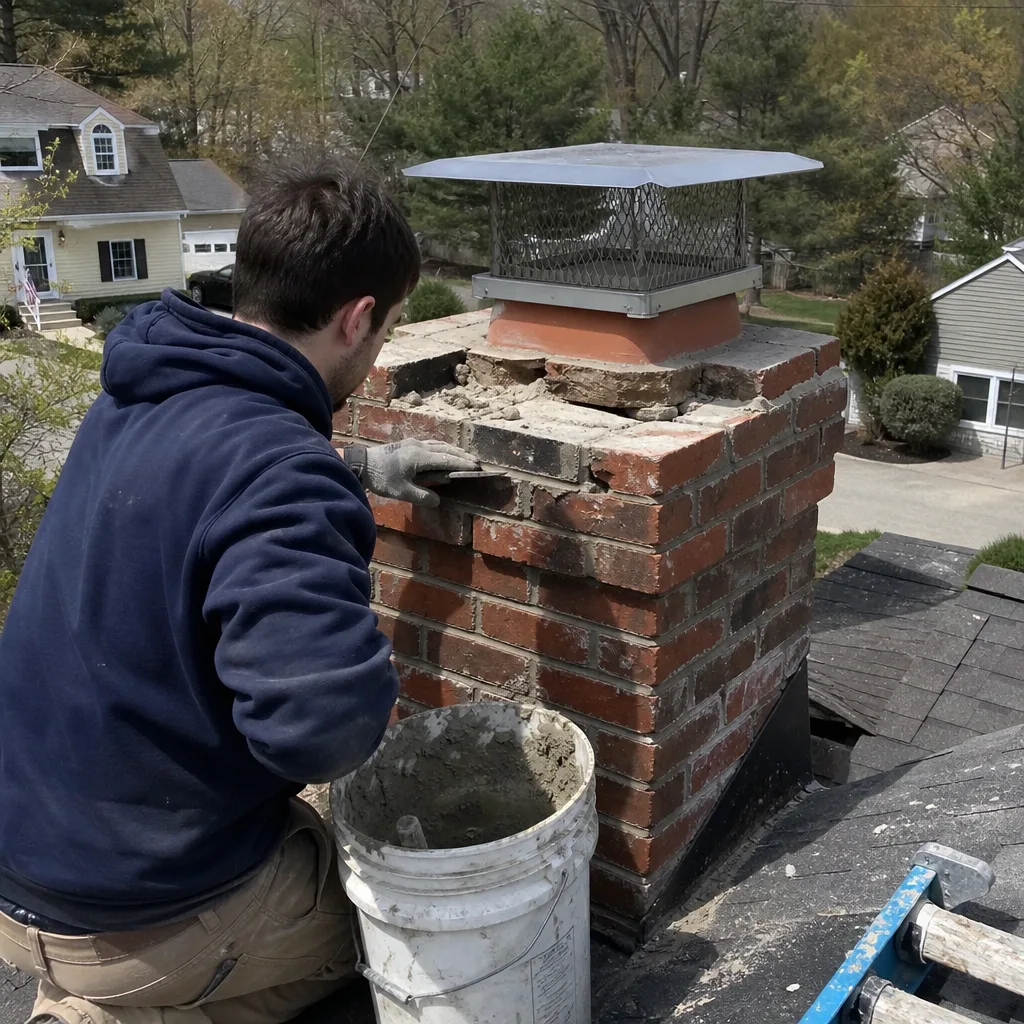
For chimneys where Class II or Class III creosote is present, we use HeatShield resurfacing products in the smoke chamber and Gelco chemical treatments where appropriate – materials sourced through Haven’s buying network to keep pricing honest.
FAQs – Soot Removal
How much does soot removal cost in Boston?
Soot removal in Boston runs $149 to $349 for most residential chimneys, with the price depending on flue height, the degree of buildup, and whether the smoke chamber needs additional work. The camera inspection and documented photo record are included in that price – they’re not separate line items. Call (857) 567-8887 for a free estimate; we’ll quote you before you schedule, and the price won’t change at the door.
Is soot removal the same as a chimney sweep?
Soot removal is part of a full chimney sweep, but not every sweep goes far enough. A proper sweep addresses the flue liner, smoke shelf, smoke chamber, and firebox – not just the visible firebox walls. At Level Two Chimney Boston, every cleaning includes a pre- and post-cleaning camera scan so you have photographic proof of what was removed, not just a technician’s verbal confirmation. Our Chimney Cleaning & Sweep in Boston page covers the full scope of what a complete sweep includes.
Can soot removal wait, or is it urgent?
Light soot buildup is not an emergency, but it moves toward one faster than most homeowners expect. A half-inch of soot on the smoke shelf is enough to restrict draft and push carbon monoxide back into the living space. In Boston’s colder months – December through February – when homes are sealed tight and fireplaces get used daily, that restriction becomes a real safety concern. If you’re noticing smoke entering the room or a persistent smell, don’t wait until spring. Call (857) 567-8887 and we’ll get someone out to you.
Do I need to be home for the soot removal appointment?
Yes – we need access to the firebox and ideally the roofline. Our technician will send you a text when they’re on their way, arrive during the agreed window, and walk you through the camera findings before and after the cleaning. The written price, photo record, and post-job summary all go to you directly, and we don’t leave without making sure you have everything documented. If your schedule is tight, let us know when you call and we’ll work out the logistics.
Key Takeaways
- Soot removal in Boston costs $149 to $349, with a written price before work starts – always.
- Every visit includes a pre- and post-cleaning camera scan and a documented photo record under Haven Standard Clause 4.
- Boston’s climate and housing stock – tall flues, aging masonry, short-burn winters – accelerate soot accumulation faster than most homeowners expect.
- Soot and creosote are different materials with different removal requirements; the camera tells us which we’re dealing with before the price changes.
- Every job is backed by the 365-Day Done Right Promise: if it’s not right, we make it right.
- Free second opinion on any written estimate from another company.
- Live phone support at (857) 567-8887, answered by a person, any time.
Schedule Your Soot Removal in Boston
If your firebox walls are coated, your chimney smells off, or it’s simply time to search Chimney Cleaning & Sweep Near Me in Boston, MA, the practical next step is a camera scan and a written price. We’ve done this for more than 38,000 chimneys across Boston and the surrounding area since 2009 – every one with documentation you can keep. Call (857) 567-8887 and you’ll speak with a live person who can answer your questions, give you a ballpark number on the call, and schedule a time that works. No voicemail, no web form, no waiting.
Written by Corrine Halstead, Owner at Level Two Chimney Boston, serving Boston.