
Last updated September 20, 2026
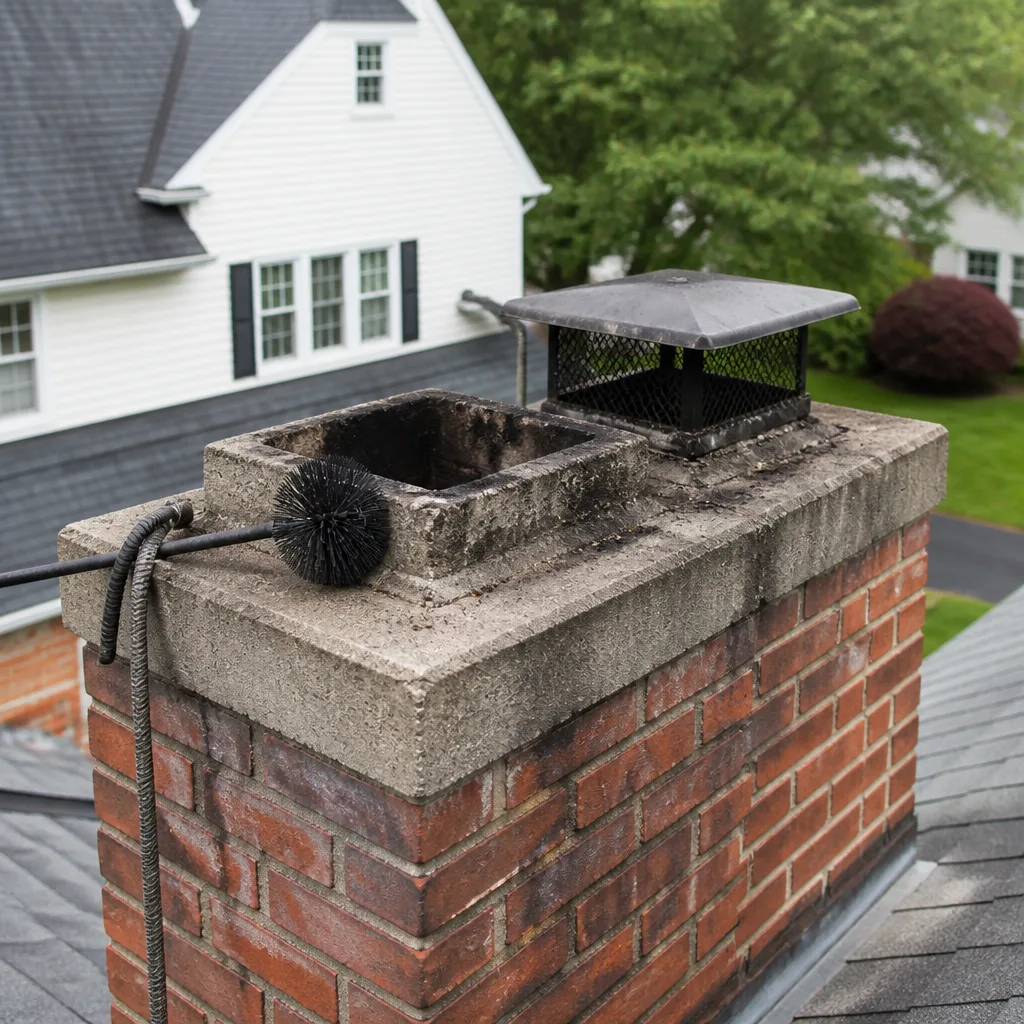
Level 1 sweep and inspection to the NFPA 211 annual standard - flue, crown, cap, and flashing checked and photographed
Chimney sweep logs do not sweep chimneys. They loosen some creosote - which then falls where a brush and vacuum still have to collect it.
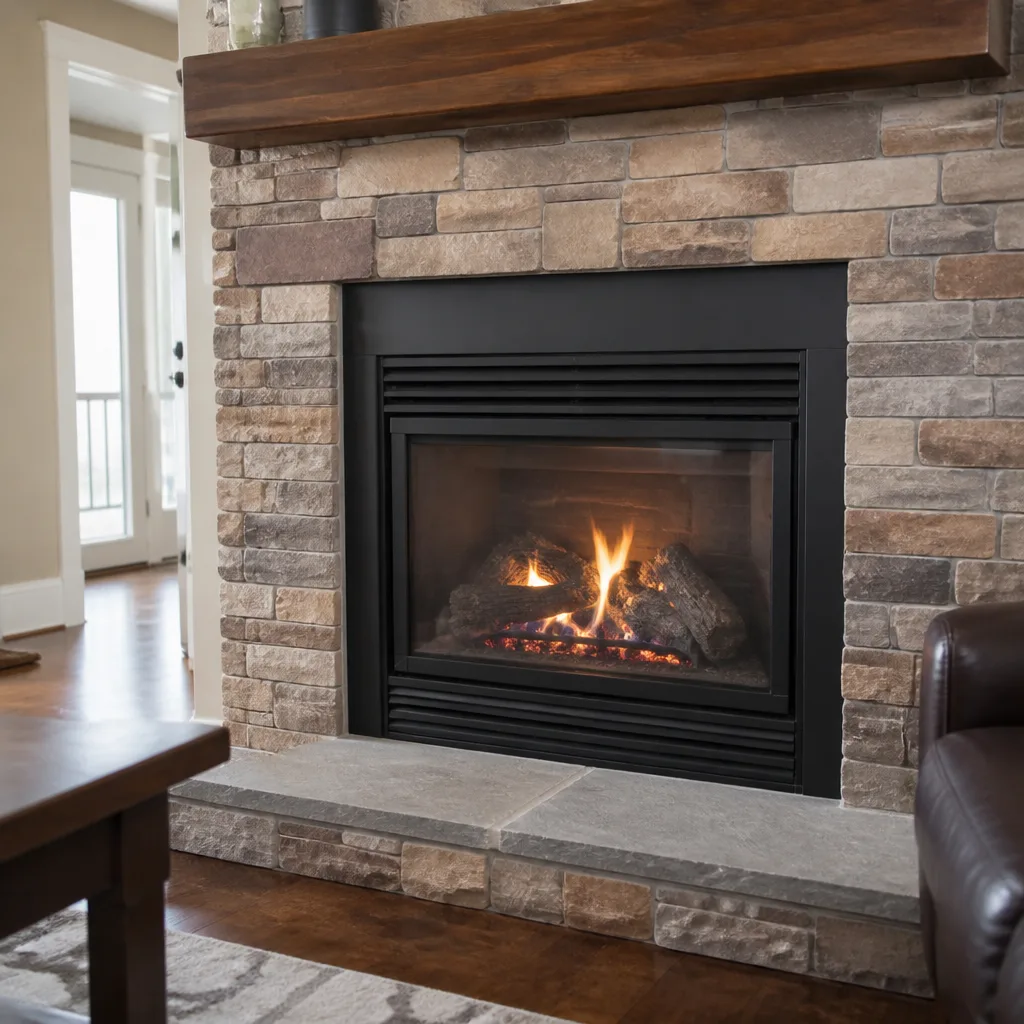
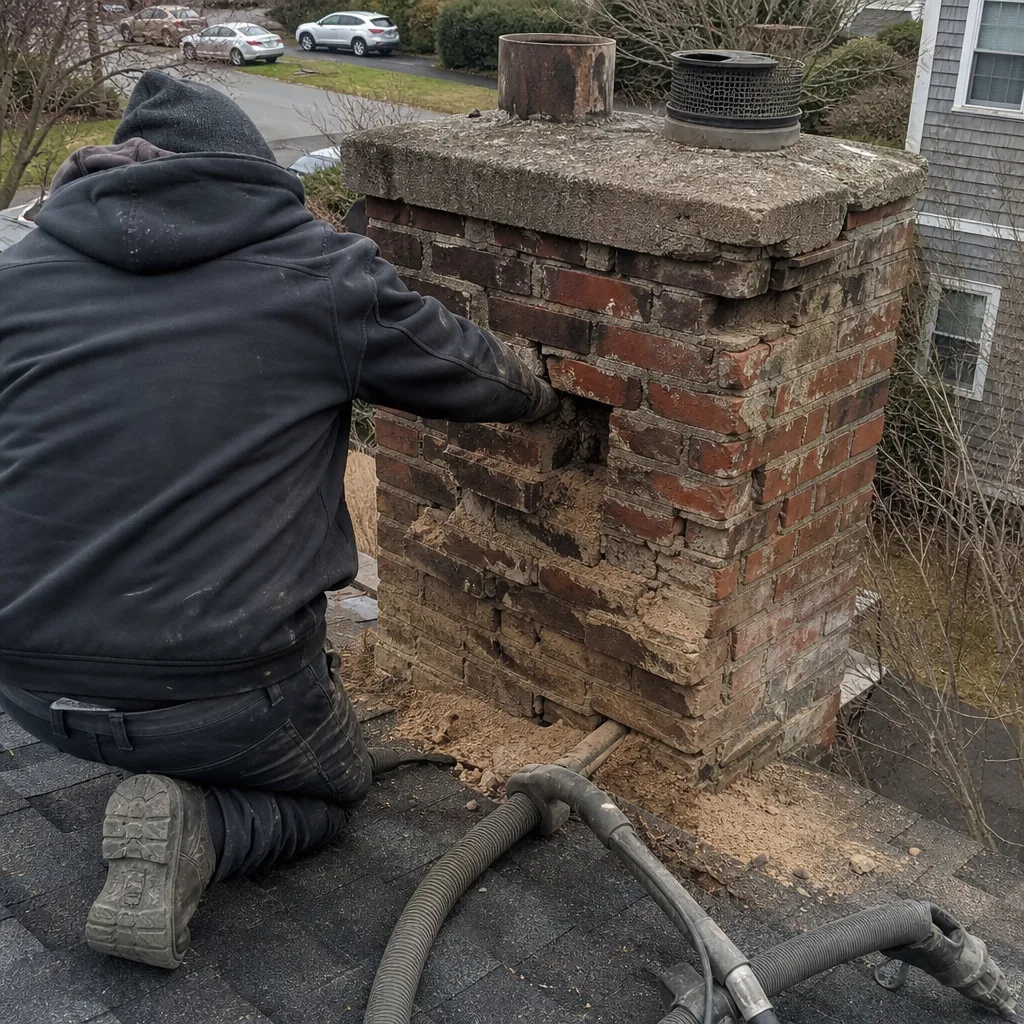 Before
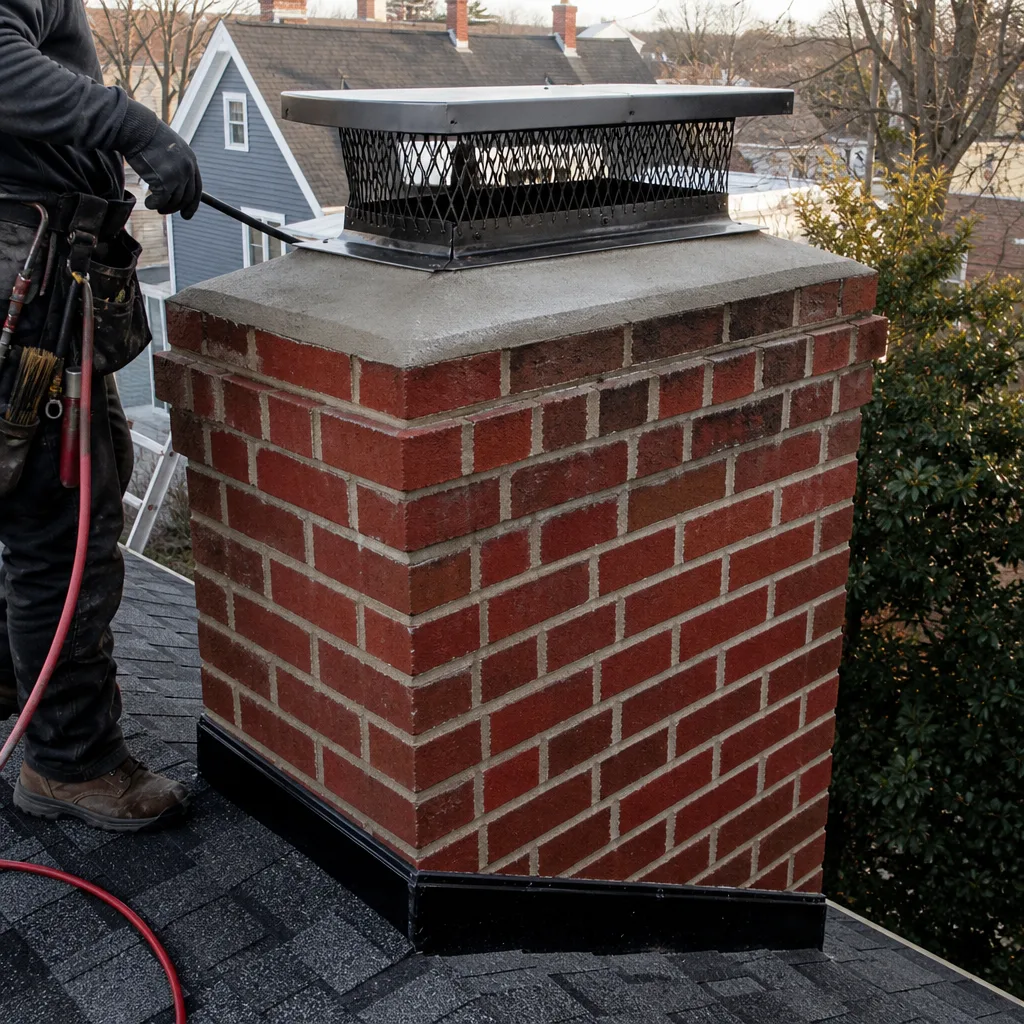 After
After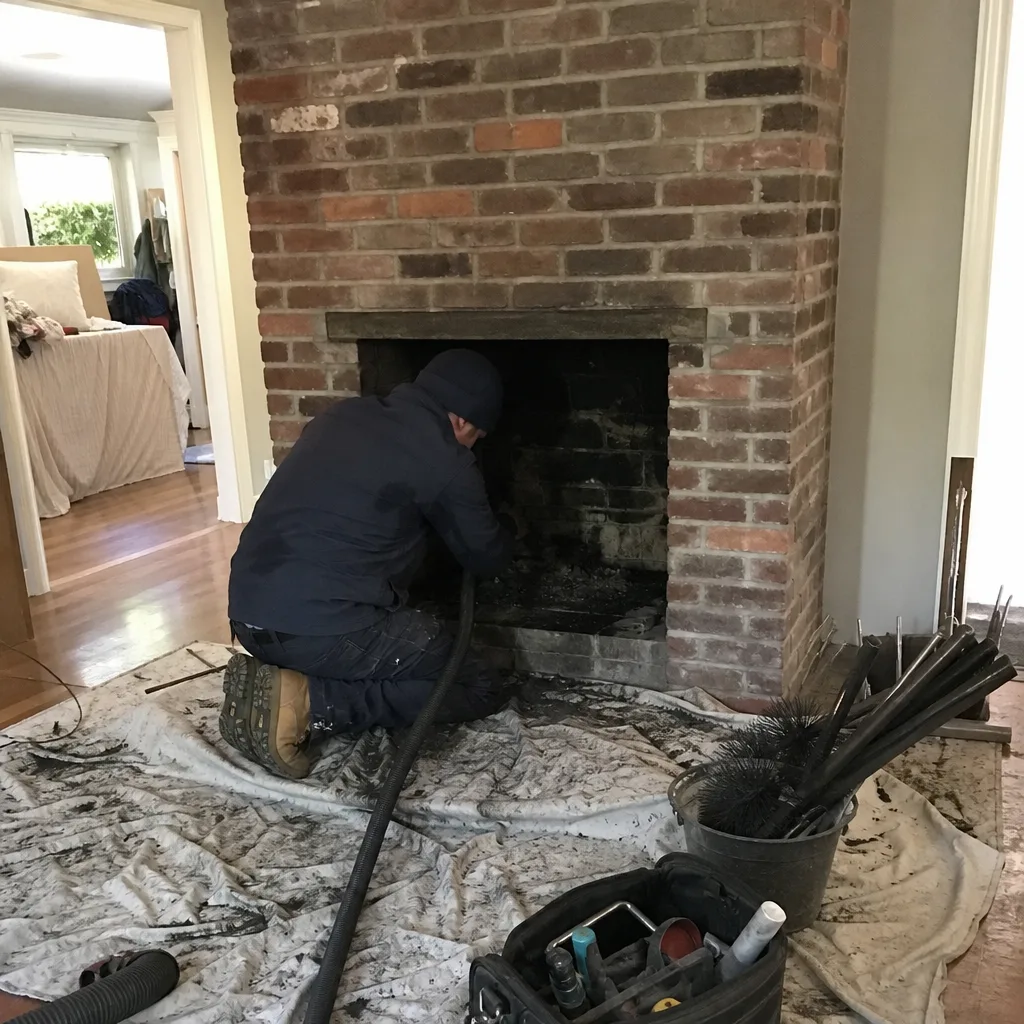 Before
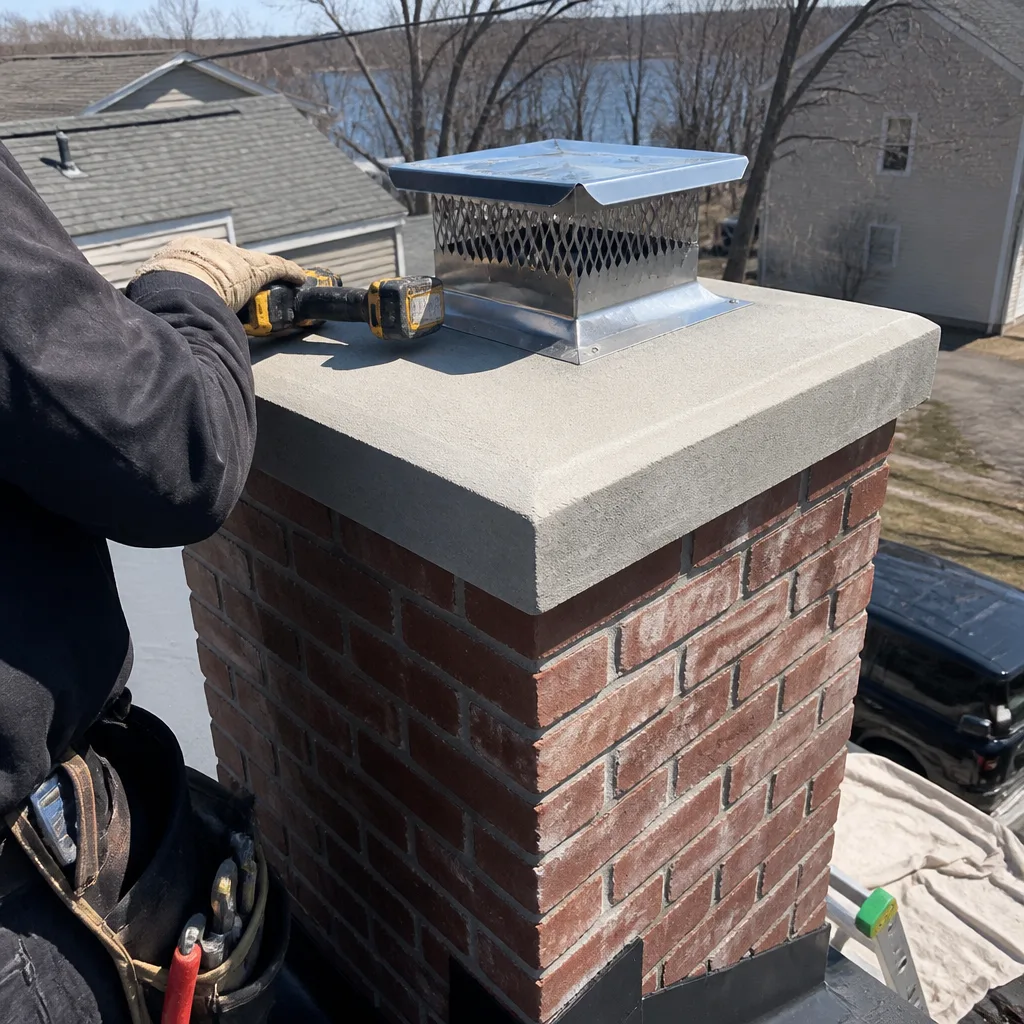 After
After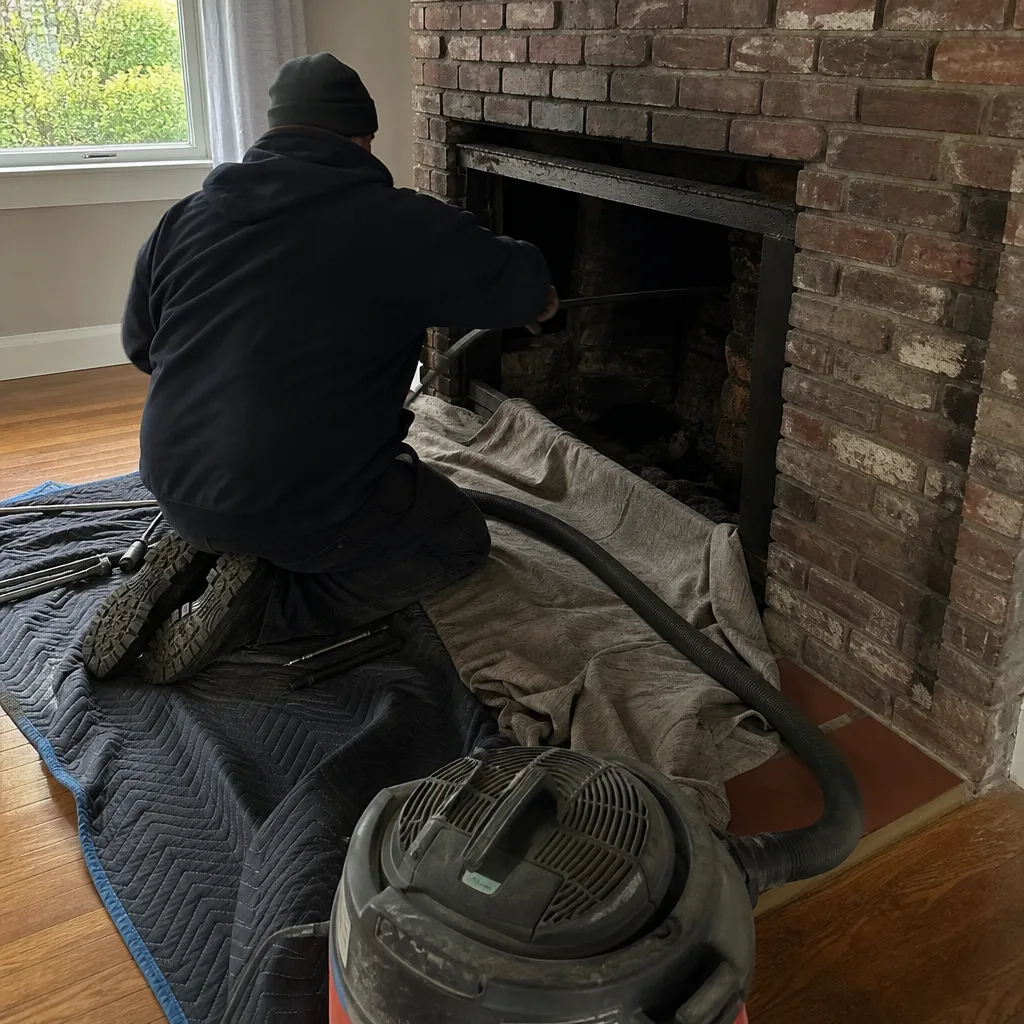 Before
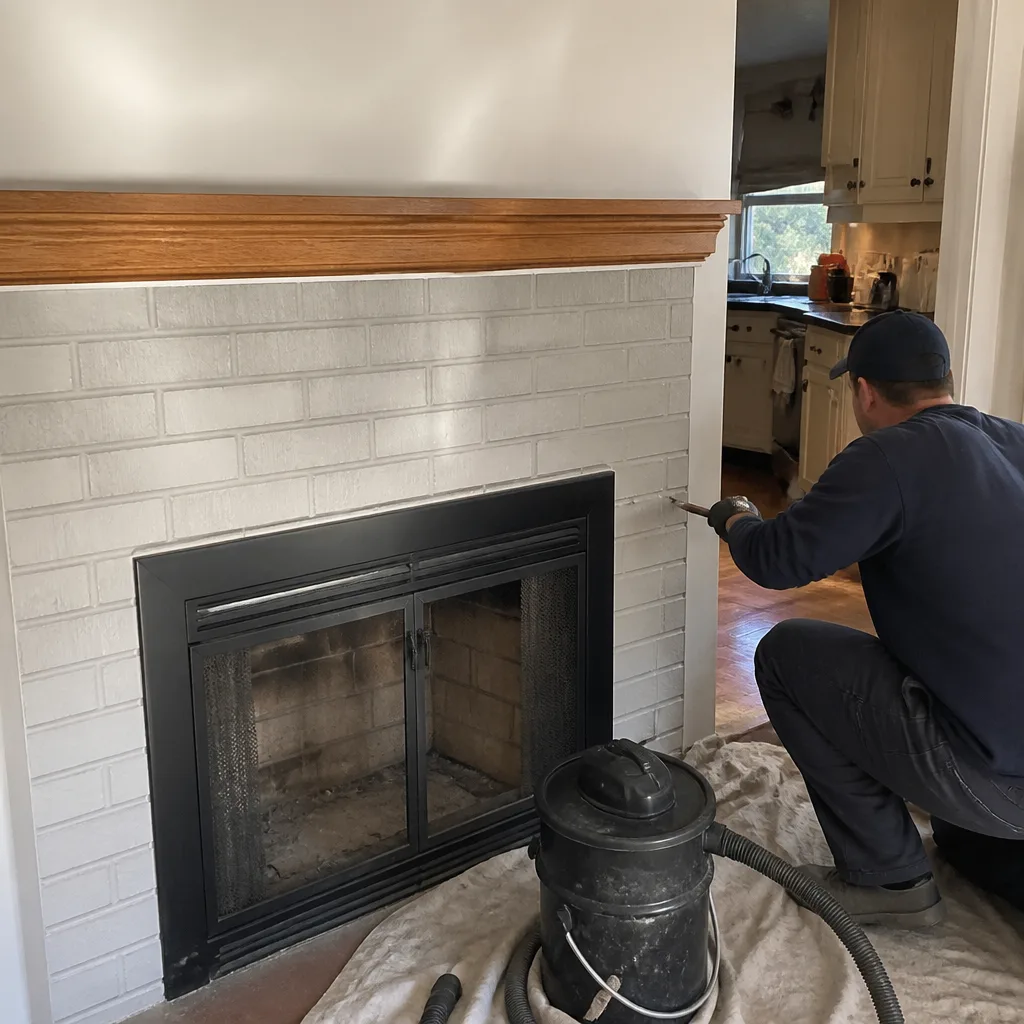 After
AfterSeasonal Chimney Cleaning Care for Boston: Year-Round Homeowner’s Guide
The worst time to schedule a chimney cleaning in Boston is October, when every sweep in the city is booked three weeks out and the first cold snap has already sent homeowners scrambling. But the best time to catch the damage that October fires will expose is August, when the flue is dry, accessible, and not competing for appointment slots. This guide assigns specific chimney tasks to specific months based on what Boston’s climate actually does to masonry and liner systems, because treating chimney care as a single annual task leaves the other three seasons of failure unaddressed. You’ll learn what freeze-thaw damage looks like in March, why July is the smartest month to book a cleaning, what your fall pre-season checklist should include, and how to spot mid-winter warning signs before they become a January emergency.
Quick Answer
Seasonal chimney care in Boston means four distinct checkpoints, not one annual sweep. Schedule your annual cleaning and Level 2 camera inspection in July or August when liners are dry and availability is open. Assess freeze-thaw damage each March before capping the chimney for summer. Run a pre-season checklist in September before the first fire. And monitor mid-winter performance indicators from December through February, stopping use immediately if draft reverses, odors intensify, or you hear falling debris in the flue. A written, documented inspection record from each visit builds the baseline that makes every future assessment faster and more accurate.
Table of Contents
- Spring (March-May): Assessing Freeze-Thaw Damage Before Summer Capping
- Summer (June-August): Why July and August Are the Smartest Months to Book
- Fall (September-November): The Pre-Season Checklist, Wood vs. Gas
- Winter (December-February): Mid-Season Warning Signs and When to Stop Using the Fireplace
- Building a Four-Season Maintenance Log That Pays Off Every Visit
- How Boston’s Climate Specifically Stresses Chimney Systems
- Common Mistakes to Avoid
- When to Call a Professional
- Frequently Asked Questions
BeforeAfterSpring (March-May): Assessing Freeze-Thaw Damage Before Summer Capping
Boston winters hammer chimney masonry through a cycle most homeowners never see happening. Water enters hairline cracks in the crown, mortar joints, and brick faces during thaws, then freezes again overnight. Water expands roughly 9 percent when it freezes. That expansion, repeated dozens of times each Boston winter, widens cracks incrementally and separates mortar from brick. By March, the damage is done and visible, but most homeowners don’t look until October, when it’s already a repair instead of a maintenance item.
What freeze-thaw damage looks like in March:
- Spalling: brick faces flaking or popping off in thin layers, leaving a recessed, powdery surface. The word comes from the stone trade and means exactly what it sounds like: the brick is shedding its outer skin.
- Efflorescence: white, chalky mineral deposits on brick faces. This is water moving through the masonry, dissolving salts, and depositing them on the surface as it evaporates. It tells you water is traveling where it shouldn’t.
- Mortar joint erosion: joints that look recessed more than 1/4 inch compared to the brick face. Run a finger along a joint; if it sinks in noticeably, water is sitting there during every rain and freeze.
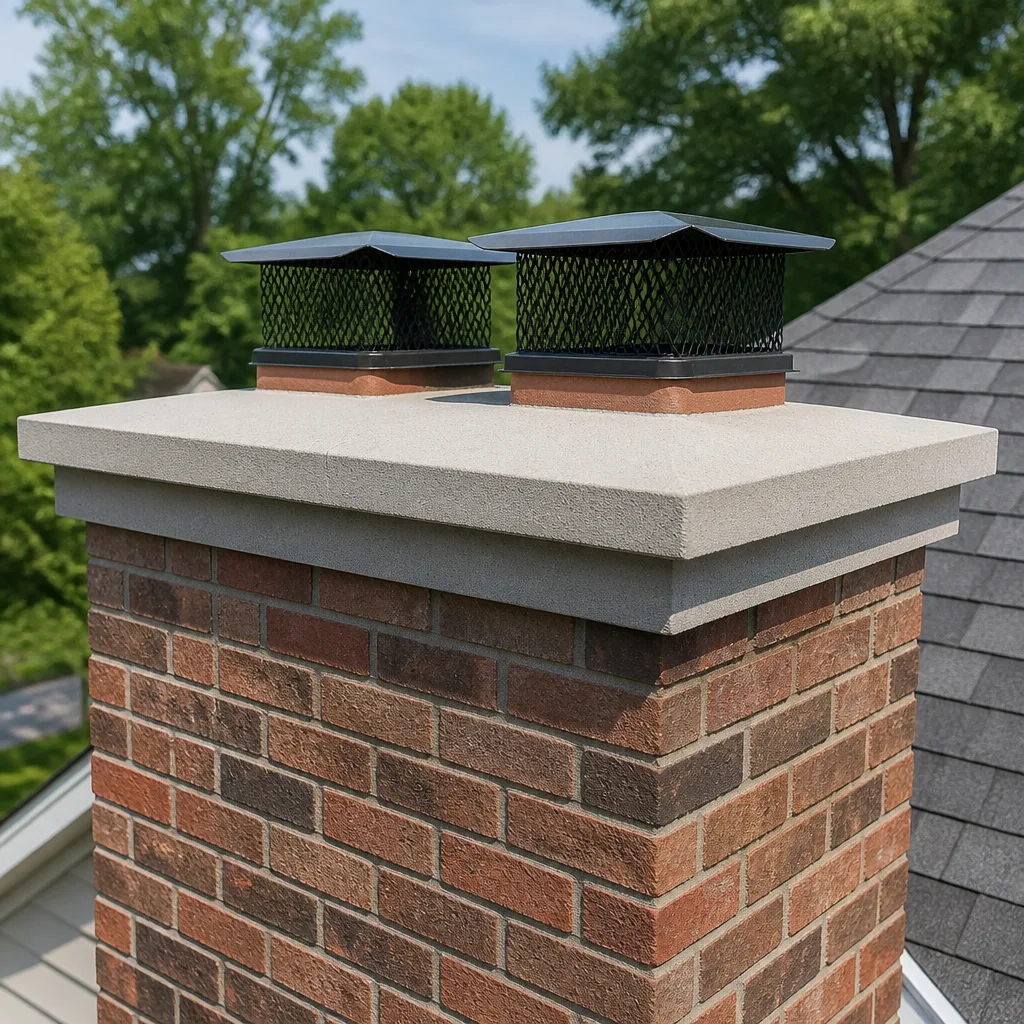
- Crown cracking: the concrete cap at the top of the chimney develops visible cracks or, worse, begins to crumble at the edges. The crown is the chimney’s umbrella, and when it fails, everything below it gets wet.
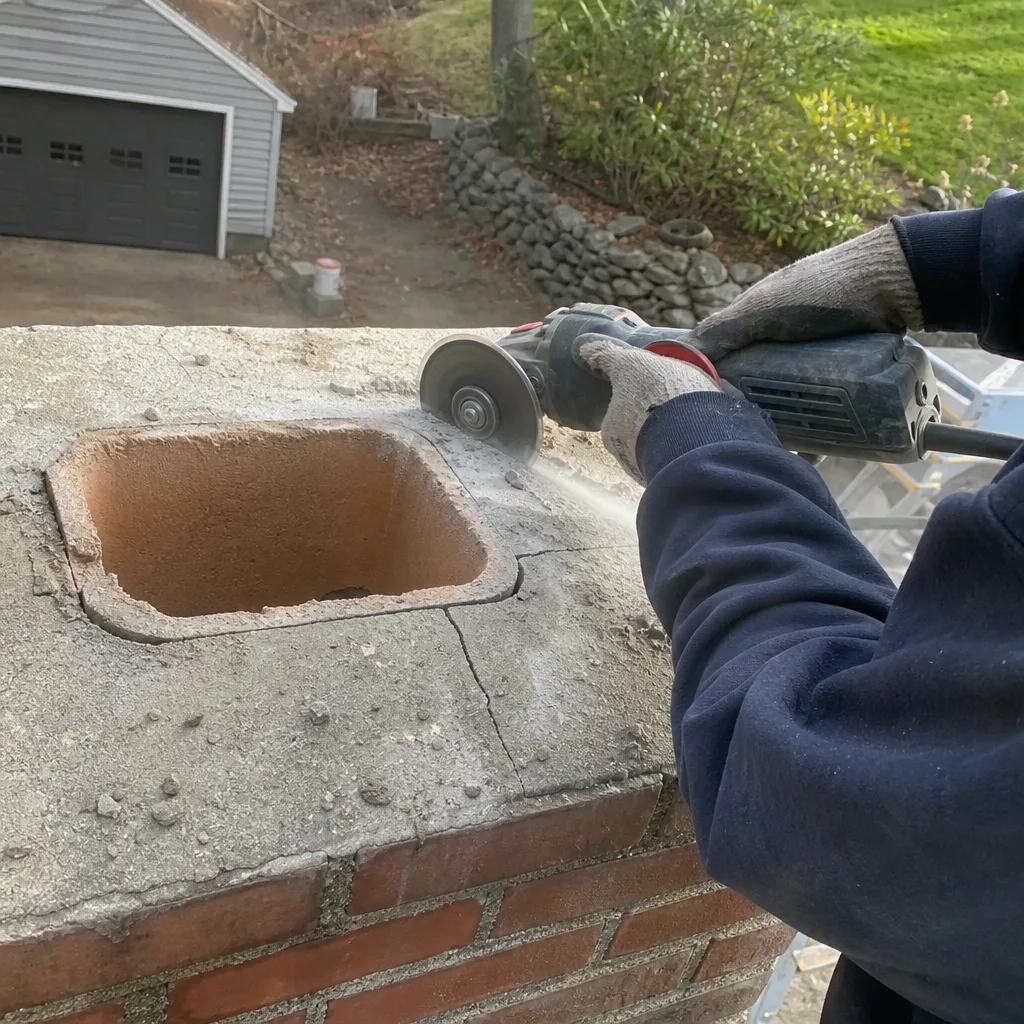
Assess this before capping the chimney for summer, not after. If you cap a chimney with a compromised crown or spalling brick, you’re sealing moisture inside the system for six months while heat accelerates the deterioration. The summer sun bakes water trapped in masonry, and the resulting pressure delaminates brick from the inside out.
Spring checklist for Boston homeowners:
- Walk the exterior of the chimney after the last hard freeze, typically mid-to-late March in Boston. Photograph anything that looks different from the previous fall.
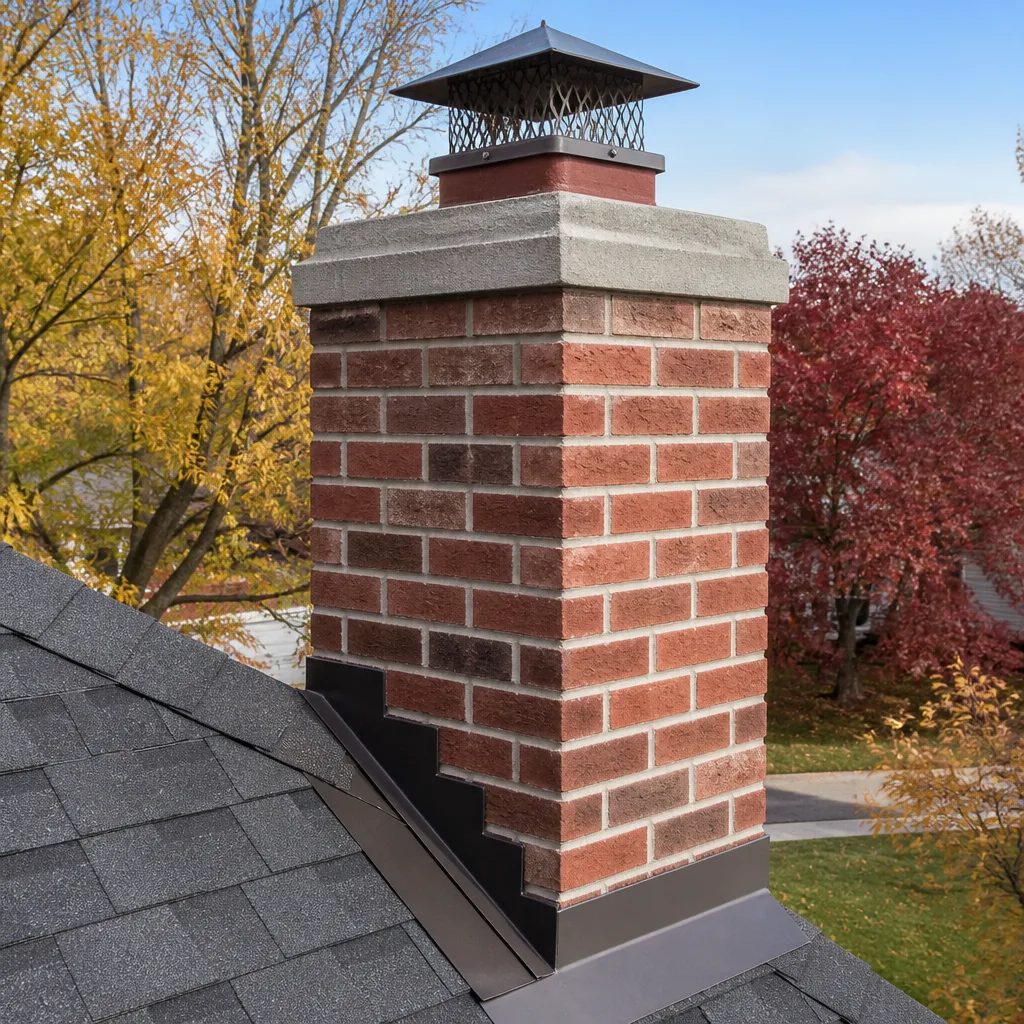
- Check the flashing where the chimney meets the roofline. Look for lifted edges, missing sealant, or rusted metal. Failed flashing accounts for more interior water damage than most flue issues.
- Look inside the firebox for signs of water: rusted damper hardware, water stains on the firebrick, or a damp, musty smell.
- If water or masonry damage is present, book a professional inspection before the summer heat sets in. Early-season assessments are faster and less expensive than October repairs.
We’ve inspected thousands of Boston chimneys since 2009, and the pattern is consistent: homes in neighborhoods like Dorchester, Roslindale, and Hyde Park with 1920s-era masonry show freeze-thaw damage faster than newer construction in the suburbs, but no Boston chimney is immune. The freeze-thaw cycle doesn’t care about zip code.
Summer (June-August): Why July and August Are the Smartest Months to Book
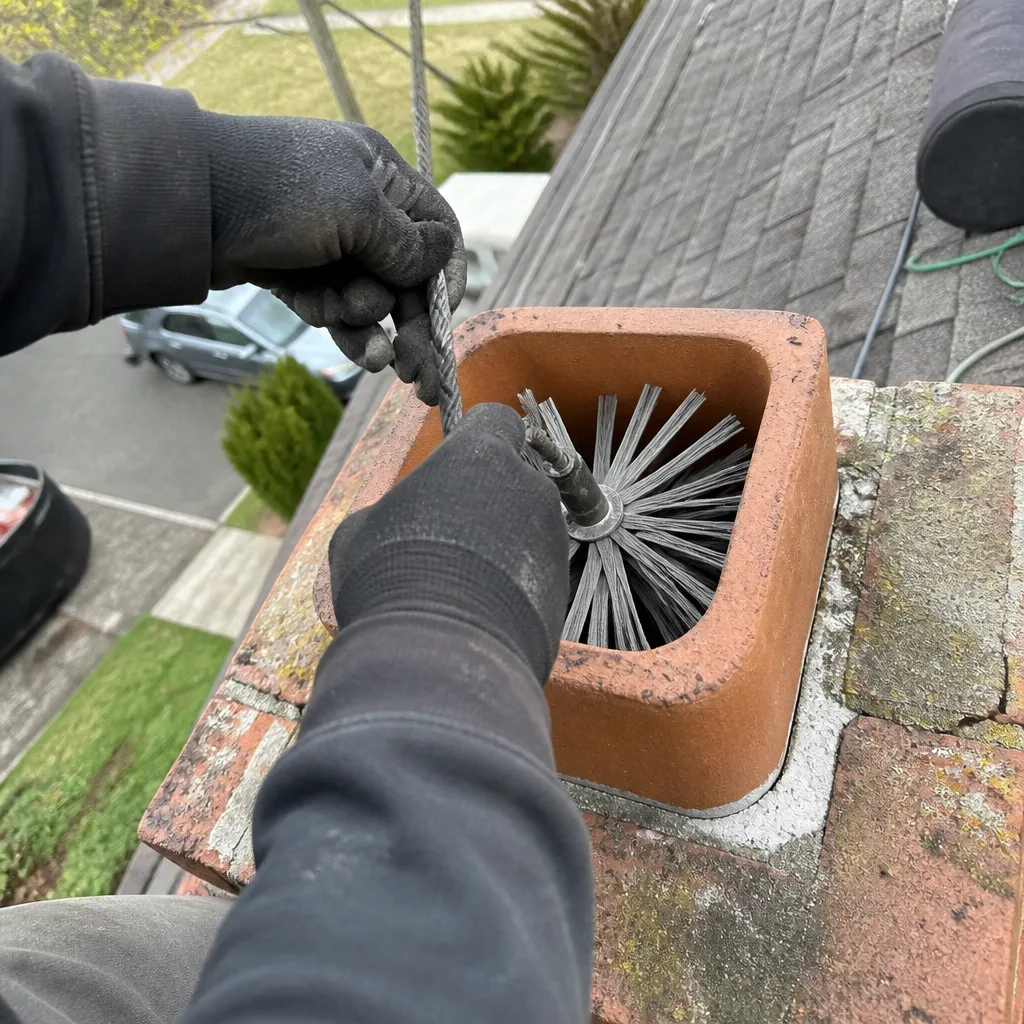
Every year, Boston homeowners flood the phone lines in September and October, hoping to get a cleaning before the first fire. Every year, the wait stretches to three or four weeks, and the urgent cases, cracked liners, blocked flues, failed dampers, get discovered exactly when demand is highest and repair schedules are fullest. The counterintuitive move is to book in July or August, when the flue is dry, the creosote is not frozen to the liner walls, and a sweep can actually see what they’re working with-see our Chimney Cleaning Cost Breakdown: The Boston Homeowner’s Reference for 2026 for what to expect.
Here’s the practical case for a summer cleaning:
- Dry liners inspect better. Creosote absorbs moisture during humid Boston summers and cold winters. In July, a dry flue lets the camera see hairline cracks and early-stage liner deterioration that a wet or soot-caked surface hides.
- Repairs get completed before heating season. If the summer inspection finds a cracked flue liner or a deteriorated crown, you have six to eight weeks to repair it before the first fire. Discover the same issue in October, and you’re choosing between an emergency repair and a winter without fires.
- Appointment availability is open. July and August are the slow season for chimney companies. You can schedule at your convenience, often within a few days, rather than waiting three weeks in October.
- Creosote removal is more thorough. Stage III creosote, the hardened, glazed variety, becomes brittle and harder to remove when cold. Warm season removal is more complete and less likely to leave residue that accelerates future buildup.
We recommend scheduling your Chimney Cleaning & Sweep in Boston between July 15 and August 31. The flue is at its driest, the schedule is open, and any findings can be addressed long before the first October fire. If a camera inspection reveals liner damage that needs Chimney Repair in Boston, you’ll have the time to evaluate quotes and make a decision without the pressure of a cold house.
One more Boston-specific point: summer thunderstorms. A hard rain on a hot day finds every crack in your crown and flashing. If you’ve been meaning to check the chimney’s water resistance, the day after a July thunderstorm is the most honest test you’ll get all year.
Fall (September-November): The Pre-Season Checklist, Wood vs. Gas
The September checklist looks different depending on what you burn, and most generic chimney advice ignores the distinction. A wood-burning homeowner in Boston faces creosote accumulation and draft issues. A gas fireplace owner faces different risks: venting blockages, carbon monoxide exposure, and deteriorating gas logs. Treating both with the same checklist means missing the specific failure mode that applies to your system.
For wood-burning fireplaces and stoves:
- Confirm your last cleaning date. If it was more than 12 months ago, or if you burned more than one cord of wood last winter, book a cleaning before the first fire. Creosote accumulation is a function of burn frequency and wood type, not calendar time.
- Check the damper operation. Open and close it fully. If it’s stiff, rusted, or doesn’t seal completely, you’re losing heated air up the flue all winter and pulling cold air down all summer.
- Inspect the firebrick. Look for cracked or missing firebrick in the firebox. Damaged firebrick exposes the masonry behind it to direct flame, accelerating deterioration.
- Verify the chimney cap is in place. An uncapped or damaged cap lets rain, squirrels, and leaves into the flue. Boston’s squirrel population is relentless, and a flue is a five-star squirrel condo.
For gas fireplaces and inserts:
- Check for gas odor. If you smell gas even faintly when the fireplace is off, shut off the gas valve and call a professional immediately. This is not a DIY diagnostic.
- Inspect the glass and gasketing. Cracked glass or failed gasketing in a direct-vent gas unit can allow carbon monoxide into the living space. This is the most common gas fireplace failure we see in Boston.
- Verify the vent termination is clear. Outside the house, check that the vent cap is free of leaves, debris, and animal nests. Blocked gas vents kill people; this is not hyperbole.
- Schedule a gas appliance service. Gas fireplaces need annual servicing just like wood-burning systems, though the work is different: burner cleaning, pilot assembly inspection, and venting verification. Level Two Chimney Boston covers Fireplace Services in Boston for both fuel types.
Gas is the majority of what we service in Boston’s condo conversions and newer construction. Homeowners often assume gas means no maintenance, and that assumption is exactly where carbon monoxide issues hide.
Winter (December-February): Mid-Season Warning Signs and When to Stop Using the Fireplace
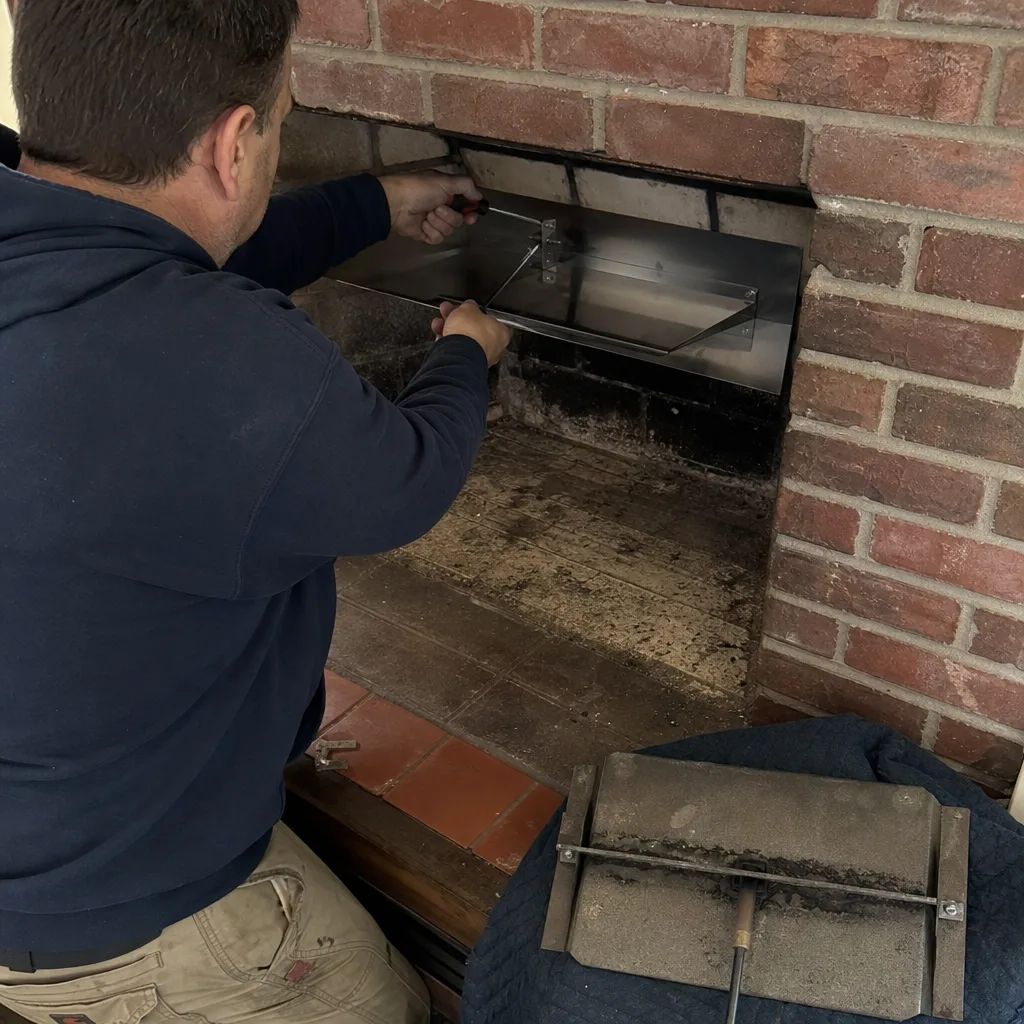
Mid-winter is not the time to schedule a routine cleaning, but it is the time to pay attention. Boston’s heating season runs hard from December through February, and the chimney tells you when something has changed. The signs are specific, and ignoring them costs more than the repair.
Warning signs that mean stop using the fireplace immediately:
- Smoke entering the room instead of going up the flue. A sudden reversal of draft means the flue is blocked, the house is depressurized, or the chimney is cold-soaked and incapable of establishing draft. Stop burning and investigate.
- A chemical or acrid odor that gets stronger during fires. This often signals creosote ignition or a crack in the liner allowing combustion gases to contact surrounding materials. If the smell is sharp or oily, stop using the fireplace.
- Hearing debris fall inside the flue during or after a fire. This can be creosote flaking, mortar crumbling, or liner pieces breaking loose. Any falling debris is a structural warning.
- Visible smoke staining around the chimney chase, ceiling, or wall penetrations. Smoke finding a path through the house structure rather than up the flue means a breach in the system.
- A chimney fire that you suspect even briefly. Loud roaring, a hot chimney exterior, or flames visible at the cap. Call the fire department, even if it appears to self-extinguish. Then have the entire system inspected before its next use.
Mid-winter indicators that warrant a professional look but don’t require an immediate shutdown:
- Reduced draft on cold days. If the fireplace struggles more in February than it did in December, something has changed in the flue or the cap.
- Increased soot accumulation on glass doors. A sudden change in burn efficiency often signals restricted airflow.
- Damp spots on interior walls near the chimney after snow. Snow melting against a warm chimney finds entry points that rain doesn’t, because snow sits and melts slowly across hours.
The operating principle here is simple: a fireplace that worked fine in November and suddenly behaves differently in January has developed a problem. Chimneys don’t improve with age. Changes in performance mean changes in the system, and those changes rarely fix themselves.
Building a Four-Season Maintenance Log That Pays Off Every Visit
The most valuable thing a Boston homeowner can do for their chimney is not a cleaning, it’s a record. Every inspection and cleaning should generate a documented photo record, and every homeowner should keep a simple log of what was found and when. This gives any future sweep or inspector a baseline to compare against, and comparison is where real diagnostics happen.
What to log each season:
- Date and type of visit: sweep, inspection, repair, or observation.
- What was found: creosote class noted, liner condition, crown and flashing observations, any masonry notes.
- What was done: cleaning performed, repairs completed, parts replaced.
- Documentation received: photo record, written scope, written warranty, receipt.
- Follow-up items: anything recommended for the next season or noted as watch-and-see.
This log changes the economics of chimney ownership in Boston. When a sweep sees a chimney for the first time, they’re working without history. A hairline crack in a liner might be old and stable, or it might be new and progressing. The difference is unanswerable without a baseline. The second visit with a baseline tells a different story: the crack is unchanged, or it’s widened 2mm in a year. One of those calls for monitoring; the other calls for repair.
Under the Haven Standard, every visit includes a documented photo record. Clause 4 requires it, and that requirement has been in place since 2009, before regulators or insurers asked for it. A homeowner who keeps these records across seasons builds a chimney history that makes every subsequent visit faster, more accurate, and less expensive.
This is also the honest answer to a problem most Boston homeowners have faced: being told by a sweep that a liner needs replacement and having no way to verify it. A camera image of a cracked liner with a measurement is evidence. A photo record from the previous year showing the same crack unchanged is context. That context is the difference between a $3,000 repair that’s necessary and one that can safely wait another season.
How Boston’s Climate Specifically Stresses Chimney Systems
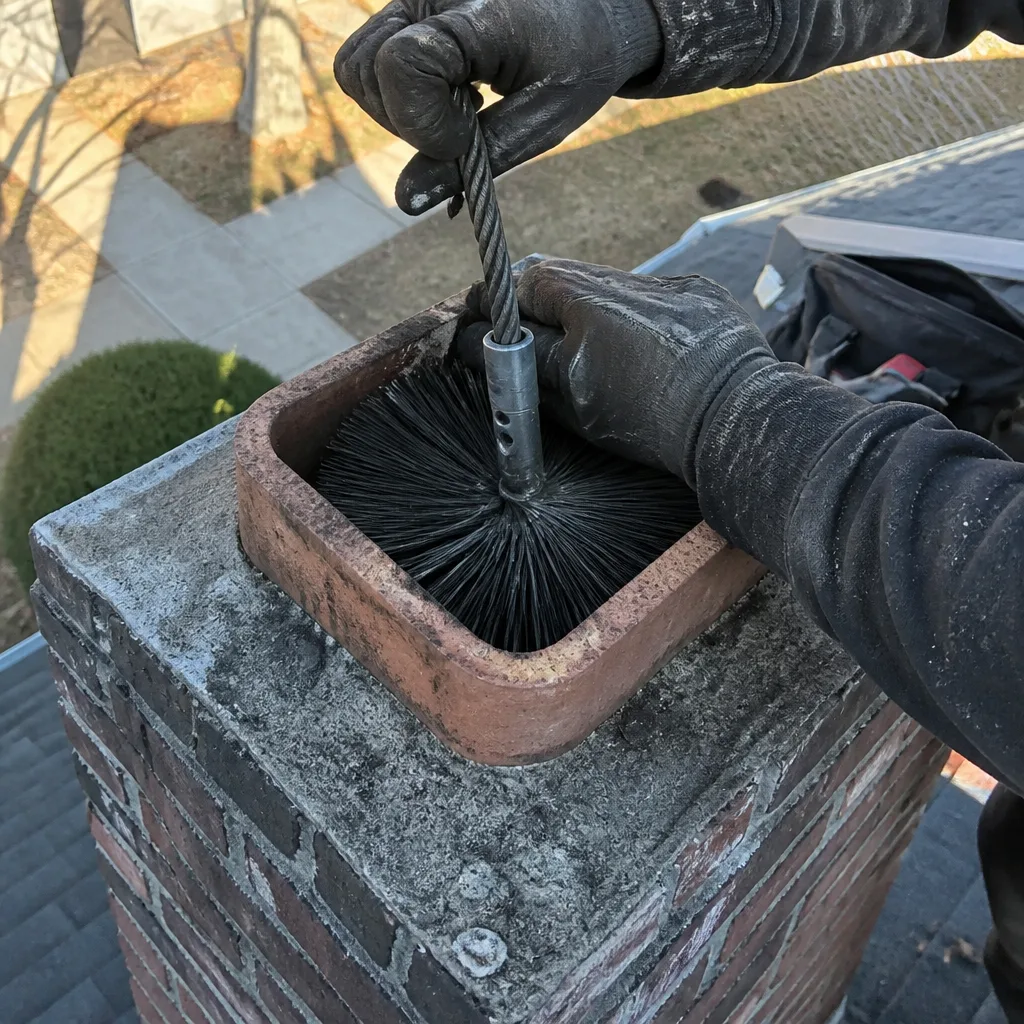
Boston’s climate does four specific things to chimneys, one per season, and each creates a distinct failure mode.
Winter: the freeze-thaw cycle. Boston averages 40 to 60 freeze-thaw events per year, depending on the neighborhood and elevation. Each event is a small hydraulic press working inside the masonry. Homes in exposed locations like East Boston and South Boston get more cycles than sheltered neighborhoods like Jamaica Plain or Brookline, but every Boston chimney sees dozens each winter.
Spring: rapid temperature swings and heavy rain. April in Boston means 40-degree mornings and 70-degree afternoons. Thermal expansion moves the masonry, and water follows every crack. Spring rains test the system immediately after winter damage occurs, which is why the March-April inspection window matters.
Summer: humidity and thunderstorm deluges. Boston humidity averages 60 to 70 percent in July and August. Creosote absorbs that moisture, which softens it and makes it more removable during a summer sweep, but also more corrosive to metal dampers and liners. The afternoon thunderstorms dump an inch of rain in an hour, testing every seal in the system.
Fall: leaf litter and animal intrusion. Boston’s tree canopy sends tons of leaves onto roofs and chimneys every October and November. Uncapped flues fill with debris, and animals looking for a winter den find Boston chimneys irresistible. A chimney cap inspection is a fall task, not a spring task, because fall is when the risk materializes.
The lesson isn’t that Boston is uniquely hostile to chimneys, it’s that each season has a specific stress signature, and the maintenance calendar should match it. A chimney that’s only inspected in October misses the freeze-thaw assessment in March, the dry-flue window in July, and the mid-winter performance monitoring that catches failures early.
Common Mistakes to Avoid
- Treating chimney care as a single annual event. The October-only approach leaves the spring freeze-thaw cycle and winter performance changes unmonitored. Boston’s climate exposes a different failure mode each season, and the calendar should reflect that.
- Capping the chimney in spring without assessing winter damage. Sealing a damaged chimney for summer traps moisture in masonry that summer heat will expand, making spring cracks into fall failures. Assess first, cap second.
- Assuming gas fireplaces don’t need service. Gas systems have different but equally serious failure modes: blocked vents, failed gasketing, and carbon monoxide leaks. Boston’s condo-heavy market means tens of thousands of gas units that never see an annual service.
- Ignoring a change in fireplace behavior. A fireplace that drafts fine in November and struggles in January has developed a problem. Waiting until spring to investigate gives the problem four more months to worsen.
- Accepting a verbal estimate without written scope. Under the Haven Standard, Clause 1 requires a written price, written scope, and written warranty before any work starts. If a sweep won’t put it in writing, take that as the answer it is. Level Two Chimney Boston has operated this way since 2009, and we offer a Free Second Opinion on any written estimate.
- Not keeping the photo record. The documented images from each inspection are the only evidence you’ll have of what the system looked like before. Without them, every visit starts from zero.
- Waiting until October to book. October is the busiest month in the Boston chimney industry. July and August availability is open, the flue is dry, and repairs can be scheduled without urgency.
When to Call a Professional
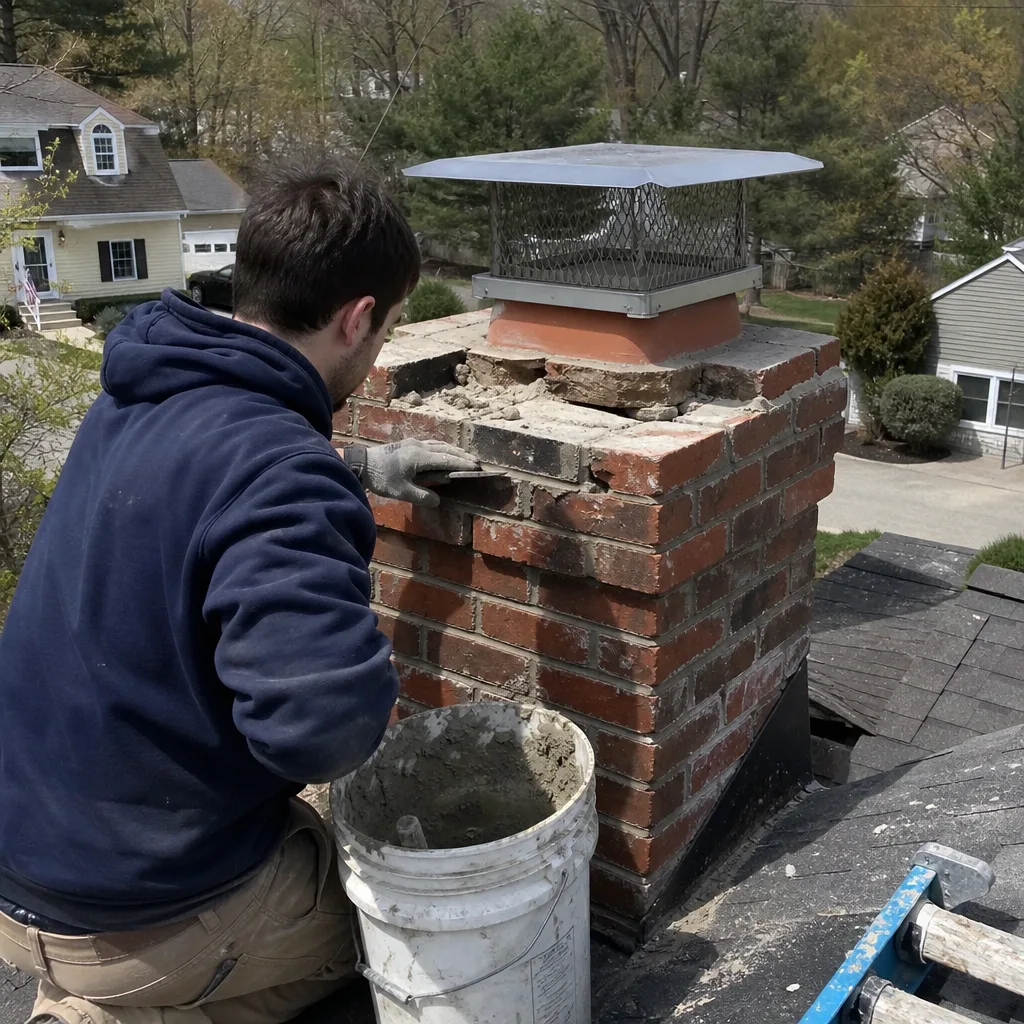
Call a professional when you see spalling brick or crumbling mortar, when water enters the firebox after rain, when draft reverses during a fire, when you smell gas, when you hear debris falling in the flue, or when a camera inspection reveals a liner crack you weren’t expecting. These are not DIY diagnostics. A cracked flue liner is a fire risk and a carbon monoxide risk, and neither is acceptable in a Boston home where the heating season runs five months. Level Two Chimney Boston offers free estimates in Boston, with a written price, written scope, and written warranty before anyone starts. Call (857) 567-8887. The worst that happens is confirmation that your chimney is fine. The best that happens is finding a problem in August instead of January.
Frequently Asked Questions
A standard chimney sweep and inspection in Boston typically runs $200 to $400, depending on the flue type, creosote accumulation, and whether a Level 2 camera inspection is included. At Level Two Chimney Boston, the camera scan and documented photo record are included on every visit, not an add-on. Call (857) 567-8887 for a written quote before any work is scheduled.
Wood-burning chimneys should be swept after every cord of wood burned or annually, whichever comes first. Gas systems need annual servicing too, though the work is different: burner cleaning, vent verification, and gasket inspection. Boston’s humid summers and heavy winter burning season mean annual service is the safe floor for both fuel types.
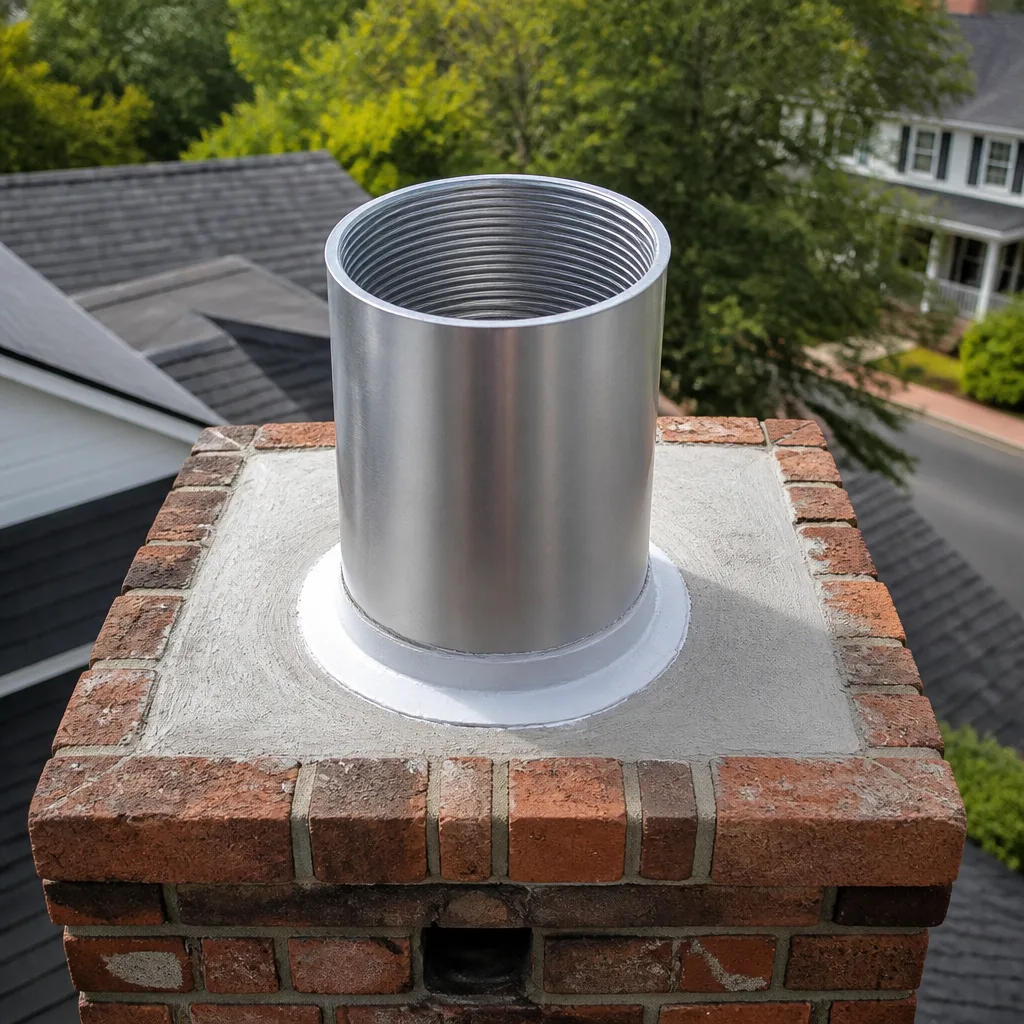
You need a new liner if camera evidence shows cracks, gaps, or deterioration that expose combustible materials to flue gases. That evidence should be shown to you, on screen, with measurements. At Level Two Chimney Boston, the camera record is yours to keep under Haven Standard Clause 4, and we explain exactly what the image shows in plain terms. We source liner materials from DuraFlex and HeatShield, and we’ll tell you plainly when a liner can safely wait.
Creosote accumulates, water entry points widen, and small cracks in the liner or crown progress. The system degrades silently through Boston’s freeze-thaw cycles and summer thunderstorms. Most of the expensive repairs we complete in Boston, full liners, partial rebuilds, crown replacements, were avoidable if the issue had been caught a season or two earlier.
Yes. The flue is dry, creosote is easier to remove, appointment availability is open, and any repairs discovered have weeks of lead time before the first October fire. August is the single best month in Boston to book a chimney cleaning, and it’s the month most homeowners never think to.
No. Capping a chimney with a compromised crown, cracked flashing, or spalling brick seals moisture inside the system for six months of summer heat, which accelerates deterioration. Assess the spring damage first, then cap. A proper inspection costs less than the repair you’ll face in October if you skip it. Call (857) 567-8887 for a free estimate.
The Bottom Line
Boston’s four seasons create four distinct chimney stress events, and the homeowner who treats chimney care as a single October task addresses only one of them. Assess freeze-thaw damage in March. Schedule the annual cleaning and Level 2 camera inspection in July or August. Run a fuel-specific pre-season checklist in September. Monitor mid-winter performance and stop burning at the first sign of draft reversal, gas odor, or falling debris. Keep the photo record from every visit, because a documented baseline is what turns a $3,000 repair recommendation into a decision you can actually verify. For more guides & resources on year-round chimney care, explore our blog. The worst time to schedule is October, and the best time to catch the damage is when the flue is dry, the schedule is open, and the repair season has months to run.
Need a seasonal chimney assessment in Boston? Call Level Two Chimney Boston at (857) 567-8887 for a free estimate. Written price, written scope, written warranty, before work begins. That’s how we’ve done it since 2009, and that’s how the Haven Standard requires it.
Written by Corrine Halstead, Owner at Level Two Chimney Boston, serving Boston since 2009.