
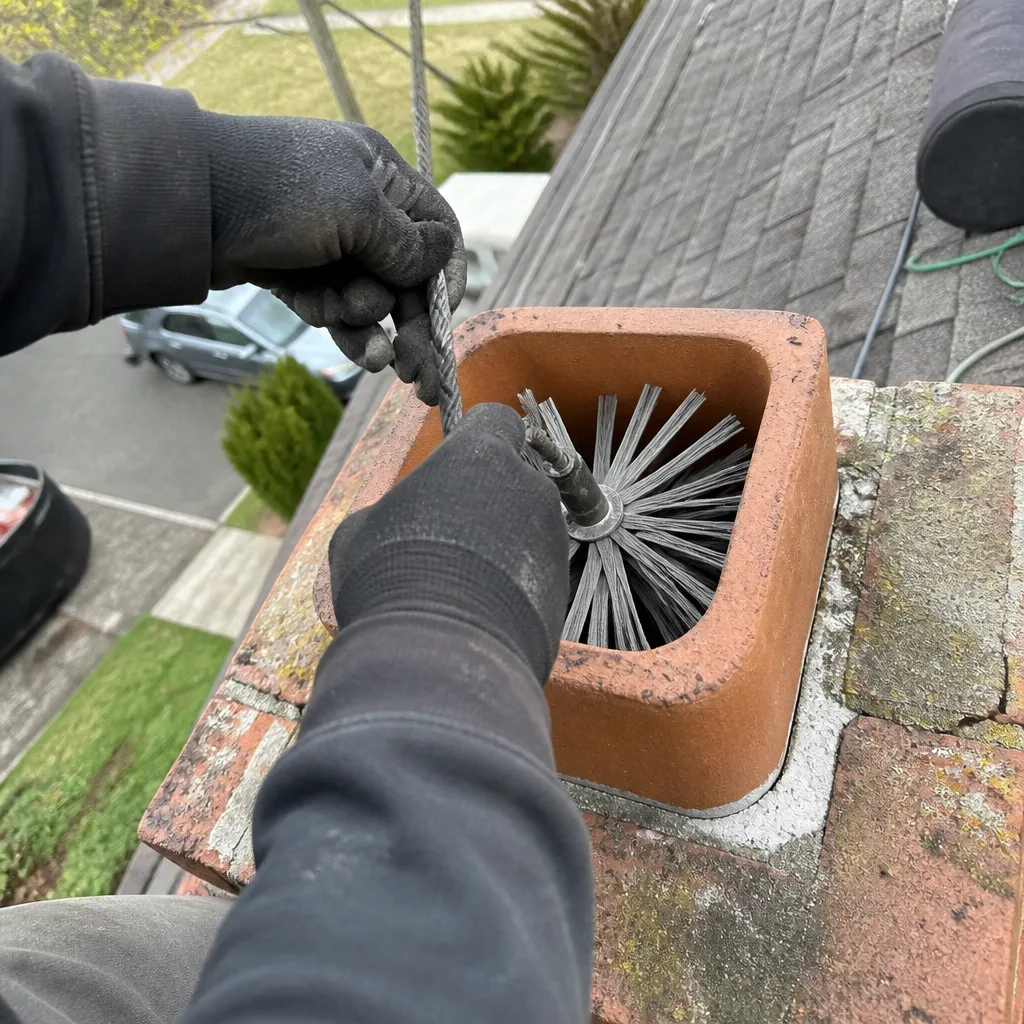
Level 1 sweep and inspection to the NFPA 211 annual standard - flue, crown, cap, and flashing checked and photographed
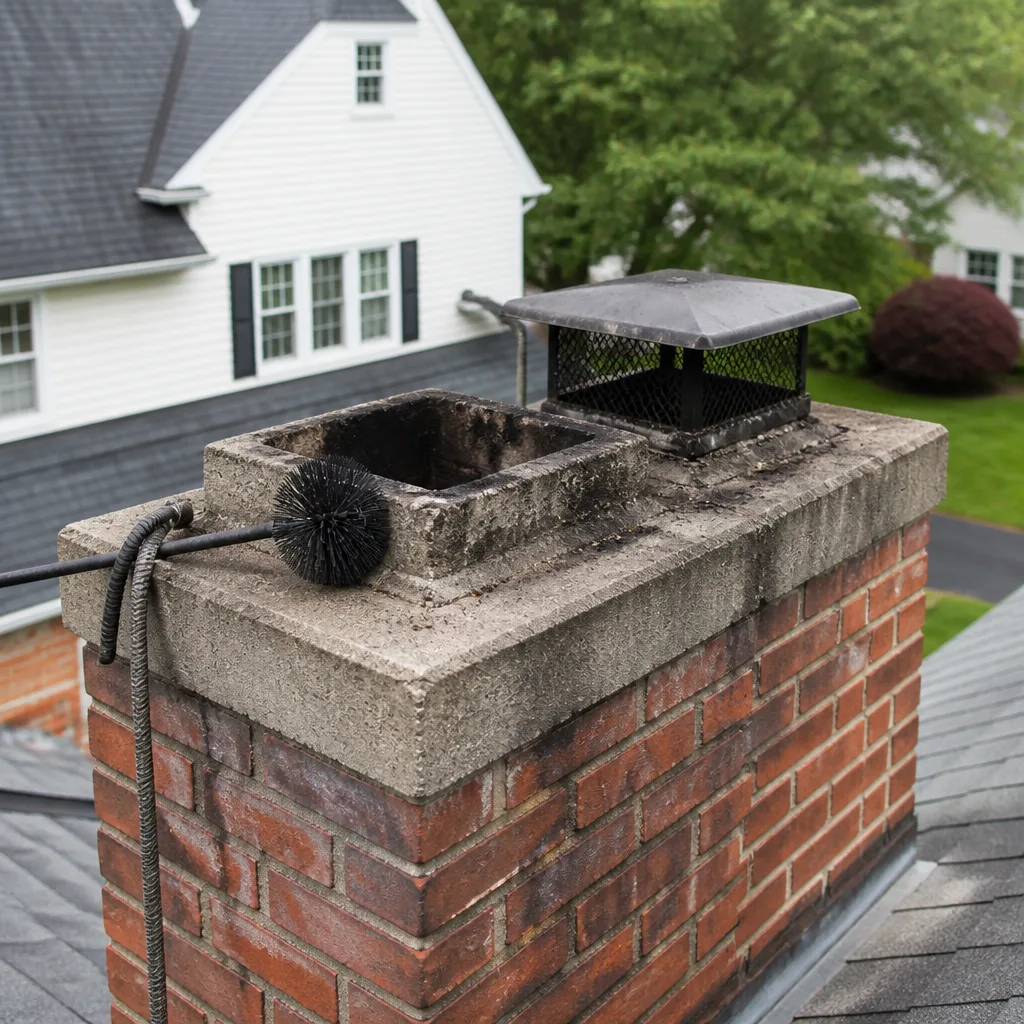
Chimney sweep logs do not sweep chimneys. They loosen some creosote - which then falls where a brush and vacuum still have to collect it.
 Before
 After
After Before
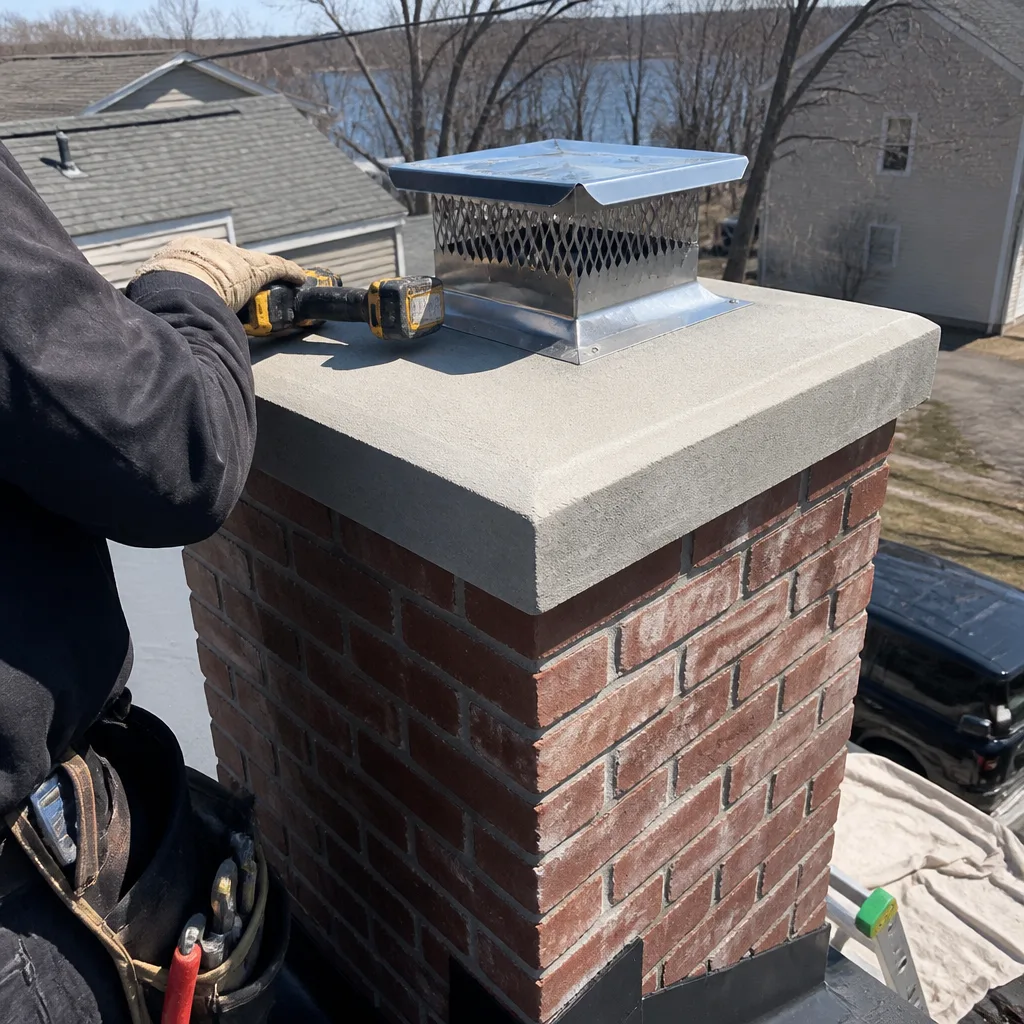 After
After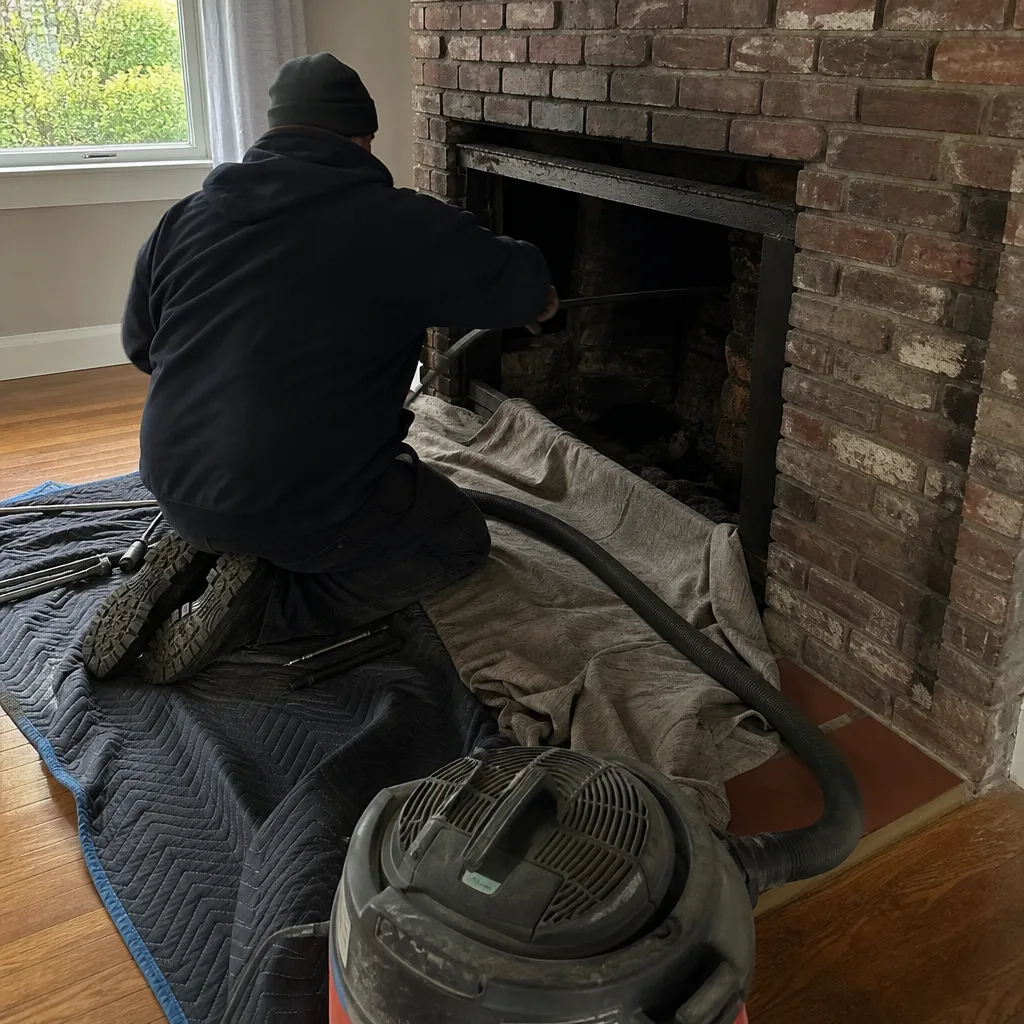 Before
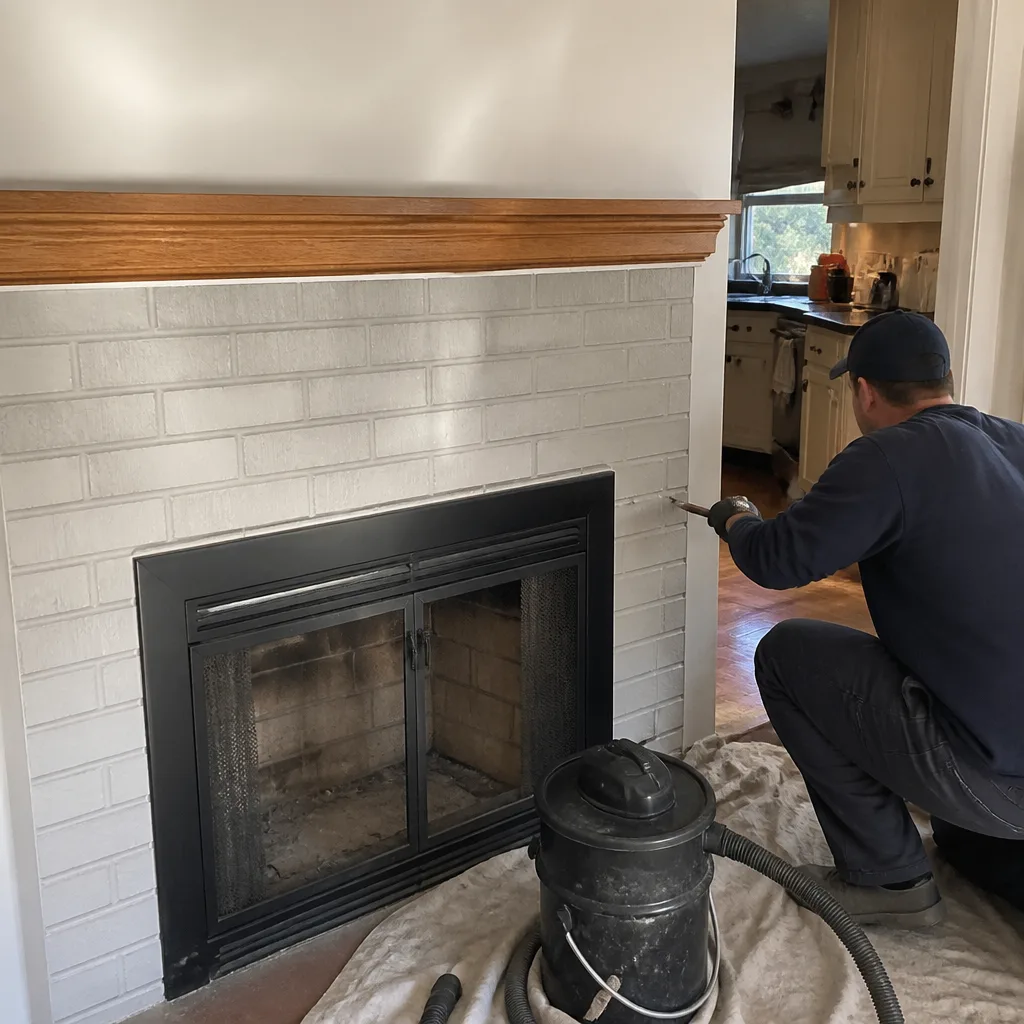 After
AfterDuraFlex Flue Liner Replacement: The Boston Owner’s Guide
We stock and install DuraFlex-compatible flue liner replacements throughout Boston, with typical installed prices running $2,400 to $4,800 depending on flue height, diameter, and access. Most replacements are completed same-day once we confirm the liner dimensions. You’ll most likely land here because your sweep or inspector pulled a camera out of the flue and showed you a crack, a separated seam, or corrosion that made the word “replacement” unavoidable.
DuraFlex liners fail in predictable ways in Boston: acid condensation eats at the inner wall, thermal cycling works seams loose, and winter freeze-thaw cycles punish anything with even a hairline gap. We’ve been pulling failed liners out of Boston chimneys since 2009, and the pattern is consistent. The good news is that a DuraFlex-compatible replacement is a known quantity with standard sizing, which means we can quote a written price before any work starts and usually have the right length on the truck.
Which DuraFlex Models This Applies To
DuraFlex makes two main liner families: the 316L stainless steel line (rated for wood, pellet, and gas) and the AL29-4C line (rated for high-efficiency gas appliances that run cooler and condense more). The 316L typically comes in diameters from 4″ to 12″ in both smooth-wall and corrugated profiles, while the AL29-4C is almost always smooth-wall and runs 3″ to 8″. If you’re replacing part of an existing run, the diameter stamped on the liner’s labeling is the first thing to match, but wall profile matters too: a corrugated section will not seal correctly against a smooth-wall connector without an adapter.
A compatibility gotcha we see regularly in Boston: older DuraFlex 316L runs installed before roughly 2012 often used a two-ply construction with a thinner inner wall than current production. If half the run is original two-ply and half is newer single-ply, the joint between them becomes the failure point. We’ll camera-scan the full run and tell you plainly if a partial replacement makes sense or if the entire liner should come out. Level Two Chimney Boston is an independent service provider, not affiliated with DuraFlex, which means we recommend what the camera shows, not what a brand catalog says. We also stock HeatShield and Gelco materials when a different system fits the appliance better.
Signs Your DuraFlex Flue Liner Replacement Is Failing
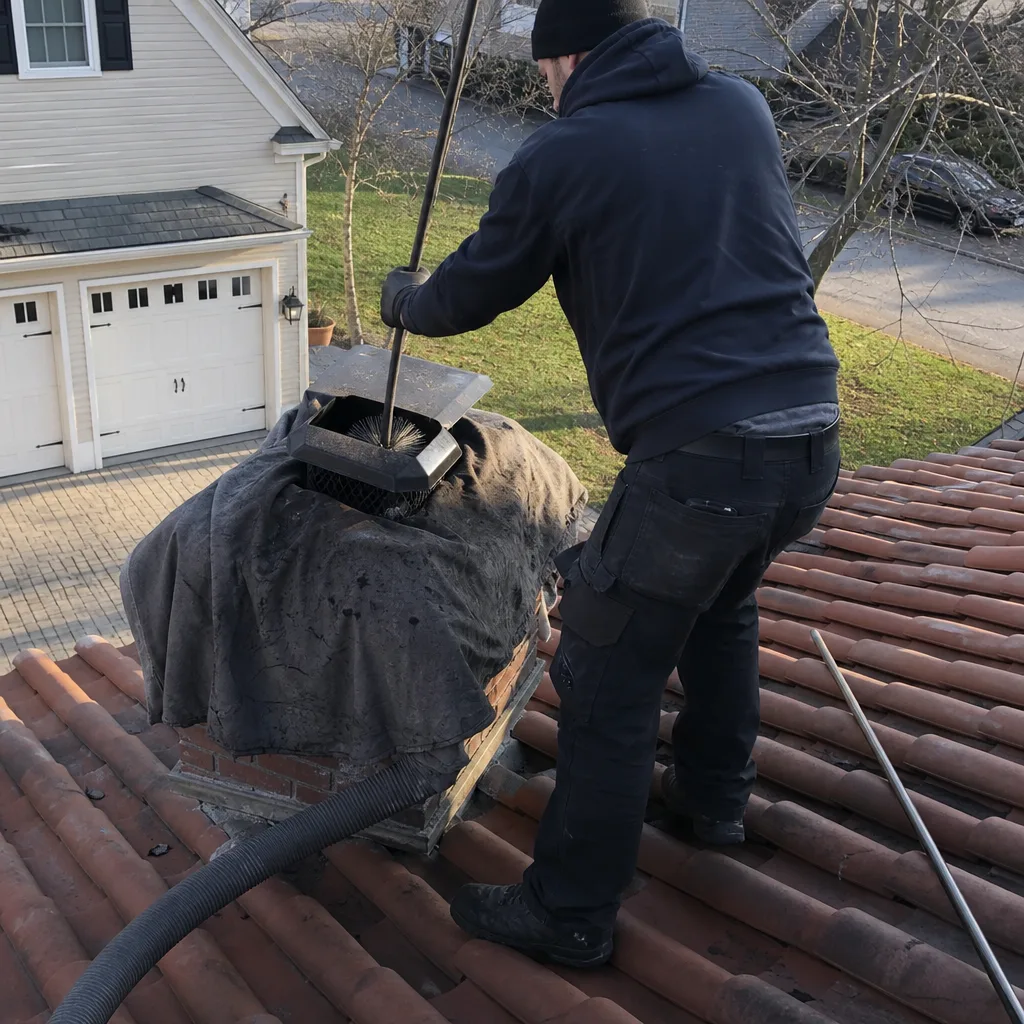
- Rust flakes or metallic grit in the firebox or at the cleanout. This is the inner wall shedding material. On a 316L liner, it usually means condensation has been sitting against the steel long enough to start pitting. On an AL29-4C, it can signal the appliance is running cooler than it should, which changes the corrosion profile.
- A sulfur or “rotten egg” smell when the appliance runs. Flue gases are leaking into the chimney cavity instead of venting up the liner. That smell means the liner has separated or perforated somewhere between the appliance and the cap.
- White or brown staining on the exterior chimney brick. Moisture is moving through the masonry from the inside out. A compromised liner lets condensation and flue gases into the brick, and Boston’s freeze-thaw winters turn that moisture into spalling, which is brick face popping off.
- The water heater draft test fails or the appliance shuts off intermittently. A liner with a crack or separated joint loses draft, so the appliance can’t pull combustion air properly. This shows up as pilot lights that won’t stay lit or a water heater that trips its rollout switch.
- Visible separation at the liner’s seam joints, caught on camera. This is the one you won’t see from the ground. A Level 2 camera scan shows seam separation before it becomes a gas leak, which is why Clause 4 of the Haven Standard requires a documented photo record on every inspection we do. We’ve been keeping that archive since 2009, long before insurers or code officials expected it.
BeforeAfterReplacement Cost & What’s Included
A full DuraFlex-compatible flue liner replacement in Boston typically runs $2,400 to $4,800 installed. The spread comes down to three variables: total flue height (a three-story Dorchester triple-decker costs more than a single-story ranch in Hyde Park), liner diameter (a 6″ gas liner is less material than a 10″ wood-burning liner), and access (scaffolding on a steep roofline adds labor). Parts and labor are always shown as separate line items on our written scope, so you see exactly what the liner costs and exactly what the crew costs.
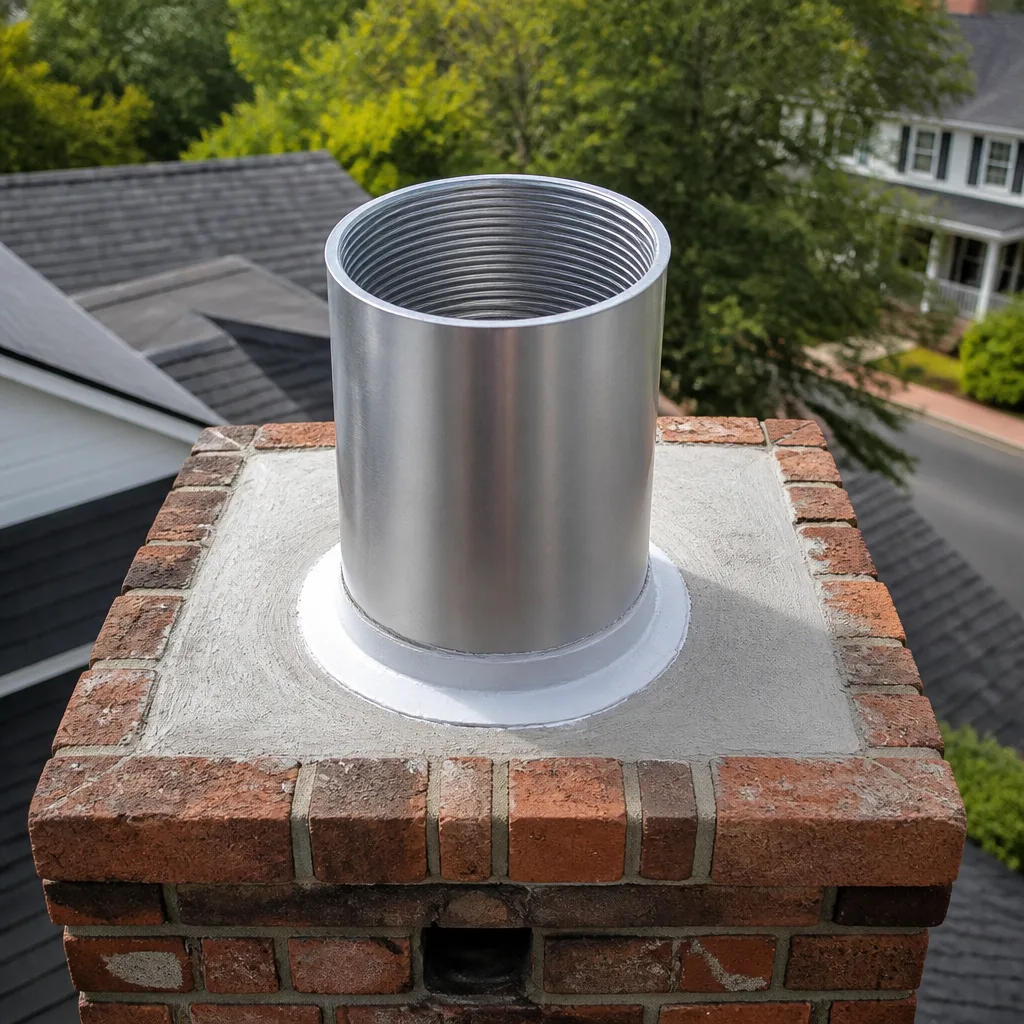
Every replacement includes removal of the old liner, a full camera scan of the flue before the new one goes in (to confirm the masonry is sound and won’t chew up a new liner), installation with the proper top plate and rain cap, and a post-install camera record so you can see the finished run yourself. The work is backed by the 365-Day Done Right Promise: if it’s not done right, we make it right. Materials come from DuraFlex or equivalent through Haven’s buying network, which is how we keep customer prices honest without cutting liner quality.
Written price before any work starts. Always. No exceptions. If someone quotes a Boston liner job over the phone without seeing the flue, you should be suspicious. We’ll give you a written price after the camera tells us what’s actually there.
| Scope Item | Typical Boston Range |
|---|---|
| Single-story, 6″ gas liner (up to 15 ft) | $2,400 - $3,000 |
| Two-story, 6″-8″ liner (15-25 ft) | $3,000 - $3,900 |
| Three-story or steep-roof access, 8″+ liner | $3,900 - $4,800 |
| Partial liner section replacement (rare, specific joints) | $900 - $1,600 |
DIY or Call Us?
We won’t pretend liner replacement is a DIY job. Pulling a liner out of a Boston chimney means working at height, handling stainless steel that’s often sharp at the cut edges, and making joints that have to seal under heat and pressure. If a joint fails, you won’t know until the next camera scan or worse, the next carbon monoxide alarm. High-tension stainless can also spring back when cut, and a 30-foot section falling out of a flue can hurt someone badly.
What you can safely do is document what you’re seeing: take photos of any rust flakes in the firebox, note the appliance model and serial number, and check the cleanout at the base of the chimney for debris. That information lets our tech narrow down the liner diameter before they even climb the ladder. After that, call (857) 567-8887 and we’ll schedule the camera scan. The scan tells us the exact length, the exact diameter, and whether the masonry is ready for a new liner, and we’ll have the written price in your hand before anything gets ordered.
FAQs
A 316L DuraFlex liner in a wood-burning chimney typically lasts 15 to 25 years in Boston’s climate, but an AL29-4C on a high-efficiency gas appliance can fail in 10 to 15 years because those appliances condense more acid. The single biggest variable is whether the liner was sized correctly at install. Call (857) 567-8887 and we’ll camera-scan the run to see what’s actually happening inside yours.
Small punctures or separated single joints can sometimes be addressed with a liner patch kit, but if the camera shows corrosion along a seam or a crack that runs more than a few inches, patching buys time rather than fixing the problem. We’ll show you the footage and tell you plainly what can wait and what can’t. Estimates are free.
Most single-family Boston liner replacements are completed in one day, usually 4 to 6 hours from setup to post-install camera scan. Three-story homes or liners requiring roof scaffolding may push into a second day. Your written scope will state the expected duration before we start.
Our Boston crews carry the most common 316L and AL29-4C diameters in 4″, 6″, and 8″, plus the standard connectors, top plates, and caps. If your flue needs an uncommon diameter or a special profile, we order through Haven’s buying network and typically have it within two business days. Either way, you’ll know the timeline and the price before we order a single part.
The camera doesn’t guess. Neither do we. If your DuraFlex liner is showing any of the signs above, call (857) 567-8887 and we’ll get a real look at what’s inside your chimney, a written price in your hand, and a liner replacement scheduled without the runaround.
Written by Corrine Halstead, Owner, Level Two Chimney Boston at Level Two Chimney Boston, serving Boston and nearby areas.