
Level 1 sweep and inspection to the NFPA 211 annual standard - flue, crown, cap, and flashing checked and photographed
Chimney sweep logs do not sweep chimneys. They loosen some creosote - which then falls where a brush and vacuum still have to collect it.
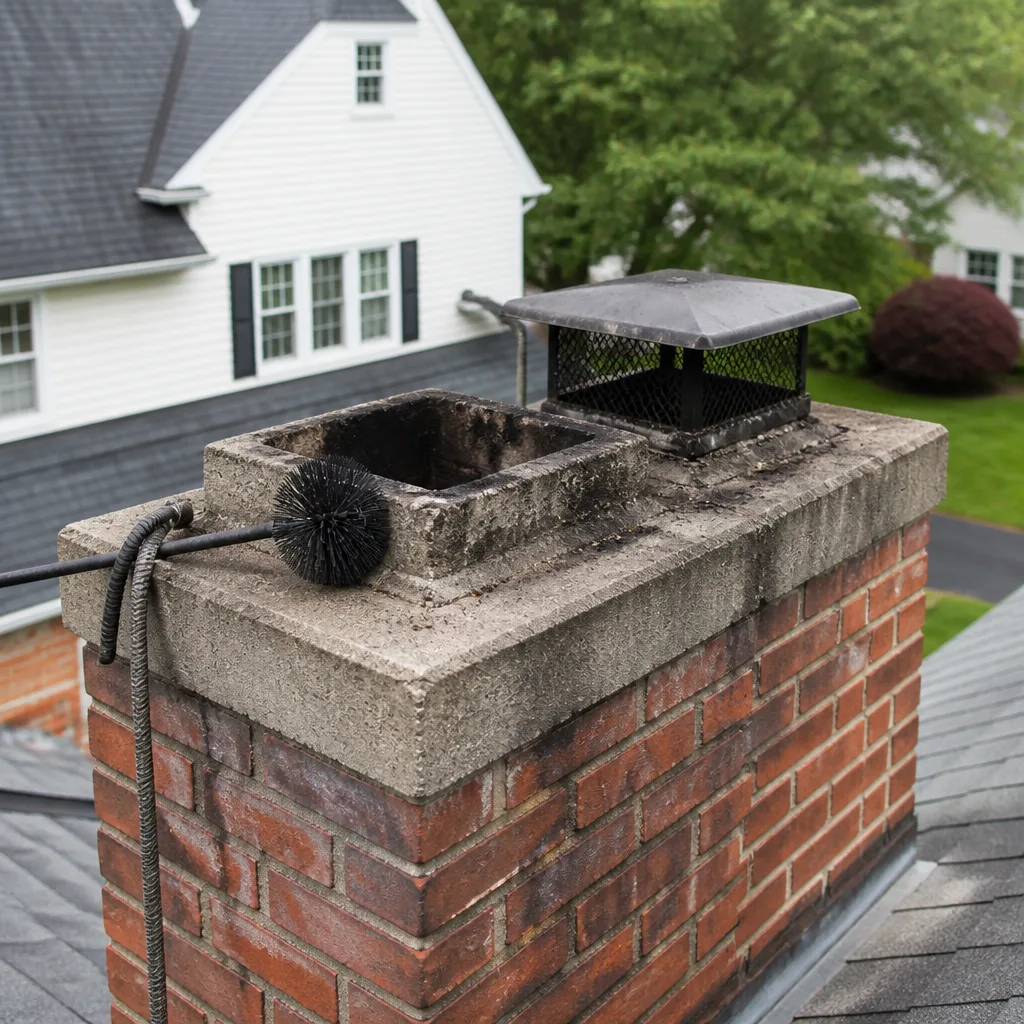
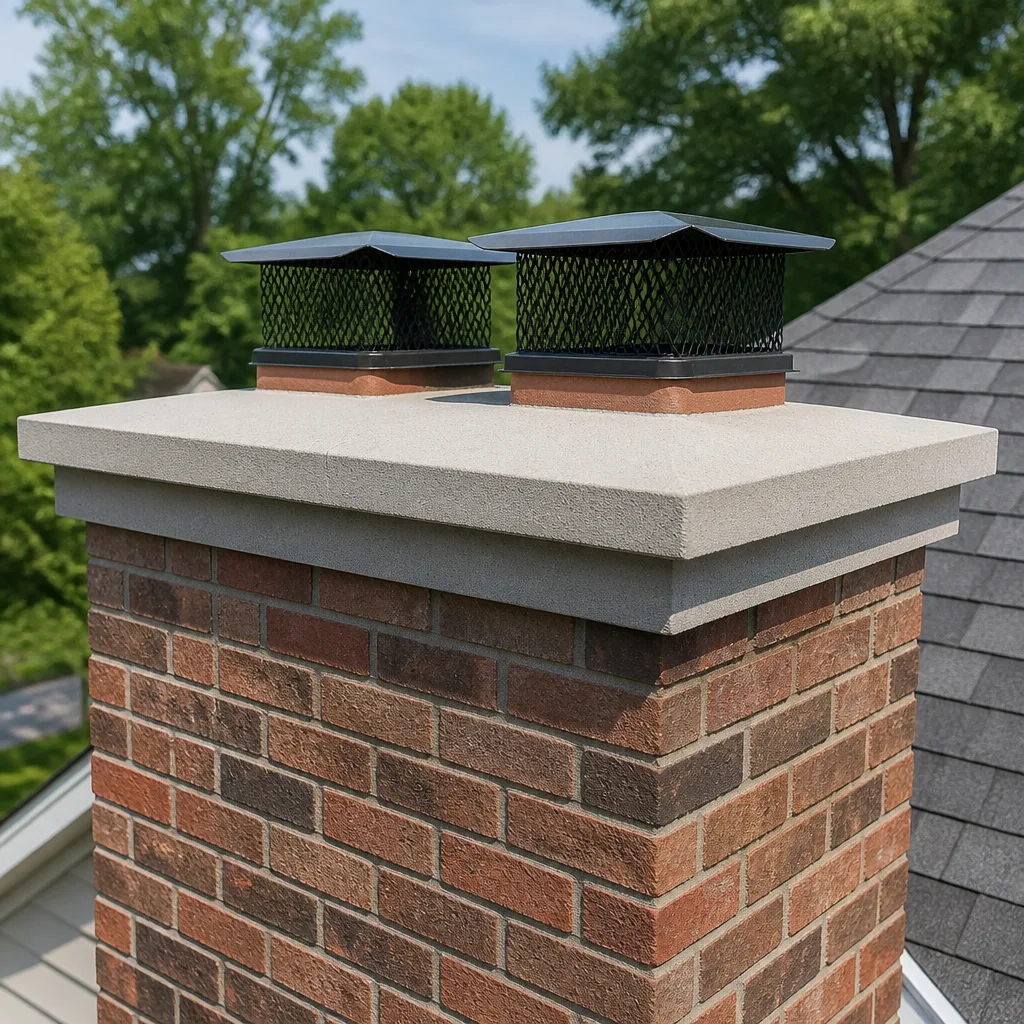
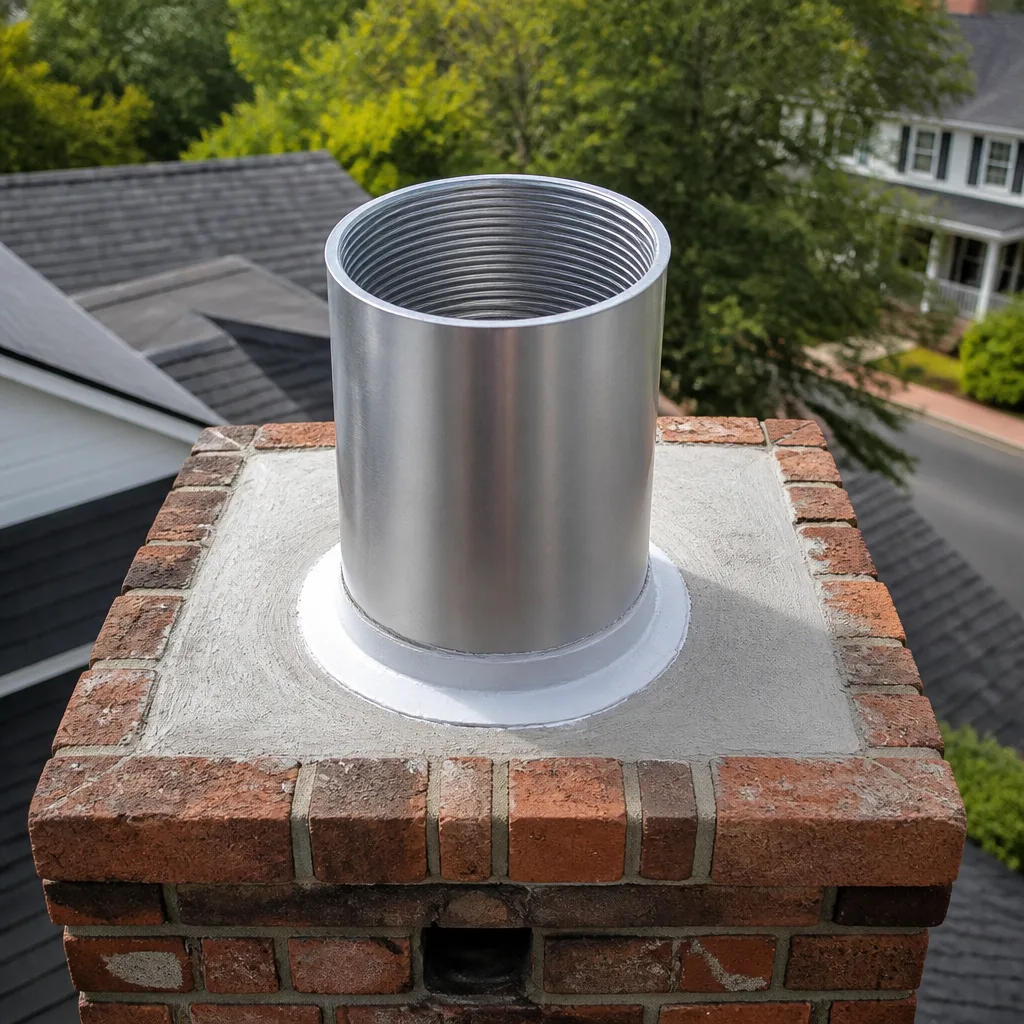
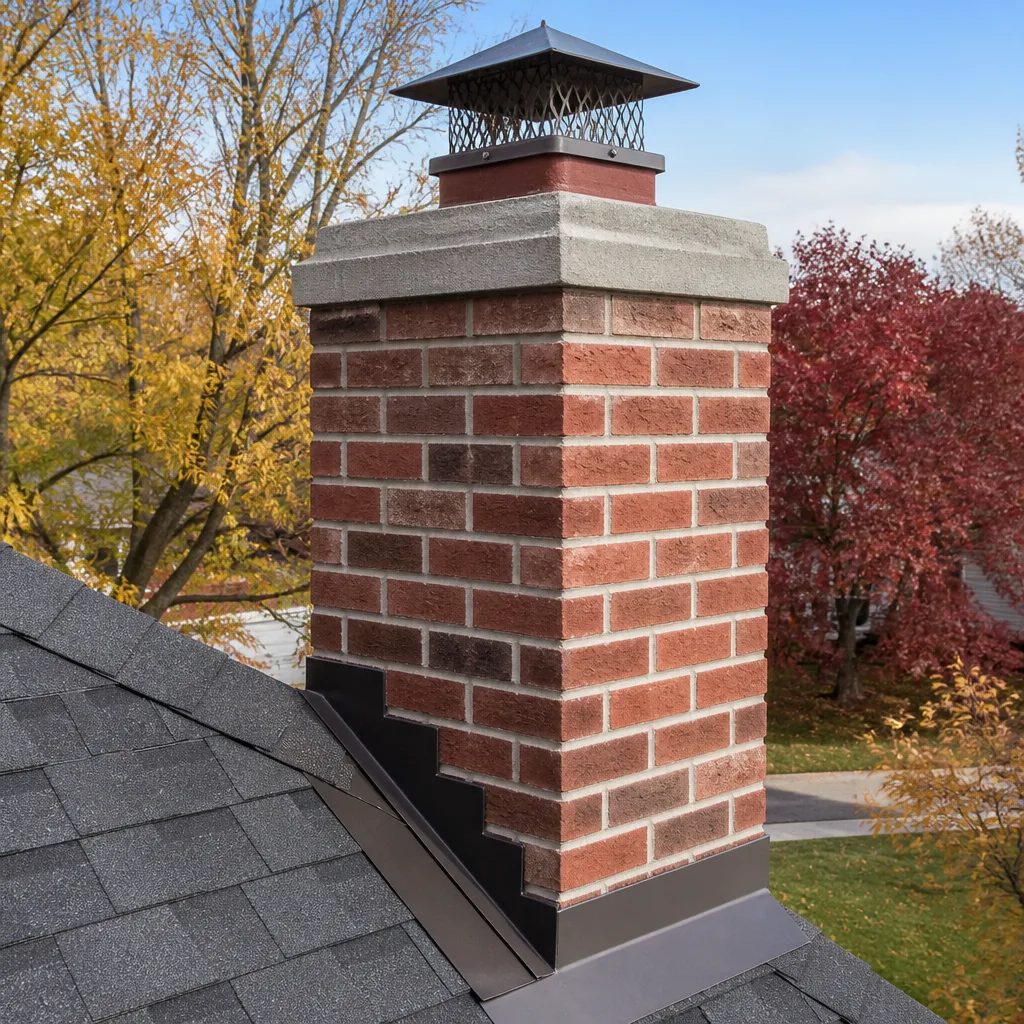
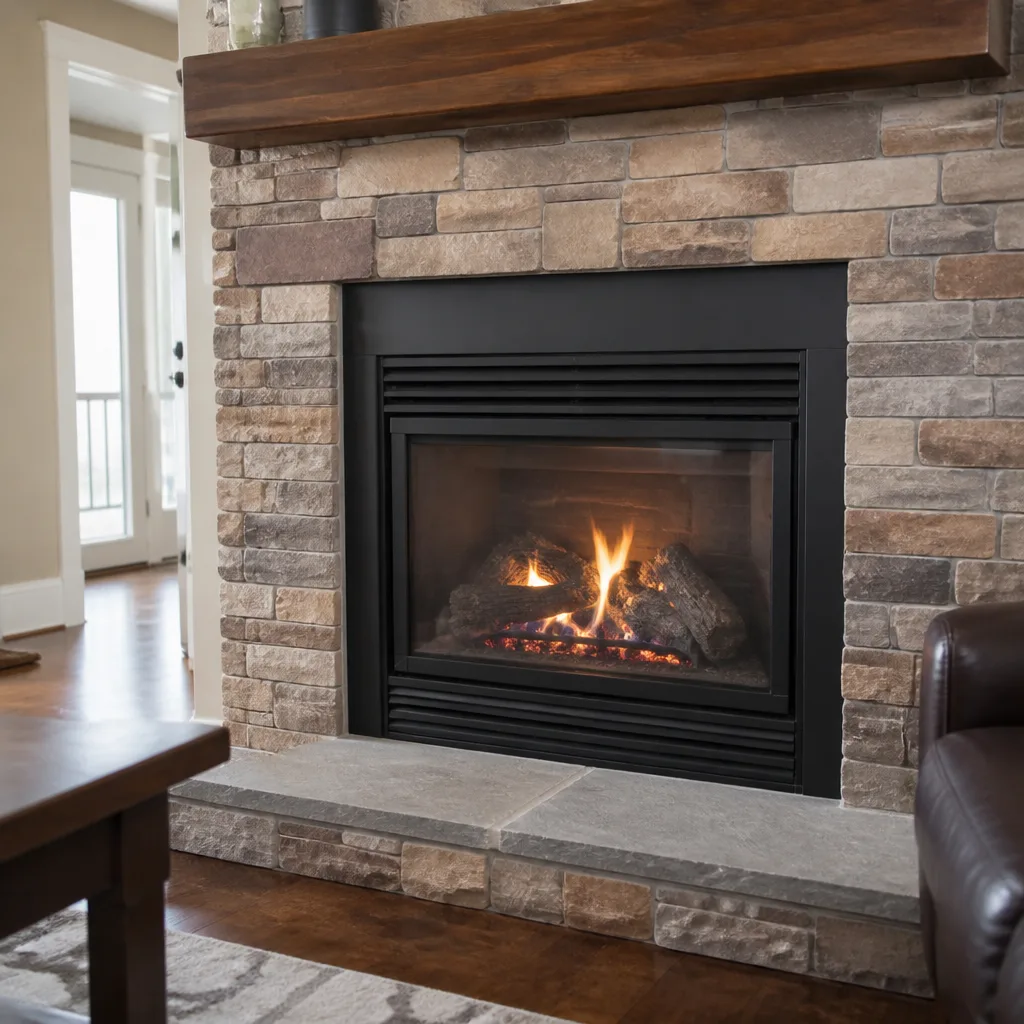
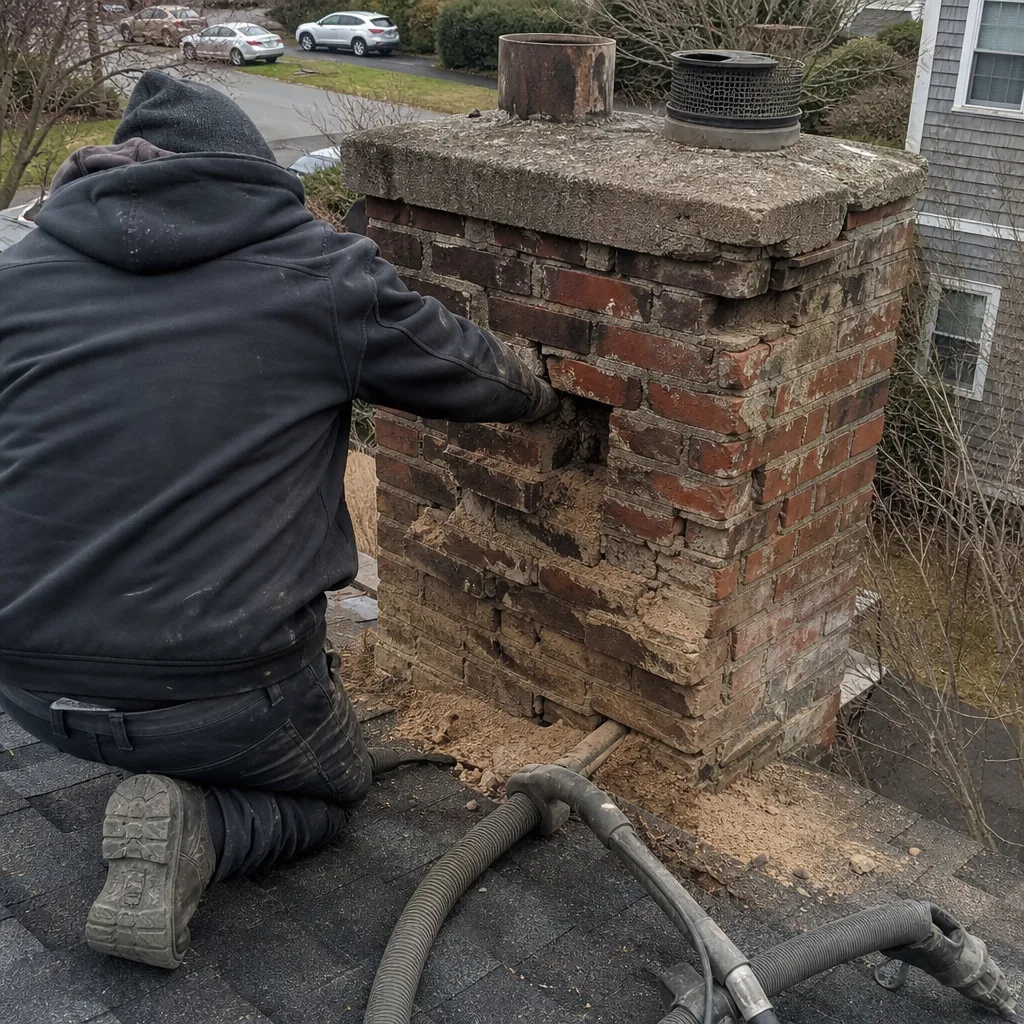 Before
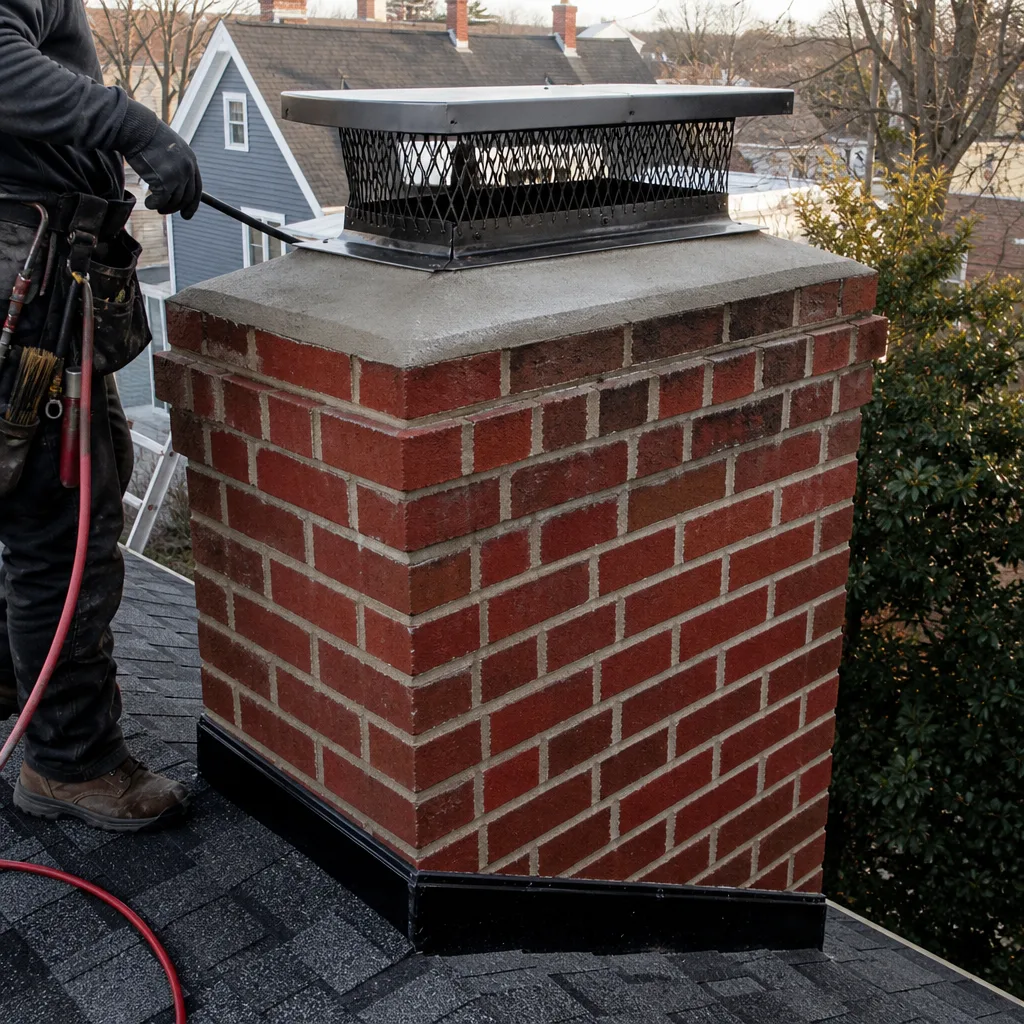 After
After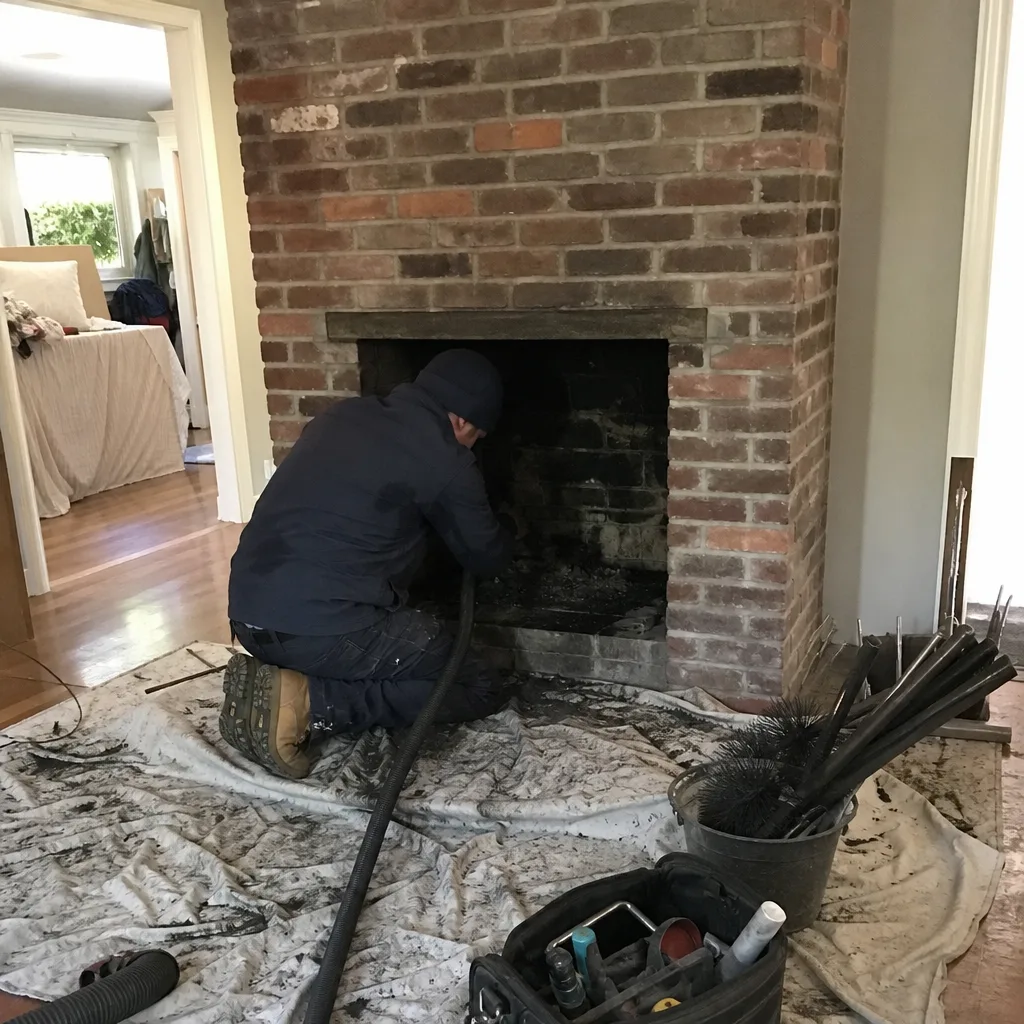 Before
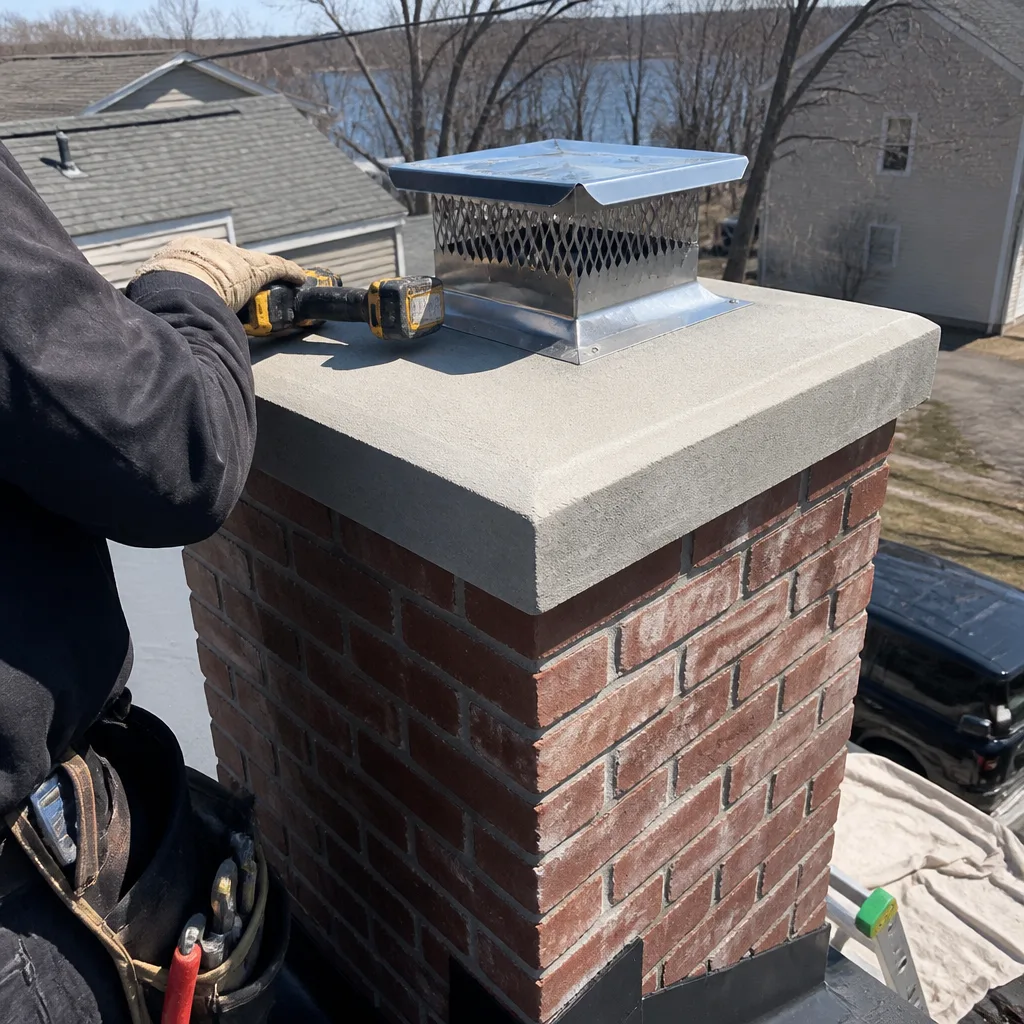 After
After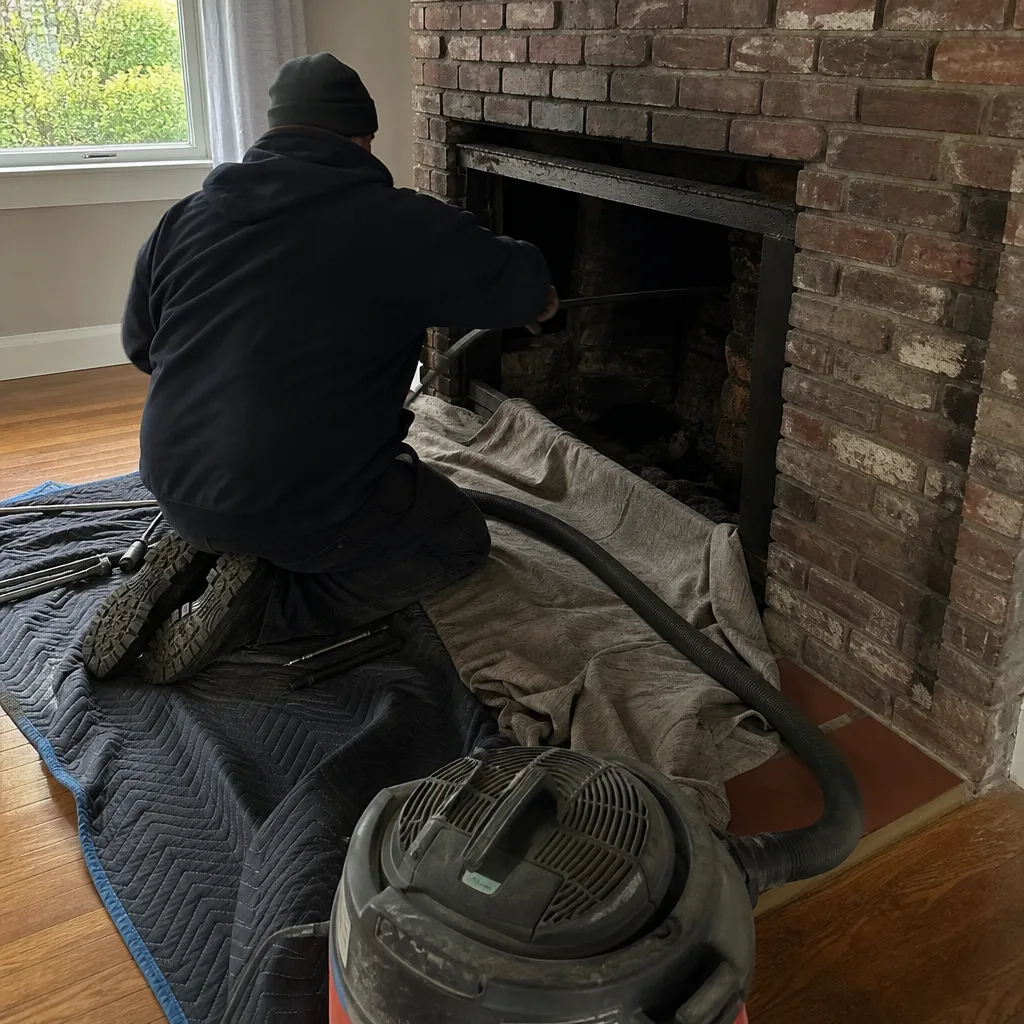 Before
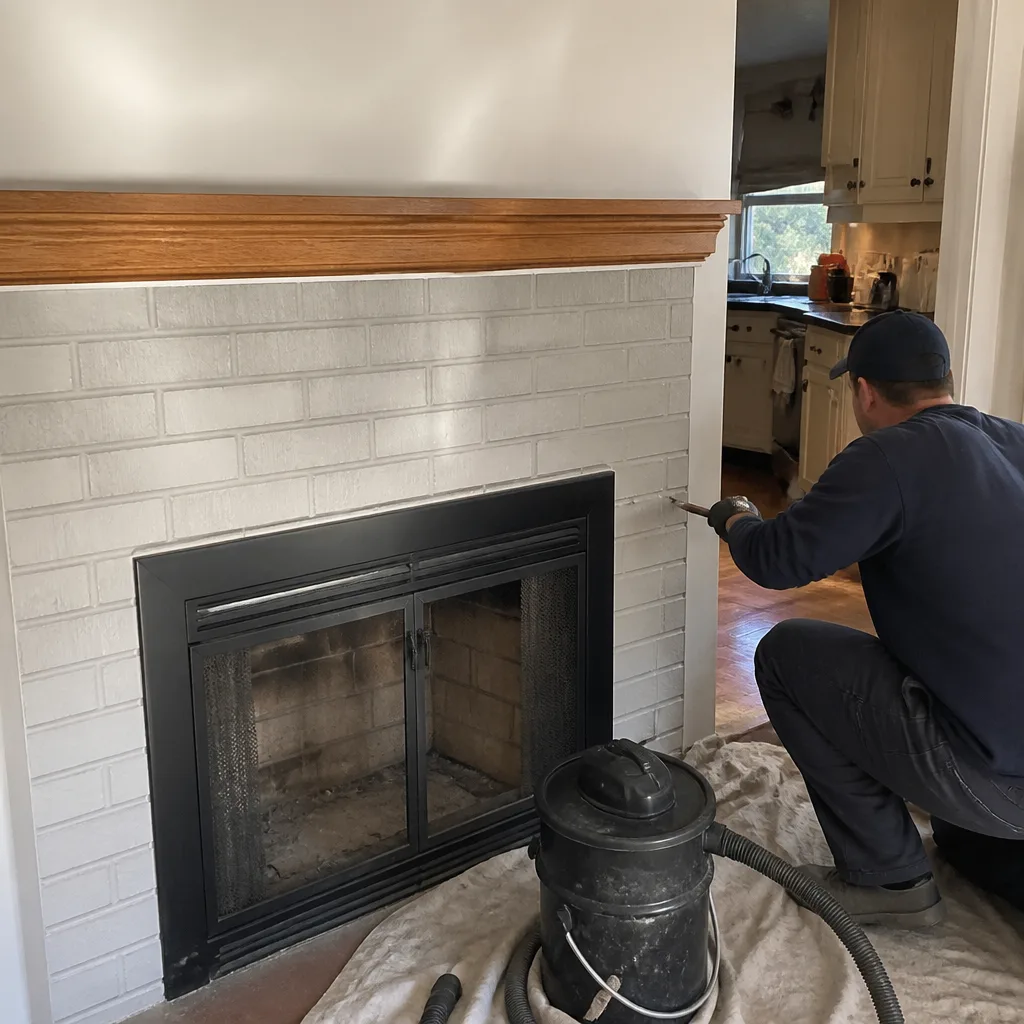 After
AfterWhy Boston Homeowners Choose DuraFlex Chimney Cleaning
DuraFlex chimney cleaning in Boston costs between $289 and $430 for a standard single-flue sweep, and we complete most DuraFlex service calls the same week they’re booked. As an independent DuraFlex service provider, we work on these liner systems across Boston and the North Shore without any ties to the manufacturer, which means we tell you what the camera shows us, not what a corporate rep wants us to say. Corrine Halstead built our crew’s reputation on written pricing before any work starts and a camera-based inspection on every single visit.
Boston’s housing stock is brutal on chimney liners. The city’s triple-deckers, Victorian brick row houses, and Back Bay brownstones date mostly to the 1870s through 1920s, and their flues were built for coal, converted to oil, then gas. That history leaves liners oversized, corroded, and creosote-coated in ways you won’t see in newer construction 30 miles west. DuraFlex makes a solid product, but the real truth is that no liner survives Boston’s weather and fuel history without proper maintenance. Call us at (857) 567-8887 for a written quote before any work begins.
Why Trust Level Two Chimney Boston for Your DuraFlex Chimney Cleaning?
Our technicians work on DuraFlex Pro, DuraFlex 304, DuraFlex 316, and DuraFlex SW liners every week across Greater Boston. We know which alloys hold up to high-sulfur oil residue and which ones fail at the weld seams after ten winters of freeze-thaw cycling. That brand-specific experience means we don’t guess at what your liner needs. We measure, we scope with a camera, and we hand you a written scope with a firm dollar amount attached.
Corrine grew up in Queens before building her reputation across Greater Boston, including years of sweep and inspection work on the older triple-deckers along Dorchester Avenue. She learned flue measurement and liner assessment at BOCES Rockland in New York before ever setting foot on a Boston roofline. The thing she’s known for is simple: a written price before anyone touches the chimney, and a camera record every time. That’s how we handle DuraFlex systems too. Our techs are background-checked, uniformed, and arrive with a named tech assigned plus a text when they’re on the way. Written price, written scope, written warranty. Clause 1 of the Haven Standard says it plainly: have it in writing.
Common DuraFlex Chimney Cleaning Problems We Fix in Boston
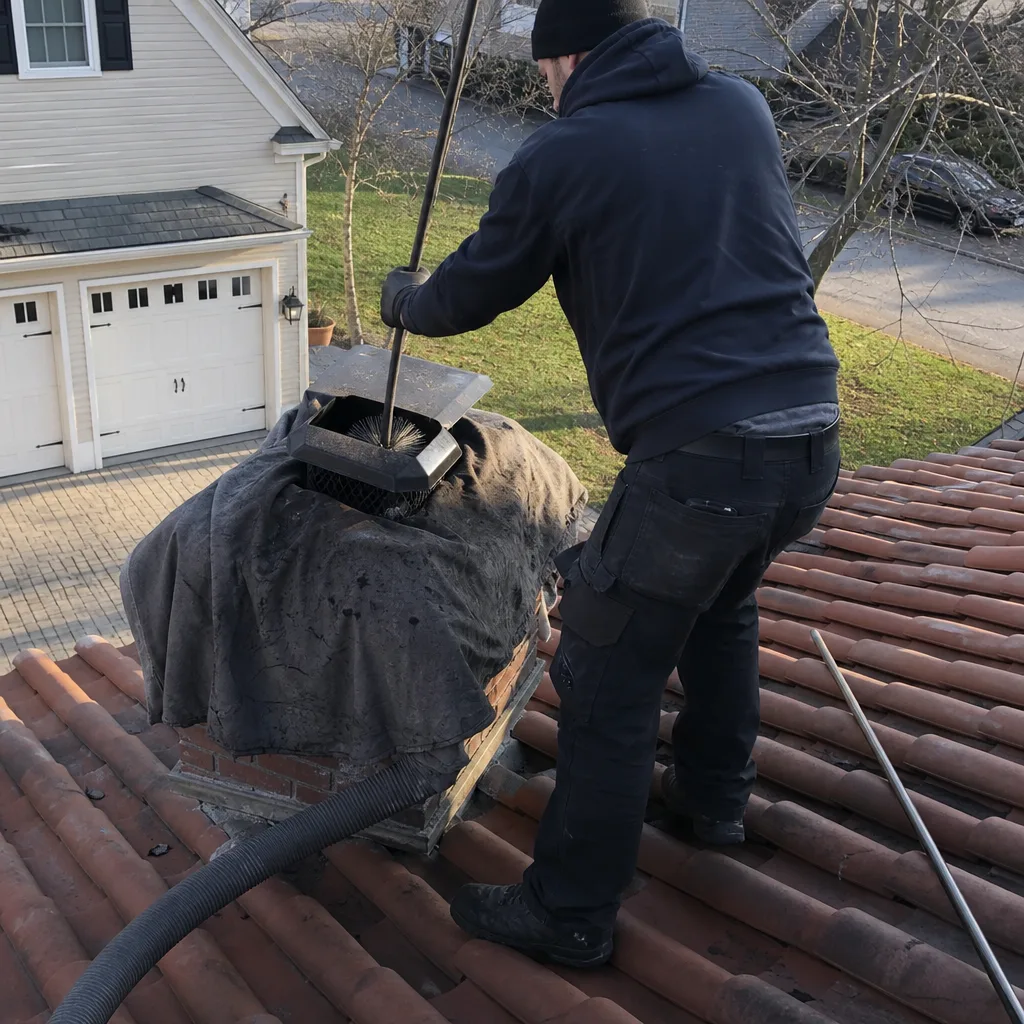
- Corrosion at the weld seams on DuraFlex 304 liners. High-sulfur heating oil was standard in Boston for generations, and the residual sulfur compounds attack the weld points on 304 stainless faster than the rest of the liner wall. We see pinhole rust at seam lines regularly during Level 2 inspections, especially in older double-flue stacks in Dorchester and Roxbury. The fix depends on how far the corrosion has spread. A single pinhole often warrants a section repair. Three or more, and replacement is probably the honest call.
- Tears and punctures from over-tightened band clamps. Flexible liners do not need brute force at the connector joints. Over-tightening a band clamp during a previous installation distorts the flex wall and creates a tear point that grows with every thermal cycle. We see this most often on DuraFlex Pro installations where a homeowner or a less experienced installer treated the clamp like a lug nut. A small tear near a connector can sometimes be sectioned out and re-coupled. A tear mid-run means replacement.
- Delamination on DuraFlex Pro after repeated thermal cycling. The Pro line handles higher temperatures, but Boston’s winter pattern of hot fires followed by rapid cooling stresses the inner liner wall over time. After enough cycles, the inner wall can separate from the outer wrap. This is exactly the kind of thing a camera inspection catches before it becomes a full liner failure. We document it, show you the footage, and give you a repair price or a replacement price, both in writing.
- Blocked or collapsed flex sections in low-pitch runs. Boston triple-deckers often have flue runs that angle through narrow chases, and low-pitch flex sections collect creosote faster than vertical runs. When that creosote hardens into glaze, it restricts draft, which causes more creosote buildup, which eventually collapses the flex wall inward. We clear moderate blockages with a rotary whip and then camera-verify the liner is still round and structurally sound. Collapsed sections get replaced.
- Heavy stage-three creosote glaze that standard brushes won’t remove. Wet wood burned in Boston rental units is the leading cause. Tenants burn what’s cheap, the flue runs cool, and the creosote bakes on. Our tech found a DuraFlex Pro liner in a Back Bay brownstone showing heavy stage-three creosote after a winter of wet wood. We performed a full mechanical sweep, then used a rotary whip to break the glaze without scarring the flex walls. A follow-up Level 2 inspection with a camera confirmed the liner was clean and still serviceable, so the homeowner avoided a costly reline.
BeforeAfterDuraFlex Parts & Our Repair-vs-Replace Approach
We source genuine DuraFlex components when liner sections or connectors need to be replaced. That’s not a brand loyalty thing, it’s a fitment thing. DuraFlex Pro and DuraFlex SW use specific wall thicknesses and corrugation patterns, and an aftermarket connector that’s close but not exact will leak flue gas or pull apart under thermal movement. We also work with high-grade 316L aftermarket flex when a more corrosion-resistant upgrade is warranted, like on a 304 liner servicing a high-efficiency oil appliance that runs continuously through Boston winters.
Our rule on repair versus replace is simple. We only recommend liner replacement when the damage exceeds what a section repair can safely fix, or when the original alloy was undersized for the appliance it’s now venting. When we quote a repair, we show you why. When we quote a replacement, we show you why that too. Either way, you get a written price before anything starts. Call (857) 567-8887 and we’ll put it on paper.
Our DuraFlex Service Process - Step by Step
- 1
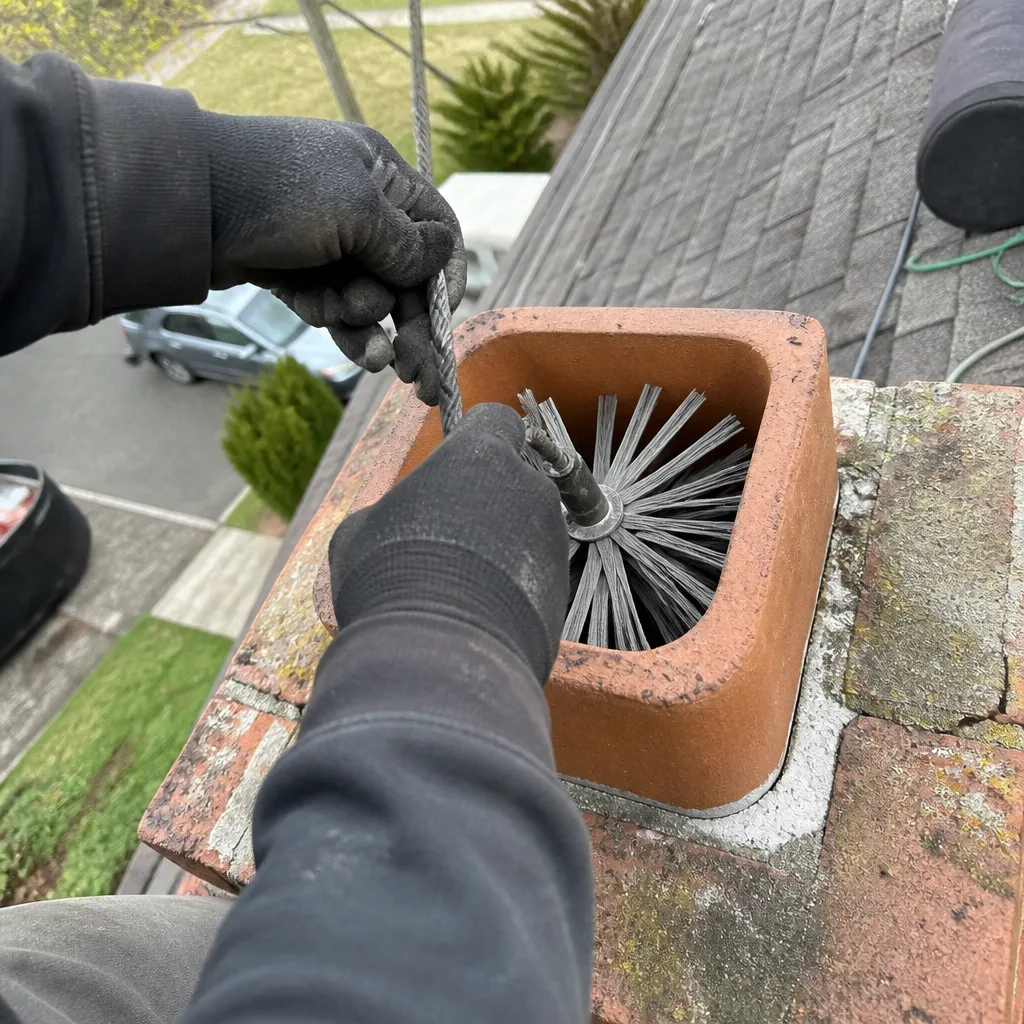
Diagnosis. We run a Level 2 camera inspection down the flue and document the liner condition in photos and video. We’re looking for seam corrosion, clamp damage, delamination, creosote class, and structural integrity at every flex section.
- 2
Repair or replacement plan. We hand you a written scope with the exact parts, the exact work, and the firm price. No estimate ranges, no “we’ll see once we’re in there.” The price you sign is the price you pay.
- 3
Repair or install. We source the right components, complete the work, and photograph the finished liner run from top to bottom. Every joint, every connector, every clamp documented.
- 4
Test. We verify draft with a manometer and run a final camera pass to confirm alignment and clearance. The video goes to you along with the written record.
- 5
Warranty. Your written warranty is in your hand before we leave, and it’s backed by the 365-Day Done Right Promise. If it’s not done right, we make it right.
DuraFlex Products We Service & Install in Boston
We service and install the full DuraFlex residential lineup: DuraFlex Pro for high-temperature solid-fuel applications, DuraFlex 304 for oil and gas venting, DuraFlex 316 for higher-corrosion environments, and DuraFlex SW for sidewall and masonry applications. We keep common DuraFlex connectors, clamps, and flex sections in local stock for fast turnaround on section repairs. The camera doesn’t guess. Neither do we. If your liner needs a section swap, we’ll likely have the part on the truck or in our Boston supply by the next morning.
We Also Service These Brands
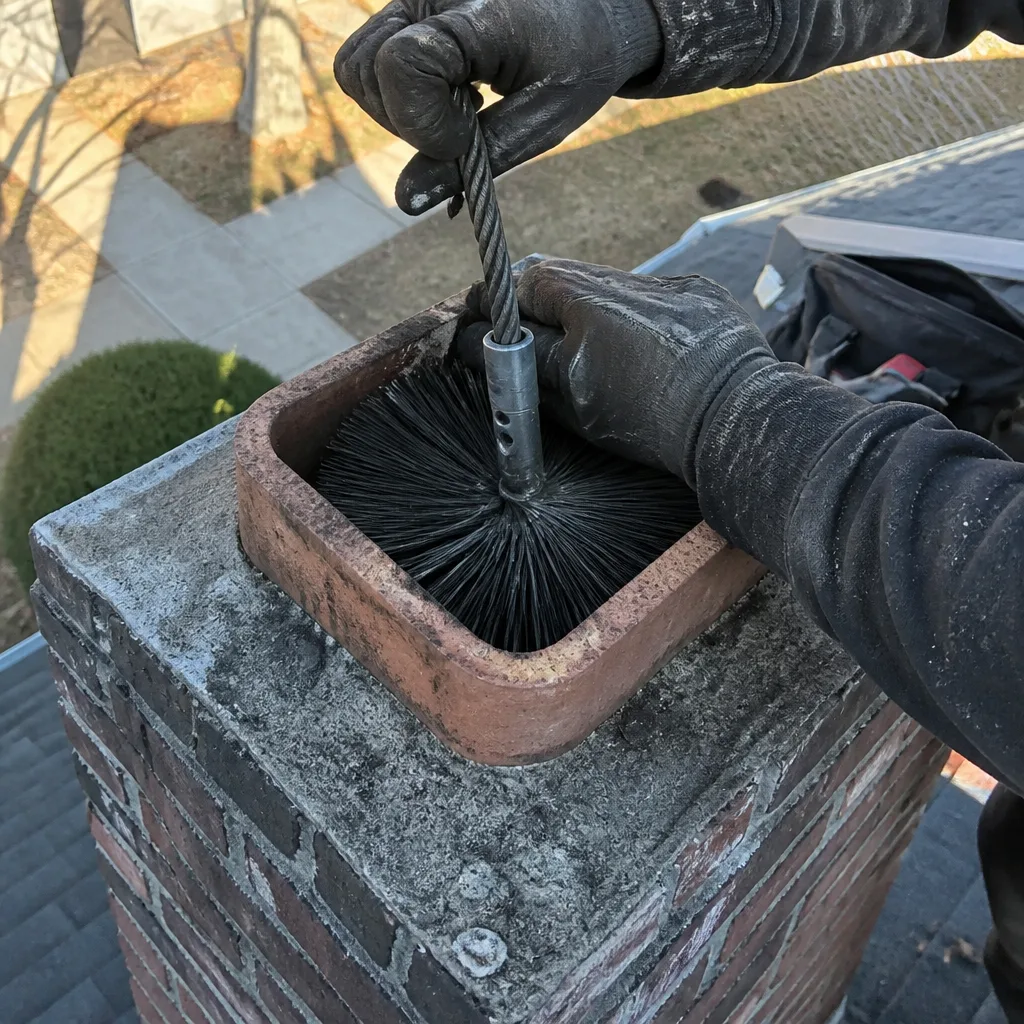
While DuraFlex is a system we know well, we’re not a single-brand shop. We also service and install HeatShield and Gelco liner systems across Boston and the North Shore. That matters when a damaged DuraFlex liner could be repaired with a HeatShield resurfacing instead of a full replacement, or when Gelco’s ceramic system is the better fit for your flue geometry. We recommend what the chimney needs, not what we happen to stock.
FAQs - DuraFlex Chimney Cleaning Service in Boston
No. We’re an independent DuraFlex service provider with hands-on experience working on these liner systems across Boston and the North Shore, but we have no affiliation with or authorization from DuraFlex. That independence is the point. We don’t have a manufacturer’s sales quota or a preferred-part list. We recommend what the camera evidence supports, and we’ll tell you when a DuraFlex liner should be repaired, replaced, or left alone.
When a DuraFlex liner section or connector must be replaced, we source genuine DuraFlex components to guarantee correct fitment at the coupling joints. But we also work with high-grade 316L aftermarket flex when a more corrosion-resistant upgrade is the better call. The decision gets made by the condition of your flue, your appliance type, and your fuel source, not by a parts catalog. We’ll show you both options, with prices, in writing.
A standard DuraFlex chimney cleaning with a Level 2 camera inspection takes 60 to 90 minutes for a single flue. If we find damage that requires a section repair, that usually adds a second visit because we want the right parts on hand and the right weather on the roof. Boston triple-deckers with shared stacks and multiple flues take longer, typically two to three hours, because each flue gets its own camera pass and documentation. Call (857) 567-8887 and we’ll give you a realistic time window for your specific setup.
We work on DuraFlex Pro, DuraFlex 304, DuraFlex 316, and DuraFlex SW. That covers solid-fuel wood-burning applications, oil and gas venting, high-corrosion environments, and sidewall installations. If you’re not sure which model is in your chimney, we’ll identify it during the Level 2 inspection and document it in your service record. Most Boston homeowners we meet inherited their liner from a previous owner and never knew the model until we showed them the camera footage.
Cleaning and inspection performed by a qualified chimney professional will not void your DuraFlex warranty. The warranty applies to manufacturing defects, not maintenance work. However, untrained work can cause damage that a warranty claim would likely be denied for, like tears from over-tightened clamps or scratches from the wrong brush type. We use rotary whips rated for flex liners, and we camera-verify after every sweep. Our documented photo record on every visit, required under Clause 4 of the Haven Standard, gives you evidence of proper care if a warranty claim ever comes up.
For a single-flue DuraFlex chimney cleaning with a Level 2 camera inspection, you’ll pay between $289 and $430 depending on flue height, creosote condition, and access difficulty. Boston triple-deckers with shared stacks typically run $600 to $900 because multiple flues require separate cleaning and documentation. Every quote is written before any work starts. Call (857) 567-8887 for an exact quote for your chimney. Estimates are free.
We see more failures in DuraFlex 304 liners, and it’s not a manufacturing problem. Boston homes burned high-sulfur coal, then high-sulfur oil, for generations. The residual sulfur compounds strip the passive oxide layer off 304 stainless and attack the weld seams first. DuraFlex 316 holds up noticeably better in this environment because the added molybdenum resists chloride and sulfur attack. If your 304 liner is venting an oil appliance and showing seam rust, budget for a conversation about 316L replacement. If it’s venting gas and the camera shows clean seams, you likely have years left.
Standard poly brushes are fine for light soot and first-stage creosote on a DuraFlex liner. For stage-two or stage-three glaze, we switch to a rotary whip with flexible rods because a stiff wire brush can scar the flex wall and create new creosote collection points. The important thing is matching the brush to the liner wall, not just the flue diameter. A wire brush sized for a clay tile liner can catch on the corrugation of a flex liner and tear it. We inspect the liner wall with a camera before and after every cleaning to document that no damage occurred.
DuraFlex Pro is built for high temperatures, but Boston’s freeze-thaw cycling and the residual sulfur in old chimney masonry combine to attack the weld points where the alloy was heated during manufacturing. The weld zone has a slightly different grain structure than the surrounding metal, and that’s where corrosion starts. It’s especially common in unlined masonry chimneys where moisture from spalling brick migrates through the chase and sits against the liner exterior. When we see seam rust on a camera pass, we document the exact location, measure the depth of the pitting if accessible, and give you a written repair or replacement recommendation with a camera image to show why.
A small tear near a connector or coupling can sometimes be repaired by cutting out the damaged section and re-coupling the liner with a genuine DuraFlex connector. A tear mid-run cannot be safely repaired because the flex wall loses its structural integrity at that point and will continue to tear under thermal expansion. A patch is not a legitimate repair on a flexible liner that runs inside a chimney chase. We’ll show you the tear on camera and explain which category your damage falls into before we quote anything. If it’s a section repair, we’ll likely have the parts in local stock. If it’s replacement, we’ll source the right alloy and diameter and quote it in writing.
Sometimes, yes, but only after a Level 2 camera inspection confirms the liner is structurally sound and the diameter is compatible with the new gas appliance. Many wood-burning flues are oversized for high-efficiency gas units, which causes condensation inside the liner and accelerates corrosion. If your DuraFlex liner is in good shape and the size works, we can often re-use it. If it’s oversized or showing seam rust, a new liner sized to the gas appliance is the right call, and sometimes a 316L replacement makes more sense than re-using a 304 liner that’s already showing its age. We’ll show you the camera evidence either way.
Book Your DuraFlex Service in Boston, MA
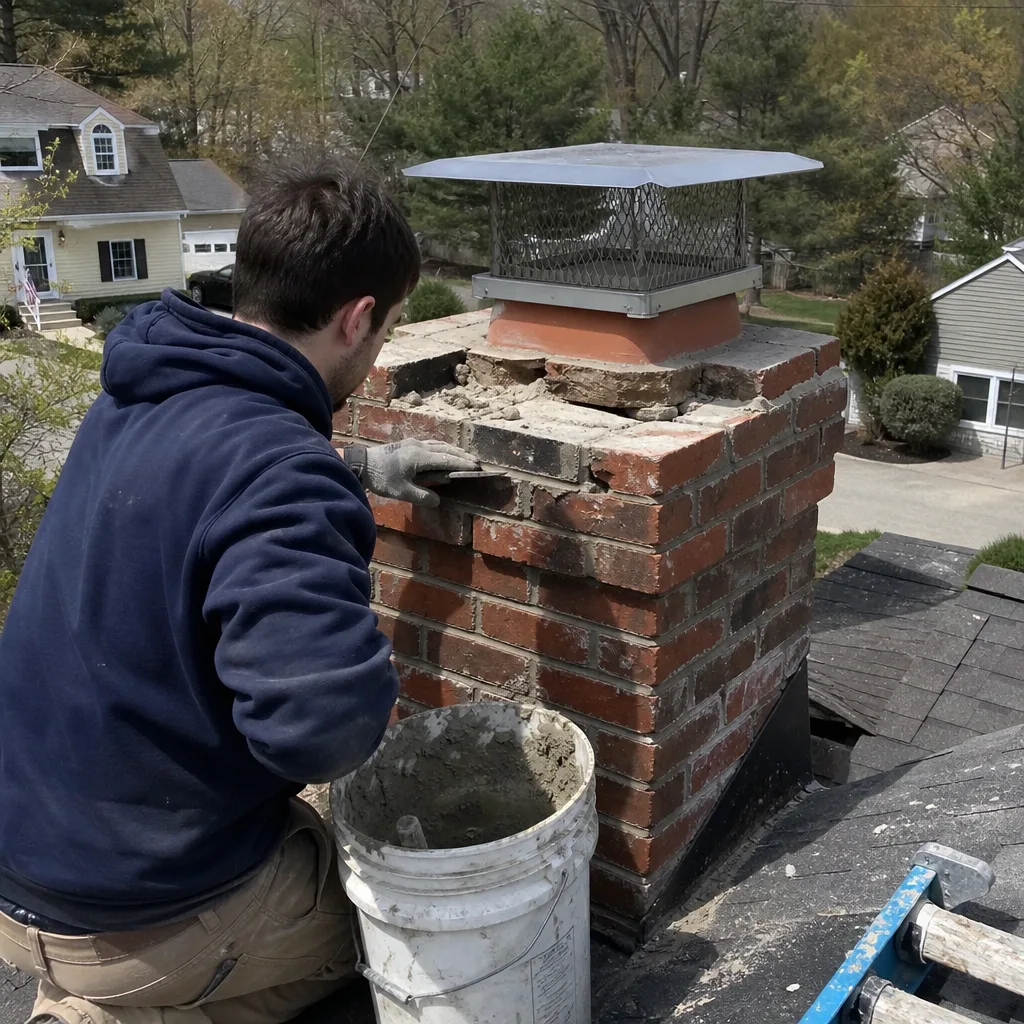
If your DuraFlex liner is due for cleaning, or if you’ve noticed draft problems, visible rust, or just can’t remember the last time anyone looked at it, call us at (857) 567-8887. We’ll schedule a Level 2 camera inspection, give you a written price before any work begins, and leave you with a documented photo record when we’re done. Our team serves Duraflex in Quincy, all of Boston and the North Shore, and Corrine stands behind every job with the 365-Day Done Right Promise.
Written by Corrine Halstead, Owner at Level Two Chimney Boston, serving Boston since 2009.