
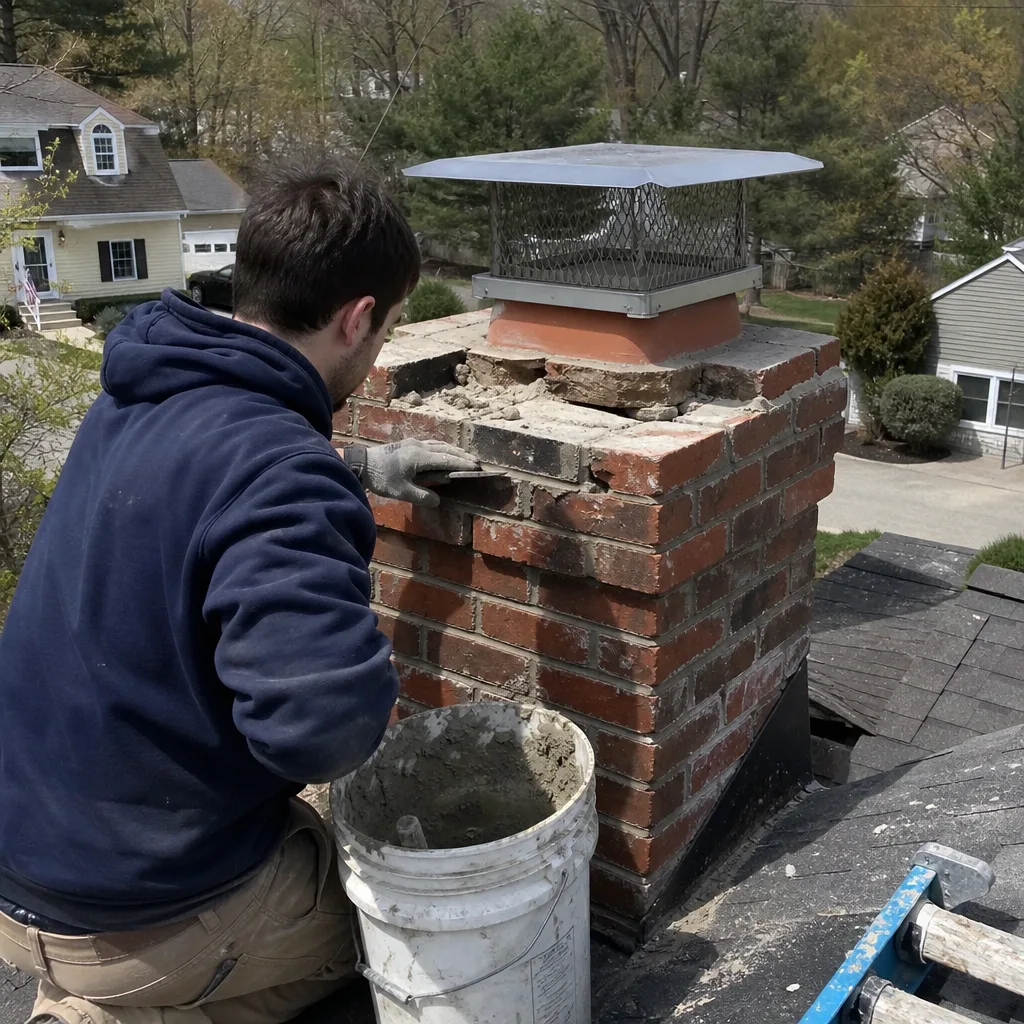
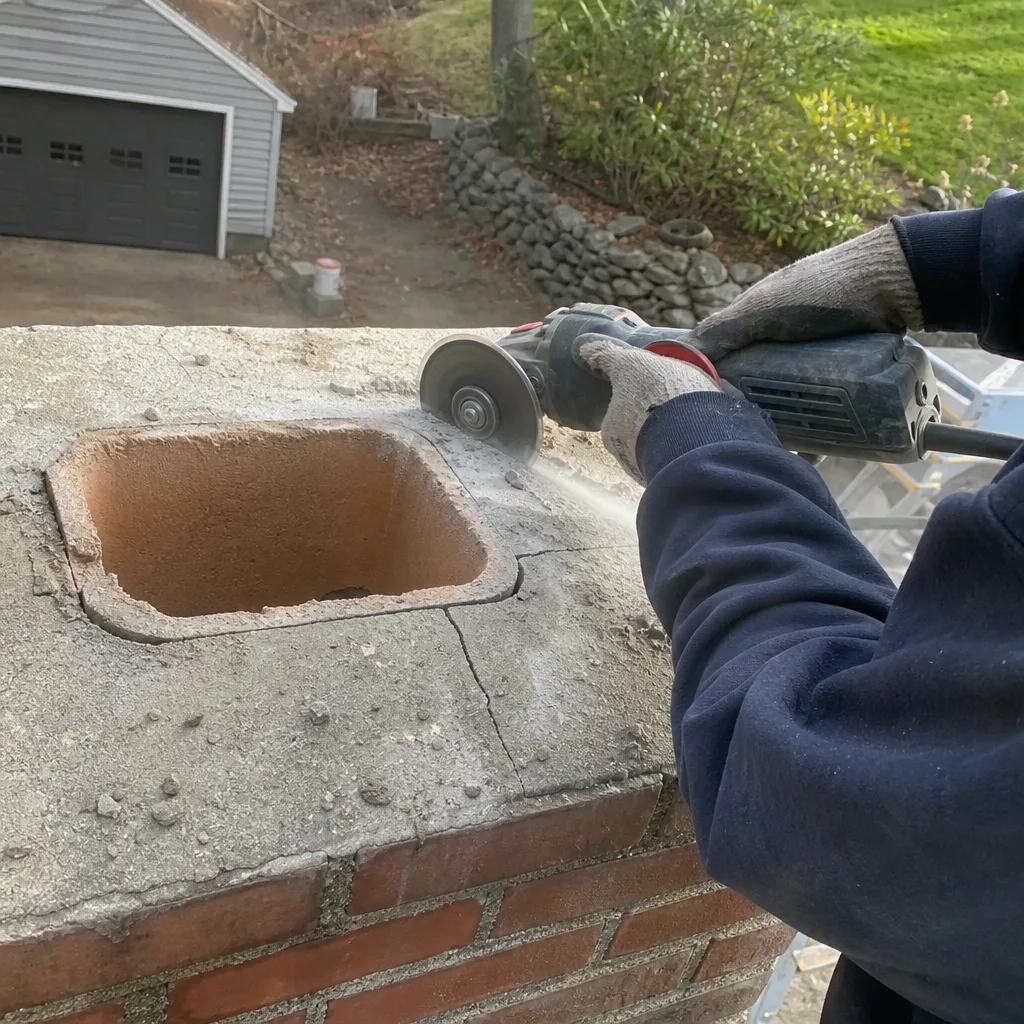
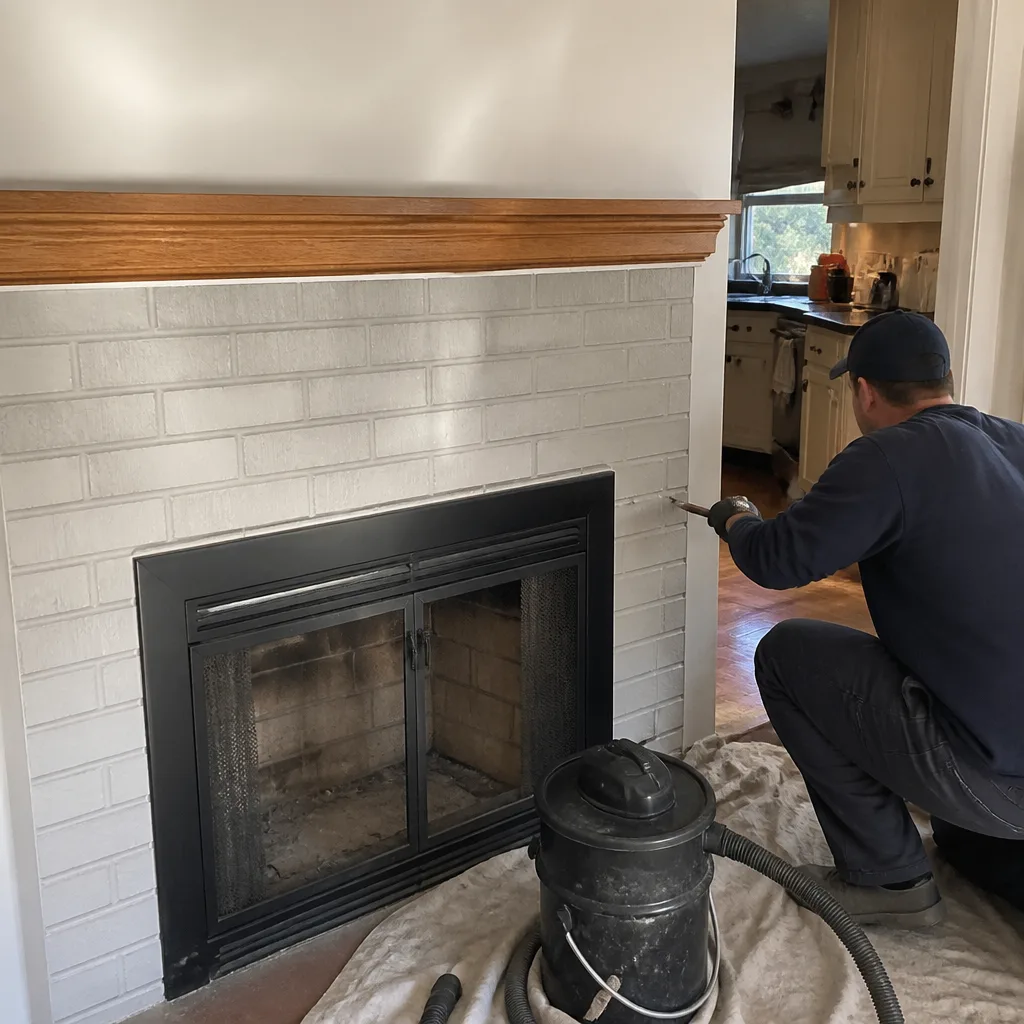
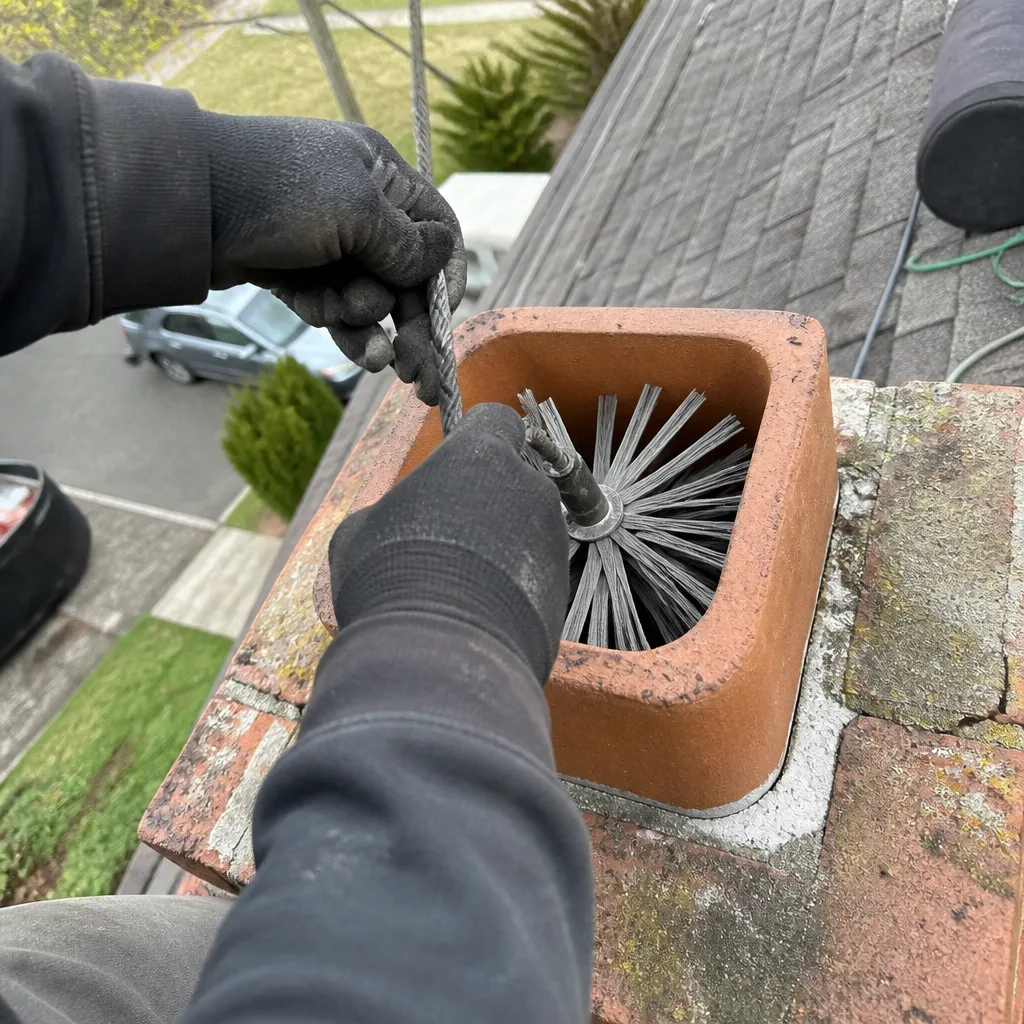
Level 1 sweep and inspection to the NFPA 211 annual standard - flue, crown, cap, and flashing checked and photographed
Chimney sweep logs do not sweep chimneys. They loosen some creosote - which then falls where a brush and vacuum still have to collect it.
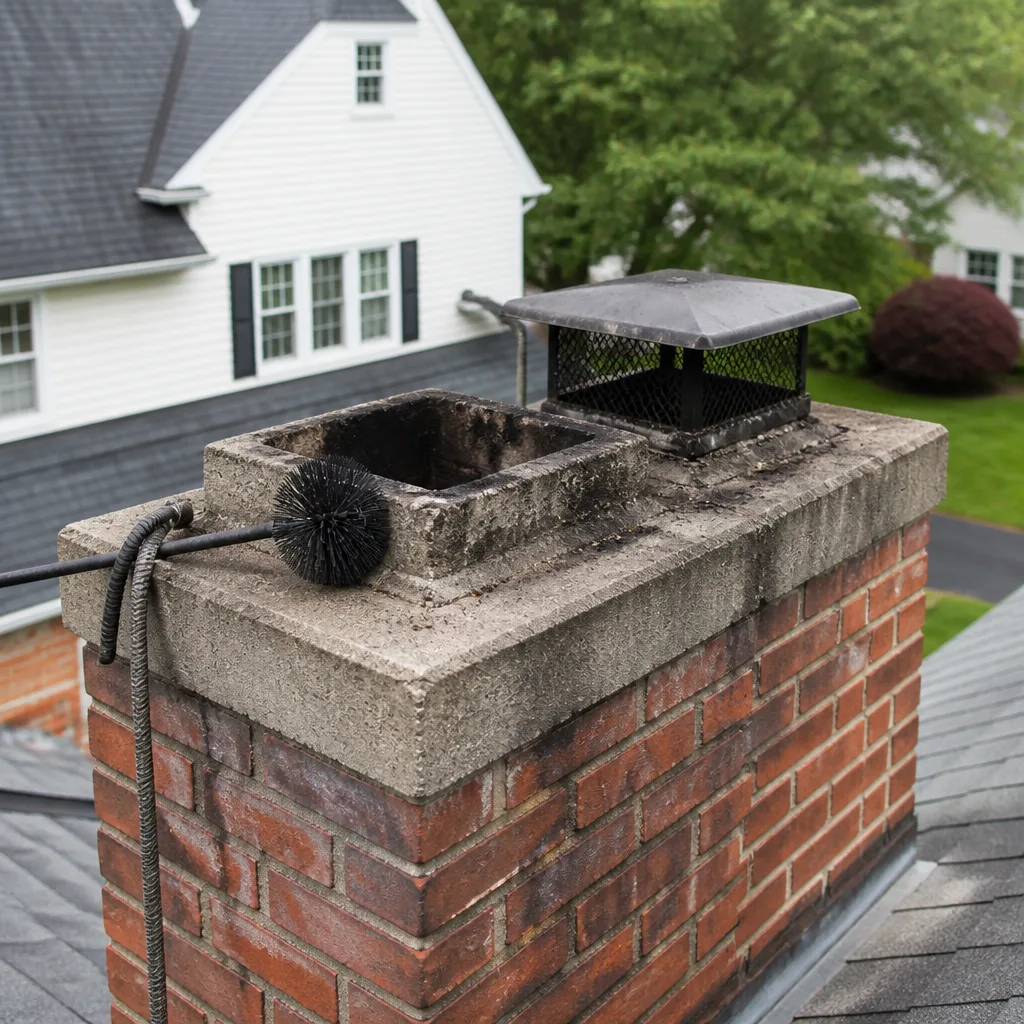
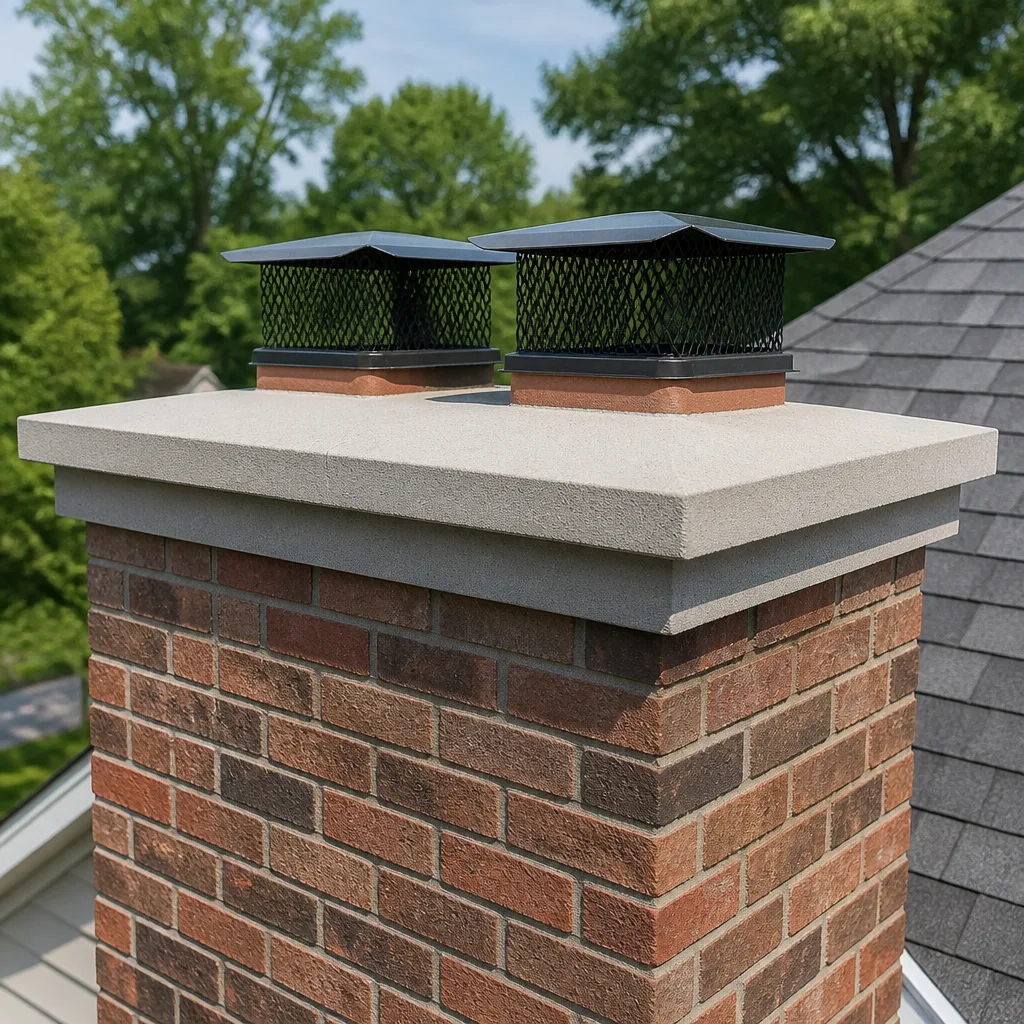
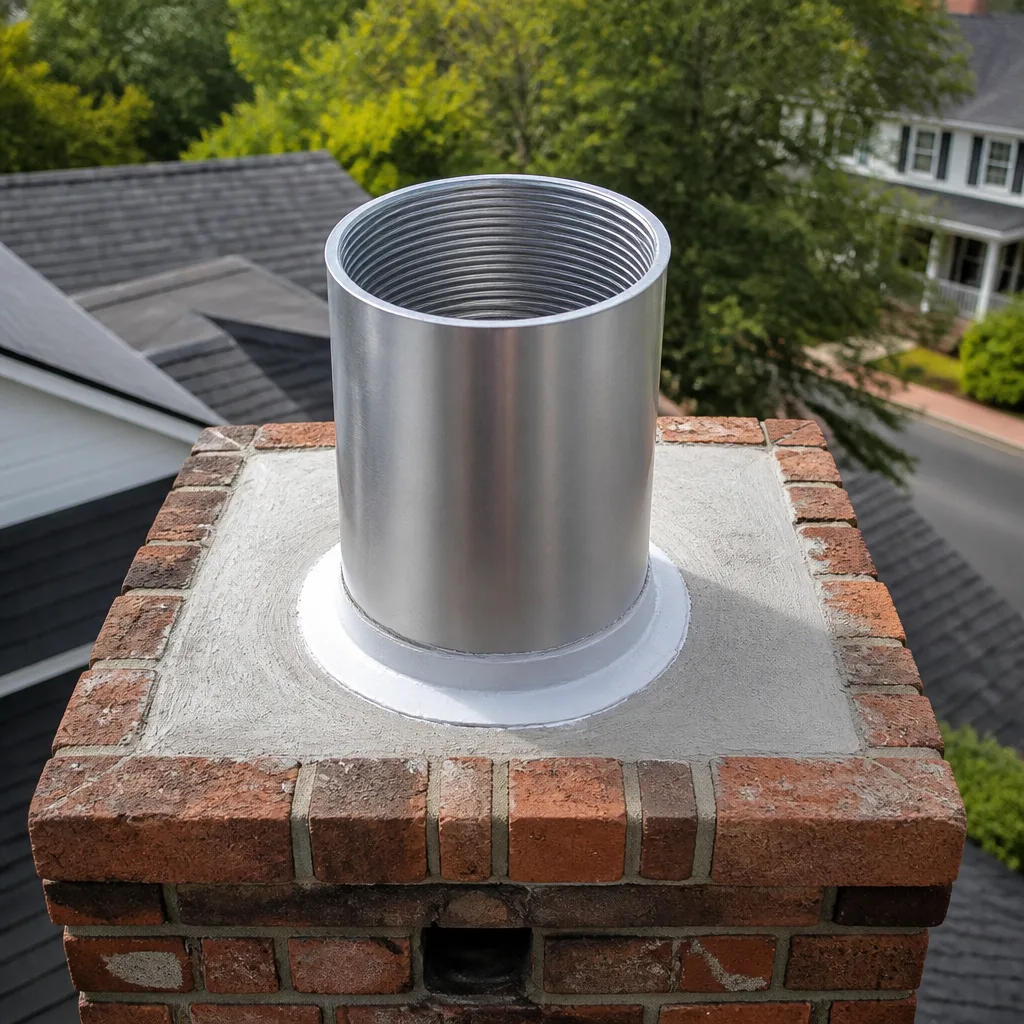
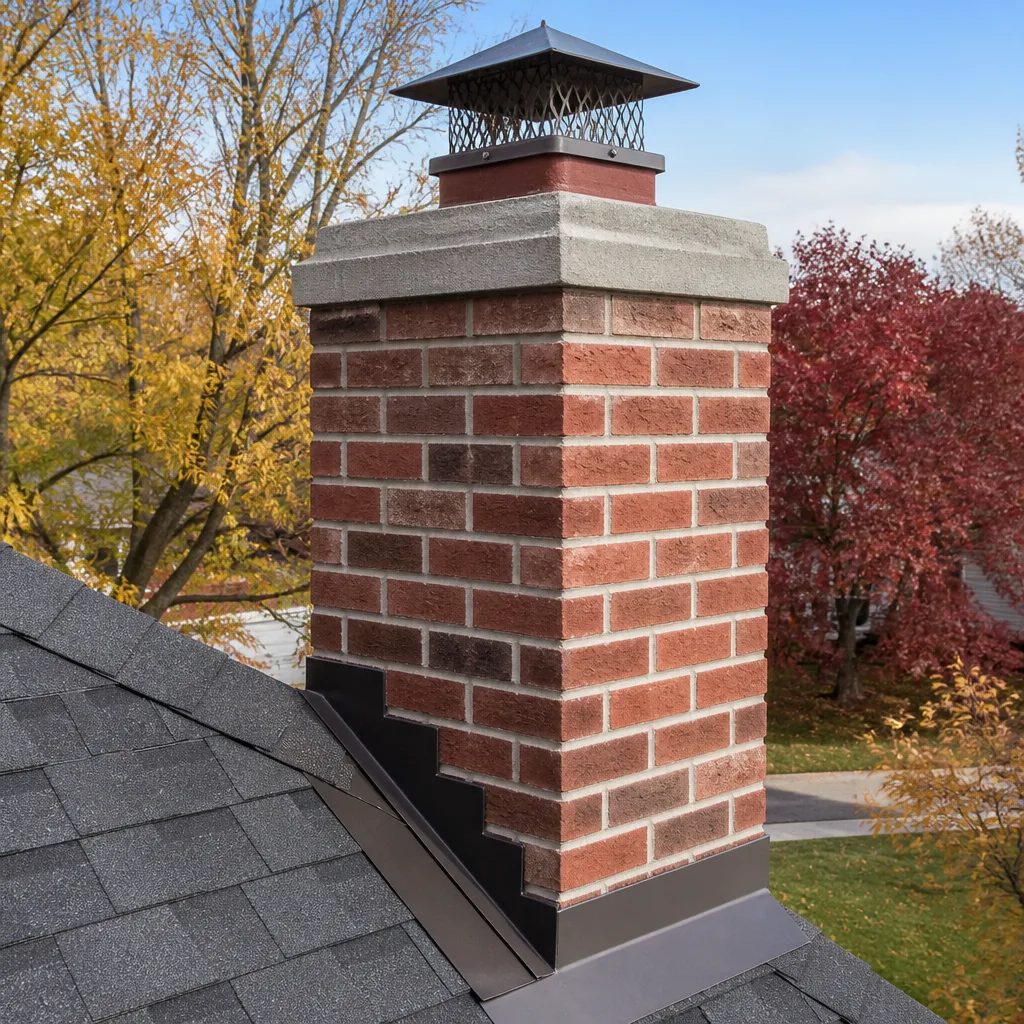
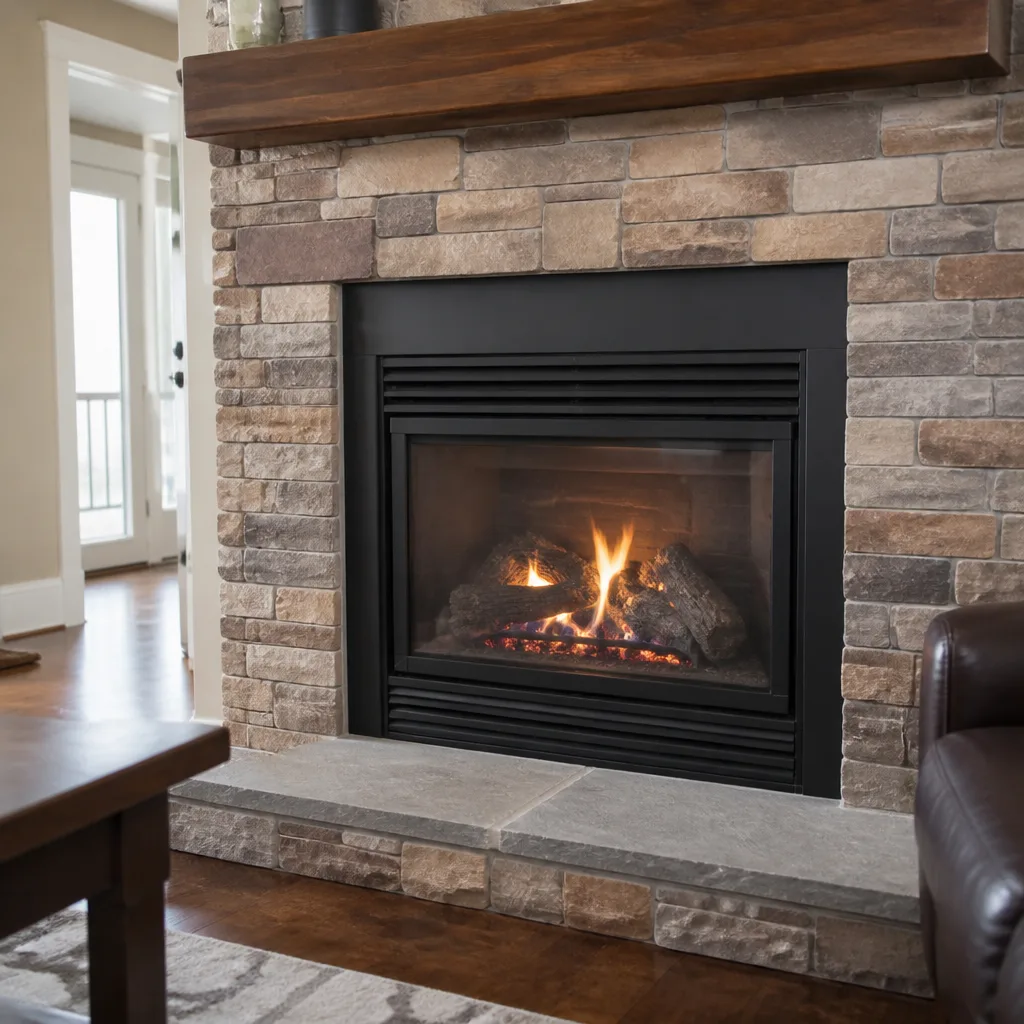
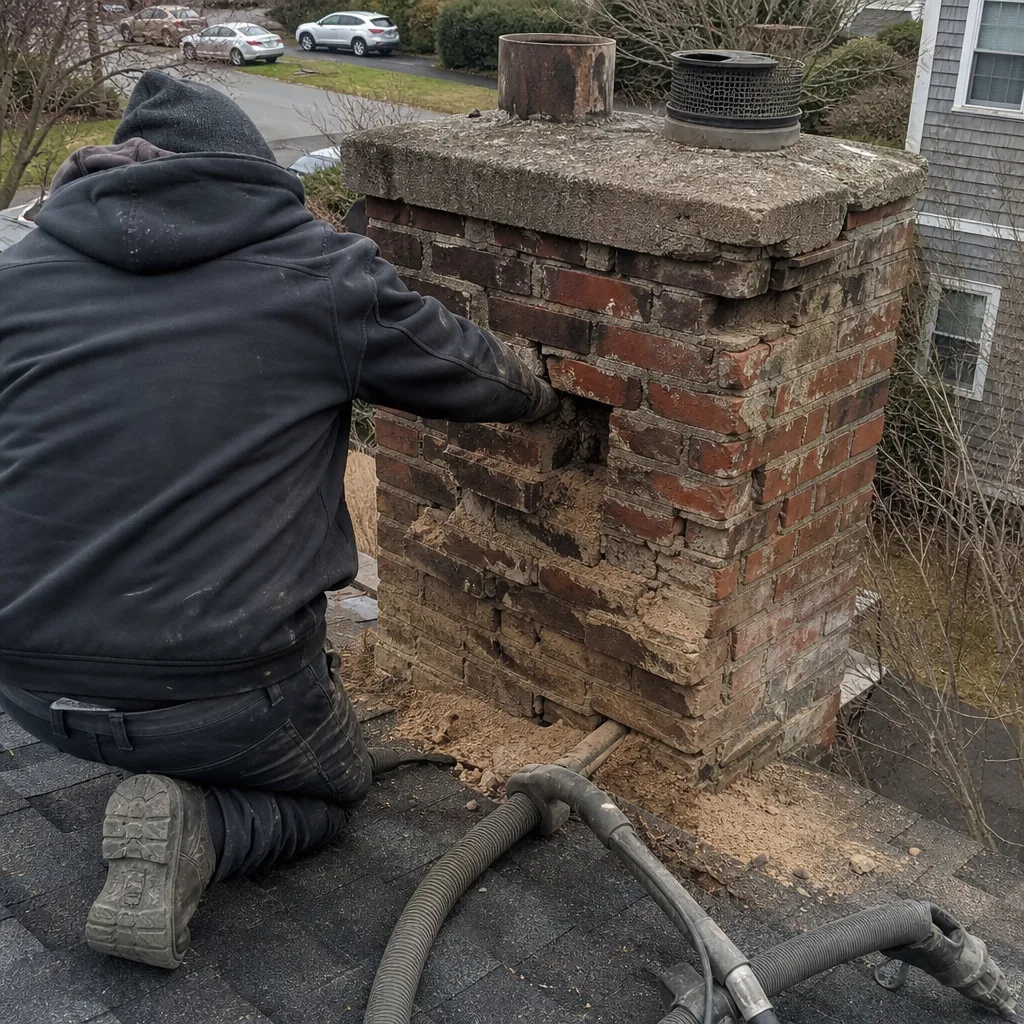 Before
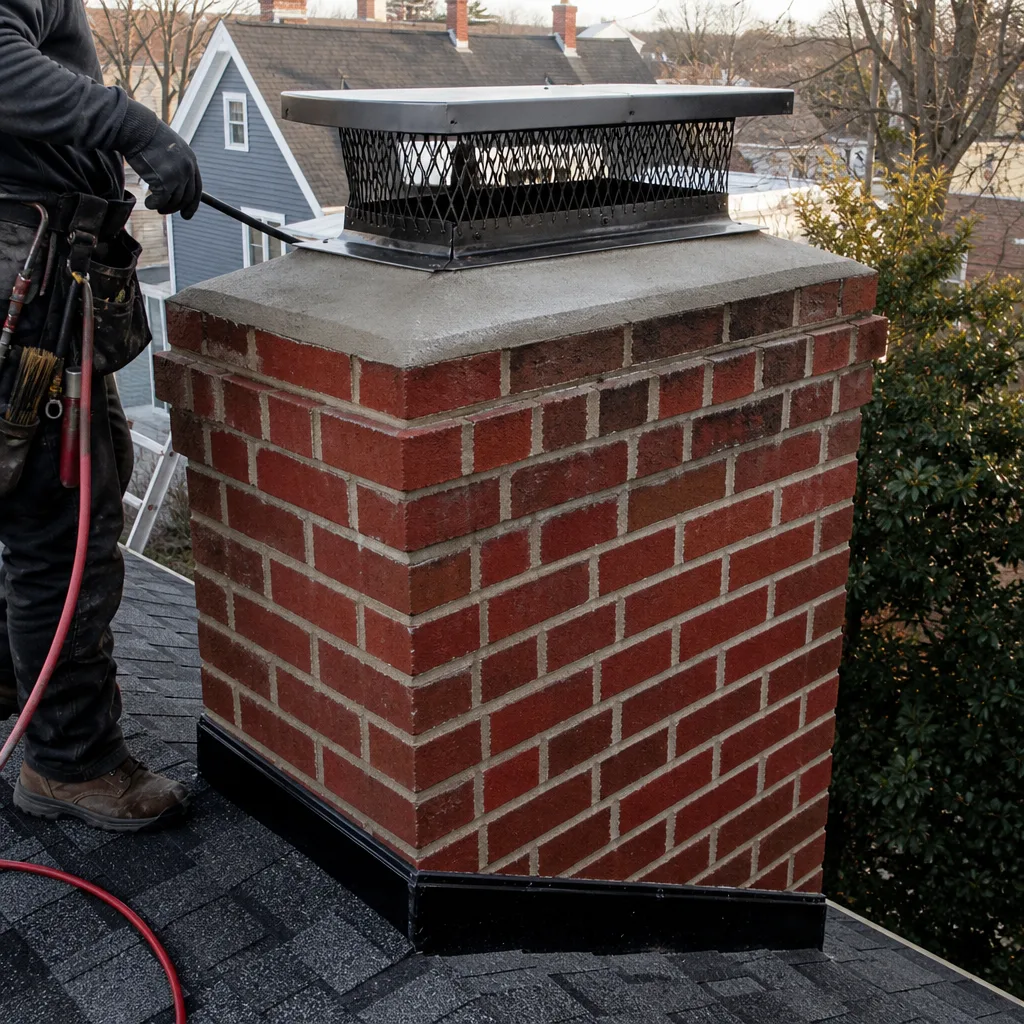 After
After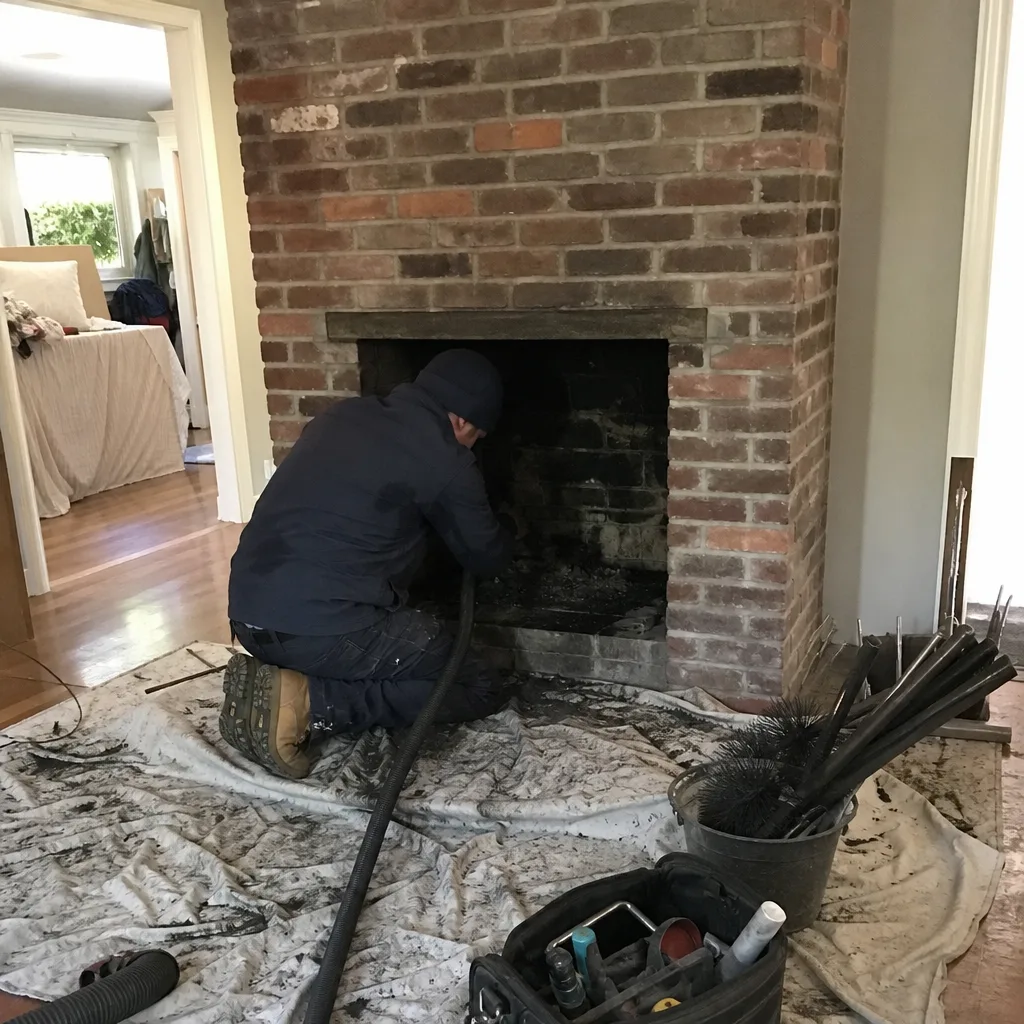 Before
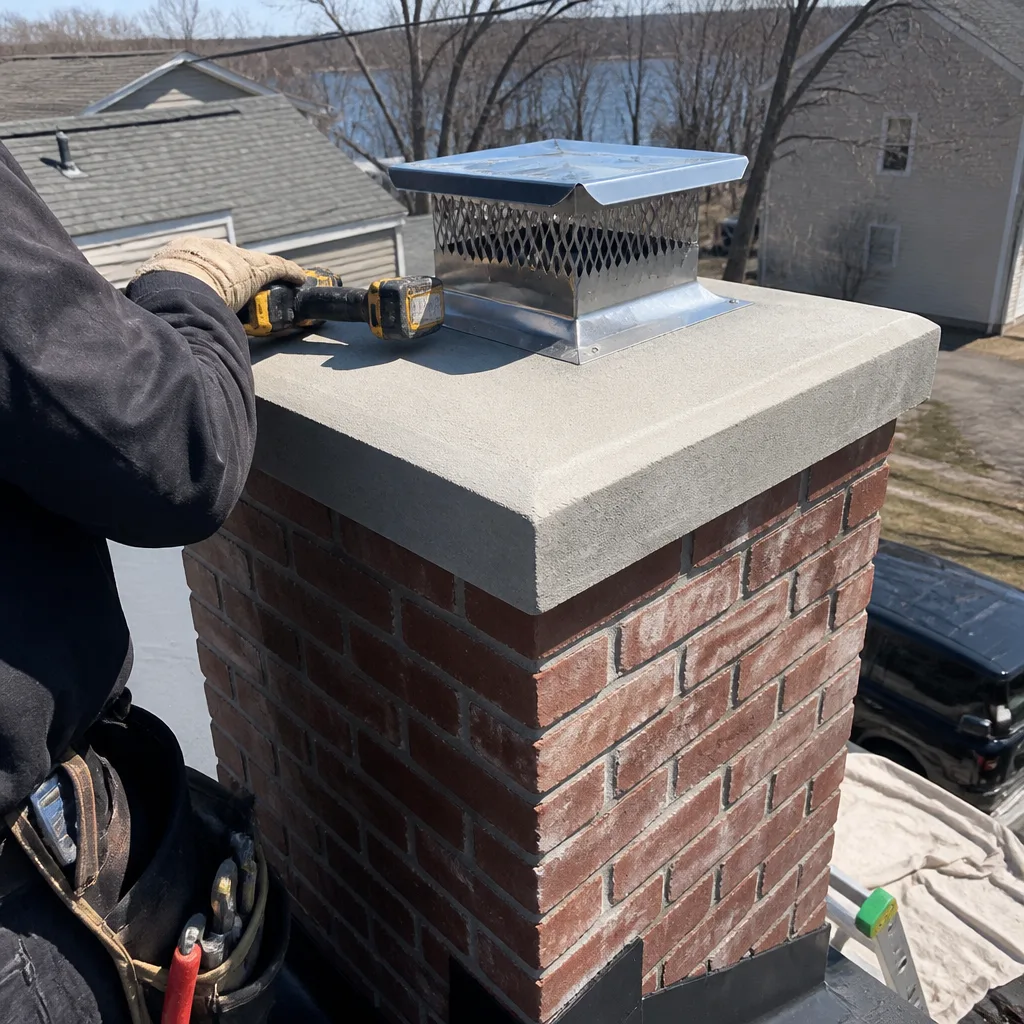 After
After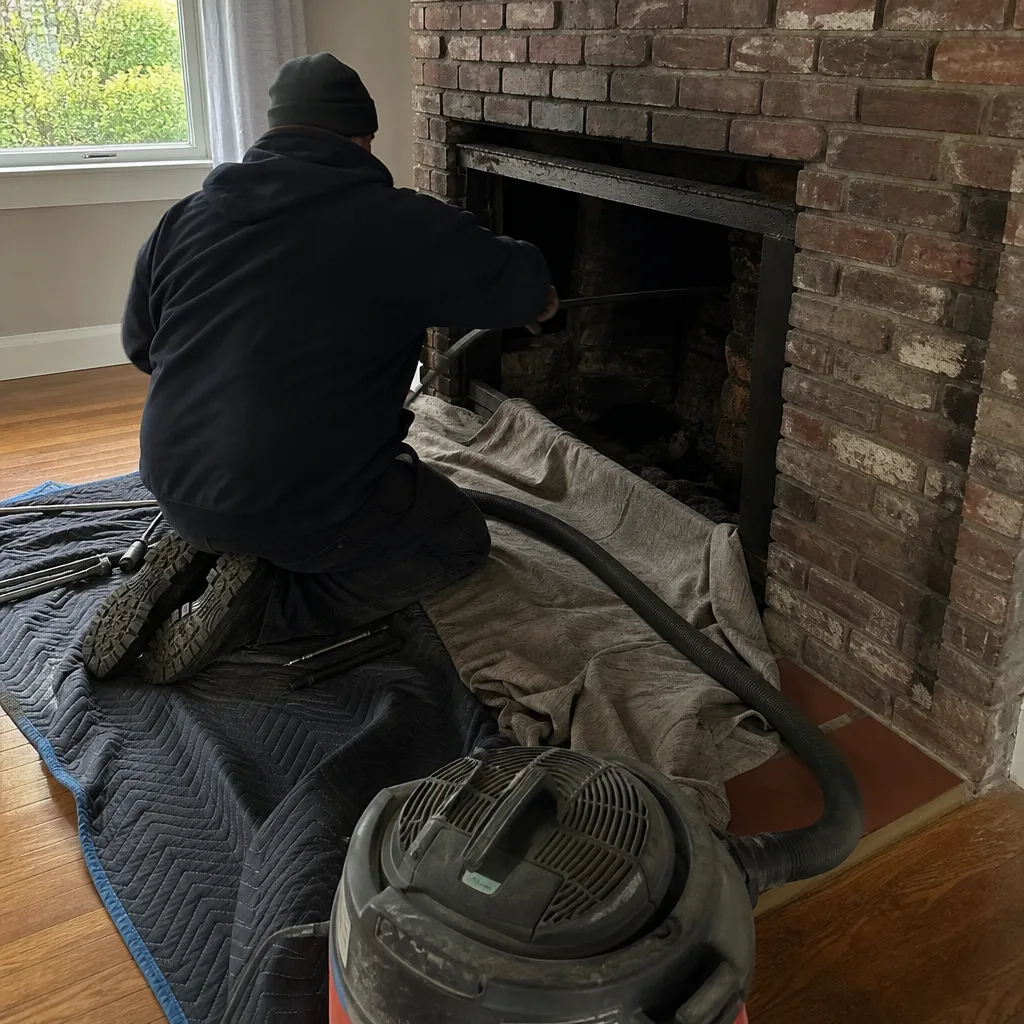 Before
 After
AfterFast, Reliable Chimney Repair Across Reading
Chimney repair in Reading, MA typically costs between $450 and $3,800 depending on the work, with repointing starting around $450-$800 and full top-section rebuilds running $2,500-$3,800. Most repairs on Reading’s 1950s-1970s chimneys are completed in a single day, with materials ordered within 48 hours when a liner is involved. We know exactly what your center-entrance Colonial or Cape was built with because we’ve inspected enough of them across Reading to see the pattern clearly. Call (857) 567-8887 for a written quote before any work starts. Our crews dispatch from the Boston office directly into Reading, usually within a few business days of your call.
Why Reading’s Aging Chimneys Fail Differently Than Neighboring Towns
The single most important fact about chimney repair in Reading is structural, not cosmetic. Between roughly 1950 and 1975, when the MBTA Haverhill Line made Reading a practical commuter town, builders put up block after block of center-entrance Colonials and Capes with dual-flue masonry chimneys. One flue served the living room fireplace. The other vented the basement furnace. At the time, that was good design. Fifty to seventy years later, it is the town’s defining chimney problem, and it shows up on almost every inspection we do west of Main Street.
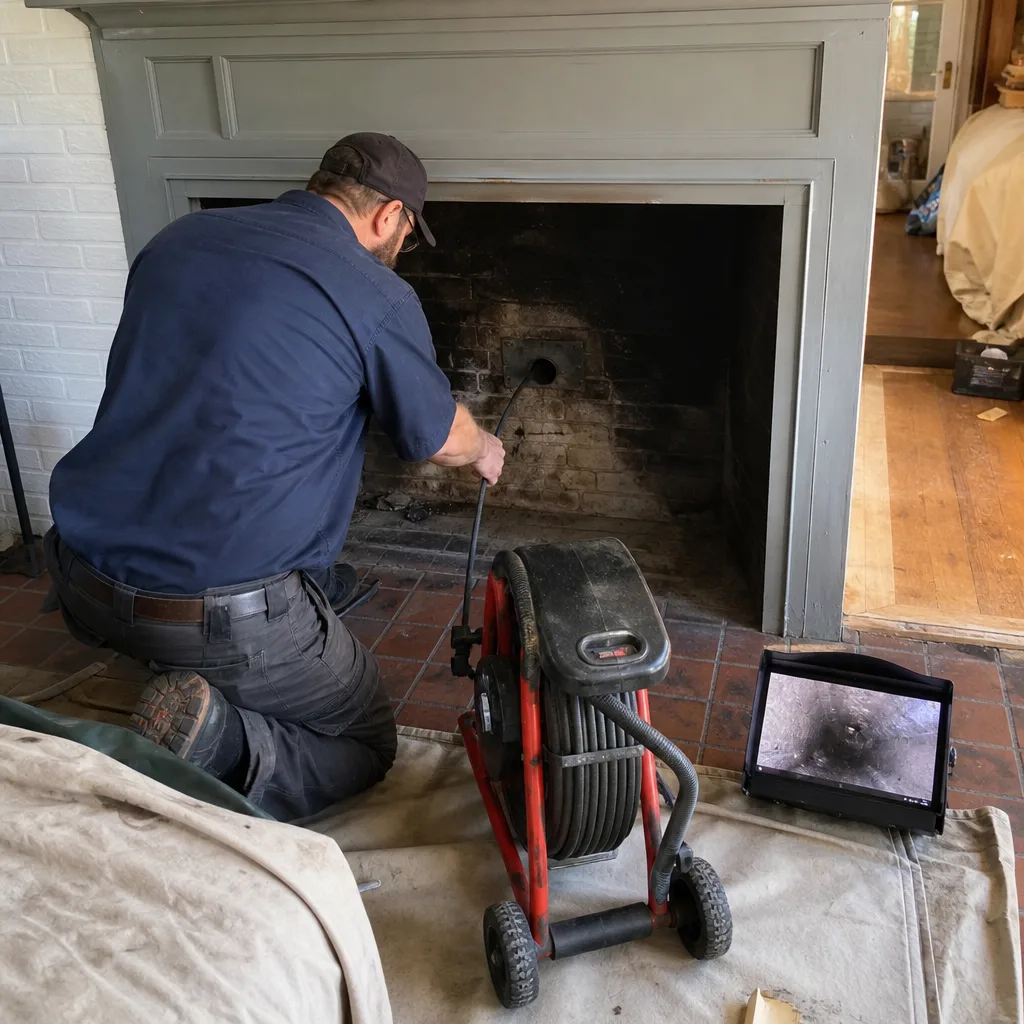
Here is what happens, and why it matters more in Reading than in Wakefield or Burlington. A furnace burning oil or gas produces exhaust that contains sulfur compounds. When that exhaust hits the cooler walls of a clay tile flue liner, condensation forms. That condensation is dilute sulfuric acid. It eats through the clay tile and the lime mortar holding it, from the inside out. A homeowner can go years without noticing anything wrong because the damage is invisible from the ground. By the time spalling bricks or a leaky crown show up, the liner has been failing for a while. This is exactly what our Chimney Repair team finds when we run a camera down dual-flue stacks in Reading: hidden liner failure with a perfectly good-looking outside. That hidden damage is the core reason we do not recommend repairs without first showing you the camera footage and documenting the condition in writing.
Our work is led by Corrine Halstead, who sets the standard we inspect to: NFPA 211 Level 2, with a camera in the flue on every single visit. That documented photo record, required under Clause 4 of the Haven Standard, has been our default practice since 2009. We have completed more than 38,000 inspections and cleanings since then, every one with a written price before work started and a documented record when it was done.
Our Chimney Repair Services in Reading
Mortar Repointing
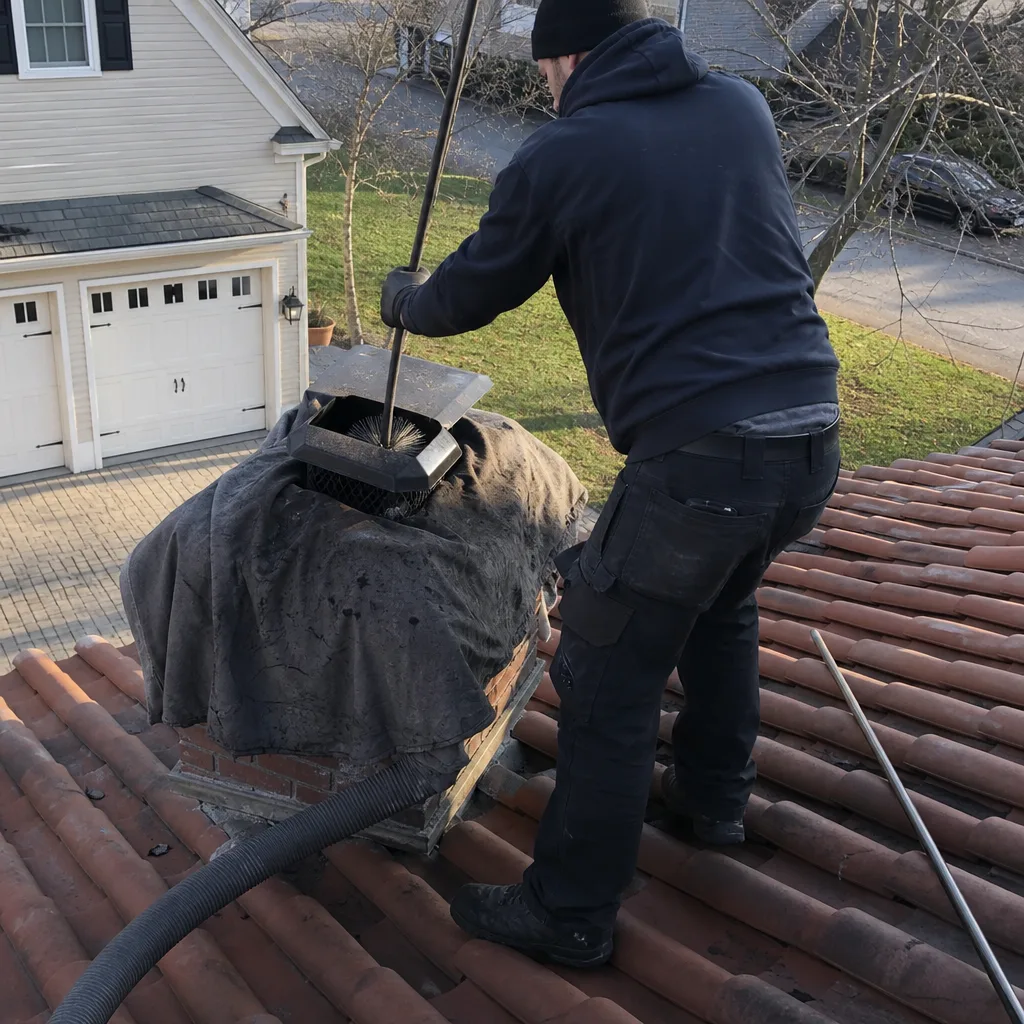
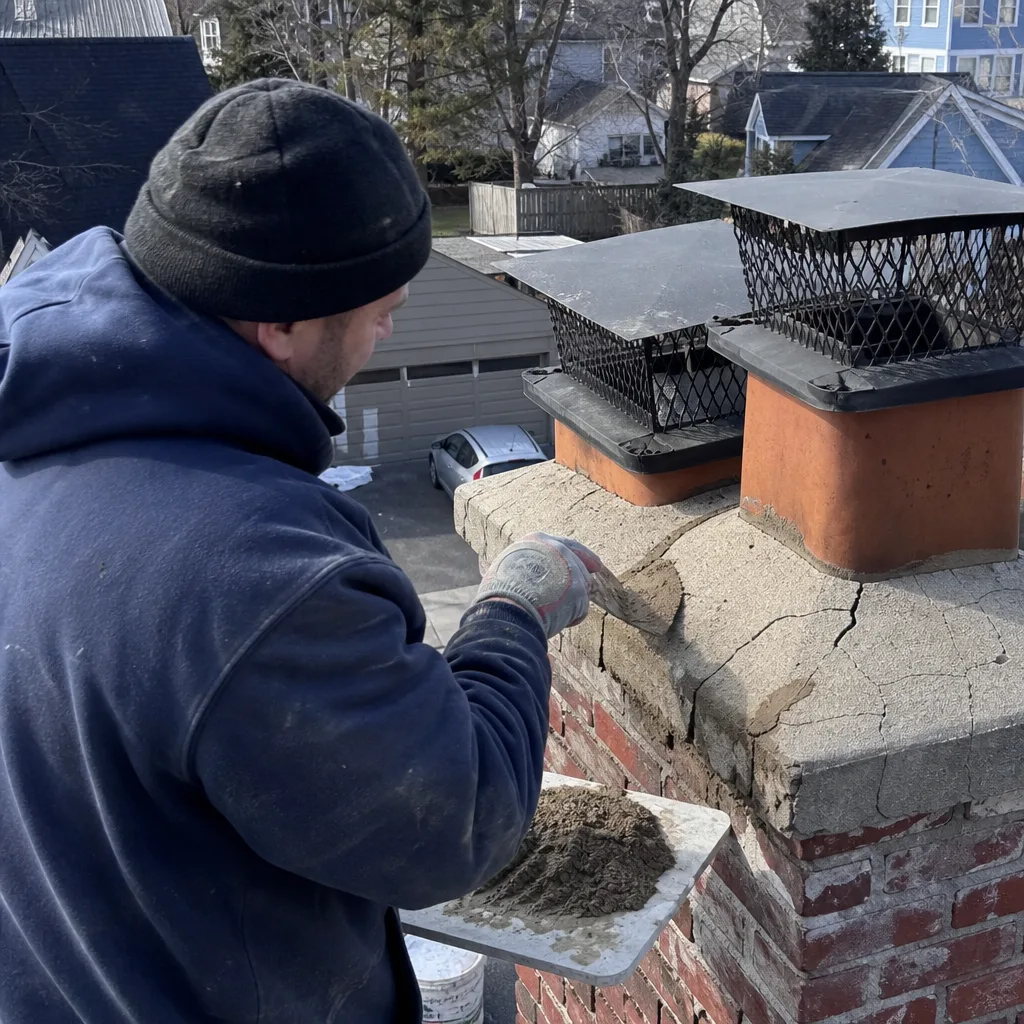
Reading’s 30-40 freeze-thaw cycles per winter are hard on mortar. Water gets into the joints, freezes, expands, and pushes the mortar loose. After enough cycles, the joints between bricks start to fail and the stack slowly sheds its skin. We tuckpoint and repoint with mortar matched to the original color and composition, so the repair blends visually while actually holding water out.
Spalling Brick Repair
Spalling is when the face of a brick breaks off in flakes or slabs, usually because water has found its way into the brick and frozen. Homes west of Main Street, especially around Birch Meadow and Strout Avenue, show this more than homes closer to the center, because the mature oak and maple canopy there shades chimneys longer and keeps masonry damp. We cut out and replace damaged bricks one at a time, no full rebuild unless the wall itself has started to bow.
Chimney Waterproofing
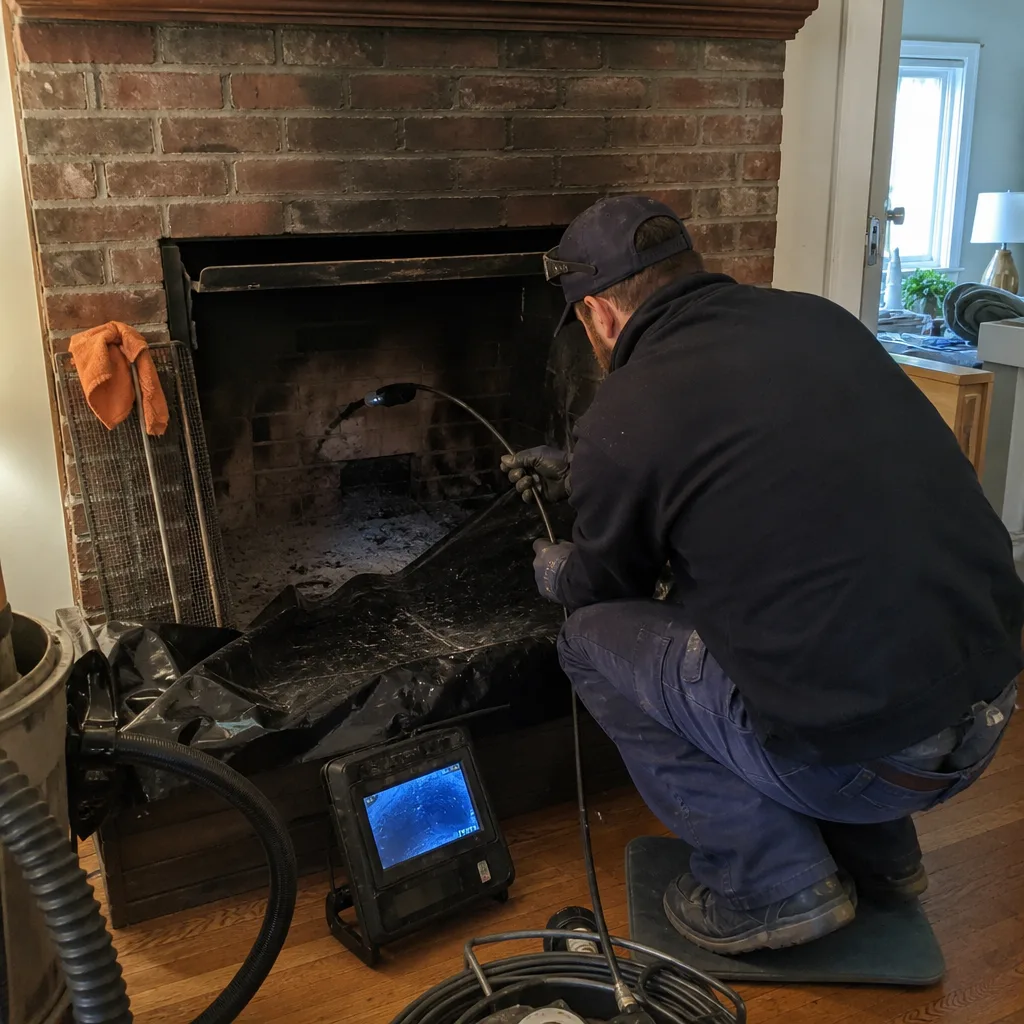
For chimneys with hairline cracks in the crown or porous brick faces, a breathable siloxane waterproofing treatment can add years of service life at a fraction of the cost of rebuilding. Important caveat: waterproofing seals out moisture, but it does not fix an already-failed liner. We will not apply it as a substitute when your camera inspection shows cracked tiles or a deteriorated smoke chamber. In Reading we see both situations constantly, and the two get confused.
Flashing Repair
The flashing where your chimney meets the roof is one of the most common leak points on any house in Reading, regardless of age. On Capes from the 1950s, the original flashing was often galvanized steel and is now corroded through. On Colonials from the 1960s and 1970s, the chimney was frequently flashed with tar and fabric, which hardens and cracks. We replace with copper or aluminum, step-flashed and counter-flashed properly, and we warranty the work in writing. Homeowners often worry a flashing repair means re-roofing. It does not. Ninety percent of the time it is a chimney-side repair only.
What happens when you call
- 1
A real person answersNo phone trees - you reach a local pro.
- 2
You get an upfront price rangeHonest numbers before anyone is dispatched.
- 3
A background-checked tech heads outLicensed & insured, dispatched right away.
- 4
You approve before work beginsNothing starts until you say go.
BeforeAfterTrusted Brands We Service in Reading
When a repair requires new components, we install what we know lasts. We use HeatShield for resurfacing liners, Gelco for flashing and chase covers, and Olympia Chimney for caps and dampers. Our buying network keeps these components priced honestly for Reading customers and stocked in advance, which means a springtime crown rebuild or a fall flashing replacement is not delayed waiting on parts. You will see the brand name and the written price before any work is approved.
Common Chimney Repair Problems We See in Reading Homes
- Hidden clay liner failure from furnace exhaust. As described above, Reading’s dual-flue stock is uniquely vulnerable because 50 years of oil or gas exhaust have been condensing sulfuric acid inside the tile liners, often while the upstairs fireplace was used only occasionally. The outside looks fine. The inside is gone.
- Crown cracks that enlarge every winter. Freeze-thaw cycles force water into hairline crown cracks, freeze, and wedge them open until water reaches the firebox and smoke chamber. Homes near open, exposed areas like the high ground around Birch Meadow see this more quickly because they get less winter sun.
- Flashing failures on shallow-pitch Capes. Reading’s 1950s Capes have shallow roof pitches that hold snow against the chimney base longer. Heavy wet New England snow loads the flashing and then soaks it as it melts. Corrosion follows fast when the original galvanized steel has been there since Eisenhower.
- Unseasoned-oak creosote hiding real damage. Reading’s mature oak canopy means a lot of homeowners burn neighbor-sourced oak that never fully seasoned. It produces heavy first- and second-degree creosote, and we regularly find glaze deposits inside clay tile flues that homeowners describe as “lightly used.” That glaze hides cracked tiles until we put a camera on it.
Pricing for Chimney Repair in Reading, MA
Here is what you can expect for common repair work in Reading. These are real ranges, written down before we start, not “contact us for pricing.” Mortar repointing on a standard single-story Cape runs $450-$800 for a partial repoint and $1,200-$1,800 for a full stack. Spalling brick replacement runs $150-$400 per brick depending on access. Chimney waterproofing on a typical chimney runs $350-$700. Flashing repair runs $500-$1,000 for a single-side replacement and $900-$1,800 for a full four-side reflash. Crown rebuilds run $800-$1,500. Partial top-section rebuilds (top 3-4 feet) run $2,500-$3,800. HeatShield liner resurfacing runs $2,200-$3,500 depending on flue length. Any repair requiring scaffolding adds 15-20% for setup and safety.
What affects cost the most in Reading: chimney height and roof pitch, both of which are substantial on the town’s center-entrance Colonials. Second-story chimneys on steep-pitch roofs cost more because access is slower and safer work requires more equipment. We will give you a written scope and price before anything starts, and there is no charge for the estimate.
We Also Serve Cities Near Reading
If you live in Wakefield, Burlington, Winchester, or Peabody, the same crews, the same written-price standard, and the same camera-first inspection process apply. Level Two Chimney Boston serves the whole corridor from the Boston office, with the Haven Standard on every job. See our Reading page for local specifics, or call (857) 567-8887.
Serving Reading, MA - Our Local Coverage Area
We’re based in the Reading area and know this community well. Use the map below to see our service coverage - if you’re nearby, we can almost certainly help.
FAQs - Chimney Repair in Reading
Because the liner’s job was servicing the basement furnace, not the upstairs fireplace. Reading’s 1950s-1975 housing stock was built with dual-flue chimneys, and the furnace flue took 50-70 years of acidic exhaust condensation, which eats clay tile liners from the inside regardless of how often you had a fire. The fireplace flue may look fine. The furnace flue is likely gone. Call (857) 567-8887 and we will show you on camera before you pay for anything.
Usually, yes. Spalling on a Cape chimney in Reading is typically confined to individual bricks that have absorbed water and frozen. We cut out the failed bricks, replace them with matched units, and repoint the surrounding joints. A full rebuild is only necessary when the wall itself has begun to bow or when the masonry has lost so much depth that it cannot safely carry weight anymore. A camera inspection and a visual load assessment will show you exactly what you need. Call (857) 567-8887 for a written quote.
It can be. That shiny black glaze is third-degree creosote, and it forms when unseasoned oak burns too cool. It is not a simple brush-it-out problem: glazed creosote hardens to a tar-like consistency and, more importantly, it hides the condition of the flue liner underneath. Many homeowners in Reading’s west side neighborhoods around Birch Meadow and Strout Avenue find out only after a camera inspection that the liner behind the glaze is cracked or the smoke chamber has parge coat failure. The repair path is cleaning what is cleanable and then diagnosing the liner with the camera. Call (857) 567-8887.
Small hairline cracks can often be sealed with a flexible crown-coat and then waterproofed for protection against Reading’s heavy freeze-thaw cycles. If the crown has lost its overhang drip edge, or if chunks are beginning to break off, a rebuild is the honest fix because sealing will not restore the missing geometry. Reading’s 30-40 freeze-thaw cycles per winter punish crowns every single season, so a structurally intact crown matters. We will show you the condition in photos and write the scope before work begins. Call (857) 567-8887.
Yes, and in nearly every case we see in Reading, re-roofing is unnecessary. The flashing on a 1970s ranch chimney is usually the original material, and it fails at the chimney side, not the roof side. We remove the failed flashing, inspect the underlying roof deck at the chimney base for rot, repair any localized water damage, and install new step and counter flashing. You will not need a new roof for this. We would be happy to (857) 567-8887 and walk through what the typical repair on a Reading ranch looks like.
Written by Corrine Halstead, Owner at Level Two Chimney Boston, serving Reading since 2009 under the Haven Standard.