
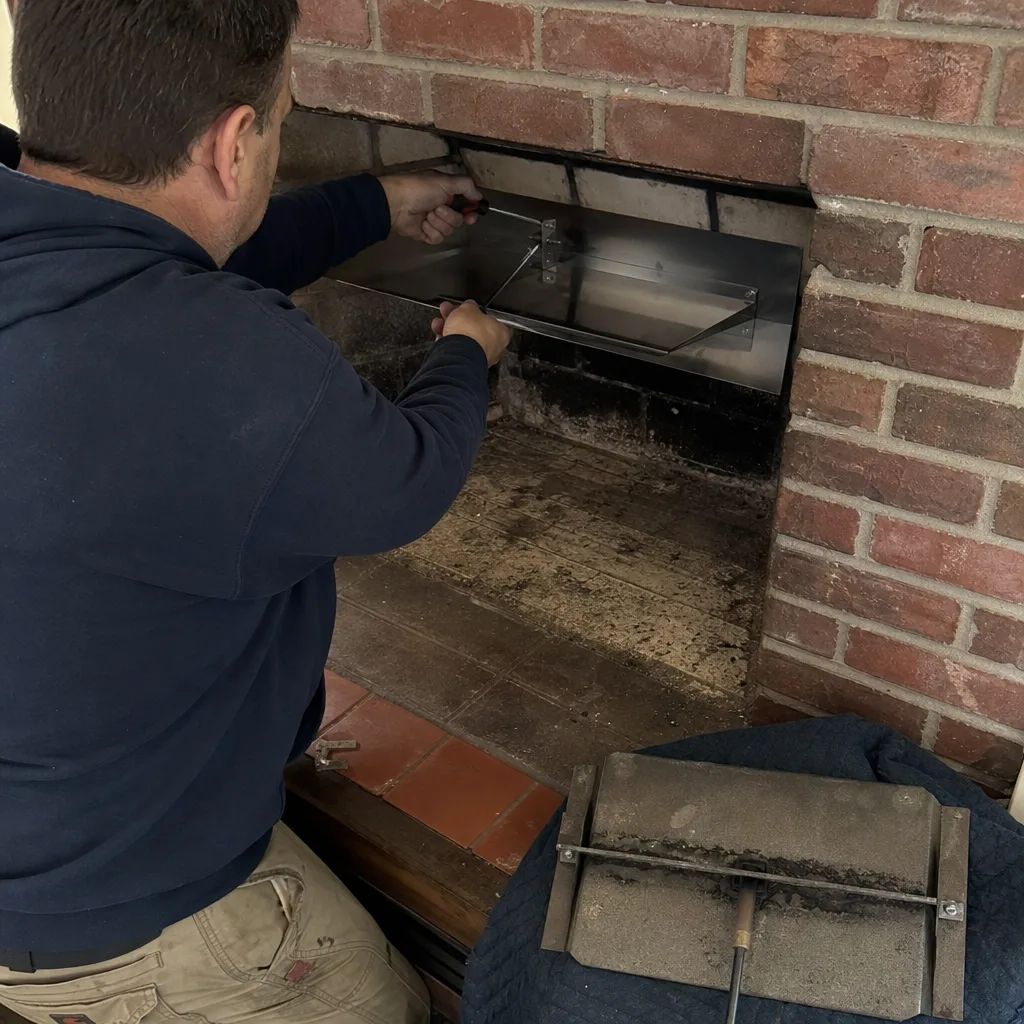
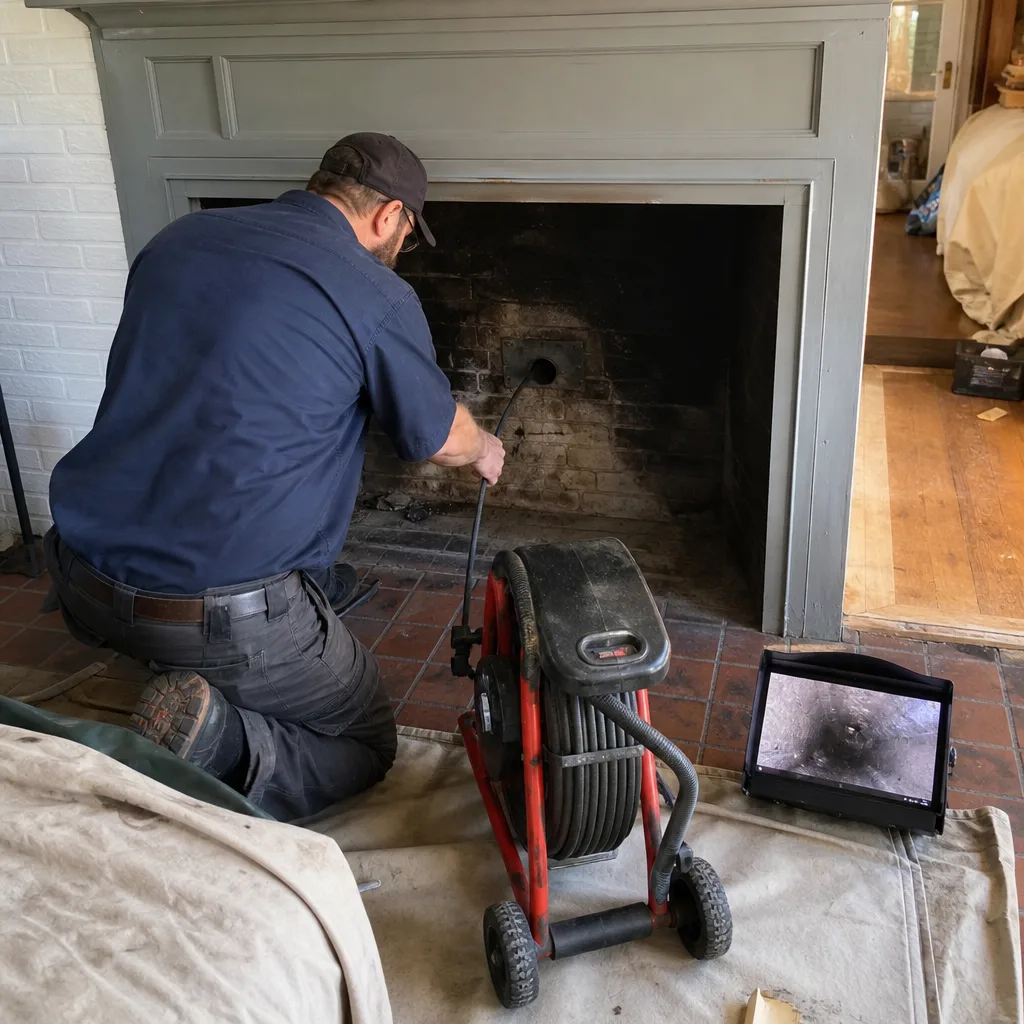
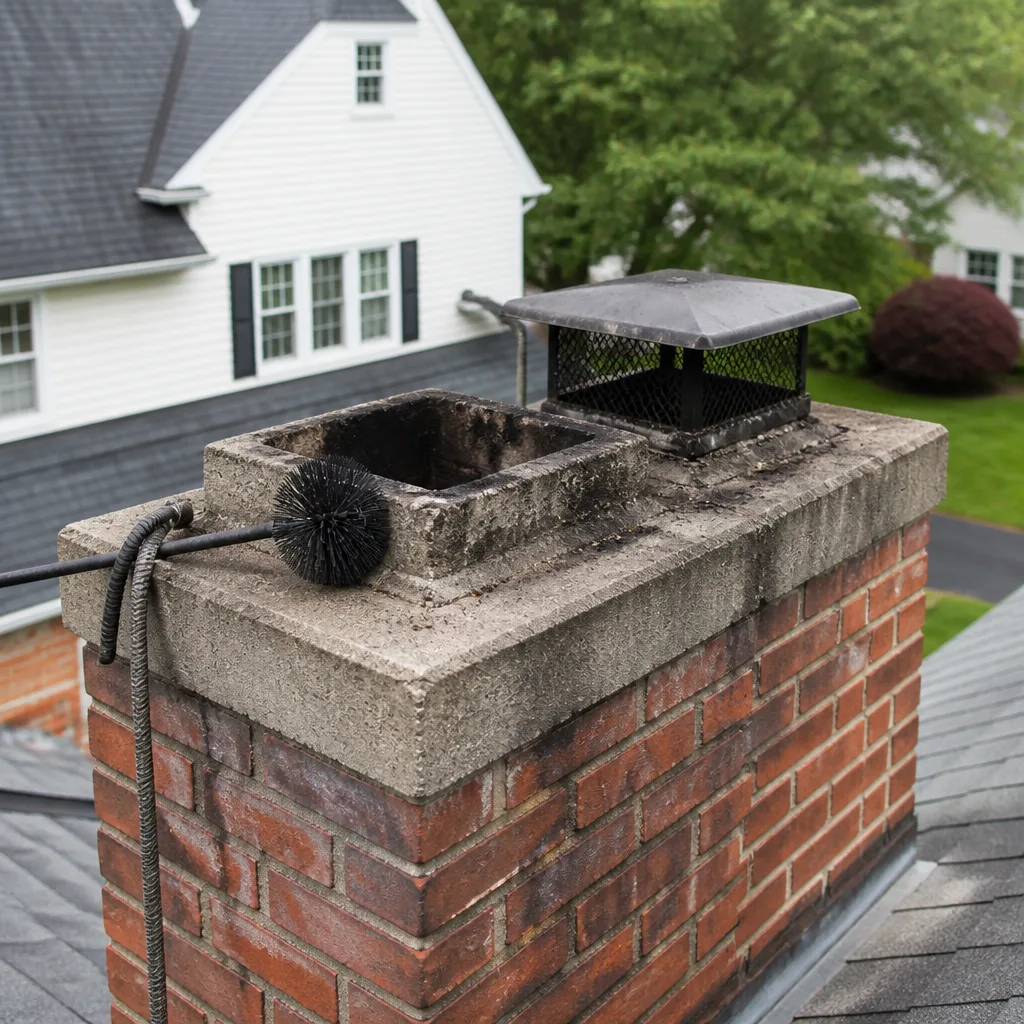
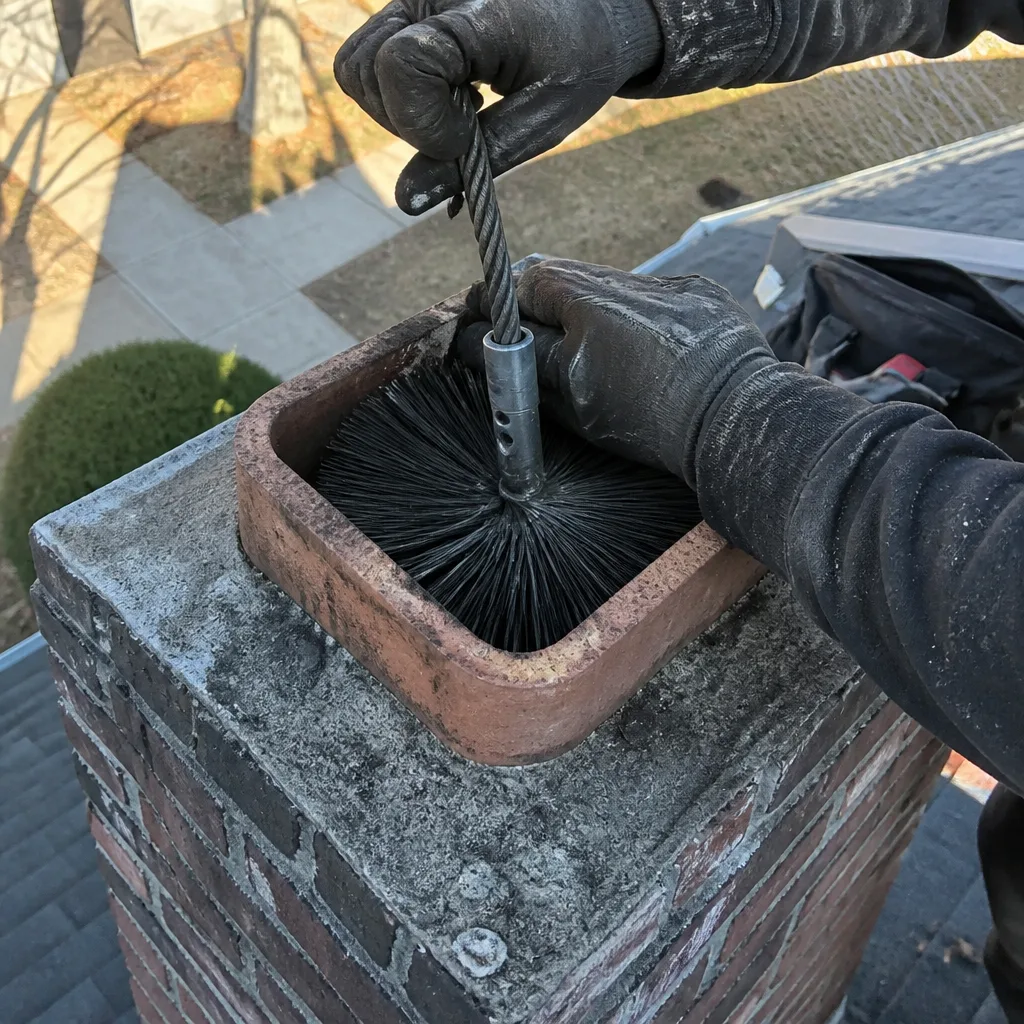
Level 1 sweep and inspection to the NFPA 211 annual standard - flue, crown, cap, and flashing checked and photographed
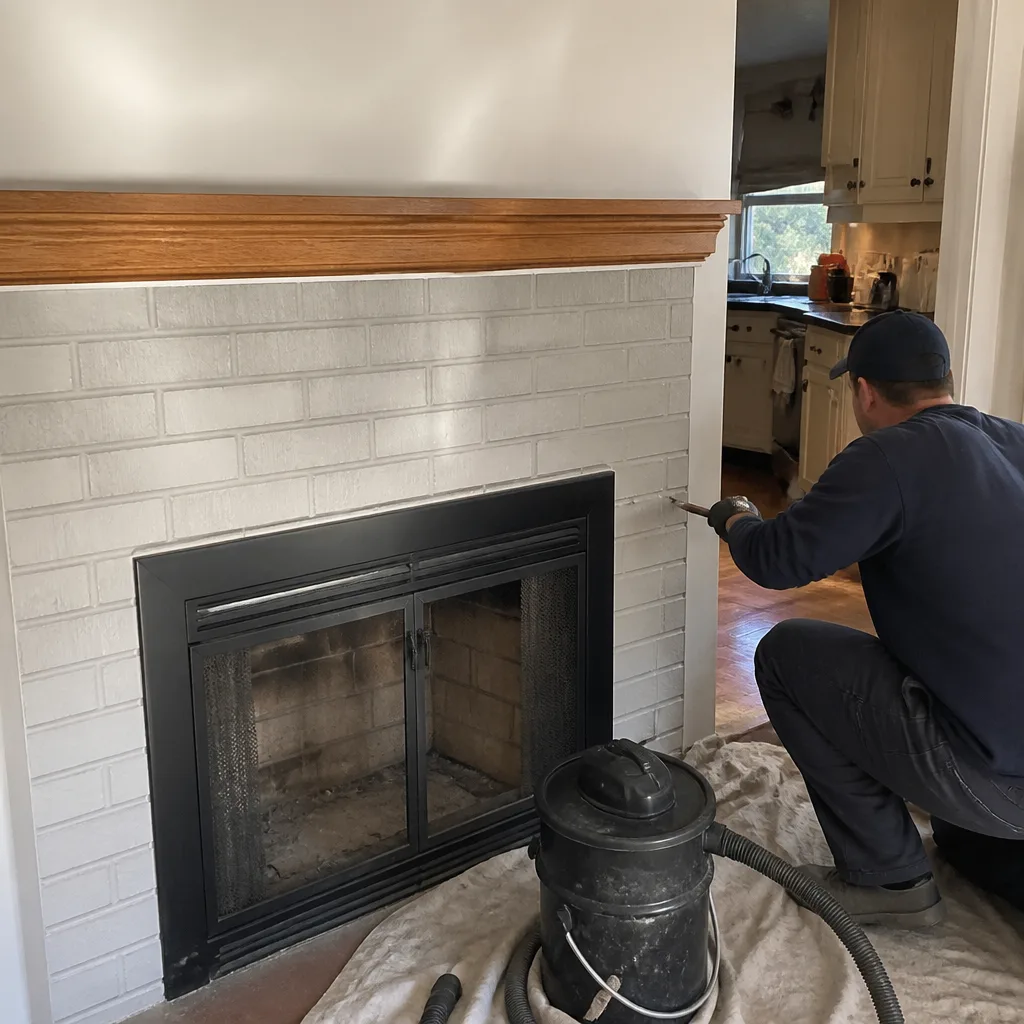
Chimney sweep logs do not sweep chimneys. They loosen some creosote - which then falls where a brush and vacuum still have to collect it.
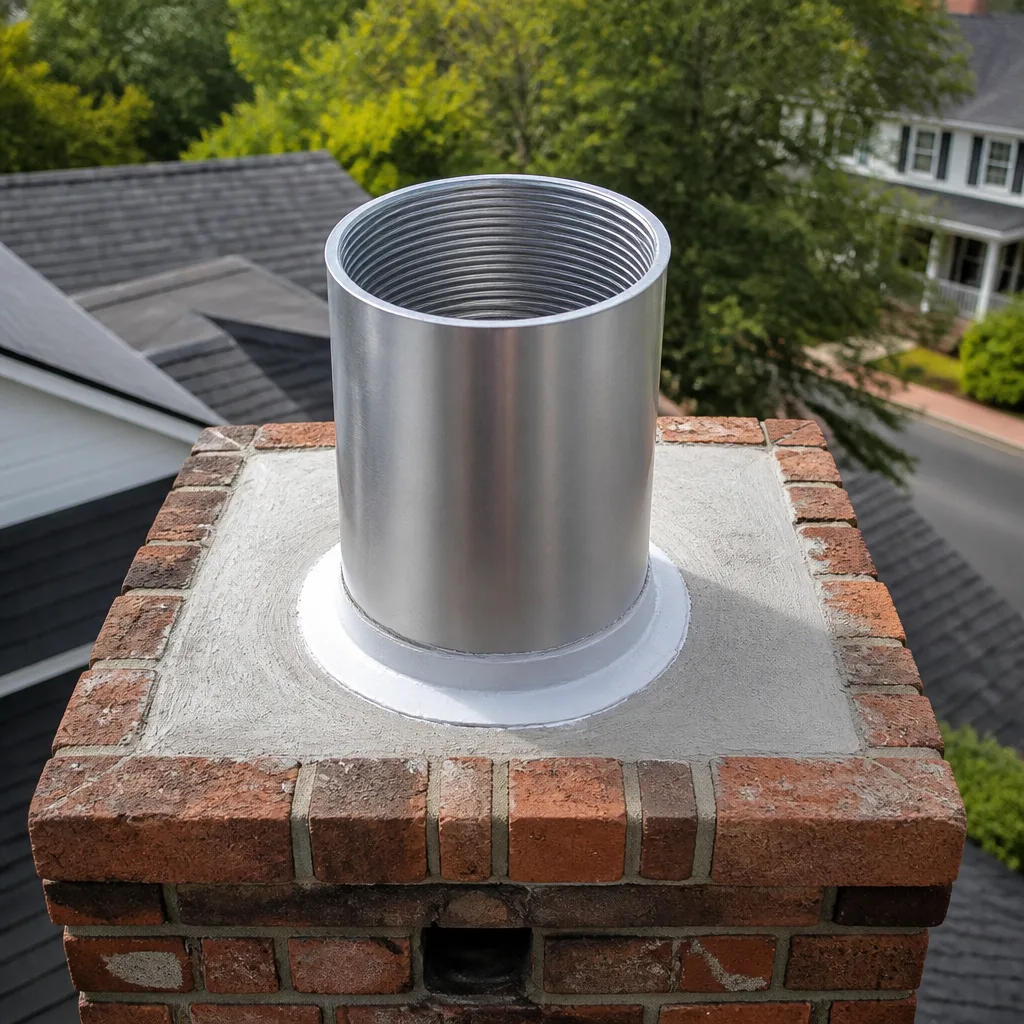
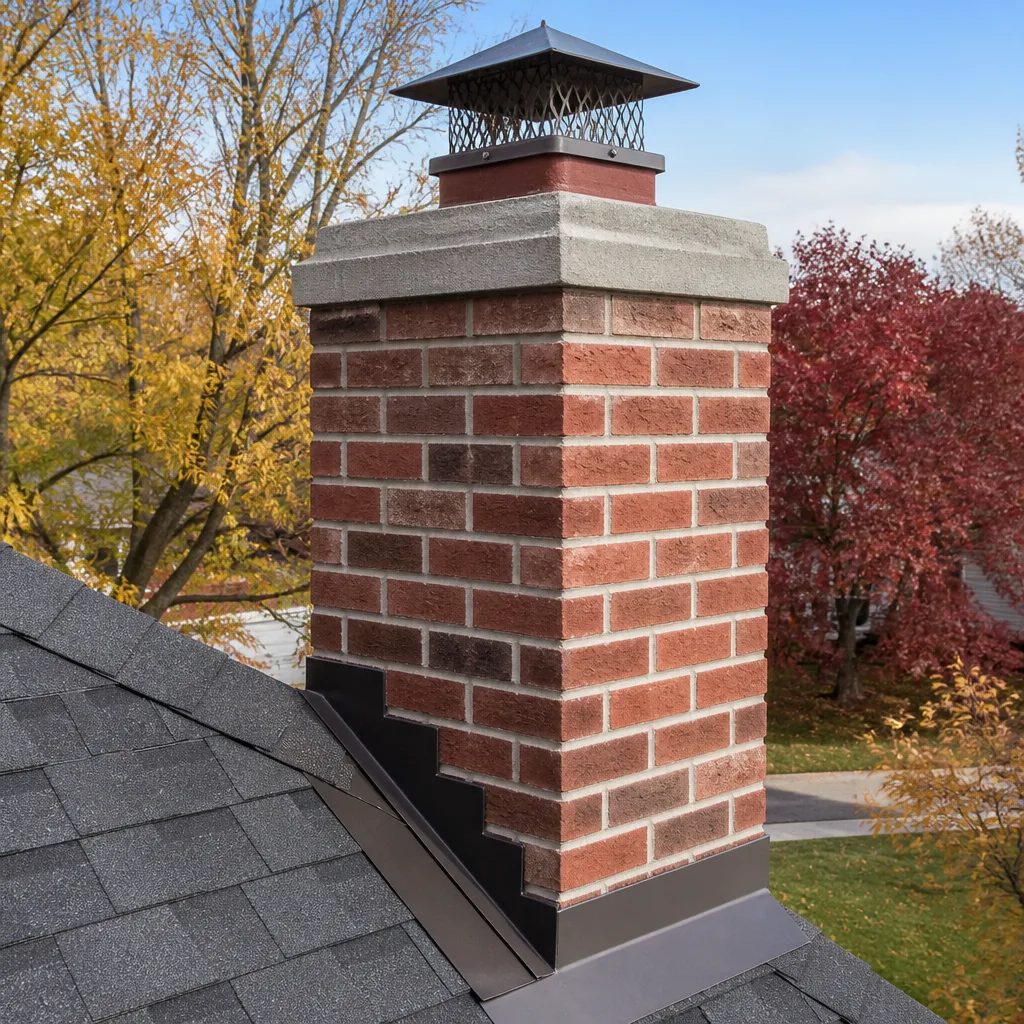
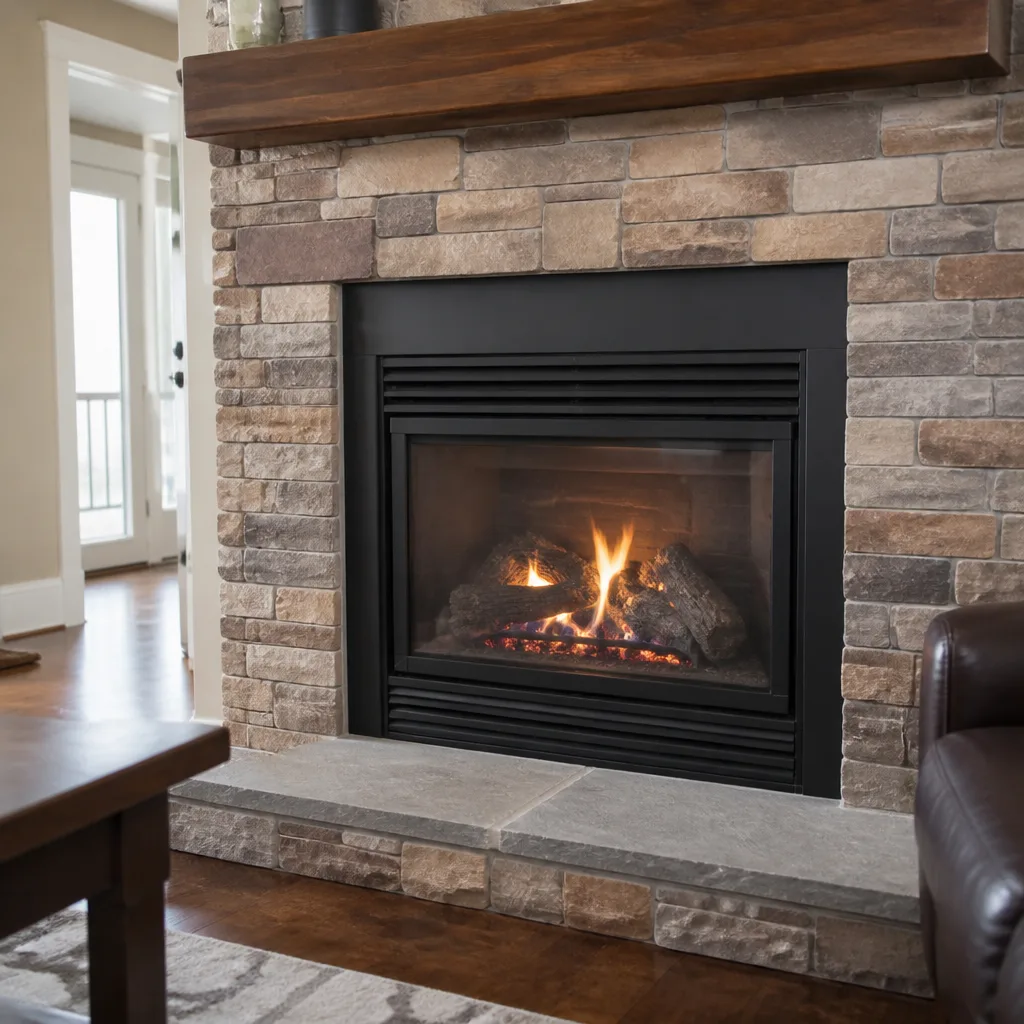
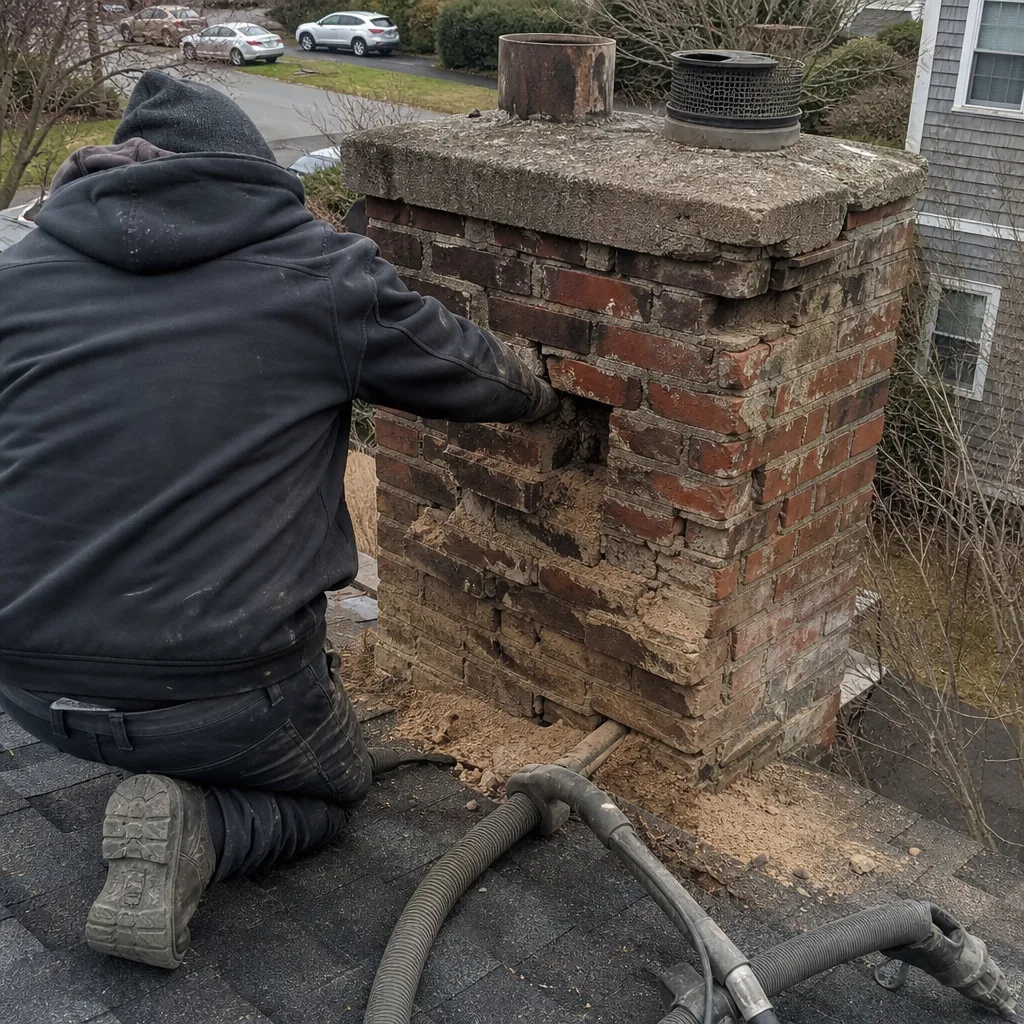 Before
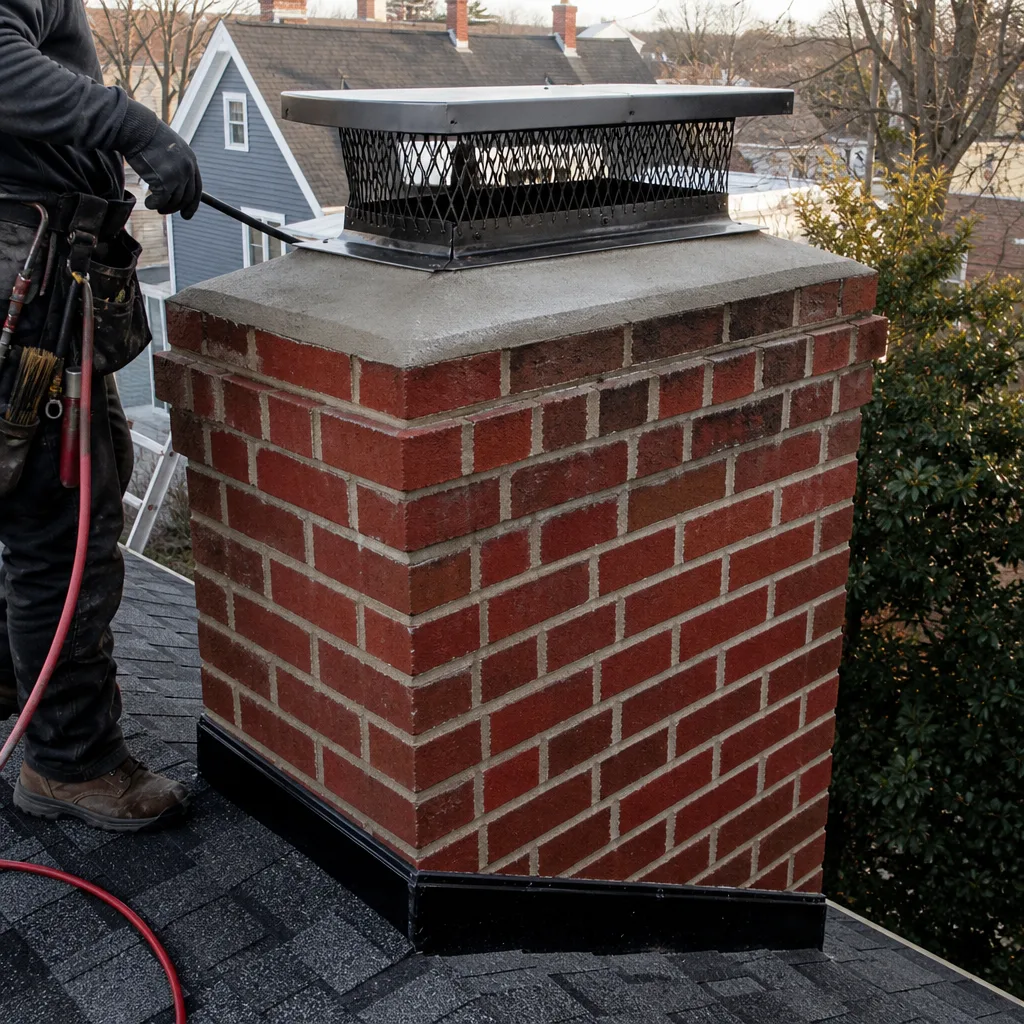 After
After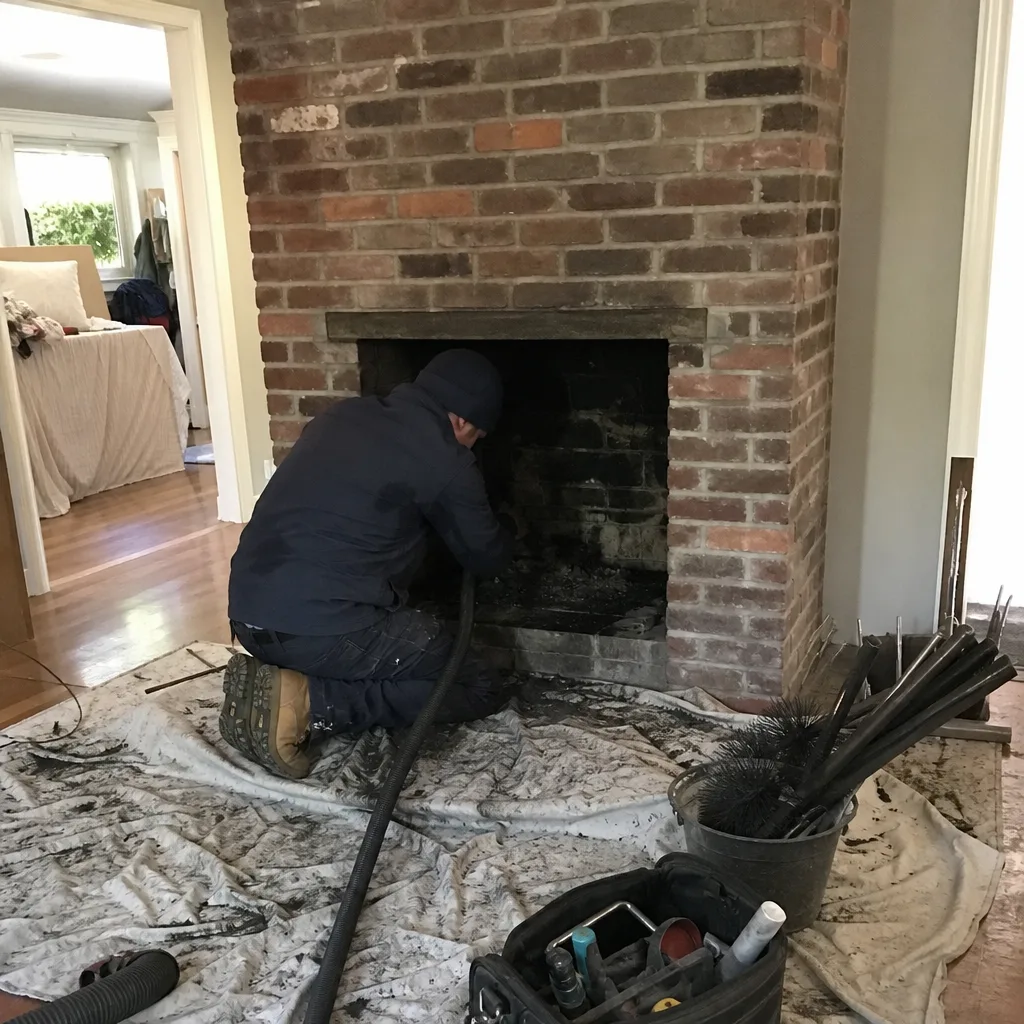 Before
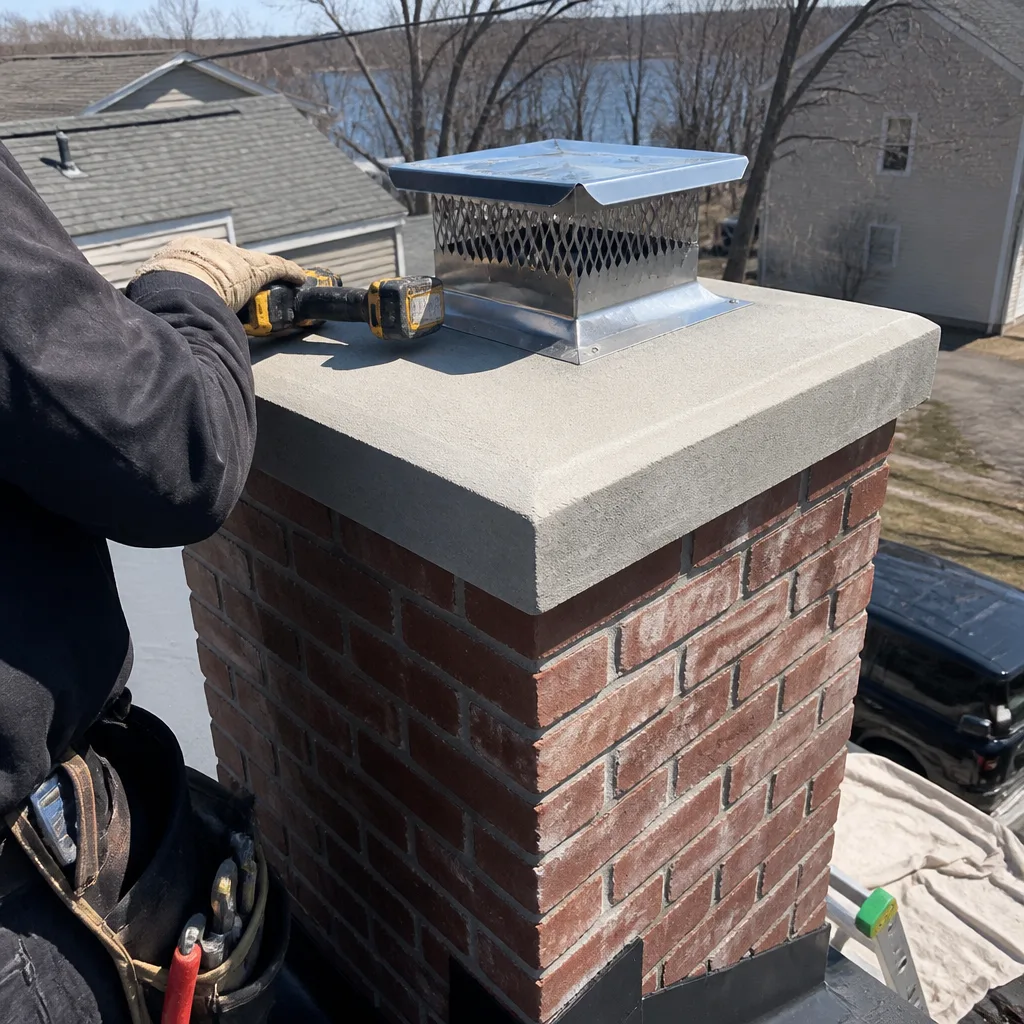 After
After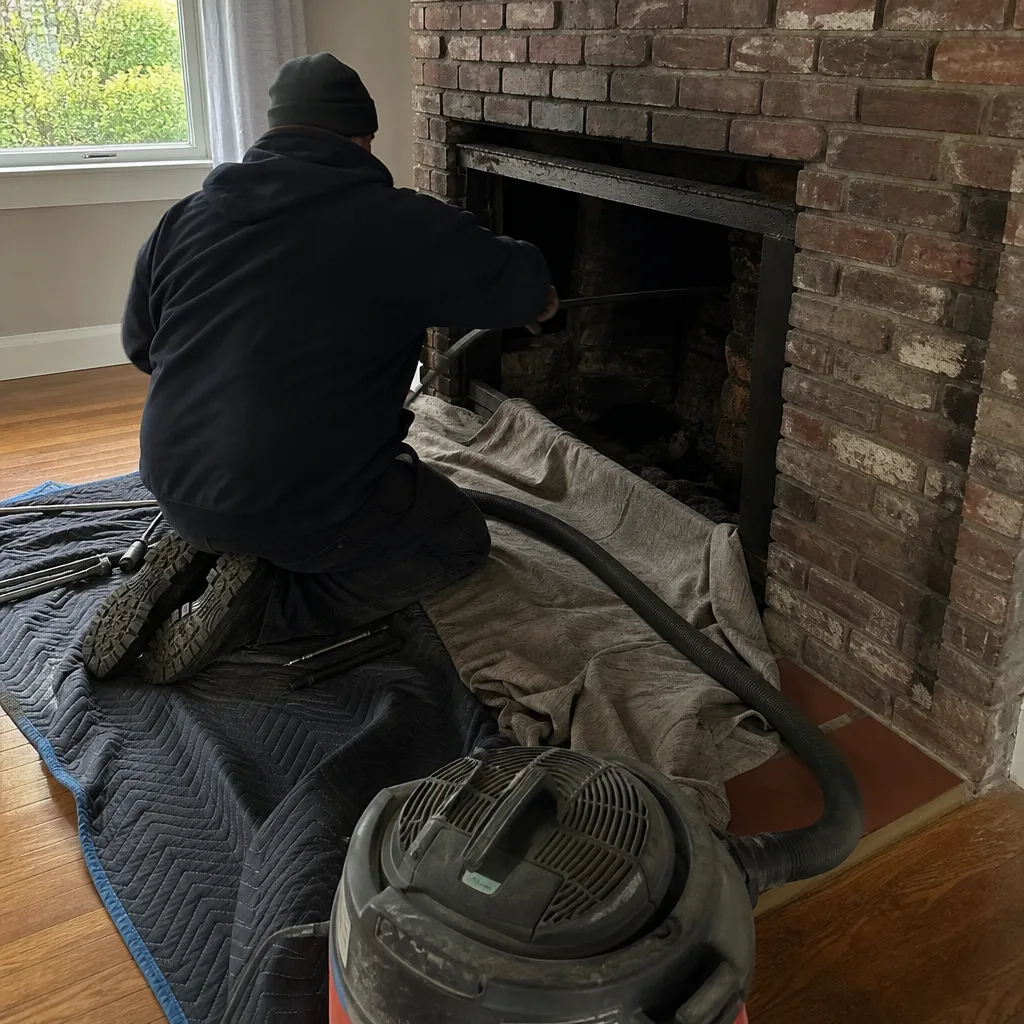 Before
 After
AfterFast, Reliable Fireplace Services Across Boston
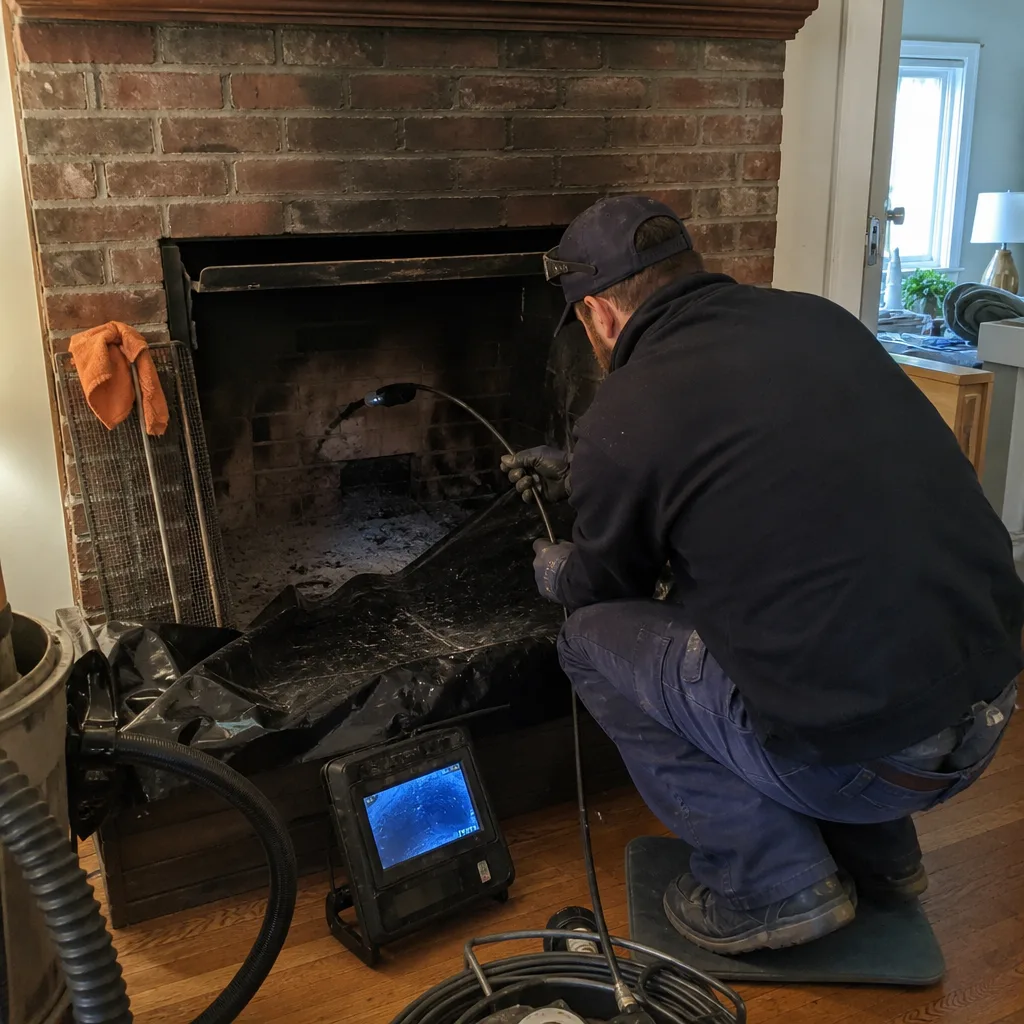
Fireplace service in Boston should start with what we can show you, not what we can tell you. Every visit includes a camera run down the flue and a photo record you keep, because Clause 4 of the Haven Standard has required that since 2009. We work on triple-deckers in Dorchester, brownstones in the South End, and single-family Victorians out in Hyde Park, and we quote a written price before any tool comes off the truck. Call (857) 567-8887 and you’ll reach a person, not a voicemail.
What happens when you call
- 1
A real person answersNo phone trees - you reach a local pro.
- 2
You get an upfront price rangeHonest numbers before anyone is dispatched.
- 3
A background-checked tech heads outLicensed & insured, dispatched right away.
- 4
You approve before work beginsNothing starts until you say go.
Why Level Two Chimney Boston Is Boston’s Preferred Fireplace Services Company
Boston homeowners research before they call. That’s why we put the price on the page, name the tech assigned to the job, and text when we’re on the way. Our Fireplace Services team has inspected and cleaned over 38,000 chimneys since 2009, and every single one left with a written scope and a documented photo record. No exceptions.
Corrine Halstead leads the scheduling and dispatch out of our Boston office, and she runs the crew the same way every day: background-checked techs in uniform, license information on the page, and a live person answering the phone around the clock. When a Back Bay homeowner called at 9 p.m. with a damper stuck open and cold air pouring into the parlor, Corrine had a tech named and a time window texted by 9:20.
We are not the cheapest in Boston, and we’re honest about that. What you get is a camera-scan inspection on every visit, a written warranty in your hand before work starts, and the 365-Day Done Right Promise behind it. If it’s not done right, we make it right.
Our Fireplace Services Services in Boston
Gas Fireplace Service
Gas fireplaces in Boston are often retrofits: a 1920s coal fireplace converted to gas, vented through a clay-tile flue that was never sized for a modern direct-vent unit. That oversized flue cools exhaust too fast, producing condensation that eats the liner from the inside. A typical gas fireplace service call in Boston runs $145-$225, which includes cleaning the burner, checking the thermocouple and pilot assembly, and running our camera up the flue to confirm the venting is intact.
If we find a liner issue, you see it on our screen before we recommend anything. That’s the point. Nothing gets replaced without camera evidence you can look at yourself.
Wood Burning Fireplace
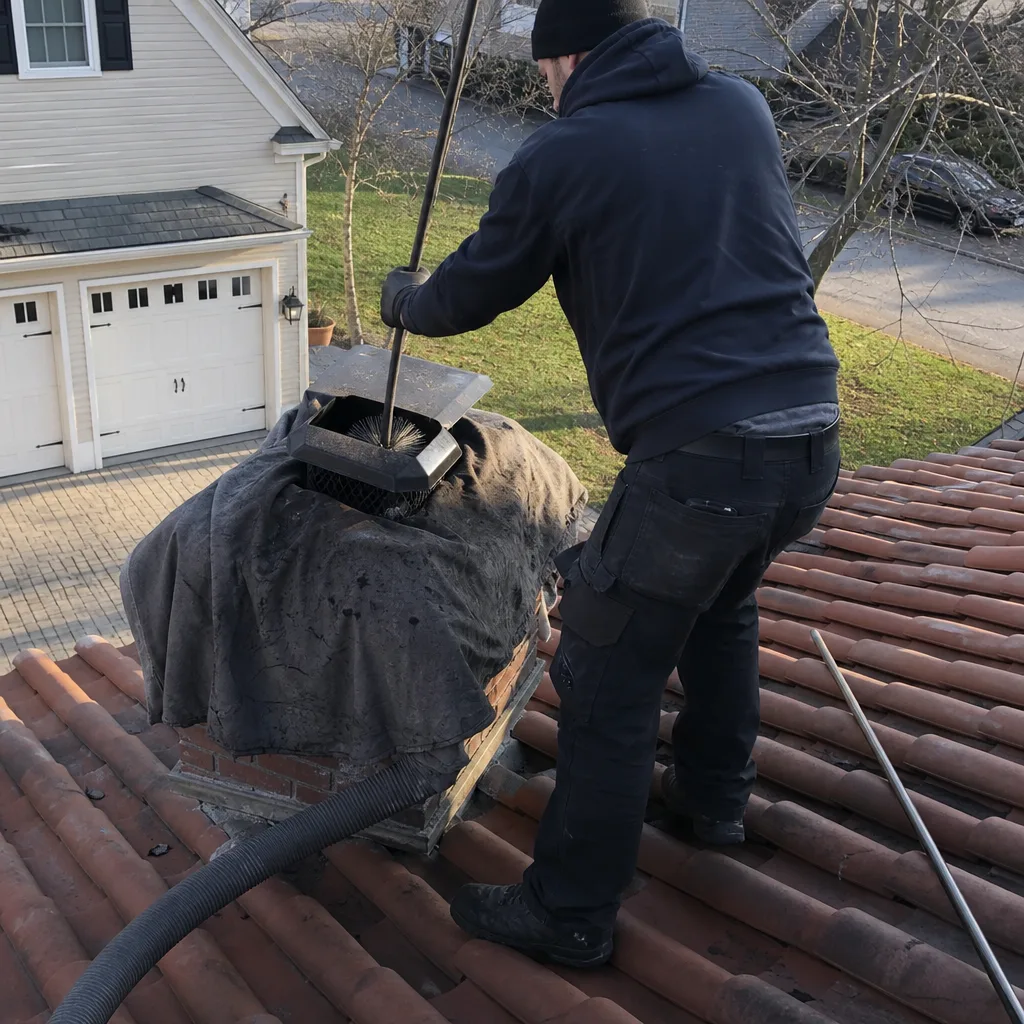
Boston’s wood-burning fireplaces sit in chimneys built between the 1870s and 1920s. Most were constructed without clay-tile liners, which means the brick itself is the flue. Any crack or missing mortar joint is a direct path for heat and carbon monoxide into the wall cavity. We inspect the firebox, damper, smoke chamber, and the full flue run on every wood-burning fireplace service, which in Boston averages $195-$285 for a standard cleaning plus the Level 2 camera inspection included at no added charge.
Creosote classification matters here. First-degree creosote is flaky and brushes out. Third-degree is a hard tar glaze that a standard brushing won’t touch. We document the class on camera and tell you which one you have.
Fireplace Insert
Inserts are common in Boston because old masonry fireplaces draft terribly. An insert solves the draft problem, but only if the flue behind it is properly lined and sized. We see inserts in Dorchester and Roxbury triple-deckers installed 15 or 20 years ago with an unlined flue behind them, which is a code problem under Massachusetts 527 CMR and a safety problem in a shared chimney stack. Fireplace insert service in Boston typically runs $180-$320 depending on whether we’re cleaning, relining, or rebuilding the surround.
When we install or service an insert, the camera goes down the flue first. The insert is only as safe as the chimney it vents into.
Damper Repair
Boston winter air finds every gap. A damper that doesn’t seat tightly lets conditioned air escape up the flue all season, and in a triple-decker with three fireplaces on the same stack, that’s three dampers all leaking simultaneously. Damper repair in Boston runs $215-$390 depending on whether we’re replacing the plate, rebuilding the frame, or installing a top-sealing damper at the crown. Top-sealing dampers are popular in Boston because they close at the top of the flue, which stops the downdraft that old throat dampers can’t control.
 BeforeAfter
Trusted Brands We Service in Boston
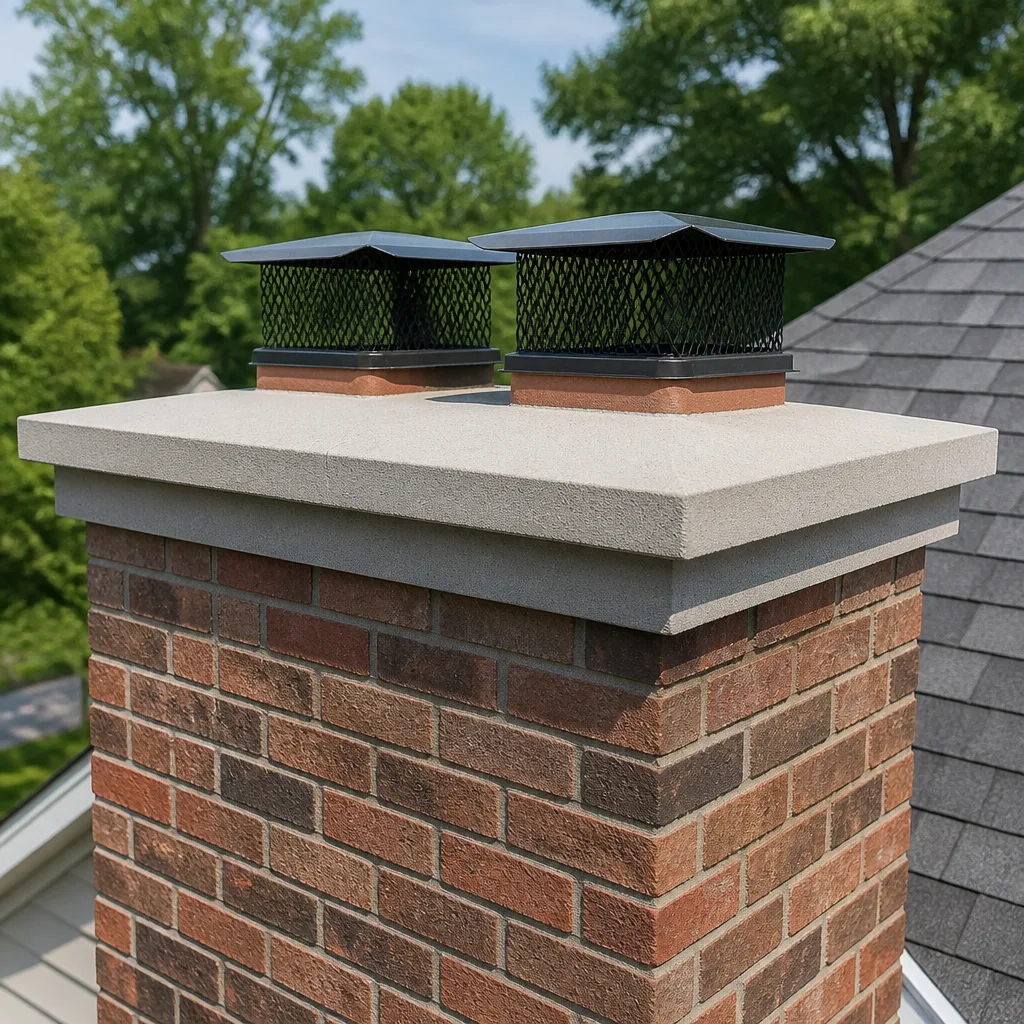
We stock parts for the brands Boston homes actually have, so we’re not waiting on a distributor in Ohio. HeatShield resurfacing systems for unlined and deteriorated flues, Olympia Chimney caps and dampers, and Gelco chimney products are on our trucks and in our Boston supply run. That means when a Roxbury triple-decker needs a HeatShield liner system to bring a shared stack up to code, the materials are on hand and the written quote reflects the honest part cost, not a markup on a two-week backorder.
Common Fireplace Services Problems We See in Boston Homes
- Shared flues in triple-deckers with three different cleaning histories. Dorchester, South Boston, and Roxbury are dense with three-unit rentals sharing one masonry stack. One floor assumes another floor scheduled the sweep, and the flue goes years untouched. We routinely find third-degree creosote glaze in these chimneys, which requires chemical treatment, not a standard brushing.
- Leaning or cracked stacks on Back Bay brownstones. Back Bay is filled tidal land, and a century of differential settlement has left many chimney stacks leaning or cracked at the roofline. A quick clean without a structural look misses the cracked mortar that lets water into multiple units.
- Unlined flues from the 1880s through 1920s. Most Boston chimneys predate modern clay-tile liners. The brick itself is the flue, and old lime mortar erodes under decades of freeze-thaw cycles. Boston averages 43 inches of snow a year and cycles through freezing repeatedly each winter, which spalls brick faces and opens joints.
- Coal-to-oil-to-gas conversion leftovers. A huge share of Boston fireplaces were originally coal-burning. The flue was sized for coal, then oil, then gas, and is now badly oversized for a modern insert or gas log set. That causes condensation, accelerated creosote buildup, and flue damage.
Pricing for Fireplace Services in Boston, MA
Here’s what Boston homeowners should expect to pay, in dollars, on the page. A standard wood-burning fireplace cleaning with camera inspection runs $195-$285. Gas fireplace service runs $145-$225. Damper repair runs $215-$390 depending on the damper type and whether we’re replacing or rebuilding. Fireplace insert service runs $180-$320, and firebox repair starts at $450 and goes up based on the extent of spalling brick and mortar loss. HeatShield resurfacing for an unlined flue in Boston typically falls between $1,800 and $3,200 depending on flue height and access. Every quote is written before work starts, not after the tech is already in your home. Call (857) 567-8887 and we’ll give you a written scope and a written warranty. Estimates are free.
We Also Serve Cities Near Boston
Beyond Boston proper, our crews cover Cambridge, Newton, Milton, and Winchester. Same camera standard, same written-price rule, same 365-Day Done Right Promise. The drive time changes; the documentation does not.
Serving Boston, MA - Our Local Coverage Area
We’re based in the Boston area and know this community well. Use the map below to see our service coverage - if you’re nearby, we can almost certainly help.
FAQs - Fireplace Services in Boston
One cleaning is enough only if the flues are properly separated and each fireplace is inspected individually. In a Dorchester triple-decker, the three fireplaces often share a single masonry stack with separate flue runs, but those flues are rarely independent all the way to the crown. We inspect each firebox, each damper, and each flue run separately, and the camera scan tells us whether a single sweep covers the building or whether each unit has its own creosote problem. The fragmented responsibility pattern is the issue: three tenants mean three different cleaning histories on one chimney. Call (857) 567-8887 and we’ll scope the whole stack and give you one written price for the building.
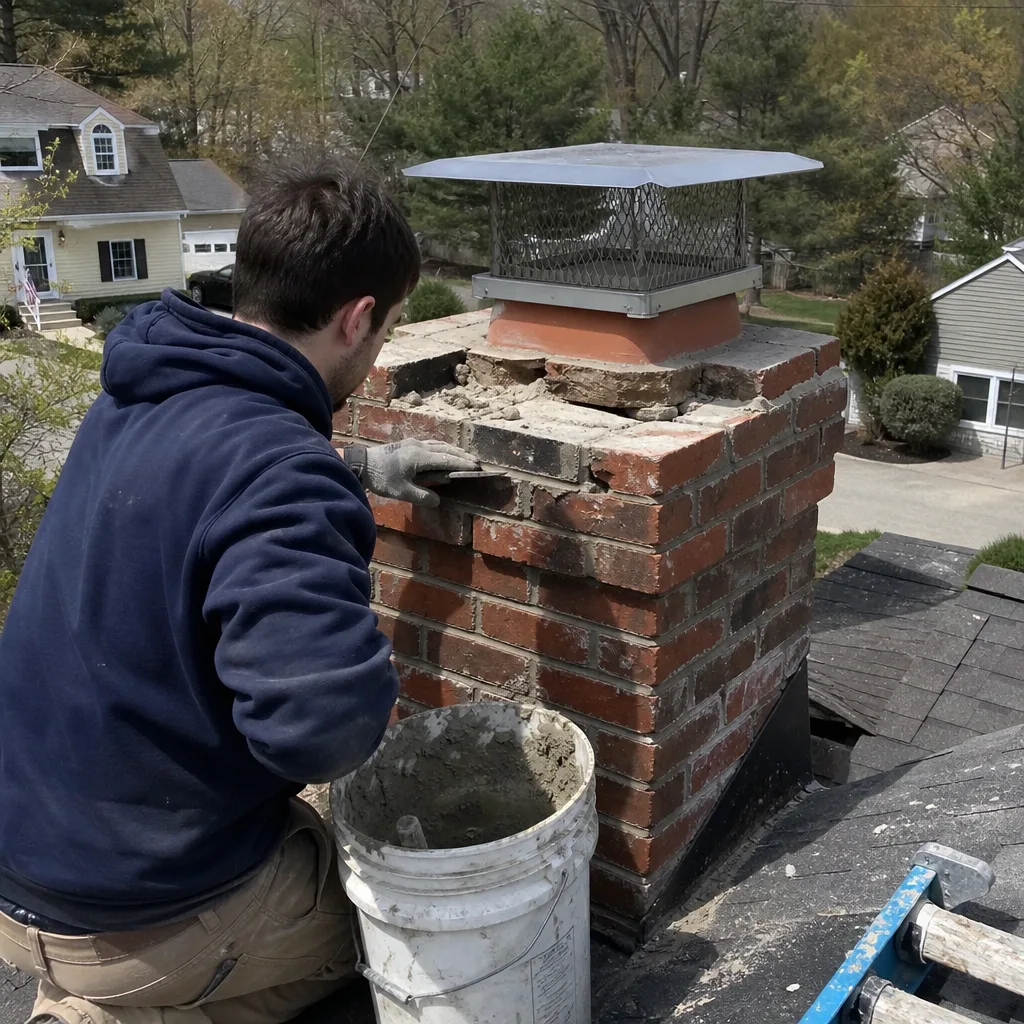
We can clean it safely if the structural condition allows access, and we’ll tell you plainly if it doesn’t. A leaning stack means the mortar joints at the roofline have been failing for a while, and any cleaning we do starts with a structural assessment of that lean. If the chimney is stable enough to work on, we clean it and document every crack we find with the camera. We will not sell you a cleaning and ignore the lean, because that’s exactly the situation where a quick brush without a structural look leaves cracked mortar to leak into multiple units. We’ll show you the photos and tell you what the lean means for the chimney’s life.
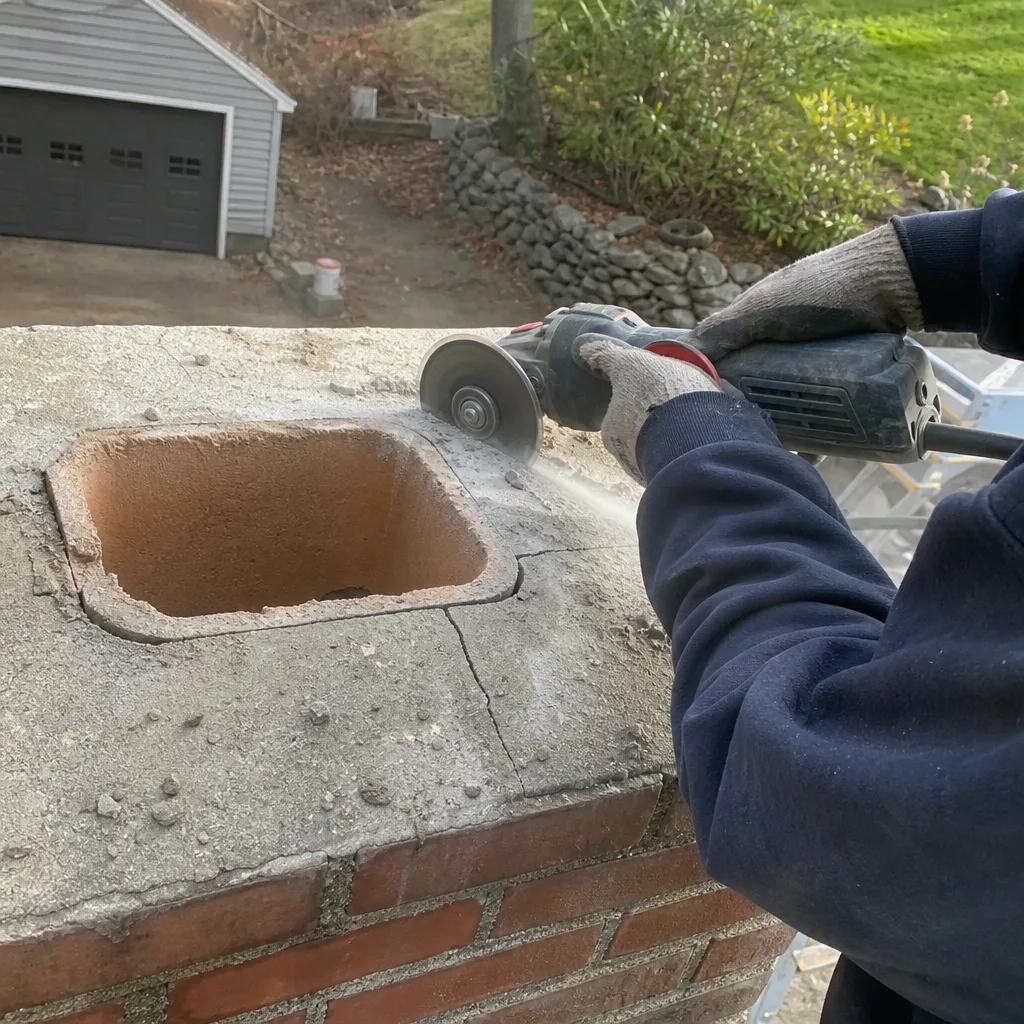
First-degree creosote is a flaky, dusty deposit that brushes out with standard sweeping. Third-degree creosote is a hard, shiny tar glaze bonded to the flue wall, and it happens when fires burn cool and the flue stays wet. In Boston triple-deckers with uncoordinated tenant use, third-degree glaze is common because the flue goes from hot to cold repeatedly and never dries properly. Third-degree creosote requires chemical treatment or mechanical removal, and it’s a chimney fire risk. We document which class you have on camera before any treatment recommendation. Call (857) 567-8887 for an exact written quote.
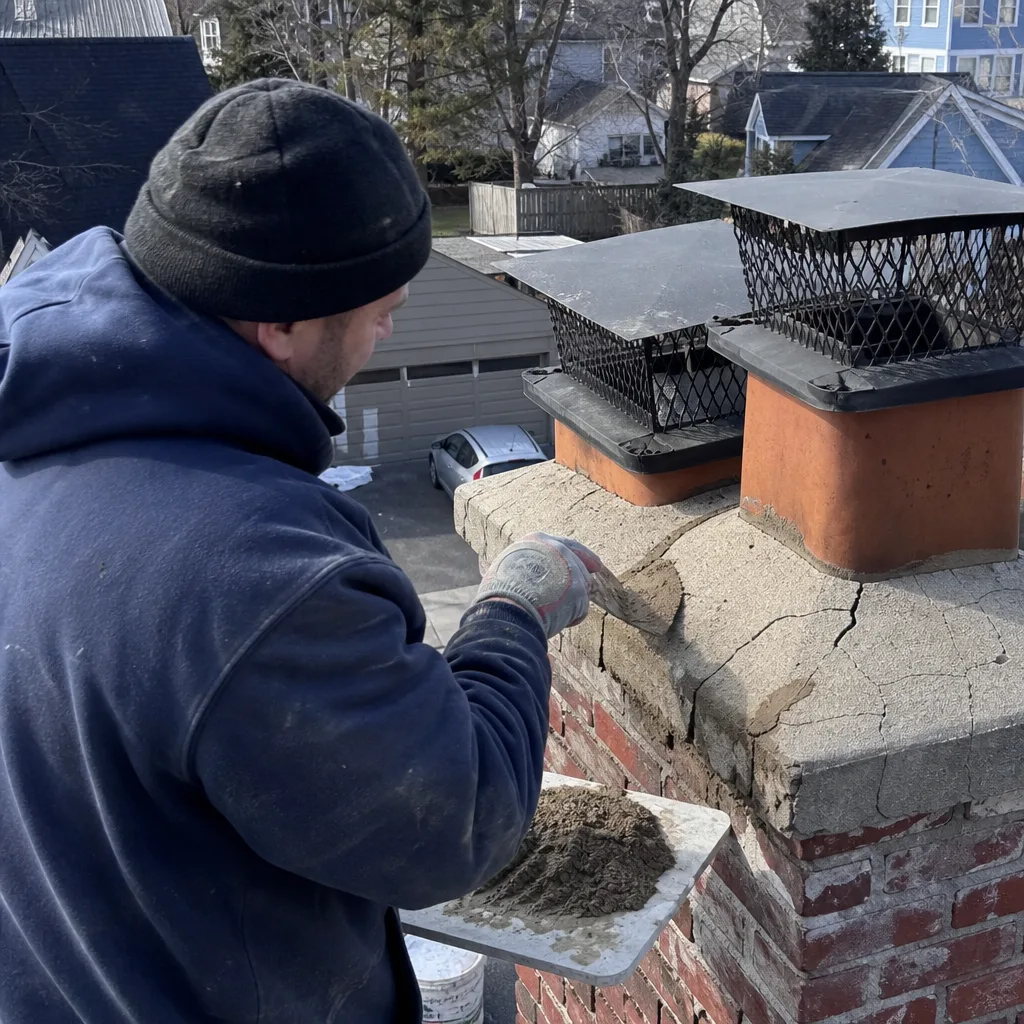
Yes, and here’s why: the flue was sized for coal, then oil, then gas, and is now badly oversized for whatever appliance or fireplace vents into it. An oversized flue cools exhaust too fast, which causes condensation inside the chimney and accelerates the deterioration of old mortar joints and unlined brick. That’s a direct safety issue, not a cosmetic one. We see coal-conversion flues in Boston all the time, and we document the condensation damage on camera before recommending any relining or resurfacing work. Nothing gets recommended without evidence you can see.
You know by having the flue behind the insert camera-scanned. An insert is only as safe as the flue it vents into, and in a 100-year-old Boston chimney, that flue is likely unlined or built from old brick with eroded lime mortar. We run the camera down the flue behind the insert and show you exactly what’s there: intact clay tile, missing mortar, cracks, or a glazed creosote deposit that brushes won’t remove. If the flue is sound, we tell you that plainly and you don’t spend a dollar on unnecessary work. If it’s not, you see the evidence and we quote a written price. Call (857) 567-8887 for a free estimate.
Written by Corrine Halstead, Owner at Level Two Chimney Boston, serving Boston since our founding under the Haven Standard in 2009.