
Last updated September 20, 2026
Level 1 sweep and inspection to the NFPA 211 annual standard - flue, crown, cap, and flashing checked and photographed
Chimney sweep logs do not sweep chimneys. They loosen some creosote - which then falls where a brush and vacuum still have to collect it.
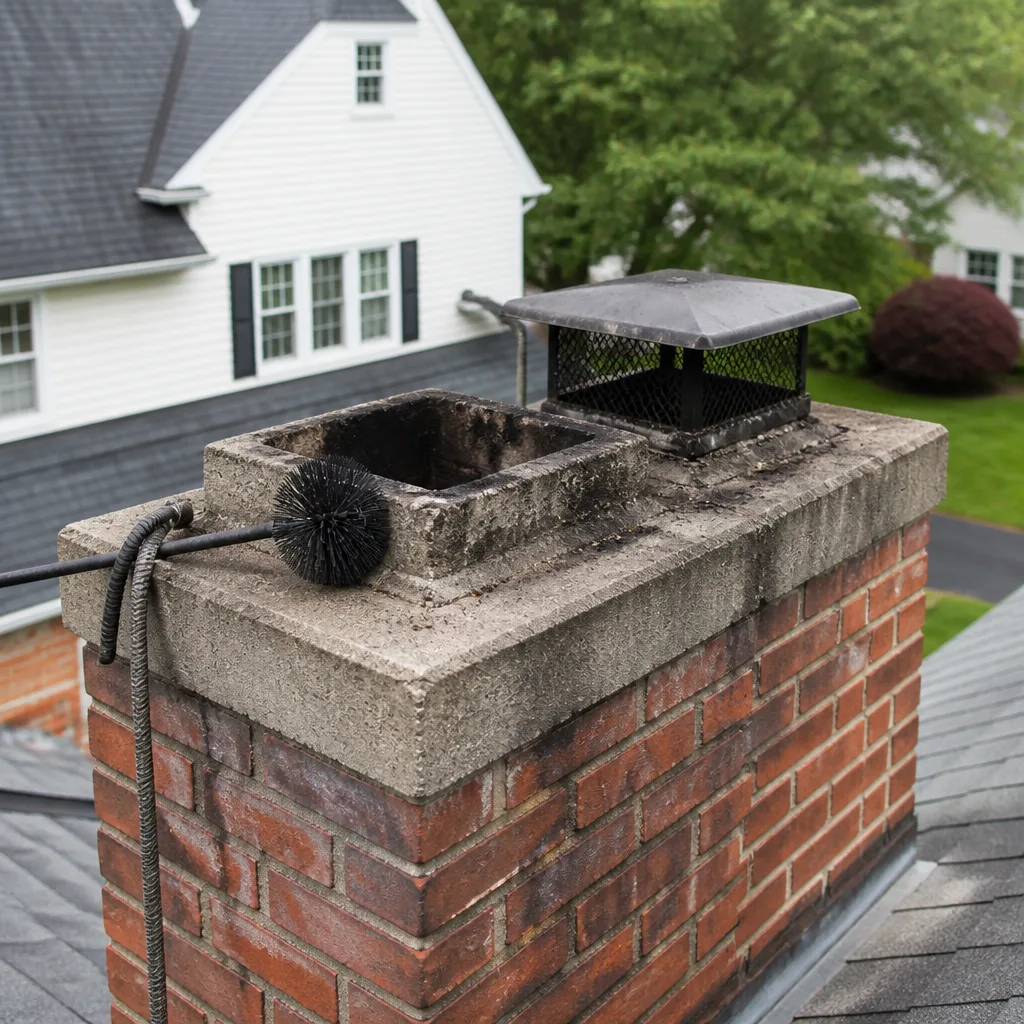
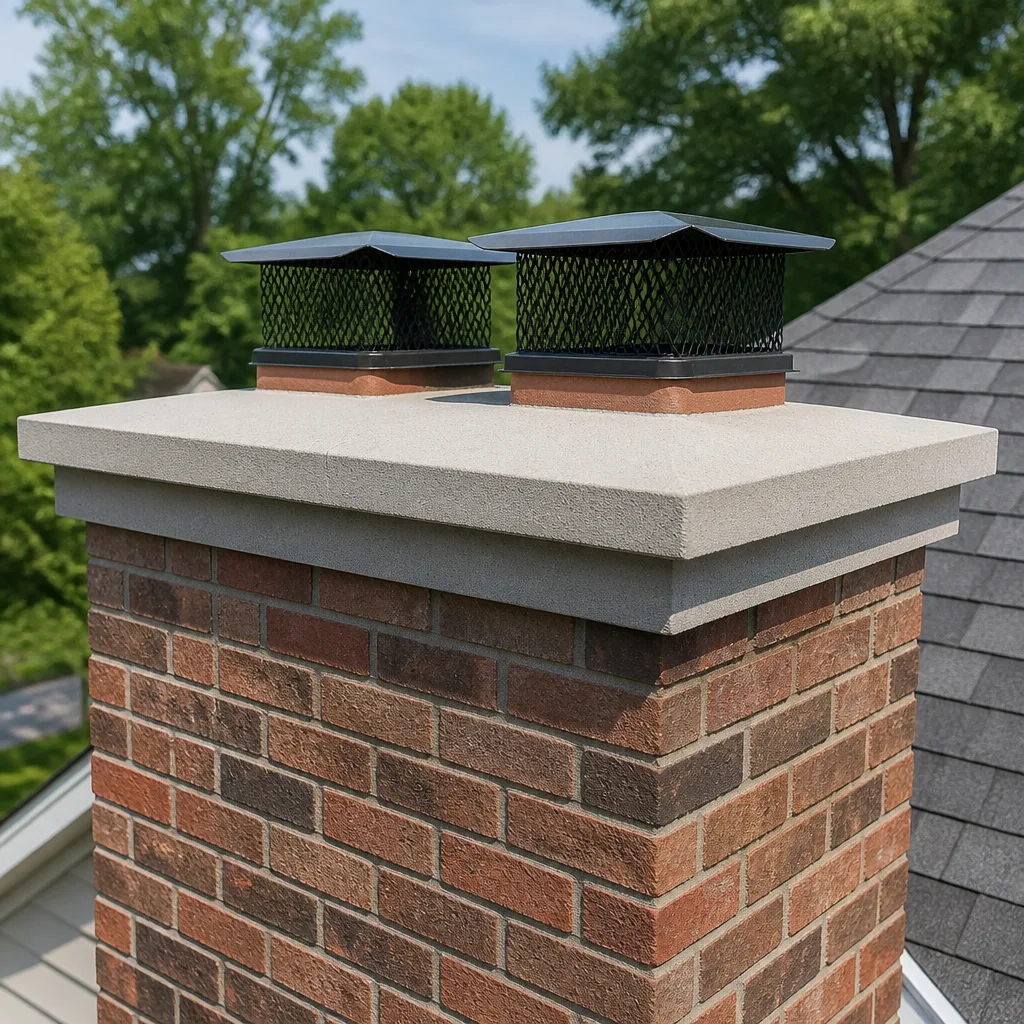
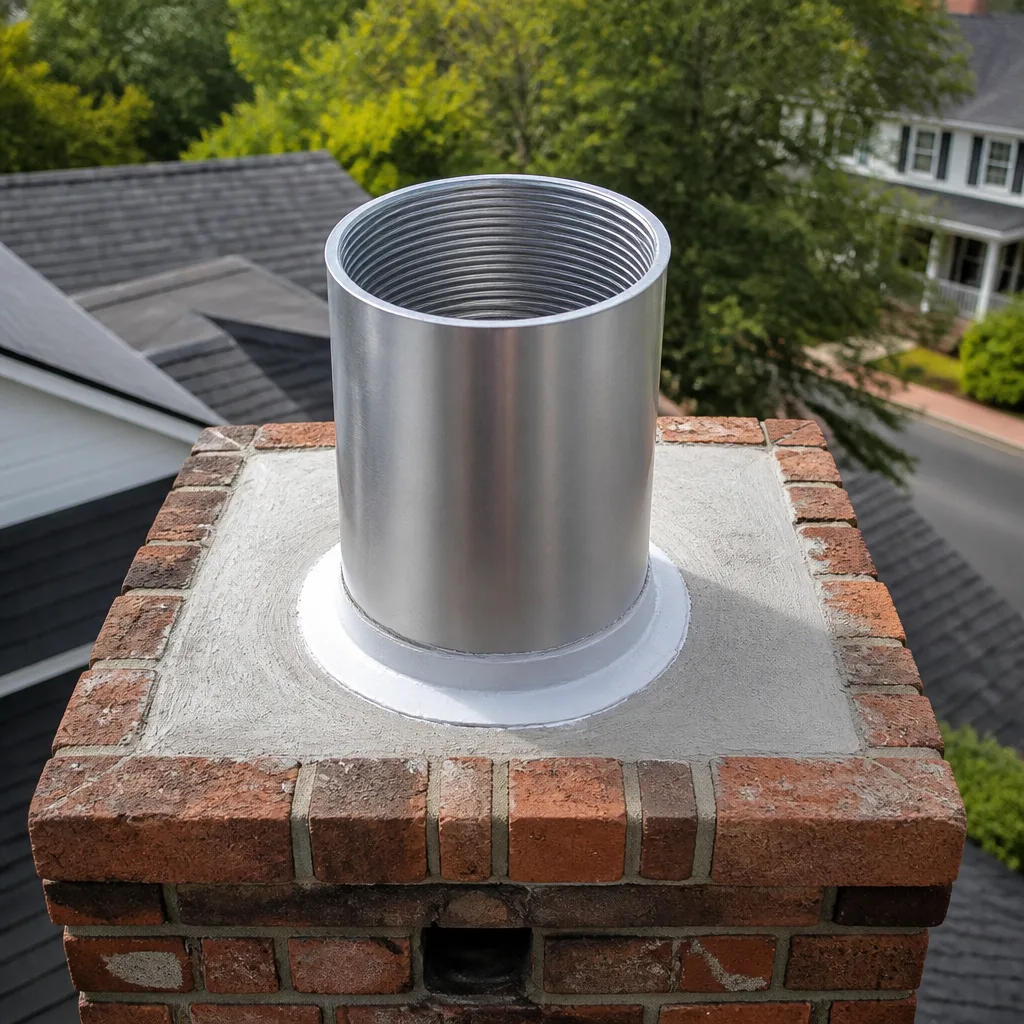
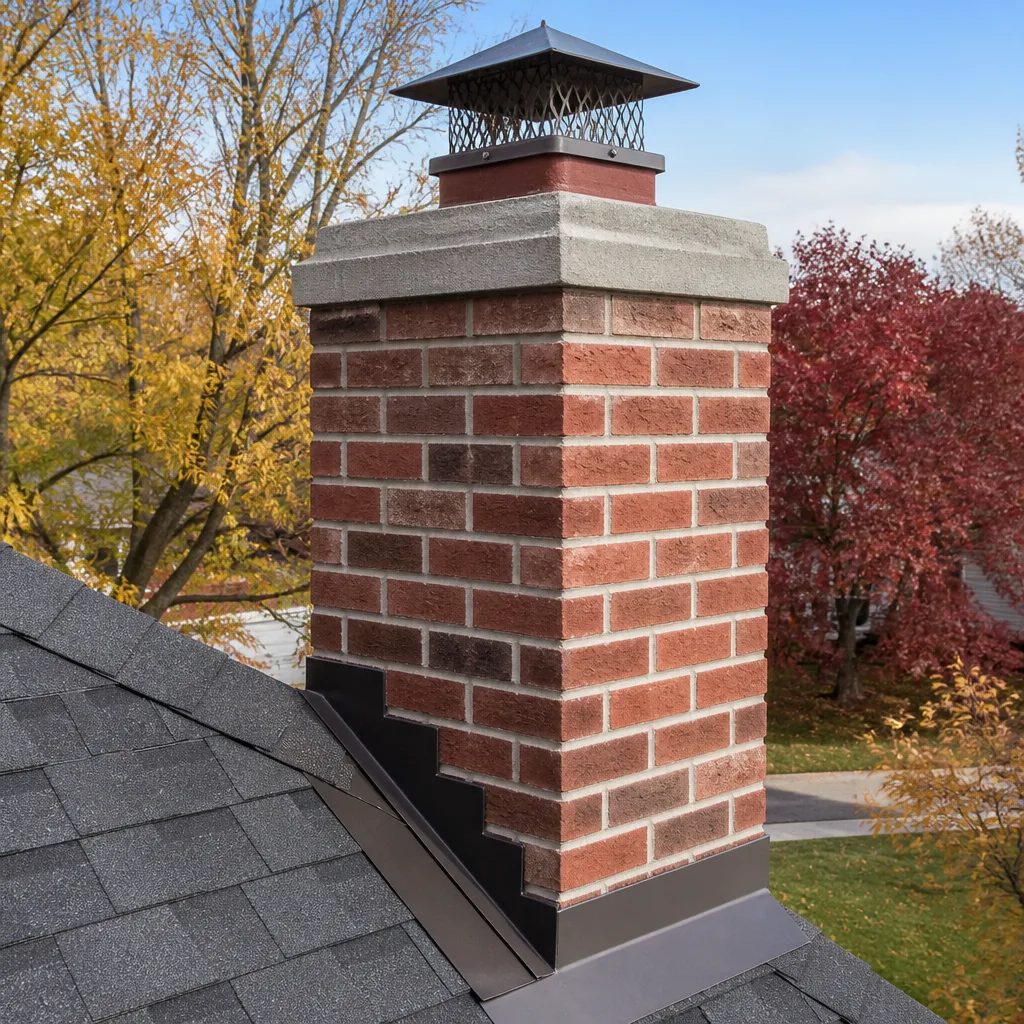
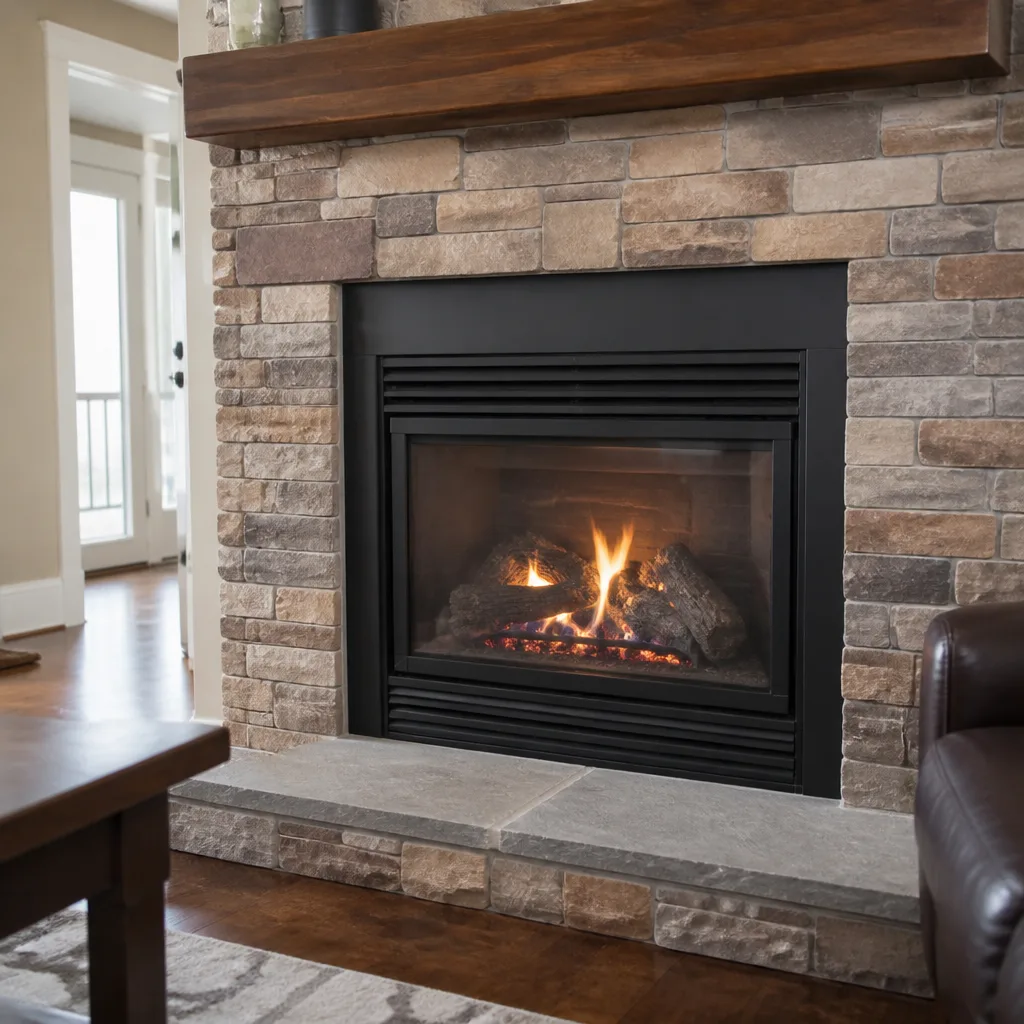
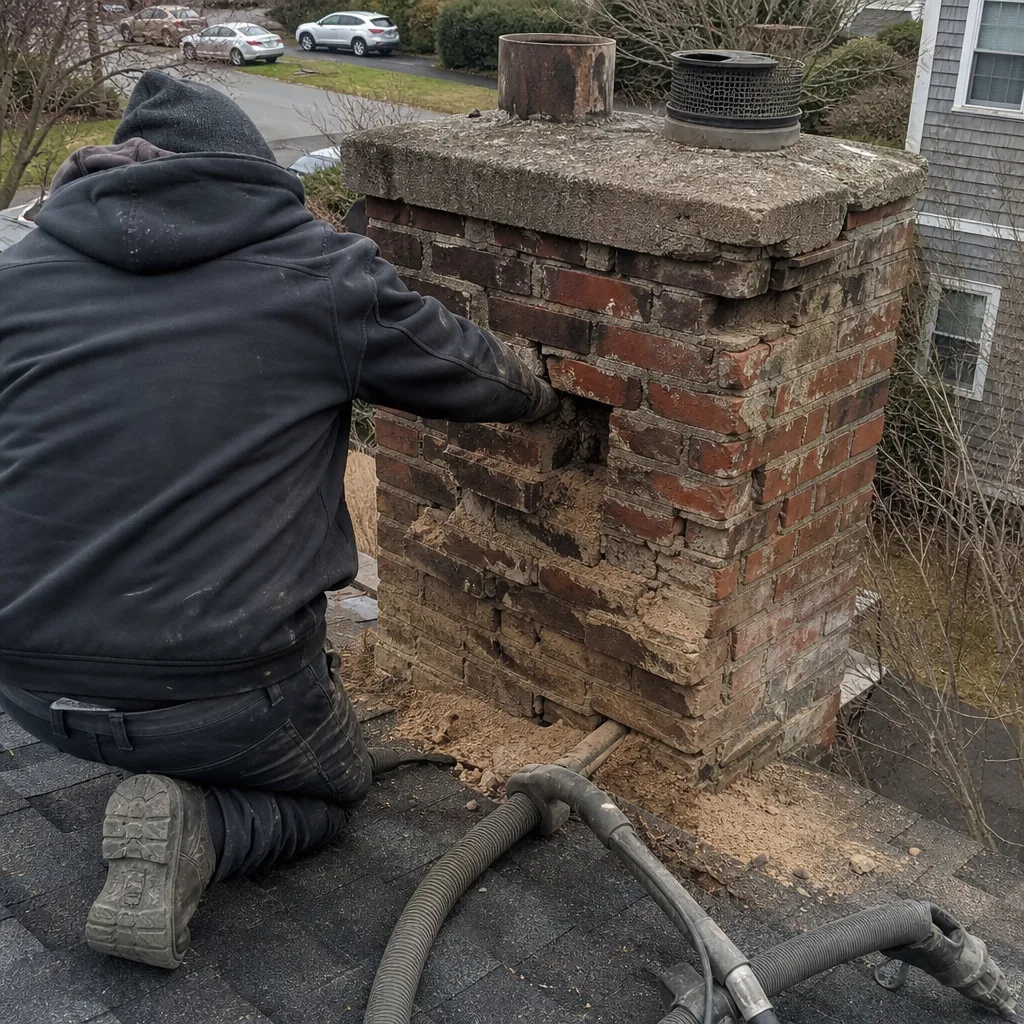 Before
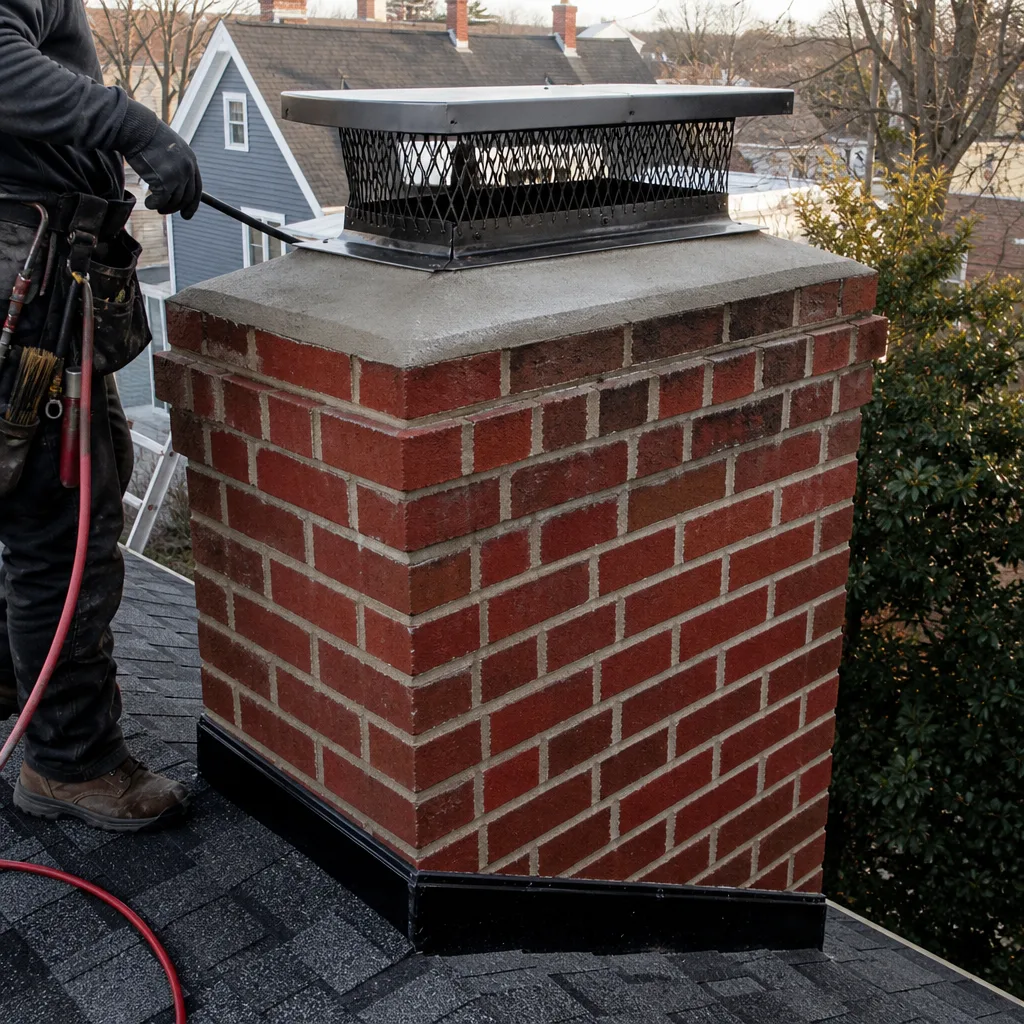 After
After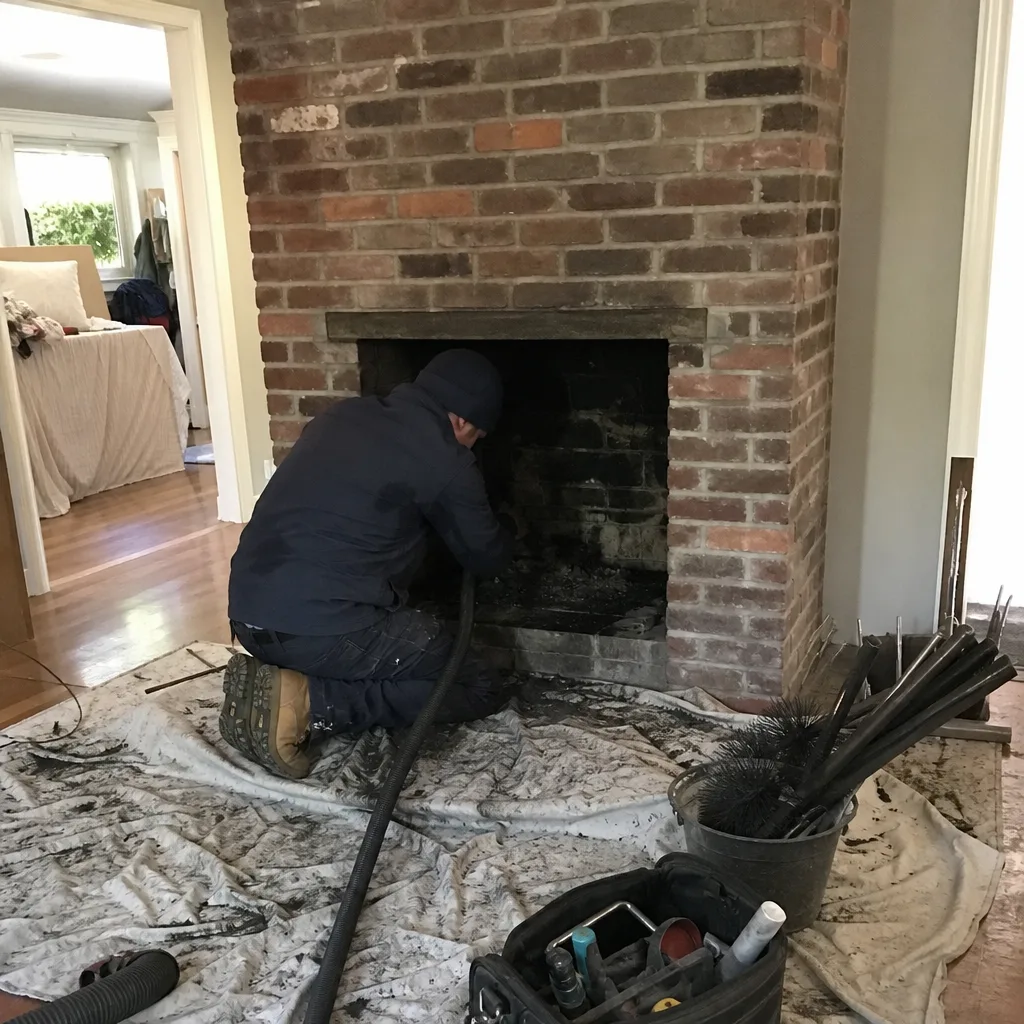 Before
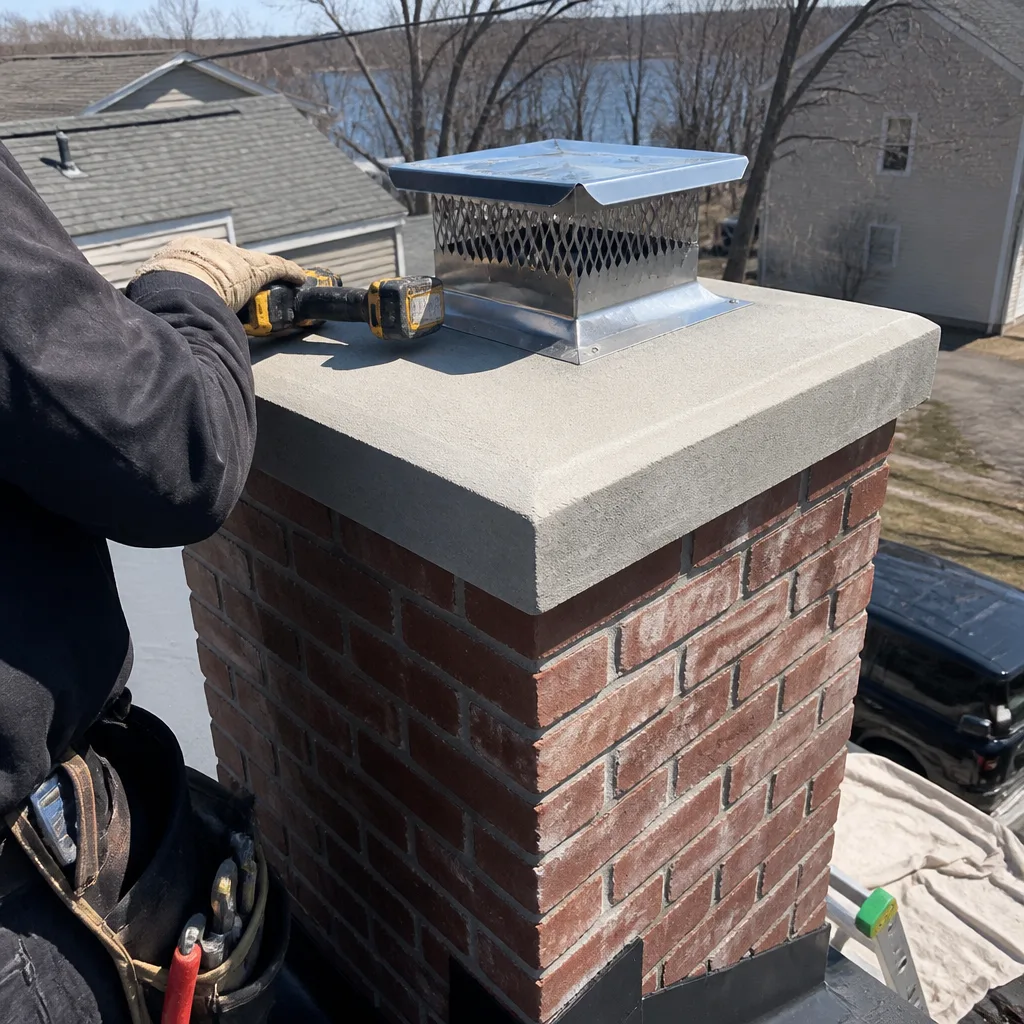 After
After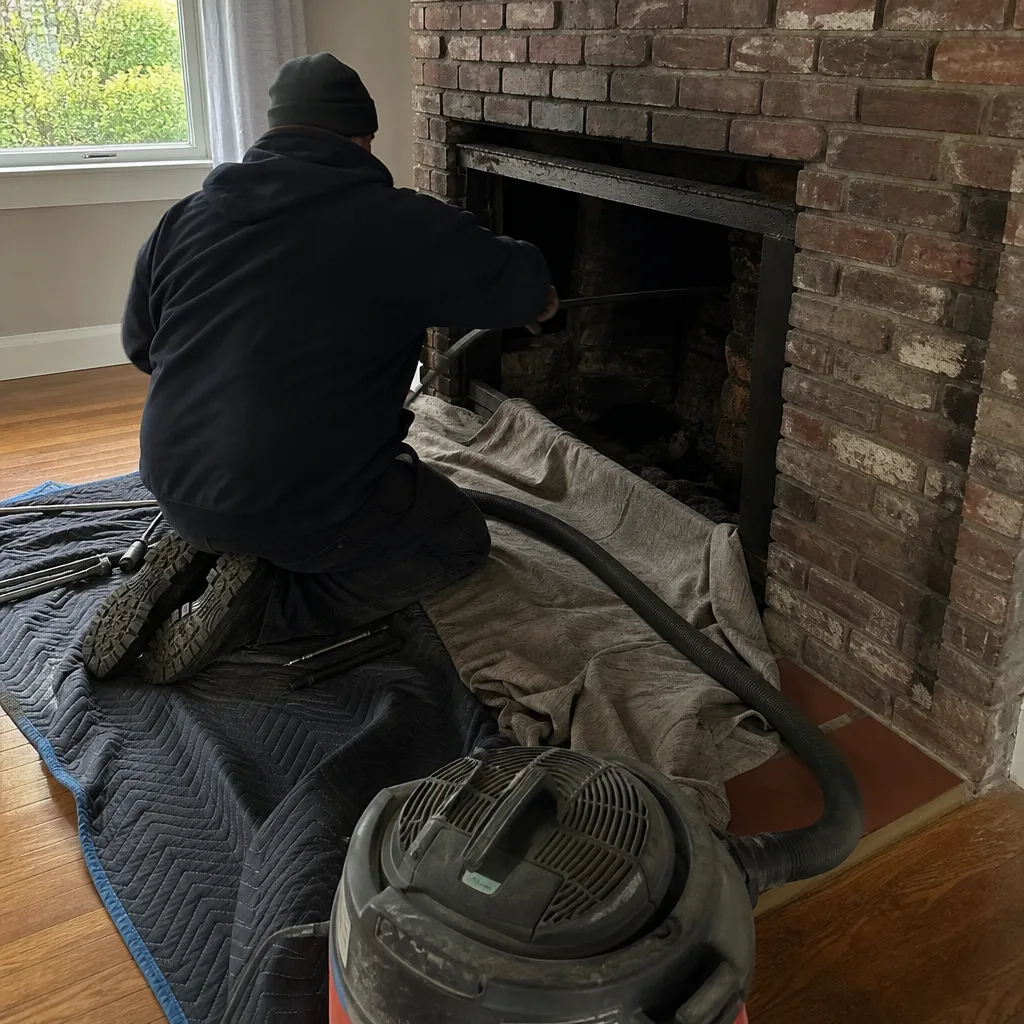 Before
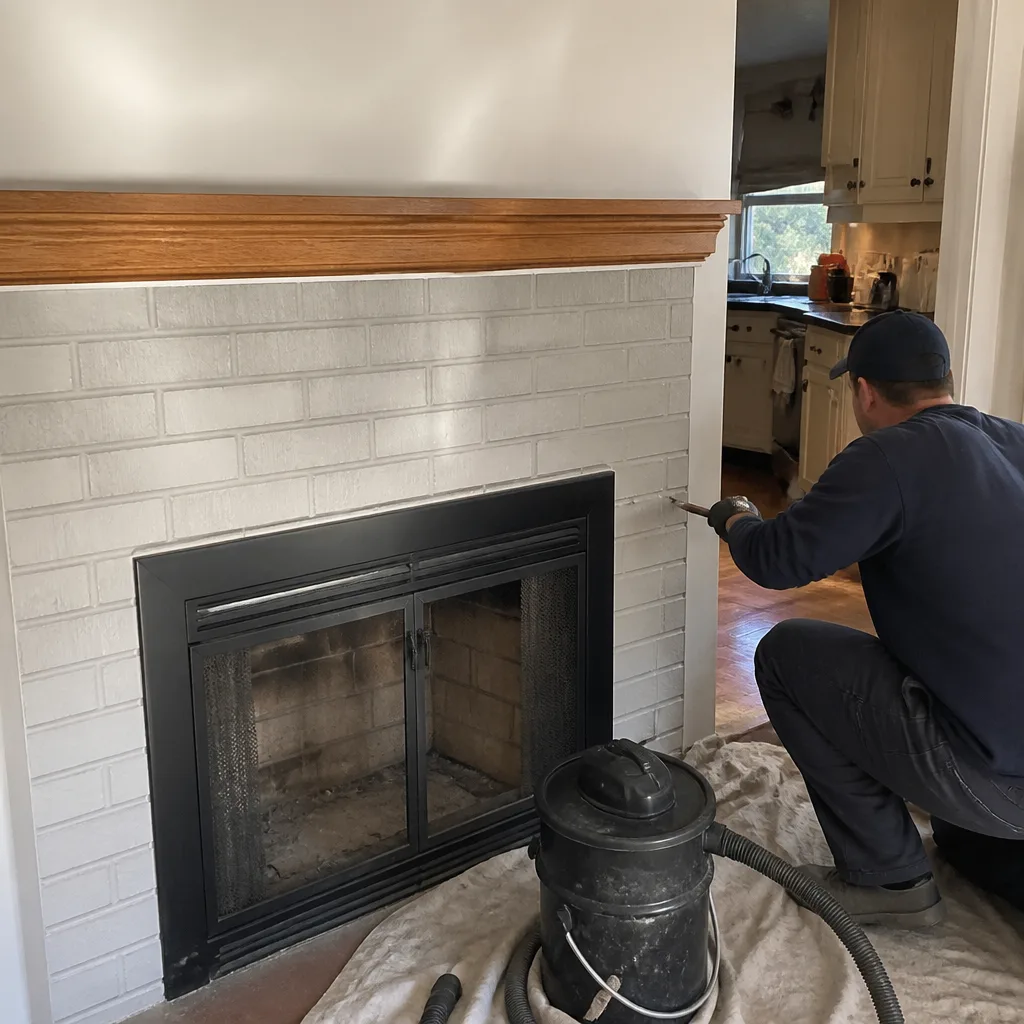 After
AfterHow to Hire a Chimney Cleaning Contractor in Boston: A Step-by-Step Guide
Massachusetts does not require a specific chimney sweep license. Read that again, because it changes how you should hire. In Boston, where housing stock runs from 1890s brownstones in the South End to 1980s colonials in West Roxbury, anyone with a brush and a business card can call themselves a chimney cleaner. The credential that actually matters is not a state card. It’s whether the contractor puts a written price and a written scope in your hand before touching the flue, and whether they document what they found with a camera, not a flashlight. This guide-and our more guides & resources-show you how to tell the difference before the truck leaves your driveway.
Quick Answer
To hire a chimney cleaning contractor in Boston, you should verify that the company uses a camera-scan inspection under NFPA 211 Level 2 protocol, provides a written price and scope before any work begins, and documents the job with photos you can actually see. Ask three phone questions: “Is the inspection done with a camera down the flue?”, “Do I get a written quote before you start?”, and “What documentation do I walk away with?” If the answer to any of these is vague, keep looking.
Table of Contents
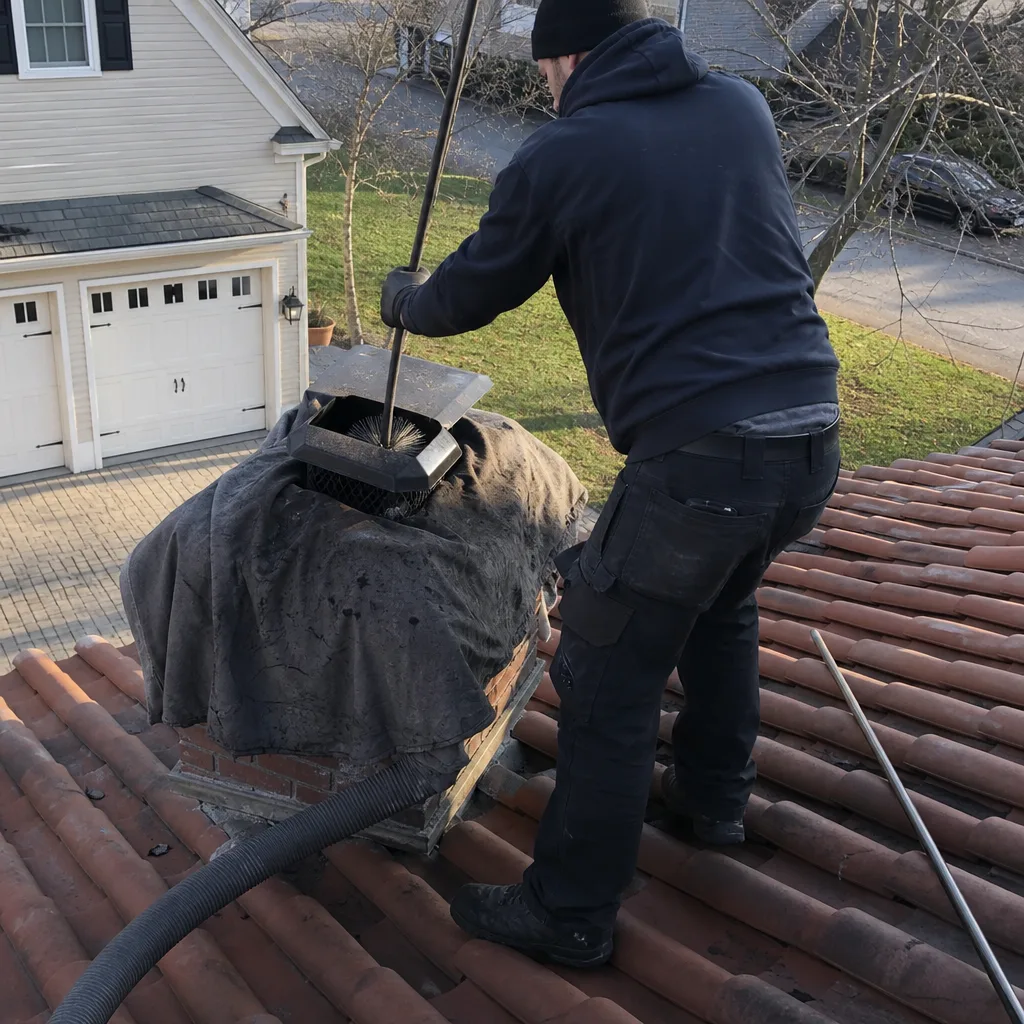
- Why Hiring a Chimney Contractor in Boston Is Different
- The Three Questions That Separate Camera Companies from Flashlight Operations
- What CSIA Certification Actually Covers (and What It Doesn’t)
- How to Read a Chimney Cleaning Quote in Boston
- Why a Written Warranty with a Defect Scope Beats a Verbal Promise
- How to Request Documentation for Insurance or a Home Sale
- Red Flags That Should End the Call
- The Full Hiring Process, Step by Step
BeforeAfterWhy Hiring a Chimney Contractor in Boston Is Different
Boston’s housing stock is old, and old chimneys fail in predictable ways. We’ve worked on chimneys in Dorchester triple-deckers built in 1910 with unlined flues that were never brought up to code. We’ve seen caps rusted through on Colonials in Milton and crowns spalling on Victorians in Cambridge. The city’s freeze-thaw cycle does specific damage: water seeps into the crown’s hairline cracks, freezes, expands, and pops the masonry apart over a single winter. That’s before you account for the salt air that accelerates metal deterioration if you live within a few miles of the harbor in South Boston or East Boston.
But the harder problem is that Massachusetts leaves chimney sweeping largely unregulated. There’s no state chimney sweep license, no mandatory inspection standard for most residential work, and no requirement that a contractor document what they found. That means two companies can both claim to “clean and inspect” your chimney for roughly the same price, while one does a camera scan under proper chimney cleaning and sweep protocol in Boston and the other looks up the flue with a flashlight from the firebox. You, the homeowner, cannot tell the difference from the invoice. Most contractors know this. The good ones solve it with documentation; the bad ones count on you not asking. Our team has been operating under this standard since 2009, and we’ve built our process around closing exactly that information gap.
Boston also has local quirks that affect how a chimney should be serviced. Homes in the Back Bay and Beacon Hill often share party walls, which means a chimney issue in one unit can be a fire-separation issue for the neighbor. Older homes in Jamaica Plain and Roslindale frequently have chimneys that were retrofitted for gas appliances during the oil-to-gas conversion wave of the 1980s and 90s, and those retrofits did not always include a properly sized liner. A contractor who works across Boston regularly will know to check for these things, including chimney cleaning permits, codes & inspections in MA that may apply. A contractor who just runs a brush up the flue won’t.
The Three Questions That Separate Camera Companies from Flashlight Operations
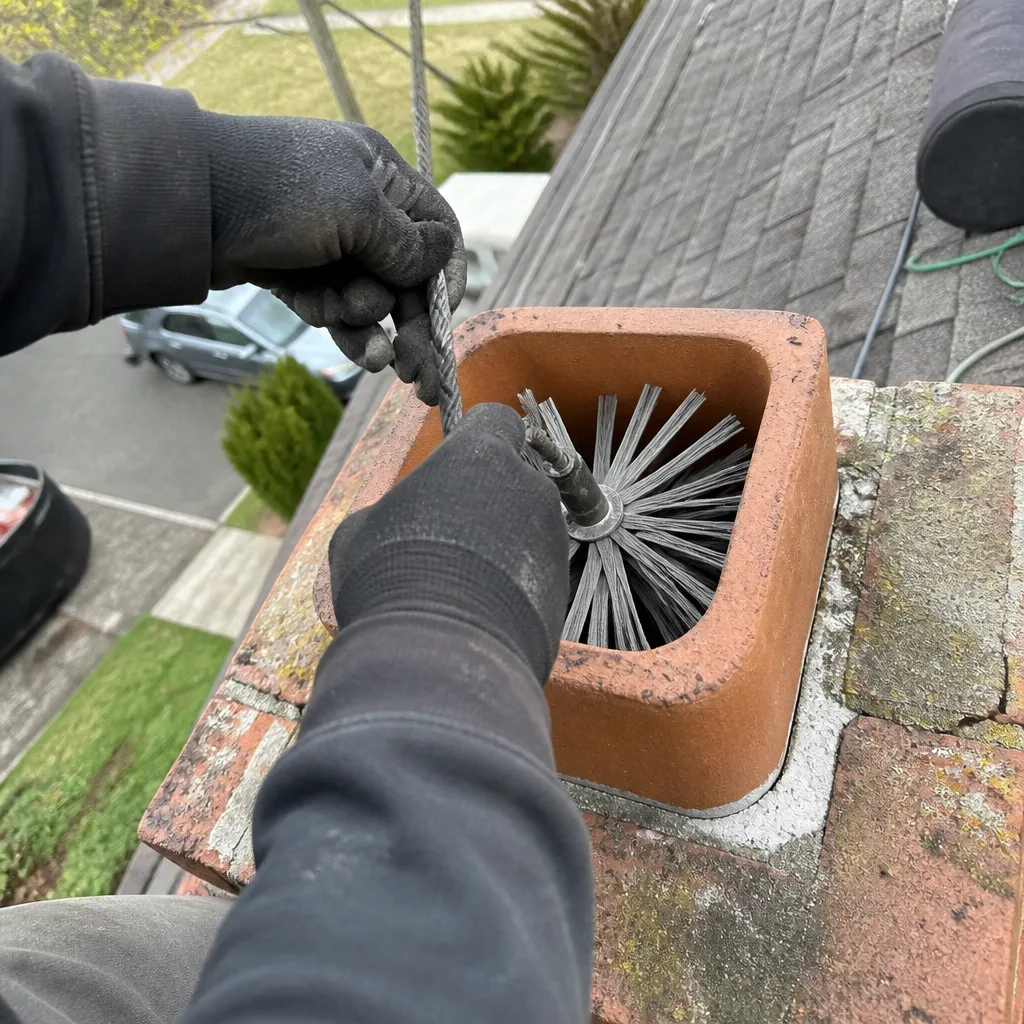
Before you schedule anything, make the call and ask these three questions. Write down the answers. The difference in responses tells you almost everything you need to know about how the job will go.
- “Is the inspection done with a camera down the flue, not just a flashlight?” A proper Level 2 inspection per NFPA 211 requires internal examination of the flue with a camera. A flashlight only shows the first few feet from the top or bottom. If the contractor hesitates, says “we do a visual inspection,” or charges extra for camera work, you’re talking to a flashlight operation. At Level Two Chimney Boston, every visit includes a camera-scan inspection as standard, and we’ve operated that way since 2009. It became Clause 4 of the Haven Standard: a documented photo record on every job.
- “Do I get a written price and scope before anyone starts working?” This is the single most telling question. A company that cannot commit to a written price before the tech arrives is planning to sell you something once they’re in your living room. A company that refuses to put the scope in writing is telling you the scope might change after you’ve already said yes. Haven Standard Clause 1 exists precisely because of this: a written price, written scope, and written warranty delivered before anyone starts, not after the tech is already in your home.
- “What do I walk away with when the job is done?” The right answer includes photos, a written report, and a written warranty with a specific defect scope. The wrong answer is “a clean chimney.” You can’t see a clean flue from your living room. You need evidence. If the contractor looks confused by this question, that’s your answer.
In our experience, these three questions do the filtering work for you. We’ve had customers in Newton and Brookline call us after another company failed one of these three on the phone. The difference in price between a camera inspection and a flashlight check in the Boston market is often zero to fifty dollars. You’re not being asked to pay more for rigor. You’re being asked to choose a contractor who bothered to buy a camera.
What CSIA Certification Actually Covers (and What It Doesn’t)
The Chimney Safety Institute of America (CSIA) is the industry’s main certification body. A CSIA-certified sweep has passed an exam on combustion, draft, codes, and inspection standards. That exam is real, and certification means the technician has demonstrated baseline knowledge. Many reputable Boston-area sweeps hold it, and you should prefer a certified tech over an uncertified one.
But here’s what CSIA certification does not guarantee. It does not require that every job include a camera-scan Level 2 inspection. It does not require that a written price be provided before work begins. It does not require that the company document findings with photos. A CSIA-certified sweep can still do a flashlight-only check, quote verbally, and leave you with nothing in writing. Certification covers knowledge. It does not cover protocol.
Corrine Halstead, our owner, has been clear about this distinction since Level Two Chimney Boston started: certification tells you the technician knows the book. The Haven Standard tells you the company follows a documented procedure. Both matter. But if you’re choosing between two certified sweeps, and one says “we camera-inspect every flue and hand you photos,” that’s the one to hire. If a contractor waves a CSIA card at you but won’t answer the three questions from the previous section, the card doesn’t fix that.
You’ll also see NFPA 211 referenced on websites and invoices. NFPA 211 is the National Fire Protection Association standard for chimneys, fireplaces, vents, and solid fuel burning appliances. It defines three levels of inspection. Level 1 is for routine service when nothing has changed. Level 2 is required when there’s a change in occupancy, a change to the system, or after an event like a chimney fire or seismic activity. A Level 2 is what you want as part of a cleaning, because it’s the level that involves internal camera inspection of the entire flue. When a contractor says “inspection included,” ask which level. If they can’t answer, they’re selling a Level 1 and calling it a Level 2.
How to Read a Chimney Cleaning Quote in Boston
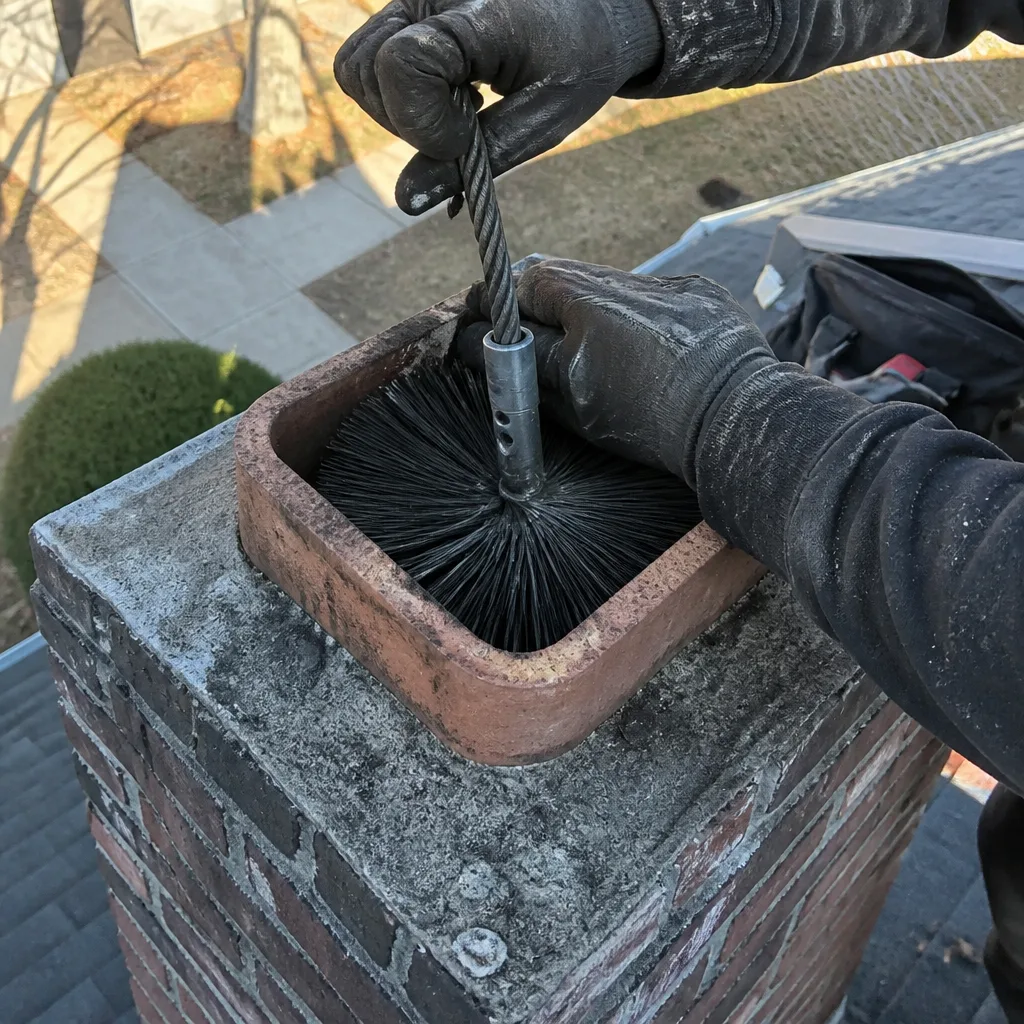
A chimney cleaning quote in Boston should be a line-item document, not a single number scrawled on a card; see our Chimney Cleaning Cost Breakdown: The Boston Homeowner’s Reference for 2026 for typical ranges. Here’s what a proper quote includes, what’s suspicious, and what “inspection included” actually means.
Line items you should see:
- Chimney sweep service - the actual brushing of the flue, removing creosote and soot. This should be a flat rate or a range tied to the flue size and accessibility, not an hourly open-ended charge.
- Level 2 camera inspection - if this is not a separate line item, it’s not happening. A camera inspection takes time and equipment. It does not come free as a courtesy. If the quote says “inspection included,” ask whether that means Level 1 or Level 2 and whether the camera scan is part of it.
- Documentation / photo report - in our case, Clause 4 of the Haven Standard requires a documented photo record on every job. If your quote doesn’t mention documentation, you’ll likely get a receipt and nothing else.
- Any repair or replacement item - described in plain language: the component, the condition, the recommended fix, and the price. Not “liner needed $4,500.” It should say what’s wrong with the liner and why it needs replacement.
Red flags on a quote:
- A single all-in number with no breakdown. You should know what the cleaning costs and what the inspection costs separately.
- “Inspection” priced at zero. If the inspection is free, it’s either not a real Level 2 inspection, or the company is planning to make its money on follow-up repair work. Either way, the economics don’t work for you.
- Repair recommendations with no photos. Any legitimate structural recommendation, whether it’s a liner replacement or a crown rebuild, should come with camera evidence you can see. If the tech says “trust me, the liner is cracked” and offers no visual proof, get a second opinion. We offer a free second opinion on any written chimney repair estimate in Boston for exactly this reason.
- Verbal additions after the fact. If the quote changes after the tech has been in your home for an hour, without a new written amendment, that’s not a quote. That’s a negotiation you weren’t told you were having.
In Boston, a standard chimney sweep and Level 2 inspection typically runs between $250 and $450 depending on flue height, roof access, and whether the chimney is shared between units. If you’re being quoted under $150 for both, you’re almost certainly getting a brush-only job with no camera and no report. If you’re being quoted over $600 for a routine cleaning with no repairs, ask what’s in the line items. Reputable companies with real overhead exist in the middle range. The lower outliers and the upper outliers both have explaining to do.
Why a Written Warranty with a Defect Scope Beats a Verbal Promise
Every contractor says they stand behind their work. Almost none of them put it in writing with a defined scope. That’s what separates a real warranty from a verbal comfort blanket.
A legitimate written warranty should cover two things: the workmanship on the specific job performed, and the materials installed, with the manufacturer’s warranty period named. If a contractor installs a liner, the warranty should name the liner brand and material. We source from manufacturers like DuraFlex, HeatShield, and Copperfield through a buying network that keeps pricing accountable, and we tell you exactly what was installed and what the manufacturer’s warranty covers. A contractor who says “we use good materials” without naming them is not giving you a warranty. They’re giving you a hunch.
The defect scope matters just as much. A warranty that says “we guarantee the chimney is safe” is worthless, because it defines nothing. A warranty that says “the flue liner, crown, and cap are free of manufacturer defects for the listed period” is specific. You can hold someone to it. Our 365-Day Done Right Promise is simple: if it’s not done right, we make it right. That’s stamped on every job under the Haven Standard. But the manufacturer warranties are spelled out line by line, because that’s what you actually need if something fails eighteen months from now.
Here’s the test: ask a contractor to show you their written warranty before you book. If they pause, they don’t have one. If they say “we do right by our customers, don’t worry,” that’s a verbal promise with no defect scope and no term. In Boston’s winter cycles, you want the document. Chimney work fails slowly and seasonally. The crack that develops in November may not show symptoms until February. A written warranty is the only thing that survives the gap between when the work is done and when the problem appears.
How to Request Documentation for Insurance or a Home Sale
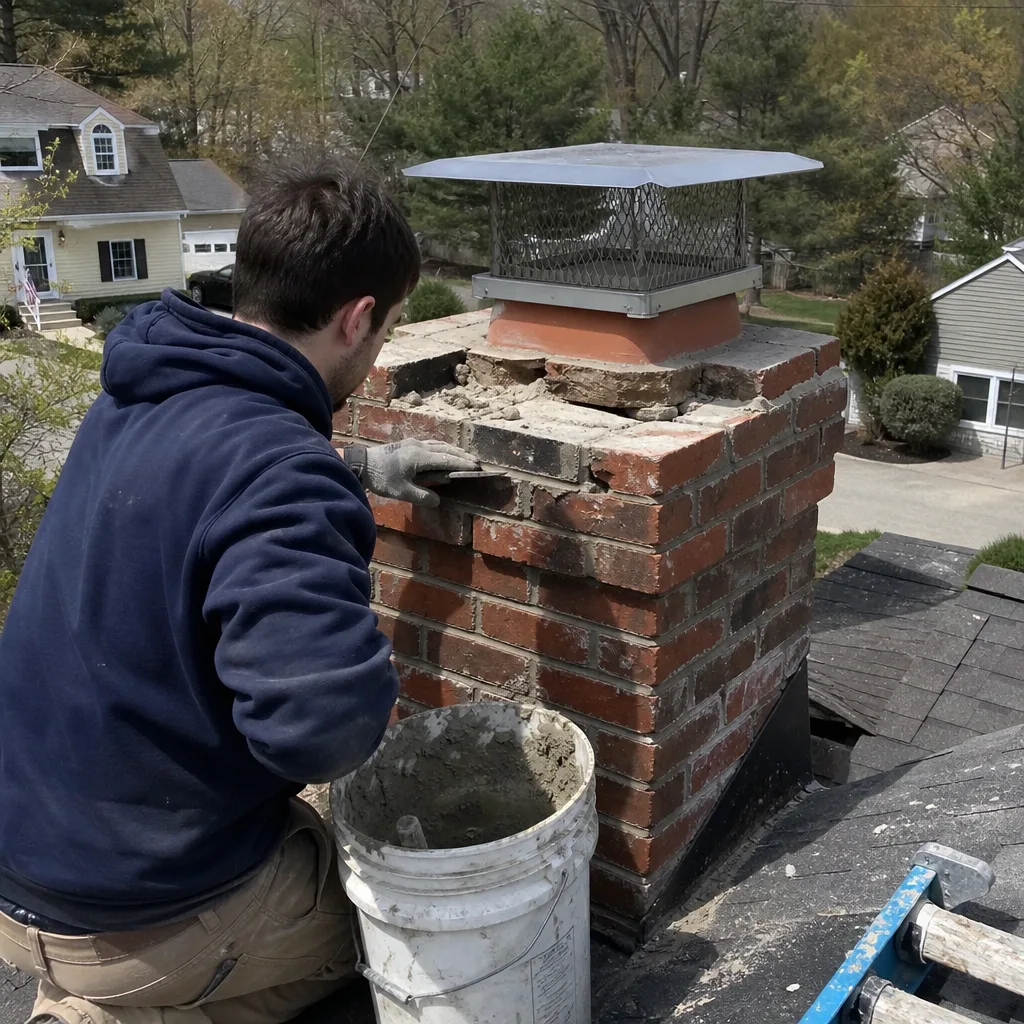
If you’re selling a home in Boston, your buyer’s home inspector will flag the chimney as a review item. If you’re making an insurance claim after a chimney fire, your insurer will ask for proof of maintenance. Both situations require the same thing: a written inspection report with camera documentation. Here’s what to ask for, and which contractors will balk at it.
The exact wording to use: “Can you provide a written inspection report with photo documentation that my insurer or a buyer’s inspector can review?”
A legitimate contractor says yes, and hands you a report with dated photos, a condition assessment in plain language, and the technician’s name and credentials on the document. At Level Two Chimney Boston, this is standard: every job ends with a documented record under Haven Standard Clause 4, and that record has been part of our process continuously since 2009. A contractor who hesitates, says they can “type something up later,” or asks why you need it is telling you they don’t document their work in a way that survives outside scrutiny.
For insurance specifically, the report should note the condition of the flue before and after cleaning, any creosote deposits observed and their classification, and whether the chimney is clear for use. If a chimney fire occurs and you can’t produce a maintenance record, the insurer may deny the claim on the basis of neglected maintenance. That’s not a hypothetical. We’ve had customers come to us after a chimney fire in a Quincy home, and the first thing the adjuster asked for was the last cleaning record. The homeowners who had one were in a far better position than the ones who didn’t.
For a home sale, Boston buyers closing on old housing stock increasingly request a Level 2 fireplace and chimney inspection as a condition of sale. That’s the camera scan, and it should be done by a company that provides the report in writing. A buyer’s attorney will accept a documented Level 2 report. They will not accept a receipt that says “chimney cleaned, all good.” If you’re the seller, pay for the real inspection once and share the report. If you’re the buyer, never accept a verbal summary from the seller’s contractor. Ask for the document. Contractors who can’t produce it never actually did the work to the standard the document requires.
Red Flags That Should End the Call
Some contractors eliminate themselves quickly if you know what to listen for. Here are the patterns we hear about most from customers in the Boston area.
- The price is too low to include a camera inspection. A full sweep plus Level 2 camera inspection in Boston should not cost $99. For that price, the company is running a brush and billing for a cleaning, and the inspection doesn’t exist.
- They can’t name the flue liner material they’d install. A contractor who installs liners should be able to say “stainless steel, 316L alloy” or similar in their sleep. If the answer is “the good stuff,” you’re talking to a sales rep, not a technician. We use materials from brands like DuraFlex and HeatShield, and we can tell you exactly what’s going into your chimney and why.
- They pressure you to decide before leaving. Urgency theatre is a sales pattern, not a diagnosis pattern. A real finding can wait for a written quote and your decision. “This liner is dangerous, I can do it today for a discount if you sign now” is a script. A dangerous liner is dangerous tomorrow too, and a legitimate contractor will want you to see the camera evidence and make an informed decision.
- They won’t give you photos. In 2026, every contractor has a phone camera. If the tech found a crack in your liner but “couldn’t get a good picture,” that finding is an assertion, not evidence. Get a second opinion before agreeing to major work.
- They mention no local context. A contractor who has worked in Boston knows about party walls in the Back Bay, freeze-thaw damage on exposed crowns, salt air near the coast, and the common unlined-flue issue in pre-1920 Dorchester housing. If the tech seems confused by basic references to your neighborhood or home era, they may be new to this market.
- No written warranty exists. We’ve covered this, but it’s worth repeating in the red flags list because it’s the cheapest filter you have. Ask to see the warranty document. If they don’t have one, you’re relying on a stranger’s verbal goodwill.
The Full Hiring Process, Step by Step
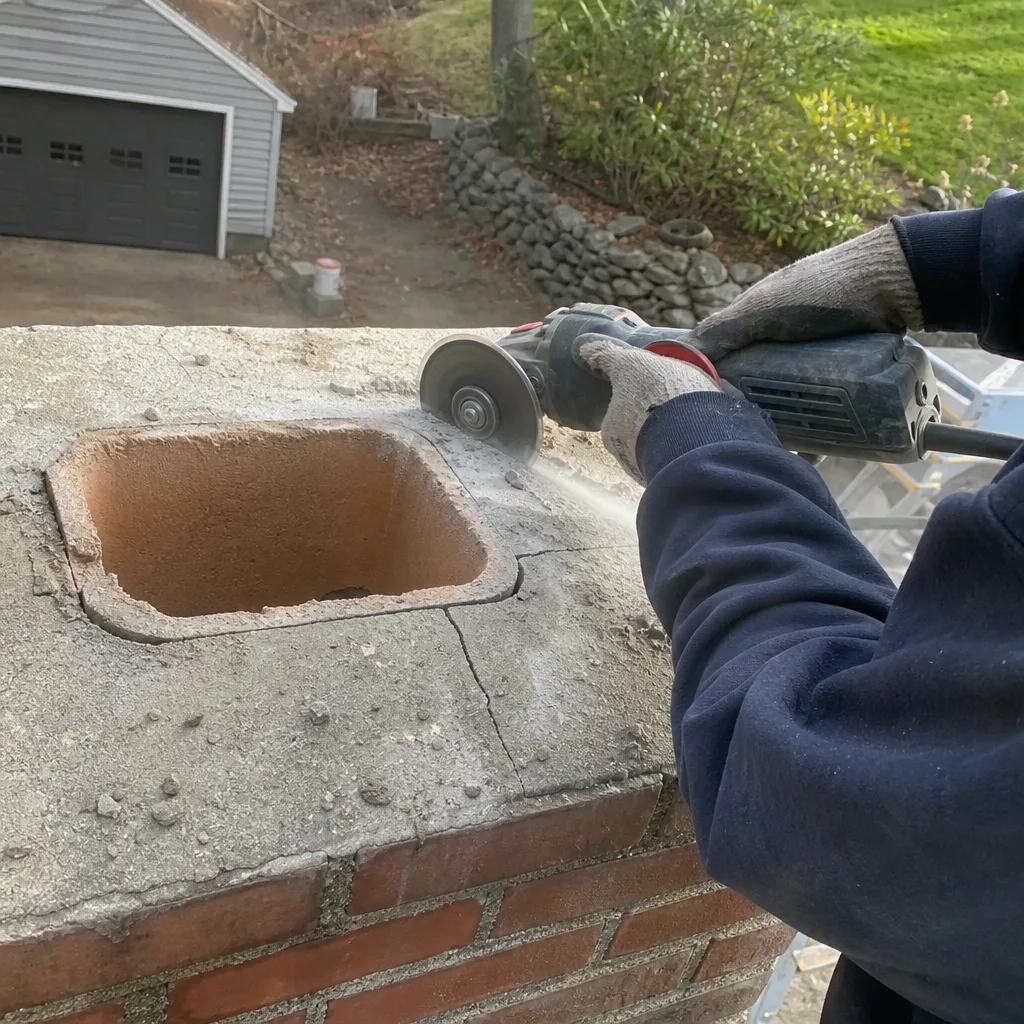
Here’s the complete sequence, from first call to final documentation, designed for a Boston homeowner who wants evidence over assurances.
- Shortlist three contractors. Start with personal referrals from neighbors in your building or block, especially in multi-unit buildings where chimney issues have already come up. Then add one or two from online research. Look specifically for companies that describe their inspection protocol in writing on their website.
- Call and ask the three questions. Camera inspection? Written price before work? What documentation do I get? Take notes. If the person on the phone can’t answer clearly, that’s a sign. A company with a live person answering 24/7 should also be able to answer these three questions without escalation. That’s part of why we staff phone lines the way we do: the questions you’ll ask are the questions we answer every day.
- Request a written estimate before booking. You should not have to book a service to find out what it costs. A company that provides a written price before work starts, as a matter of policy, is signaling that they don’t use the in-home visit as a sales opportunity. Haven Standard Clause 1 exists for this exact reason.
- Book the appointment and note the communication. A good contractor tells you who’s coming. We assign a named tech, display the license number on the page, and send a text when the tech is on the way, per the Haven Standard’s arrive-on-schedule clause. A contractor who shows up unannounced with a different name than the one on the call is skipping basic dispatch hygiene.
- During the visit, ask to see the camera feed. If the company is doing a Level 2 camera inspection, the screen exists. You have a right to look at it. A tech who angles the laptop away from you is not documenting for your benefit. The best contractors walk you through what they’re seeing: the creosote class, the liner condition, the crown state. At Level Two, our technicians explain findings in plain terms and tie them to the written report.
- Get the written quote for any recommended repair. Repairs should be quoted in writing, with scope, materials, price, and timeline. And here’s the key: you don’t have to accept it on the spot. A legitimate company will let you take the quote, think about it, compare it, and call back. If you have any doubt, get a free second opinion from another contractor. We offer that free second opinion on any written estimate, and we think every Boston homeowner should exercise it.
- After the job, review the documentation. You should receive a written report with photos and a warranty with named materials and defect scope. File it in the same folder as your roof and boiler records. If you sell the home in five years, that folder becomes your chimney maintenance history, and it’ll serve you well.
Common Mistakes to Avoid
- Assuming “certified” means “does camera inspections.” CSIA certification covers knowledge, not protocol. A certified sweep can still skip the camera. Ask the direct question.
- Accepting a verbal quote. In Boston’s market, a verbal quote is worth the paper it’s printed on. If it’s not in writing before work starts, it may change once the tech is on site.
- Paying for “inspection” without knowing the level. Level 1 is a visual check. Level 2 is a camera scan. If the invoice doesn’t say which one, it was probably a Level 1.
- Skipping the documentation request. You don’t need photos until the insurance adjuster asks for them. By then, it’s too late. Request the photo report every time.
- Choosing the cheapest quote without comparing scope. A $99 sweep and a $350 sweep are not the same service. Compare the line items, not the totals.
- Signing for major repair work the same day. There is no chimney problem so urgent that you can’t get a second opinion. A legitimate contractor will want you to see the evidence and decide calmly.
When to Call a Professional
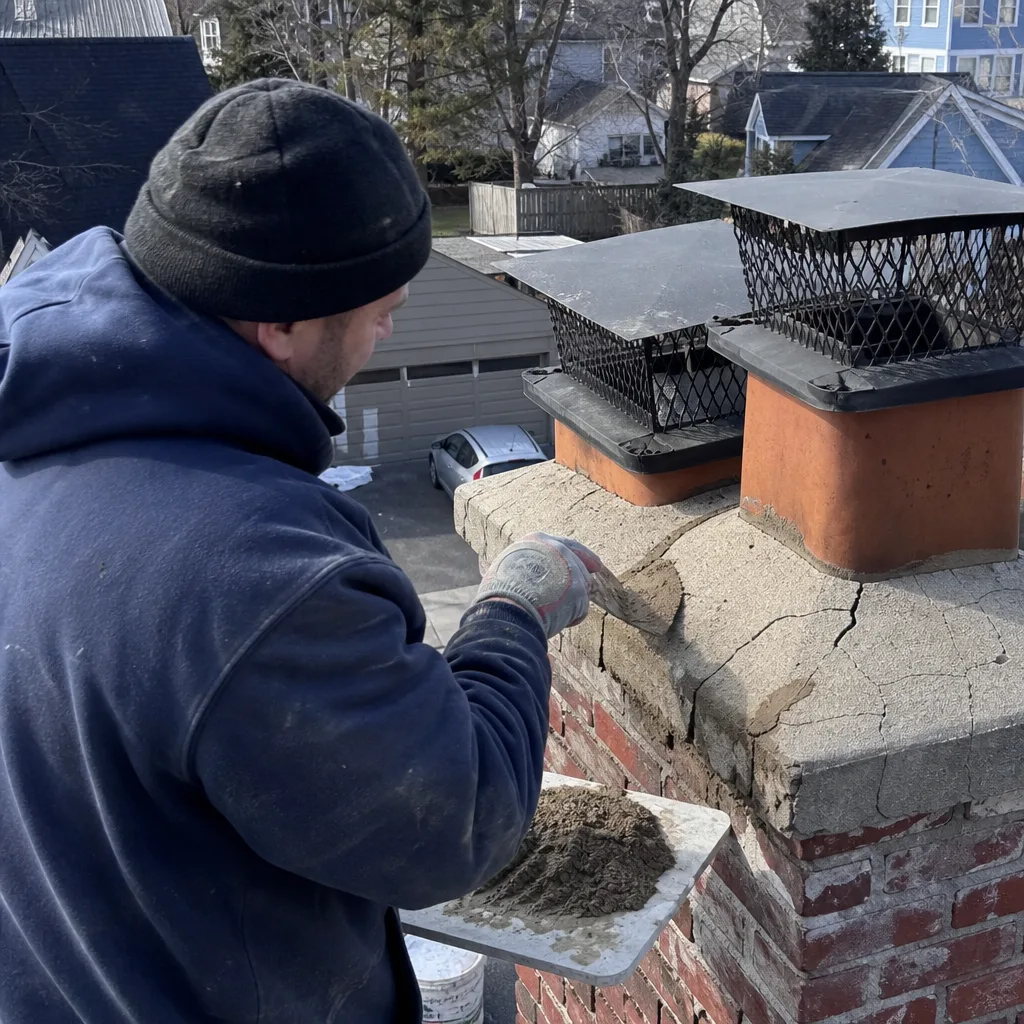
You should call a chimney professional when you see visible creosote buildup (dark, tar-like deposits in the firebox), when you smell a smoky or musty odor from the fireplace even when it’s not in use, when you see water staining on the ceiling near the chimney, or when it’s been more than 12 months since the last cleaning and inspection. If you’ve just bought a home in Boston and have no record of the chimney’s history, schedule a Level 2 inspection before the first fire of the season. If you hear flaking or debris falling in the flue, that can indicate spalling masonry or a deteriorating liner, and you should have it camera-inspected. Don’t attempt to diagnose chimney issues from the firebox with a phone flashlight. You can’t see the flue from down there, and the parts you can’t see are the parts that fail. Level Two Chimney Boston offers free estimates in Boston – call (857) 567-8887 to schedule a camera-scan inspection.
Frequently Asked Questions
A chimney sweep and Level 2 camera inspection in Boston typically runs between $250 and $450 depending on flue height, roof access, and whether the home is a single-family or part of a multi-unit building. If you’re quoted under $150 for both, you’re almost certainly getting a brush-only job with no camera inspection and no written report. Call (857) 567-8887 for a written quote before you book – estimates at Level Two Chimney Boston are always in writing, per Haven Standard Clause 1.
Yes, if you burn wood regularly during a Boston heating season. The National Fire Protection Association recommends annual inspection of chimneys, fireplaces, and vents, and a cleaning whenever creosote accumulation reaches 1/8 inch. In our experience across Boston’s housing stock, most active fireplaces need a sweep every year to every other year. Gas fireplaces can go longer between cleanings but should still be inspected annually for vent blockages and liner corrosion. When in doubt, have it camera-inspected once and let the evidence set the schedule.
Creosote builds up on the flue walls. Creosote is combustible. A chimney fire happens when that creosote ignites, and chimney fires can reach 2,000 degrees Fahrenheit – hot enough to crack flue tiles, warp liners, and spread into the structure. Boston’s old housing stock is particularly vulnerable because many pre-1940 homes have unlined or inadequately lined chimneys. Beyond fire risk, a blocked flue vents carbon monoxide back into the living space. The risk is not hypothetical, and the fix is an annual service visit. Call (857) 567-8887 to get on the schedule before heating season.
A Level 1 inspection is a visual check of accessible portions of the chimney, done when nothing has changed and the system is being used the same way as before. A Level 2 inspection adds internal camera scanning of the entire flue and is required when there’s a change of occupancy, a change to the system, or after an event like a chimney fire. At Level Two Chimney Boston, every visit includes a Level 2 camera-scan inspection and a documented photo record under Haven Standard Clause 4, a practice we’ve maintained since 2009.
No. Massachusetts does not require a specific chimney sweep license for residential chimney cleaning or inspection work. That’s exactly why the camera inspection, the written price, and the written documentation matter more than any state credential. A company can be CSIA certified and still do a flashlight-only check. Ask the three questions in this guide to filter for the protocol, not just the certification.
Yes, and it’s common. Winter chimney work in Boston is challenging because of roof ice and short daylight windows, but experienced local crews work through it. The bigger issue is scheduling: Boston-area chimney companies book heavily from September through December, so if you’re calling in November for a first-time cleaning, expect a wait. Book before the heating season starts if you can. If you’ve just bought a home in the fall and have no chimney history, schedule the Level 2 inspection as early as possible – don’t burn until it’s done.
The Bottom Line
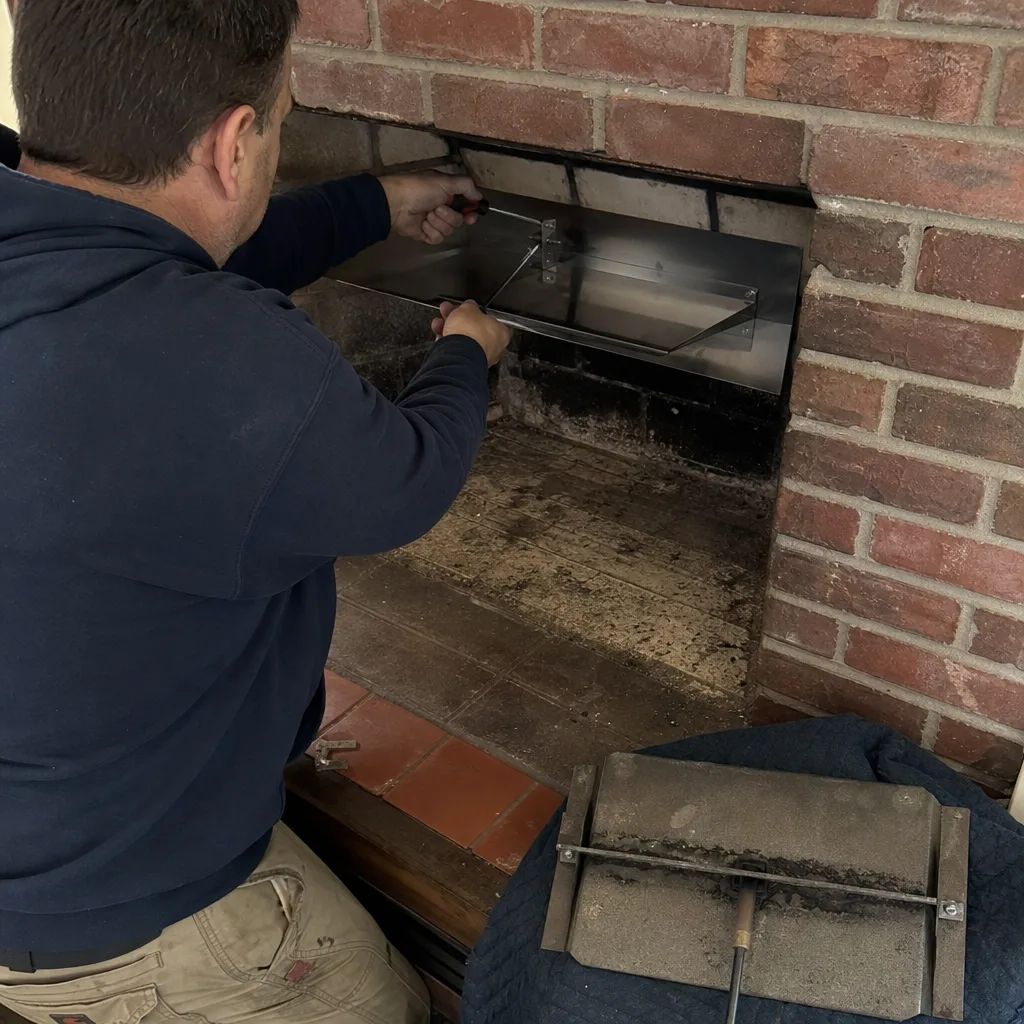
Hiring a chimney cleaning contractor in Boston comes down to three filters: a camera, a written price, and written documentation. The camera tells you what’s actually in the flue. The written price tells you the company isn’t planning an in-home sales pitch. The documentation tells you the work was done to a standard that survives insurance reviews and home inspections. Massachusetts won’t enforce any of this for you. The contractor either does it or doesn’t. Level Two Chimney Boston has done it this way since 2009, under the Haven Standard, one job at a time. Call (857) 567-8887 for a free estimate, in writing, before anyone touches your flue.
Written by Corrine Halstead, Owner at Level Two Chimney Boston, serving Boston since 2009.